
Can’t figure out how to replace your exhaust fan? Don’t worry! This guide breaks down replacing an exhaust fan step-by-step. We’ll cover everything from tools to testing, making this common home maintenance task simple and safe for beginners.
Is your bathroom fan more of a ‘fan’ of noise than actual ventilation? Or maybe it’s just stopped working altogether. A noisy or broken exhaust fan can lead to moisture build-up, mold, and musty smells in your bathroom or kitchen. It’s a common household issue, but thankfully, replacing one is a manageable DIY project.
This guide is here to help. We’ll walk you through the entire process, from gathering your tools to flipping the switch on your brand-new, quiet, and efficient fan. You don’t need to be an expert to get this done. We’ll keep things simple, safe, and straightforward, so you can get back to enjoying fresh air in no time.
Why Replace Your Exhaust Fan?
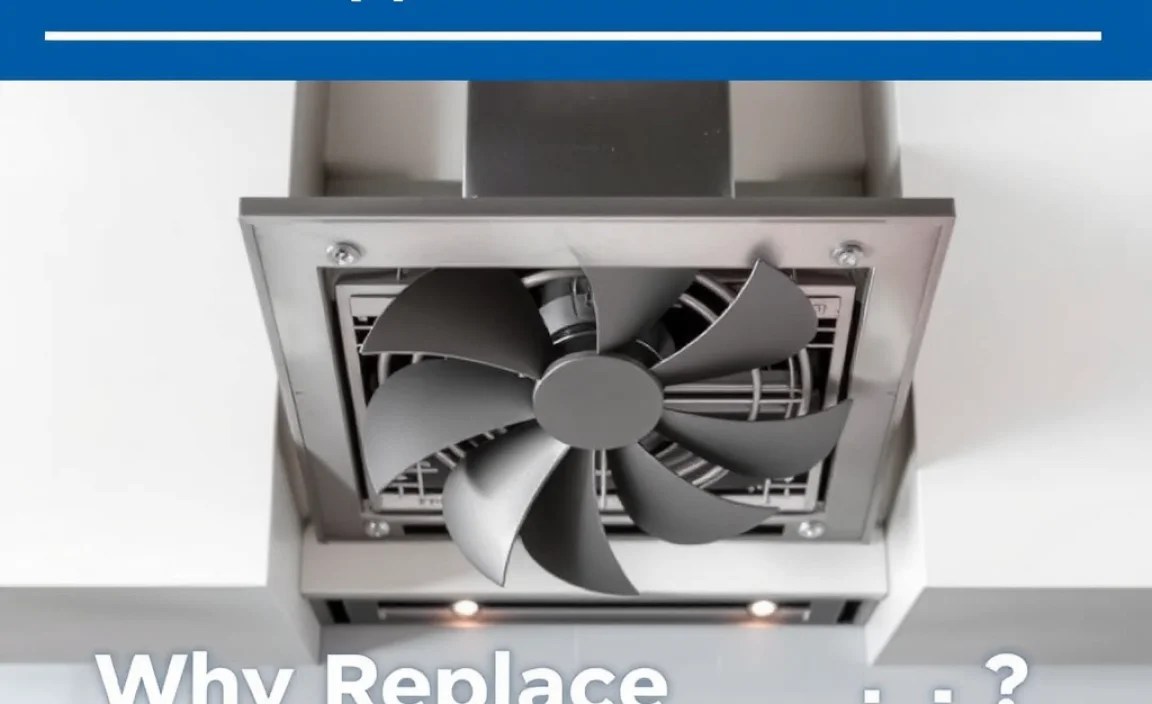
Exhaust fans are vital for removing moisture and odors from your home. Over time, they can lose efficiency, become noisy, or stop working entirely. Replacing an old fan can improve:
Air Quality: Better removal of steam, dust, and cooking odors.
Mold Prevention: Reduces humidity that encourages mold and mildew growth.
Energy Efficiency: Newer models often use less energy.
Noise Levels: An old, rattling fan can be incredibly annoying.
Home Value: Well-maintained bathrooms and kitchens are a plus.
What You’ll Need: Tools and Materials

Before you start, gather everything you need. Having all your tools and materials ready makes the job go much smoother.
Essential Tools:
Screwdriver Set: You’ll likely need both Phillips head and flathead screwdrivers.
Wire Strippers/Cutters: For safely disconnecting and connecting wires.
Voltage Tester (Non-Contact): Crucial for safety! This confirms the power is off. You can find reliable ones at most hardware stores.
Stepladder: To safely reach the fan.
Utility Knife or Putty Knife: To help loosen the old fan housing from the ceiling.
Pliers: Useful for gripping and bending wires.
Duct Tape or Electrical Tape: For securing wires if needed.
Safety Glasses: Protect your eyes from dust and debris.
Gloves: For a better grip and protection.
New Exhaust Fan: Make sure it’s compatible with your existing ductwork and electrical setup. Check the CFM (Cubic Feet per Minute) rating to ensure it’s suitable for your room size. The U.S. Department of Energy suggests considering CFM for effective ventilation based on room square footage.
Materials to Consider:
Replacement Exhaust Fan Unit: Ensure it’s the correct size and type for your space.
Wire Nuts: If the existing ones are damaged or you prefer to use new ones.
Caulk (optional): For sealing around the new fan cover if needed to prevent air leaks.
Safety First! How to Power Off

This is the MOST important step. Never work with electrical wiring unless you are absolutely certain the power is off.
1. Locate Your Circuit Breaker: Find your home’s main electrical panel. It’s usually in the basement, garage, or a utility closet.
2. Identify the Correct Breaker: Most breakers are labeled. Find the one that controls the bathroom or kitchen light/fan circuit. If it’s not labeled, you might need to turn off breakers one by one until the fan and light in the room you’re working in lose power.
3. Switch the Breaker OFF: Flip the identified breaker to the “OFF” position.
4. Test the Power: Go back to the room and try to turn on the exhaust fan and light. They should not work.
5. Double-Check with a Voltage Tester: Even if the light and fan don’t turn on, use your non-contact voltage tester near the fan’s wire connections to be absolutely sure there’s no power. Touch the tester to the wires. If it lights up or beeps, the power is still on – go back to the breaker box and re-check.
Step-by-Step: Replacing Your Exhaust Fan

Now that safety is confirmed, let’s get to the exciting part!
Step 1: Remove the Old Fan Grille
The grille is usually the most visible part of the fan.
Look for Clips or Screws: Many grilles are held in place by spring clips. Gently pull down on the grille, and it should detach. Some might have small screws holding them.
Remove Any Visible Screws: If you see any screws around the edge of the grille, remove them with your screwdriver.
Gently Detach the Grille: Once any clips or screws are free, carefully pull the grille away from the ceiling.
Step 2: Detach the Fan Housing
With the grille off, you’ll see the fan motor and housing.
Identify Mounting Screws: Look for screws that hold the fan housing to the ceiling joists or housing structure above. There are typically two to four screws.
Remove Mounting Screws: Unscrew these using your screwdriver. Keep them safe; you might need them for the new fan if it doesn’t come with its own.
Carefully Lower the Fan: Gently pull the fan housing down from the ceiling. It will still be connected by wires. Don’t pull too hard, or you could damage the wiring.
Step 3: Disconnect the Wiring
This step requires a steady hand and careful attention.
Locate the Wire Nut(s): You’ll see wires from the fan connected to wires coming from your home’s electrical system, usually secured with wire nuts.
Remove Wire Nuts: Unscrew the wire nuts counter-clockwise.
Separate the Wires: Carefully pull the wires apart. You should have a black wire (hot), a white wire (neutral), and often a bare copper or green wire (ground).
Note the Connections: It’s a good idea to take a picture or jot down which color wire from the fan connects to which color wire from the house. Most commonly, black connects to black, white to white, and ground to ground.
Use Pliers (if needed): If the wires are stubborn, you can use pliers to gently twist them free from the wire nuts.
Step 4: Remove the Old Fan Unit
Once the wiring is disconnected, the old fan unit should be free.
Lift the Old Unit Out: Carefully lift the old fan motor and housing completely out of the ceiling opening. Be aware that it might be heavier than you expect.
Inspect the Opening and Ductwork: Take a moment to look at the opening. Check the condition of the ductwork leading away from the fan. Ensure it’s not damaged or blocked. If you see a lot of dust or debris, you can carefully clean it out.
Step 5: Install the New Exhaust Fan
This is where your new, quiet fan starts to take shape!
Position the New Unit: Carefully slide the new fan housing into the ceiling opening. It should fit snugly into the space where the old one was.
Secure the Housing: Use the screws that came with your new fan (or the old ones, if compatible) to secure it to the joists or housing. Make sure it’s firmly in place.
Step 6: Connect the New Wiring
Just like you disconnected the old one, you’ll connect the new one.
Match the Wires: Refer to your notes or the new fan’s manual. Connect the corresponding wires:
New fan’s black wire to your home’s black wire.
New fan’s white wire to your home’s white wire.
New fan’s ground wire (usually green or bare copper) to your home’s ground wire.
Use Wire Nuts: Place a new wire nut (or the old one if it’s in good condition) over the stripped ends of the connected wires. Twist it clockwise until it’s snug. Give each wire a gentle tug to ensure it’s secure.
Tuck Wires Away: Carefully tuck the connected wires back into the housing space, ensuring they aren’t pinched.
Step 7: Reattach the Fan Grille
Almost there!
Align the Grille: Hold the new grille up to the fan housing.
Secure the Grille: If it uses spring clips, push the grille gently upwards until the clips engage. If it has screws, align the screw holes and fasten them with your screwdriver.
Step 8: Test the New Fan
The moment of truth!
1. Restore Power: Go back to your circuit breaker box and flip the breaker back to the “ON” position.
2. Test the Fan: Go to the room and turn on the exhaust fan switch.
3. Listen and Feel: It should run smoothly and quietly. You should feel air being drawn upwards. If your fan has a light, test that too.
4. Troubleshooting (if needed): If it doesn’t work, immediately turn off the breaker again and re-check your wiring connections. Ensure the breaker is fully “ON”.
Understanding Exhaust Fan Specifications

When selecting a new fan, a few terms might pop up. Knowing what they mean can help you choose the right one.
| Term | What it Means | Why it Matters |
| CFM | Cubic Feet per Minute. Measures the volume of air the fan can move. | Higher CFM means more air moved. For bathrooms, aim for 1 CFM per square foot of room area. For kitchens, consult local codes or appliance specs. |
| Sones | A measurement of sound. Lower sones mean a quieter fan. | A common range is 0.3 to 2.0 sones. 1 sone is roughly the sound of a refrigerator humming. Less noise is generally better, especially in living spaces. |
| ENERGY STAR® | A certification from the U.S. Environmental Protection Agency (EPA) indicating a product is more energy-efficient. | ENERGY STAR certified fans use less electricity, saving you money on utility bills and reducing your environmental impact. |
| HVI Certified | Home Ventilating Institute certification. Ensures the fan performs as rated by the manufacturer. | Look for HVI certification to ensure you’re getting the airflow (CFM) and sound level (sones) you expect. |
Maintaining Your New Exhaust Fan
Once your new fan is installed, a little bit of maintenance can keep it running efficiently for years.
Regular Cleaning: Dust can accumulate on the fan blades and motor, reducing its efficiency and potentially causing it to overheat.
Turn off the power at the breaker.
Remove the grille.
Gently wipe down the fan blades and housing with a damp cloth or a vacuum cleaner with a brush attachment.
Reattach the grille and restore power.
Check Ductwork: Periodically (every year or two), check the ductwork connection to ensure it’s secure and there are no leaks or obstructions.
Listen for Strange Noises: If your new fan starts making unusual noises, it might be a sign of a problem developing. Address it promptly.
Conclusion
Replacing an exhaust fan might seem daunting, but by following these steps, you can successfully tackle this DIY project with confidence. You’ve learned how to ensure safety by cutting power, carefully remove the old unit, connect the new wiring, and install your replacement.
Remember, a functional exhaust fan is more than just a convenience; it&rs
