
Feeling a draft or noticing an old, battered vent? Replacing a vent yourself is a straightforward DIY project that can improve your home’s appearance and air quality. With simple tools and clear guidance, you can easily swap out an old vent for a fresh new one in no time. We’ll walk you through every step to make this repair simple and successful.
Is your home’s ventilation system looking a little tired? Worn-out vents can be more than just an eyesore; they can affect your home’s airflow and even contribute to dust buildup. Don’t let a less-than-perfect vent get you down. This guide is designed to make the process of replacing a vent, whether it’s for your HVAC system, bathroom, or kitchen, surprisingly easy. We’ll break down each step, making it simple for anyone to tackle. Get ready to give your home a fresh new look with more efficient ventilation!
Why Replace Your Vents?
Vents are the unsung heroes of your home’s air quality and comfort. They’re the gateways for fresh air to enter and stale air to leave, playing a crucial role in your heating, ventilation, and air conditioning (HVAC) system. Over time, these essential components can suffer wear and tear, leading to a few common issues. Understanding these problems can help you recognize when it’s time for a DIY vent replacement.
Common Issues with Old Vents:
Aesthetics: This is often the most visible reason. Old vents can rust, get dented, become discolored, or simply look outdated. A new vent can dramatically freshen up the look of a room.
Poor Airflow: Vents with damaged louvers or excessive dust and debris buildup can restrict airflow. This can lead to uneven heating or cooling in different parts of your home and make your HVAC system work harder, increasing energy costs.
Noise: Warped or loose vent covers can rattle and create distracting noises, especially when air is flowing through them.
Damage or Breakage: Sometimes vents get accidentally damaged during furniture moving or cleaning. Broken louvers or cracked frames can be a safety hazard and affect functionality.
Dust and Allergens: Older vents might not seal properly, allowing dust and allergens to accumulate behind them or even bypass the filter. Replacing them can help maintain better indoor air quality.
Replacing a vent is a rewarding DIY project that offers immediate visual and functional benefits. It’s a relatively low-cost improvement that can make a noticeable difference in your home environment.
Getting Started: What You’ll Need

Before you dive into replacing your vent, gathering the right tools and materials is key to a smooth and efficient process. This isn’t a complex job, so you probably have most of what you need already in your toolbox, or they are easy to find at any local hardware store. Having everything ready beforehand means you won’t be scrambling for a tool mid-project.
Essential Tools for Vent Replacement:
Screwdriver Set: You’ll likely need a Phillips head screwdriver. A set with various sizes is ideal, as screw sizes can vary. Some vents might use flathead screws, so a set covering both is best.
Putty Knife or Flathead Screwdriver (for prying): This tool is useful for gently prying off an old vent cover that might be stuck or sealed with paint.
Tape Measure: To ensure you get a vent cover that’s the correct size for the opening.
Utility Knife or Box Cutter: Helpful for scoring paint around the vent edge if it’s been painted over.
Gloves: To protect your hands from sharp edges or dust.
Safety Glasses: Essential for protecting your eyes from falling debris or paint chips.
Vacuum Cleaner with Hose Attachment: To clean up dust and debris from the vent opening and surrounding area.
Paint Brush and Touch-Up Paint (optional): If the wall around the vent opening needs touching up after removal.
Materials You’ll Need:
Replacement Vent Cover: This is the star of the show! Make sure to purchase the correct size and style for your needs. Vents come in various materials (metal, plastic) and designs (perforated, louvered, decorative). Measure your existing vent or the opening carefully.
Drywall Screws (if needed): Sometimes the existing screws are stripped or lost. Ensure you have appropriately sized screws. For most vent replacements, standard drywall screws around 1 inch to 1.25 inches are sufficient.
Pro Tip: When measuring for a new vent, measure the duct opening itself, not the old vent cover. For instance, if you have a 4×10 inch vent opening, you’ll likely need a 4×10 inch duct size vent cover. The outer dimensions of the cover will be larger.
Step-by-Step: How to Replace a Vent Cover
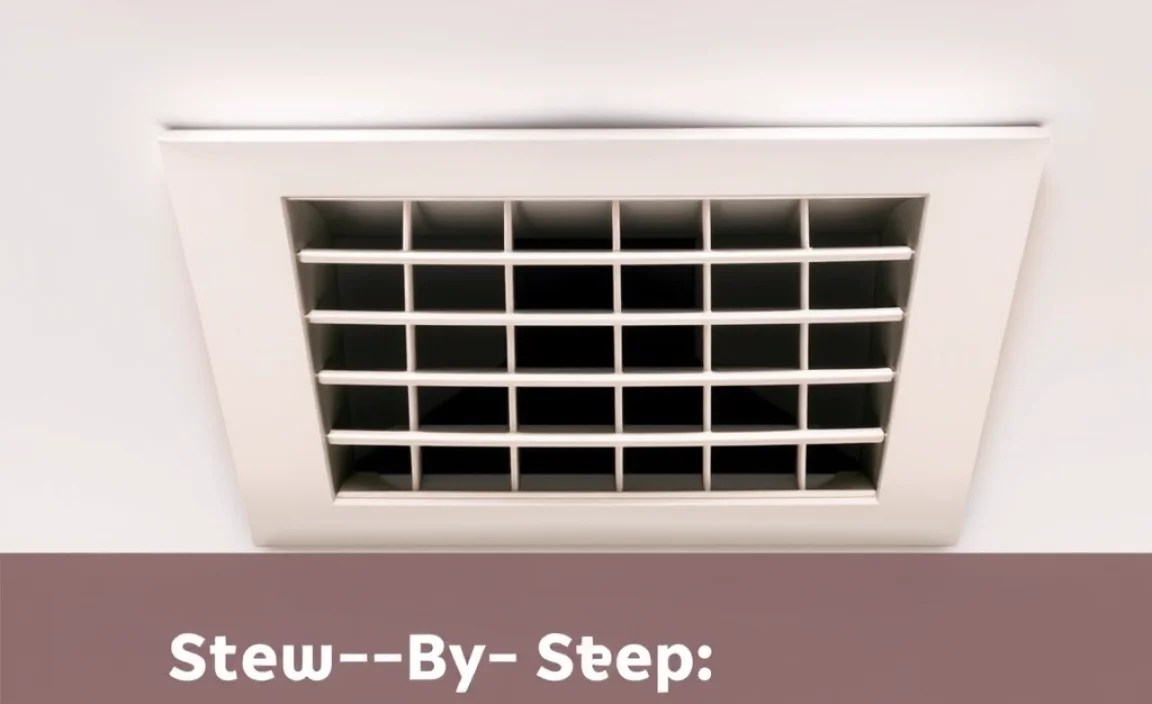
Replacing a vent cover is one of those satisfying DIY tasks that instantly upgrades a space. Follow these simple steps, and you’ll have a new vent in place with minimal fuss. We’ll cover both wall and ceiling vents, as the process is very similar.
Step 1: Safety First and Preparation
Wear Safety Gear: Put on your safety glasses and gloves. This protects you from dust, debris, and any sharp edges on the old vent.
Inspect the Area: Look for any signs of mold or water damage around the vent. If you suspect a more serious issue, it’s best to consult a professional.
Step 2: Remove the Old Vent Cover
Check for Paint: If the vent has been painted over, carefully run a utility knife or box cutter around the edge of the vent cover to score the paint line. This prevents you from tearing the drywall when you pry it off.
Locate Screws: Most vent covers are held in place by two or more screws, usually located under decorative caps or directly visible.
Remove Screws: Use your screwdriver to carefully remove the screws. Keep them in a safe place in case you need them later or for comparison.
Gently Pry Off the Cover: Once the screws are out, the vent cover should be loose. If it’s stuck, gently use a putty knife or the edge of your flathead screwdriver to carefully pry it away from the wall or ceiling. Work slowly to avoid damaging the surrounding drywall. For decorative vents, the cover might be a grille that just pulls away from a mounting frame; in this case, you’d remove the frame screws.
Step 3: Clean the Opening
Vacuum Debris: Use your vacuum cleaner with the hose attachment to suck up any dust, cobwebs, or debris from inside the vent opening and around the edges. This is a great opportunity to clean out any buildup that may have accumulated over time.
Wipe Down the Area: You can use a slightly damp cloth to wipe down the surrounding wall or ceiling if needed, after vacuuming.
Step 4: Install the New Vent Cover
Position the New Vent: Hold the new vent cover up to the opening. Many vents have a flange or lip that sits against the wall or ceiling. Make sure it’s oriented correctly and sits flush against the surface.
Align Screw Holes: Line up the screw holes on the new vent cover with the holes in the wall or duct.
Insert and Tighten Screws:
If your new vent came with screws: Use these provided screws.
If you’re reusing old screws or using new ones: Insert the screws into the aligned holes.
Start by hand: Screw them in a few turns by hand to ensure they are threading correctly.
Tighten with a screwdriver: Use your screwdriver to tighten the screws. Be careful not to overtighten, especially with plastic vents, as this can strip the screws or crack the vent. Tighten them until the vent is snug and flush against the wall, but don’t force them.
Attach Grille (if separate): If your new vent consists of a frame and a separate grille, snap or clip the grille into the frame according to the manufacturer’s instructions.
Step 5: Final Touches
Check for Stability: Gently push on the vent to ensure it’s securely attached and doesn’t wobble.
Touch Up Paint (optional): If the wall around the vent opening was scuffed or paint was removed during the process, now is the time to touch it up with matching paint. Feather the edges for a seamless look.
Congratulations! You’ve successfully replaced your vent. Check that air is flowing through it properly.
Types of Vents and How They Differ

When you start looking for a replacement vent, you’ll quickly realize there are many options available. While they all serve the basic purpose of managing airflow, different types are designed for specific applications and aesthetics. Understanding these differences can help you choose the best vent for your needs.
Common Vent Types:
HVAC Vents (Supply and Return):
Supply Vents: These are where heated or cooled air enters your rooms. They often have adjustable louvers to direct airflow.
Return Vents: These are where air is drawn back into the HVAC system. They are typically larger and have a grille but no louvers, as they don’t need to direct air.
Bathroom and Kitchen Exhaust Vents: These vent moist air or cooking fumes outside the house. They are usually connected to a fan and often have a damper to prevent backdrafts.
Floor Vents: Located in the floor, these are common in homes with older HVAC systems. They can be easy to damage from foot traffic, so durability is key.
Wall Vents: The most common type, found on walls throughout the house.
Ceiling Vents: Similar to wall vents but located in the ceiling, often used for supply air.
Decorative Vents: These vents prioritize aesthetics, often featuring intricate designs, patterns, or premium materials like cast iron or wood. They can be a nice upgrade for living areas where appearance matters most.
Baseboard Vents: Found along the base of walls, often integrated into heating systems.
Material Options:
Metal (Steel, Aluminum, Brass): Durable, long-lasting, and good for both supply and exhaust. Steel is strong and often used for high-traffic areas like floors. Aluminum is lighter and rust-resistant. Brass offers a premium look.
Plastic (ABS, PVC): Lightweight, inexpensive, and easy to clean. Best suited for non-load-bearing areas and environments where rust is a concern (like bathrooms). Can become brittle over time in intense heat or cold.
Wood: Offers a warm, traditional aesthetic. Can be painted or stained. Best used for decorative purposes or in areas without significant moisture.
Choosing the Right Vent: For standard HVAC rooms, a simple metal or plastic louvered vent usually suffices. For bathrooms and kitchens, ensure you select an exhaust vent designed for moisture. If you want to update your living room’s look, consider a decorative vent. Always measure the duct opening for the correct fit.
Vent Replacement vs. Vent Cleaning: When to Choose Which

While replacing a vent is a great DIY project, sometimes a good cleaning is all that’s needed. Knowing the difference can save you time and money. Often, the two tasks go hand-in-hand.
When to Clean Your Vents:
Minor Dust Buildup: If your vents are covered in a light layer of dust but are otherwise intact and functioning well.
Improving Airflow Slightly: A thorough cleaning can remove blockages that are minimally impacting airflow.
Regular Maintenance: Cleaning vents is a part of general home maintenance recommended by experts like those at the U.S. Environmental Protection Agency (EPA) to maintain indoor air quality.
How to Clean Vents:
1. Remove the vent cover (as described in the replacement steps).
2. Use a vacuum with a brush attachment to clean the interior of the vent and the duct opening.
3. Wipe down the vent cover thoroughly.
4. Reinstall the clean vent cover.
When to Replace Your Vents:
Visible Damage: Rust, dents, cracks, broken louvers, or warped frames.
Persistent Airflow Issues: If cleaning doesn’t resolve poor airflow, the vent’s internal components might be compromised.
Aesthetic Upgrade Needed: When you want to update the look of your rooms.
Paint or Sealant Problems: If vents are excessively painted over, making them difficult to operate or clean.
Noise Issues: Rattling or creaking sounds that cleaning doesn’t fix often indicate a worn-out vent.
Mold or Mildew Suspicions: If you see signs of mold, replacement might be necessary after addressing the underlying moisture issue.
Often, you’ll clean the vent opening after removing the old cover as part of the replacement process. This integrated approach ensures you’re not just updating the look but also the functionality and cleanliness of your ventilation system.
Common DIY Vent Replacement Scenarios
Let’s look at a couple of common scenarios where you might find yourself wanting to replace a vent. The core steps remain the same, but there are minor considerations for each.
Scenario 1: Replacing a Wall HVAC Vent
This is perhaps the most common DIY vent replacement. These vents are easily accessible and come in a vast array of styles.
1. Identify the Vent Type: Is it a supply vent (with louvers) or a return vent (just a grille)? This helps you buy the correct replacement.
2. Measure Opening: Accurately measure the duct opening’s dimensions in inches (e.g., 4×10, 6×12).
3. Purchase New Vent: Select a new vent that matches your measurements and aesthetic preferences.
4. Remove Old Vent: Unscrew and carefully pry off the existing cover, scoring paint if necessary.
5. Clean Area: Vacuum out the opening thoroughly.
6. Install New Vent: Align the new vent, insert screws, and tighten them until snug.
7. Touch-up Paint: Address any scuffs on the wall.
Scenario 2: Replacing a Bathroom or Kitchen Exhaust Vent
These vents are crucial for air quality and preventing moisture issues, so it’s important they function correctly.
1. Safety is Paramount: Ensure the bathroom or kitchen fan power is turned OFF at the breaker box. This is crucial for exhaust fan vents.
2. Inspect the Fan Unit: Sometimes, what looks like a vent issue is actually a problem with the fan motor or ductwork connected to it. If the vent cover itself seems fine but the fan isn’t working, you may need to investigate the fan unit.
3. Measure Carefully: Measure the existing vent grille size. Note the connection size for the ductwork if possible.
4. Purchase Replacement: Buy a new exhaust vent cover. If the fan motor needs replacing, that’s a separate, more involved project.
5. Remove Old Cover: Usually, these have clips or screws that hold the grille in place. Gently release them.
6. Clean: Clean the area around where the vent attaches.
7. Install New Cover: Attach the new grille, ensuring it clicks or screws securely into place.
8. Restore Power: Turn the breaker back on and test the fan.
Important Note: For exhaust fans that are malfunctioning (not venting properly), or if you suspect an issue with the fan motor or the fan housing itself, it’s often best to consult an electrician or HVAC professional. The steps above are for replacing the cover or grille of an exhaust vent, assuming the fan mechanism is functional.
Troubleshooting Common Vent Replacement Issues
Even with the simplest projects, sometimes things don’t go perfectly. Here are a few common issues you might encounter during a DIY vent replacement and how to solve them.
Problem: Vent Cover Won’t Come Off
Cause: Painted over multiple times, stuck with caulk, or old adhesive.
Solution: Use a sharp utility knife to score the paint line around the entire edge of the vent cover. Be patient and try to cut through the paint layer. If it’s still stuck, gently tap the putty knife or flathead screwdriver into the seam between the cover and the wall. Work your way around, applying even pressure. Avoid excessive force that could damage the drywall extensively.
Problem: Damaged Drywall During Removal
Cause: Being too aggressive with prying, or scoring the paint line not being deep enough.
Solution: Minor nicks and dents are easily repaired. You can use a lightweight spackle or joint compound to fill small gouges. Let it dry, sand it smooth, and then touch up with paint. For larger damage, you might need a small piece of drywall patch or even a larger decorative vent or cover plate to hide the repair.
Problem: New Vent Doesn’t Fit Properly
Cause: Incorrect measurements taken, or the replacement vent is not designed for the specific type of opening.
Solution: Double-check your measurements against the manufacturer’s specifications for the new vent. If the opening is a non-standard size, you might need to consider a custom vent option or a larger vent that can cover the existing hole with a trim plate. For HVAC vents, ensure you measured the duct opening accurately, not the old cover’s outer dimensions.
Problem: Screws Won’t Tighten (Stripped Hole)
Cause: The screw hole in the wall or duct has become too large or the threads are damaged.
Solution:
For drywall: Insert a golf tee or a few wooden matchsticks (heads removed) into the hole with wood glue, break them off flush, and then let them dry. You can then drive the screw into the reinforced hole.
For a slightly larger screw: Use a screw that is one size larger in diameter.
* Use wall anchors: If the hole is significantly damaged.
