
Reseal bathroom countertop for a renewed and protected surface. Over time, bathroom countertops, whether granite, quartz, marble, or even laminate, are exposed to daily wear and tear. Spills from soaps, shampoos, lotions, and even toothpastes can leave behind stains and etch marks. Humidity and constant moisture can also degrade the protective sealant, making the surface vulnerable. Fortunately, restoring that effortless shine and ensuring long-term protection is achievable through a simple yet effective process: resealing your bathroom countertop.
Why Sealing Your Bathroom Countertop Matters

Bathroom countertops are more than just a place to set your toothbrush. They are a significant design element that contributes to the overall aesthetic and functionality of your bathroom. However, their exposed nature makes them susceptible to damage. Unsealed or improperly sealed surfaces can lead to several issues:
Staining: Porous materials like natural stone (granite, marble, travertine) are highly absorbent. Without a proper seal, liquids can penetrate the surface, leaving behind stubborn stains that are difficult, if not impossible, to remove. Even spills that are wiped up quickly can leave a residue if the sealant is compromised.
Etching: Acidic substances, common in many bathroom cleaners and even some cosmetics, can react with certain countertop materials, particularly marble and some quartz composites. This reaction can cause dull spots and a rough texture, often referred to as etching.
Bacterial Growth: Moisture trapped within unsealed or damaged sealant can provide a breeding ground for bacteria and mold, leading to hygiene concerns and unpleasant odors.
Degradation of Material: Prolonged exposure to moisture and harsh chemicals without adequate protection can weaken the integrity of the countertop material itself, leading to premature wear and a shortened lifespan.
Understanding Your Countertop Material
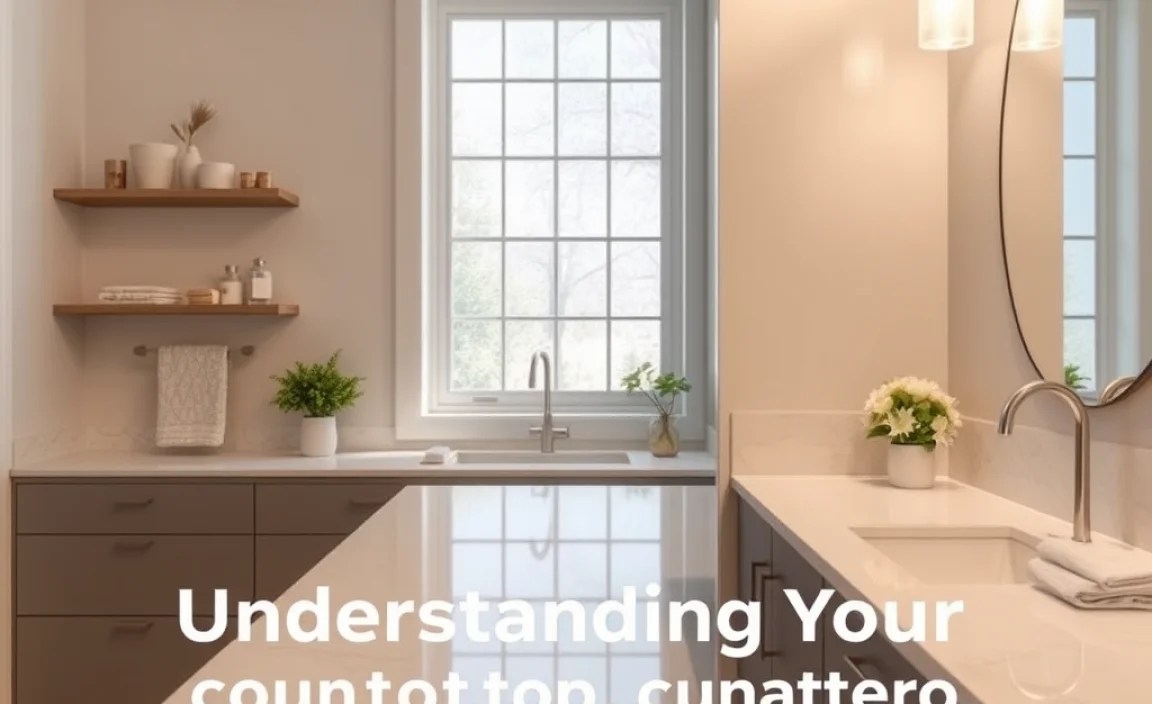
Before you begin the process of how to reseal bathroom countertop, it’s crucial to identify the material you’re working with. Different materials have varying porosity levels and require specific types of sealants.
Natural Stone (Granite, Marble, Travertine): These are porous materials and benefit most from regular sealing. Marble is softer and more prone to etching than granite, requiring more frequent attention.
Quartz (Engineered Stone): Quartz is non-porous and typically does not require sealing as it is inherently resistant to stains and moisture. However, the resin binders used in its creation can be susceptible to UV damage or extreme heat.
Laminate: Laminate is essentially a synthetic surface topped with a protective layer. It doesn’t require sealing in the traditional sense but needs to be cleaned with appropriate, non-abrasive cleaners to maintain its finish.
Solid Surface (e.g., Corian): Solid surface materials are non-porous and can be repaired and buffed rather than sealed.
If you’re unsure about your countertop material, consult your installer or a stone care professional.
Preparing for Resealing
With the correct sealant in hand, it’s time to prepare your bathroom countertop for the application. A clean and dry surface is paramount for the sealant to adhere effectively and provide optimal protection.
1. Clear the Countertop: Remove everything from the countertop – toiletries, décor, soap dispensers, everything. This will give you full access to the entire surface.
2. Deep Clean: Thoroughly clean the countertop to remove any soap scum, toothpaste residue, hairspray buildup, or mineral deposits. Use a pH-neutral cleaner specifically designed for your countertop material. Avoid abrasive scrubbers or harsh chemical cleaners, as these can damage the surface or the existing sealant. For natural stone, a dedicated stone cleaner is recommended.
3. Rinse and Dry: Rinse the countertop thoroughly with clean water to remove any residual cleaner. Then, dry the surface completely with a soft, lint-free cloth. Ensure there is no standing water, especially in seams or around the sink. Allow ample drying time; some recommend waiting 24 hours after cleaning before sealing, especially for porous stone.
4. Test Porosity (for Natural Stone): To check if your natural stone countertop needs resealing, perform a simple water test. Pour a small amount of water (about ¼ cup) onto the surface and let it sit for 10-15 minutes. If the water beads up, the sealant is still effective. If the water darkens the stone or soaks in, it’s time to reseal.
The Reseal Bathroom Countertop Process

Now that your countertop is prepped, you can proceed with the resealing process. The exact application method will vary slightly depending on the type of sealant you choose (spray, liquid, or paste), but the general steps remain consistent.
1. Read Product Instructions: Always start by carefully reading and following the manufacturer’s instructions on your chosen sealant product. This is crucial for optimal results and to avoid damaging your countertop.
2. Apply the Sealant:
Spray Sealants: These are often the easiest for DIYers. Hold the can about 6-8 inches from the surface and spray a thin, even coat. Work in small sections to avoid the sealant drying before you can spread it.
Liquid/Paste Sealants: Apply the sealant using a clean, lint-free cloth or applicator pad. Work in small sections, applying a thin, even coat and ensuring the entire surface is covered.
3. Spread the Sealant: If using a spray sealant, use a clean cloth to gently spread the product over the entire surface, ensuring even coverage. For liquid or paste sealants, ensure you are working the product into the surface. Some sealants require you to work them in a circular motion.
4. Allow to Penetrate: Let the sealant penetrate the surface for the duration specified by the manufacturer. This is typically between 5 to 15 minutes. During this time, the sealant will soak into the pores of the stone.
5. Buff Off Excess: Using a clean, dry, lint-free cloth, buff away any excess sealant. You’ll want to remove any residue to prevent a dull or sticky finish. Continue buffing until the surface has a uniform sheen. Some sealants may require a second application. If so, repeat steps 2-5 after the initial application has dried as instructed.
6. Curing Time: Sealants require a curing period before the countertop can be used normally. This can range from a few hours to 24-72 hours, depending on the product. Avoid placing anything on the countertop, cleaning it, or exposing it to moisture during this time. Follow the manufacturer’s recommended curing time precisely.
Maintaining Your Resealed Bathroom Countertop

Once you’ve successfully managed to reseal bathroom countertop, maintaining its shine and protection becomes an ongoing practice. Regular care will extend the life of your sealant and keep your countertop looking its best.
Daily Cleaning: Wipe down your countertop daily with a damp cloth and a pH-neutral cleaner. This simple habit prevents spills from sitting and potentially damaging the surface.
Immediate Spill Cleanup: Address any spills immediately. Blot up liquids with a soft cloth rather than wiping, which can spread the spill. Rinse the area with water and dry thoroughly.
Avoid Harsh Chemicals: Never use abrasive cleaners, scouring pads, or harsh chemicals like bleach or ammonia on your sealed countertop, especially natural stone. These can strip the sealant and damage the material.
Watch for Wear Signs: Periodically perform the water test (mentioned earlier) to check the sealant’s effectiveness. If water no longer beads up, it’s time to reseal again.
By understanding your material, preparing the surface properly, and consistently following a maintenance routine, you can easily reseal bathroom countertop and enjoy its effortless shine and lasting protection for years to come.
