
Don’t let water damage ruin your rustic bathroom style! Choosing waterproof rustic bathroom accessories is key to preserving their charm and your peace of mind. This guide shows you how to select and maintain these essential pieces to ensure they remain beautiful and functional for years to come.
Creating a dream rustic bathroom involves more than just the big-ticket items like vanity and tub. The small touches—your accessories—are what truly bring the cozy, natural feel to life. But if these pieces aren’t waterproof, moisture from showers and sinks can quickly turn charming wood into warped, peeling eyesores. It’s a common frustration for DIYers and homeowners looking to add character without endless repairs. Don’t worry; you can absolutely have that warm, inviting rustic aesthetic and practicality. This guide will walk you through choosing the right waterproof rustic bathroom accessories, ensuring they stand up to daily use and keep your bathroom looking its best.
Why Waterproofing Matters for Rustic Bathroom Accessories

Bathrooms are inherently wet environments. Steam from showers, splashes from a busy sink, and even high humidity can wreak havoc on materials. For rustic decor, which often relies on natural elements like wood, metal, and woven fibers, this poses a specific challenge. Untreated or improperly treated materials can:
- Warp and swell: Wood fibers absorb moisture, causing them to expand and lose their shape.
- Mold and mildew: Damp, dark corners are perfect breeding grounds for unsightly and unhealthy mold.
- Rust and corrosion: Metal accessories can quickly develop rust spots, detracting from their intended look.
- Discoloration and staining: Water can leave marks or cause finishes to fade or change color.
- Degradation of natural materials: Woven baskets can fray, and certain types of stone or ceramic can become porous and stain.
Investing in waterproof options isn’t just about aesthetics; it’s about durability and minimizing future maintenance headaches. You want your carefully chosen pieces to enhance your bathroom, not become a source of constant concern.
Understanding “Waterproof” in a Rustic Bathroom Context

“Waterproof” can mean different things. For rustic bathroom accessories, it typically refers to materials and finishes that are resistant to water penetration and damage. It doesn’t always mean they can be submerged indefinitely, but they should comfortably handle the humidity and splashes of a bathroom.
- Sealed Wood: Natural wood, a staple in rustic design, needs to be thoroughly sealed. This involves applying multiple coats of a water-resistant sealant, varnish, or epoxy. Look for wood that has a smooth, non-porous finish.
- Treated Metals: Metals like wrought iron, brushed nickel, or bronze are often finished with protective coatings that prevent rust. Powder coating or a good lacquer can significantly enhance their water resistance.
- Treated Fabrics and Woven Materials: For things like shower curtains, bath mats, or storage baskets, look for materials that are naturally water-repellent or have been treated. Many synthetic fabrics are inherently waterproof, and natural fibers can be treated.
- Ceramics and Stone: Glazed ceramics are generally waterproof. Unglazed or porous natural stones might need sealing, especially if they are lighter in color and prone to staining.
It’s crucial to consider the specific material and how it’s treated. A rough, unfinished piece of driftwood might look wonderfully rustic, but it’s highly susceptible to water damage unless it has been professionally sealed.
Essential Waterproof Rustic Bathroom Accessory Categories
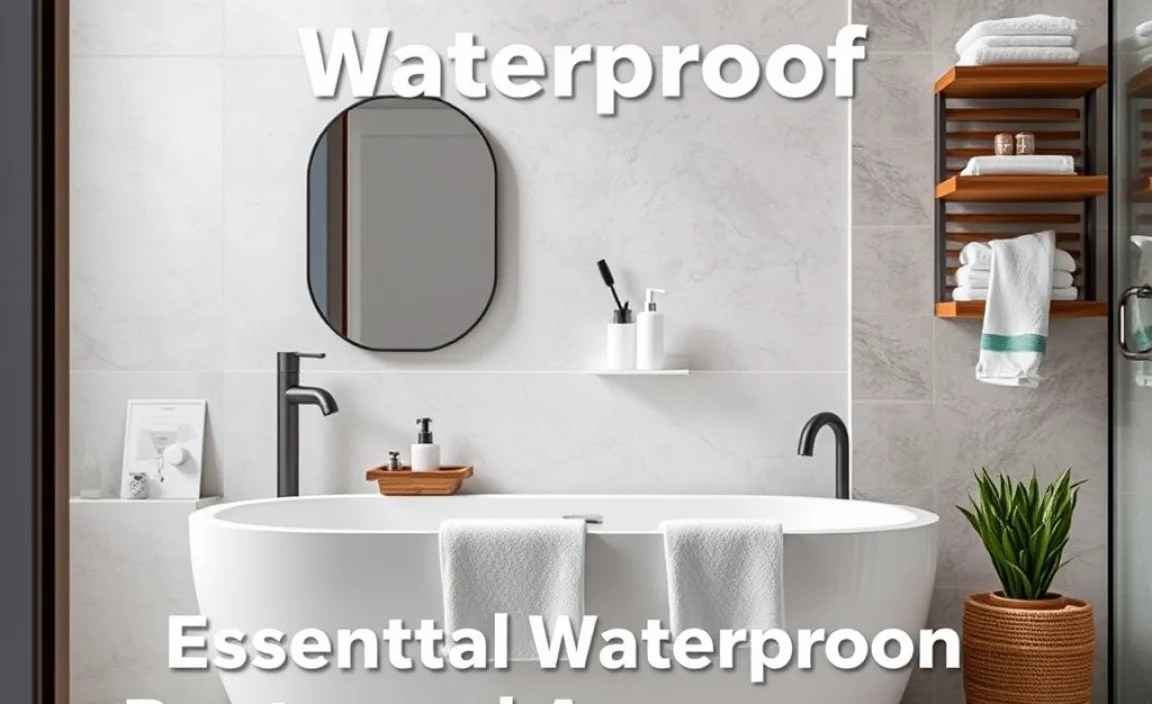
Let’s break down the key accessory types and what to look for to keep them waterproof and stylish.
1. Storage Solutions: Baskets, Shelves, and Cabinets
Storage is vital for a functional bathroom, and in a rustic setting, natural materials are preferred. You need options that are both beautiful and resilient.
- Woven Baskets:
- Best Choices: Look for baskets made from synthetic rattan or marine-grade plastics that mimic natural fibers. These are often highly water-resistant and easy to clean. For natural materials, tightly woven sea grass or bamboo can be quite resistant if finished with a sealant.
- What to Avoid: Loose-weave natural fiber baskets (like jute or untreated straw) without a protective coating, as they readily absorb moisture and can fray or mold.
- Wooden Shelves and Accents:
- Best Choices: Solid wood (like cedar, pine, or reclaimed wood) that has been sanded smooth and treated with a marine-grade varnish, polyurethane, or an epoxy resin. This creates a durable, water-repellent barrier.
- What to Avoid: Raw, unfinished wood, or pieces with large cracks and gaps unless those are intentionally filled and sealed. Particleboard or MDF without a proper sealing is also a no-go.
- Metal Wall-Mounted Storage:
- Best Choices: Wrought iron with a powder coat or baked enamel finish, brushed stainless steel, or antique brass finishes with a protective lacquer. These are excellent for soap dishes, towel racks, and small wall shelves.
- What to Avoid: Unfinished or cheaply plated metals that are prone to rust.
Even with sealed wood, try to avoid prolonged direct contact with standing water. Wicking moisture away with a towel is always a good practice for longevity.
2. Decor and Functional Pieces: Soap Dispensers, Toothbrush Holders, Trays
These smaller items are often in direct contact with water and can either enhance or detract from your rustic theme if they degrade.
- Ceramic and Stone:
- Best Choices: Glazed ceramic or porcelain dispensers and holders are excellent. For natural stone, look for polished granite, marble, or quartz. Ensure these have a sealed, non-porous surface. Many modern stone accessories come pre-sealed.
- What to Avoid: Unglazed terracotta, porous natural stones (like travertine or unsealed slate) that can absorb soap scum and water, leading to stains and breakage.
- Metal:
- Best Choices: Similar to metal storage, look for finishes like brushed nickel, oil-rubbed bronze, or copper that have a protective lacquer.
- What to Avoid: Thin, plated metals that scratch easily, revealing rust-prone layers underneath.
- Resin and Composite Materials:
- Best Choices: High-quality resins can be molded into shapes that mimic wood, stone, or metal and are inherently waterproof and durable. They are a practical choice for busy bathrooms.
- What to Avoid: Cheap plastics that can look artificial and may degrade over time.
Consider the weight and stability of these items too. You don’t want a lightweight dispenser to tip over easily.
3. Textile Accessories: Shower Curtains, Bath Mats, Towels
While not strictly “accessories” in the rigid sense, these are crucial for the overall feel and function of a rustic bathroom.
- Shower Curtains:
- Best Choices: Polyester or nylon fabrics are often treated to be water-repellent and quick-drying. Look for designs with subtle natural patterns or earthy tones. A liner is often recommended even with water-repellent curtains for maximum protection.
- What to Avoid: Cotton or linen curtains without a waterproof backing or liner, as they absorb water, become heavy, and are prone to mildew.
- Bath Mats:
- Best Choices: Quick-drying microfiber, certain synthetic blends, or rubber-backed mats designed for bathrooms. Wooden slatted mats are also a fantastic waterproof rustic option, provided they are made from water-resistant wood (like teak or cedar) and well-sealed.
- What to Avoid: Thick cotton mats that stay wet for too long and are difficult to dry, increasing the risk of mold and odor.
- Towels:
- Best Choices: High-quality cotton or bamboo blends that are absorbent yet dry relatively quickly.
- Considerations: While not waterproof, proper hanging and ventilation are key. Having a good number of well-placed towel bars or hooks will ensure they dry efficiently.
For textiles, the key is quick drying to prevent mildew and odors. Regular washing also helps maintain their freshness.
4. Lighting and Fixtures
While not typically considered “accessories” to swap out frequently, the choice of bathroom fixtures and lighting can significantly contribute to your rustic aesthetic and its longevity.
- Metal Finishes:
- Best Choices: Matte black, brushed nickel, oil-rubbed bronze, or antique brass with a suitable protective coating are ideal for faucets, showerheads, and light fixtures. These finishes resist water spots and corrosion better than polished chrome or unsealed metals.
- What to Avoid: High-gloss polished metals that show every water spot and fingerprint, or finishes that are known to corrode quickly in humid environments.
- Light Fixture Materials:
- Best Choices: Fixtures made from wood with appropriate marine-grade sealing, frosted or seeded glass. Look for IP ratings (Ingress Protection) if you’re concerned about direct water exposure – higher numbers indicate better protection. A rating of IP44 or higher is generally recommended for bathrooms outside of the immediate shower area.
- What to Avoid: Unsealed wood, intricate paper elements, or metals with exposed wiring near potential splash zones.
Consulting with a plumber or electrician is always a good idea when installing new fixtures to ensure they are correctly fitted and safe. For more on bathroom electrical safety, the, National Fire Protection Association (NFPA) offers valuable guidance.
Materials to Embrace for a Waterproof Rustic Vibe

Certain materials naturally lend themselves to both a rustic feel and water resistance, or can be easily adapted. Here’s a quick rundown:
| Material | Rustic Appeal | Waterproof Potential | What to Look For |
|---|---|---|---|
| Sealed Wood (Cedar, Teak, Treated Pine) | Natural, warm, organic | High (with proper sealing) | Marine-grade varnish, polyurethane, epoxy resin; smooth finish |
| Metal (Wrought iron, Brushed Nickel, Bronze) | Industrial, antique, sturdy | High (with protective coatings) | Powder coating, baked enamel, lacquer; rust-resistant alloys |
| Ceramics & Glazed Porcelain | Earthy, handcrafted feel (depending on glaze) | Excellent | Smooth, non-porous glaze; avoid unglazed options |
| Resin / Composite | Can mimic natural textures convincingly | Excellent | High-quality molds, realistic finishes |
| Quality Synthetics (e.g., Poly-rattan) | Mimics natural fibers, durable | Excellent | Tightly woven, UV and water-resistant treatments |
| Natural Stone (Polished Granite, Quartz) | Elegant, natural beauty | High (if polished and sealed) | Sealed, non-porous, polished surface |
When in doubt about a material’s waterproof capabilities, always err on the side of caution. Opting for a material that’s known for its water resistance, even if it’s a high-quality synthetic, can save you a lot of trouble.
How to Maintain Your Waterproof Rustic Accessories

Even “waterproof” items benefit from proper care. Here’s how to keep your rustic bathroom accessories looking their best:
- Regular Cleaning: Wipe down accessories with a damp cloth and mild soap at least weekly. This prevents soap scum and mineral buildup.
- Immediate Drying: If a wooden accessory gets splashed, gently wipe it dry with a soft cloth. This is especially important for natural wood, even if sealed.
- Inspect for Damage: Periodically check for any signs of wear on finishes. If you notice a crack in a sealant on wood or a scratch on metal, address it promptly. Reapply sealant or touch up paint as needed.
- Ventilation is Key: Ensure your bathroom is well-ventilated. Use an exhaust fan during and after showers, and open windows when possible. Good airflow helps dry surfaces and textiles faster.
- Avoid Harsh Chemicals: Stick to mild, non-abrasive cleaners. Harsh chemicals can degrade protective coatings over time, compromising their waterproof capabilities.
- For Baskets: If you use natural fiber baskets, ensure they are completely dry before putting anything inside. You might even consider lining them with a waterproof bag for toiletries.
- For Textiles: Wash shower curtains and bath mats according to care labels. Promptly hang bath mats to dry after use to prevent mildew.
Maintaining these accessories is part of the rustic charm—it’s about appreciating the natural materials and giving them a little extra care. For a deeper dive into general bathroom maintenance, resources from the U.S. Environmental Protection Agency (EPA) on water efficiency and maintenance can offer broader insights.
DIY Waterproofing Tips for Rustic Pieces
If you find a piece you love that isn’t quite waterproof enough, there are DIY solutions:
- Sealing Wood:
- Materials Needed: Sandpaper (medium and fine grit), tack cloth, waterproof sealant (e.g., marine-grade polyurethane, spar varnish, or epoxy resin), good quality brushes or foam applicators.
- Steps:
- Clean the wood thoroughly.
- If needed, sand the surface smooth, starting with medium grit and finishing with fine grit sandpaper. Wipe away all dust with a tack cloth.
- Apply a thin, even coat of sealant with your brush or applicator. Work in a well-ventilated area.
- Allow the first coat to dry completely according to the product’s instructions.
- Lightly sand with fine-grit sandpaper and wipe again with a tack cloth.
- Apply subsequent coats (usually 2-3 more) in the same manner. The more coats, the better the protection.
- Sealing Natural Stone:
- Materials Needed: Stone sealer (ensure it’s suitable for your type of stone, often found at hardware or specialty stone stores), applicator pad or clean cloth, clean cloths for wiping.
- Steps:
- Ensure the stone is clean and completely dry.
- Apply a liberal coat of sealer with your applicator, ensuring even coverage over the entire surface.
- Let the sealer penetrate for the time recommended by the manufacturer (usually 10-20 minutes).
- Wipe off any excess sealer that hasn’t penetrated before it dries.
- Allow the sealed stone to cure for at least 24-72 hours before use.
- Refreshing Metal Finishes:
- Steps: For metal accessories that are showing signs of wear or light rust, you can often clean them with a gentle metal polish or a paste of baking soda and water. For more significant rust, you might need a rust-removing treatment followed by a clear lacquer spray designed for metal. Always test in an inconspicuous area first.
Always read and follow the specific instructions on your chosen sealing products. Proper ventilation and personal protective equipment (like gloves and a mask) are essential when working with sealants and chemicals.
When to Consider Alternatives to Natural Materials
While the authenticity of natural materials is appealing, sometimes practicality must take precedence. For high-moisture areas or if you’re aiming for minimal maintenance, don’t shy away from:
- High-Quality Resins: Modern resins can be incredibly convincing and are inherently waterproof. Look for pieces with detailed texturing that mimics wood grain or stone patterns.
- Water-Resistant Composites: These engineered materials can offer the look and feel of natural materials with superior durability in wet conditions.
- Powder-Coated Metals: These offer a robust, durable finish that far outlasts simple painted or lacquered metals in humid environments.
- Sealed Bamboo: Bamboo can be a good option if it’s sealed; some bamboo products are treated to be highly water-resistant.
Think about where each accessory will be placed. Items directly beside the shower or sink will need more robust waterproofing than decorative items on a high shelf. For example, a soap dish needs to withstand constant contact with water and soap, while a decorative candle holder.
