
Dealing with a leaky exhaust fan can be frustrating. You might feel a chilly draft or notice higher energy bills. But fixing it is simpler than you think! This guide will show you exactly how to seal your exhaust fan quickly and effectively. No complicated tools or confusing steps – just a clear path to a cozier, more efficient home. Let’s get that pesky draft sealed up!
Why Sealing Your Exhaust Fan Matters

Exhaust fans are fantastic for moving moisture and smells out of your home, especially in bathrooms and kitchens. However, when they’re not properly sealed, that air can move in the wrong direction. Think of it like a window left slightly ajar – warm air escapes in the winter, and cool air leaks out in the summer.
This energy loss isn’t just uncomfortable; it can also lead to:
- Higher energy bills: Your heating and cooling systems have to work harder to maintain a comfortable temperature.
- Drafts and discomfort: Cold air seeping in can make rooms feel chilly, even when the thermostat is set high.
- Moisture and mold issues: In some cases, unsealed fans can allow humid air from the attic or outside to enter, potentially leading to mold growth.
- Pest entry: Small gaps can sometimes be an invitation for insects or other unwanted visitors.
The good news? Sealing your exhaust fan is a straightforward DIY project that can make a noticeable difference. By taking a few simple steps, you can improve your home’s comfort and energy efficiency without needing a professional.
Understanding Your Exhaust Fan Assembly

Before we dive into sealing, let’s quickly understand the basic parts of a typical exhaust fan installation, especially how it connects to your ceiling and ductwork.
Most exhaust fans are mounted in the ceiling. They have a motor and a fan that pulls air from the room through vents in the cover plate. This air is then pushed through a duct (usually flexible or rigid metal tubing) that runs to the outside of your home, venting the air through a cap on the roof or wall.
The common areas where air leaks occur are:
- Around the fan housing (where it meets the ceiling and attic floor): The fan itself is often pulled up into the ceiling joist space. If the housing isn’t snug or properly gasketted, air can escape into the attic.
- Where the duct connects to the fan housing: The connection between the fan’s exhaust collar and the ductwork needs to be secure.
- Through the fan cover grille (if not properly designed): While less common for air leaking out, a poorly fitting grille can sometimes contribute to air infiltration.
For this guide, we’ll focus on sealing the gaps between the fan housing and the ceiling/attic floor, and the duct connection. These are the most common culprits for energy loss and drafts.
Tools and Materials You’ll Need

Gathering the right supplies before you start makes the job much smoother. You don’t need much, and most items are readily available at your local hardware store.
Essential Tools:
- Safety Glasses: To protect your eyes from dust and debris.
- Work Gloves: To keep your hands clean and protect them.
- Stepladder: A sturdy one that allows you to comfortably reach the fan.
- Screwdriver Set: Usually a Phillips head is needed for the fan cover.
- Utility Knife or Scissors: For cutting sealing materials.
- Measuring Tape: To measure any gaps you need to fill.
Sealing Materials:
Here are the primary materials you’ll use to achieve a great seal:
- Foam Gasketing Tape: This is flexible, self-adhesive foam that’s perfect for creating a seal between flat surfaces. Look for something durable and weather-resistant.
- Aluminum Foil Tape (HVAC Tape): This is strong, adhesive tape specifically designed for sealing air ducts. It’s much better than regular duct tape, which degrades over time and loses its stickiness. It’s crucial for duct connections.
- Caulk (Optional, for very small gaps): A good quality interior/exterior caulk can fill tiny crevices, but foam tape is generally preferred for larger gaps around the housing.
- Spray Foam Sealant (Use with caution): For larger gaps between the fan housing and framing, spray foam can be effective. However, it’s messy and expands, so use it sparingly and carefully, especially in tight spaces. Ensure it’s low-expansion foam.
Pro Tip: When choosing aluminum foil tape, look for products with a strong acrylic adhesive. This ensures it sticks well and holds up to temperature changes in your attic or ceiling space.
Step-by-Step: How to Seal Your Exhaust Fan Fast

Let’s get this done! Follow these steps carefully for a quick and effective seal.
Step 1: Safety First – Prepare Your Workspace
Before you do anything, ensure your safety. If your home has a circuit breaker for the bathroom or kitchen, it’s a wise idea to turn off the power to the exhaust fan at the electrical panel. This prevents accidental activation while you’re working. Also, place your stepladder on a stable surface. Put on your safety glasses and gloves.
Step 2: Remove the Fan Grille
Most exhaust fan grilles are held on by spring clips or small screws. Gently pull the grille down from the ceiling. Look for the springs that clip into the fan housing. You may need to gently squeeze these to release the grille. If there are screws, carefully remove them and keep them in a safe place.
Once the grille is off, you’ll see the fan motor and fan blades inside the housing. This is where you’ll most likely need to work.
Step 3: Inspect for Existing Gaps and Seals
Get a good look at how the fan housing is installed in the ceiling. Can you see any light or feel any air moving around the edges where the plastic housing meets the drywall or joists?
This is the most critical inspection. Air leaks often happen right where the fan unit meets the ceiling joists or drywall. If you see a significant gap, mark it or make a note of it.
Step 4: Seal Around the Fan Housing (Where it meets the ceiling/attic floor)
This is where your foam gasketing tape comes in handy. With the grille removed, you should be able to access the perimeter of the fan housing unit that sits above the ceiling.
- Clean the surface: Wipe away any dust or debris from the area where the fan housing meets the ceiling joists or drywall. A clean surface ensures the tape will stick properly.
- Apply the foam tape: Peel the backing off your foam gasketing tape. Carefully apply it all around the top edge of the fan housing that sits against the ceiling material. Press it firmly as you go to ensure good adhesion. You want a continuous, unbroken seal. Don’t be afraid to overlap the tape slightly at the beginning and end.
- Cut to fit: Use scissors or a utility knife to cut the tape cleanly where you finish your application.
For larger gaps: If you discover very large openings (more than half an inch) between the fan housing and the framing, you might consider using a low-expansion spray foam sealant. Be very judicious, as it expands. Apply it in short bursts, allowing it to fill only about half the gap, as it will expand. Let it cure fully and then trim any excess with a utility knife. After the spray foam cures, you can still apply foam tape over it and the surrounding area for a more reliable seal.
Important Note: Ensure you don’t block the fan’s air intake or internal components. The foam should create a seal around the outer edge of the housing where it interfaces with the building structure.
Step 5: Seal the Duct Connection
Now, look at where the ductwork connects to the exhaust fan’s collar (the round opening on the fan housing designed for the duct). This is another common spot for air leaks.
- Inspect the connection: Is the duct clamped firmly to the collar? Are there any visible gaps between the duct material and the fan housing collar?
- Clean the area: Wipe down the area around the duct connection to ensure it’s free of dust and grease.
- Apply Aluminum Foil Tape: This is where the HVAC aluminum foil tape shines. Start by applying a few inches of tape around the connection, overlapping the duct and the fan collar. Press it down firmly, smoothing out any wrinkles.
- Wrap the connection completely: Continue wrapping the tape around the entire connection point. Overlap each layer of tape by at least half its width. Ensure there are no gaps or holes. You can use several layers for extra security. Make sure the tape adheres well to both the duct and the fan housing.
This taped connection prevents air from escaping or entering through the duct system where it meets the fan unit.
Expert Tip: For an extra-secure duct connection, you can also use a hose clamp around the duct where it meets the collar, before applying the foil tape. This physically tightens the duct onto the collar, providing a more robust mechanical seal.
Step 6: Reattach the Fan Grille
Once all your sealing work is done and the tape is secure, it’s time to put the grille back on.
- Align the grille with the fan housing.
- If it uses spring clips, push the grille up into place, and the springs should engage automatically.
- If it uses screws, carefully reinsert and tighten them. Avoid overtightening, which can crack the plastic.
Step 7: Restore Power and Test
Go back to your electrical panel and turn the power back on to the exhaust fan circuit.
Test the fan by turning it on. You shouldn’t feel any drafts coming from around the grille or the edges of the fan housing now. If you can still feel a slight draft, you might need to reinforce the tape or seal, or perhaps you missed a small spot.
Troubleshooting: If the fan seems unusually noisy or vibrates more than before, double-check that nothing is obstructing the fan blades. Also, ensure the grille is reattached correctly.
How Sealing Affects Performance and Efficiency
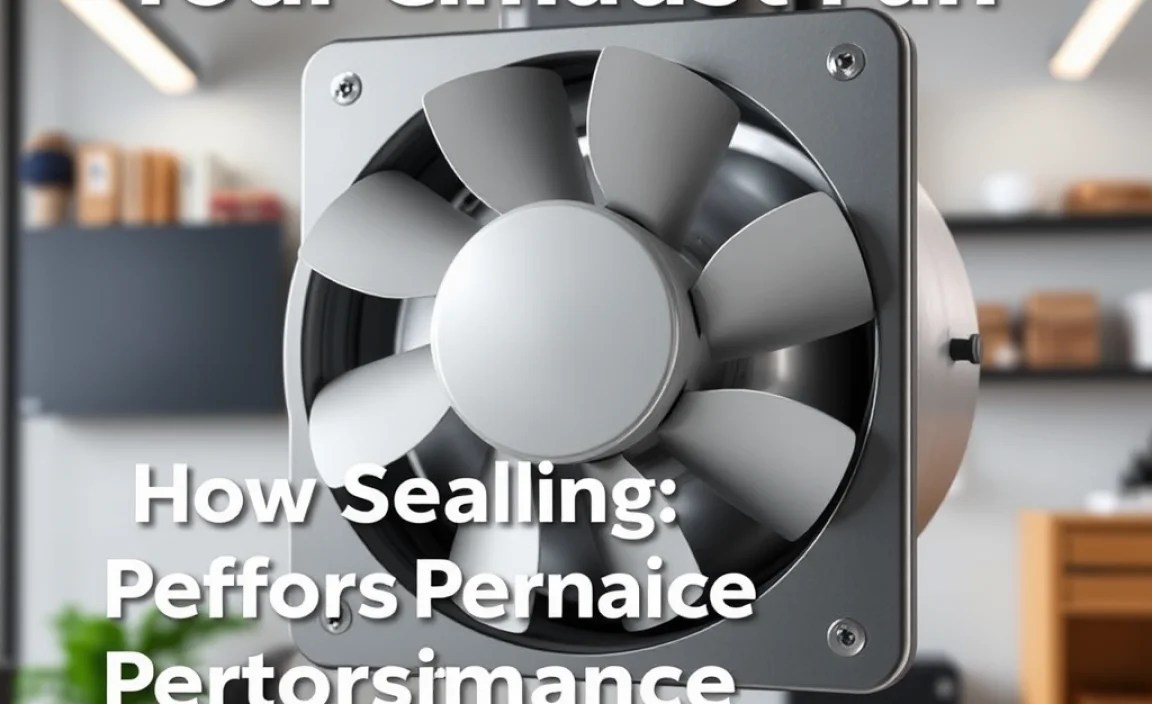
A well-sealed exhaust fan operates much more efficiently. When your home is properly airtight, your HVAC system doesn’t have to battle against uncontrolled air leakage. This means:
- Reduced Utility Bills: By preventing conditioned air (heated or cooled) from escaping and unconditioned air from entering, you’ll notice a positive impact on your energy consumption. The U.S. Department of Energy notes that air sealing is one of the most cost-effective ways to improve energy efficiency in homes.
- Improved Comfort: No more cold spots near the bathroom or kitchen ceiling! A sealed fan contributes to a more consistent and comfortable indoor temperature throughout your home.
- Better Indoor Air Quality: While exhaust fans remove pollutants, a proper seal ensures that only the intended air is exhausted and that unconditioned, potentially dusty attic air doesn’t infiltrate your living space when the fan is off.
- Longer HVAC Lifespan: When your heating and cooling systems don’t have to overwork due to air leaks, they can operate more smoothly and potentially last longer.
When to Call a Professional
While this DIY project is usually straightforward, there are a few situations where calling an HVAC professional or a home energy auditor might be a better choice:
- Electrical Concerns: If you are uncomfortable working with electrical systems or if you suspect wiring issues.
- Major Ductwork Problems: If you discover that your ductwork is disconnected, crushed, or extensively damaged.
- Persistent Drafts: If you’ve followed these steps and still experience significant drafts, there might be a more complex issue with your attic insulation or ventilation system that requires expert assessment.
- Limited Accessibility: If the exhaust fan is located in an extremely difficult-to-reach area.
- Uncertainty: If at any point you feel unsure or unqualified to perform a step, it’s always best to defer to a professional.
For instance, issues with attic ventilation can sometimes mimic or exacerbate the effects of an unsealed exhaust fan. A professional can accurately diagnose the root cause. Resources like Energy.gov’s Air Leaks page offer comprehensive information on identifying and sealing various air leaks in your home.
Conclusion: Enjoy a Tighter, More Comfortable Home
You’ve done it! By following these steps, you’ve successfully taken on the task of sealing your exhaust fan, creating a faster, more efficient, and more comfortable living space. No more sneaky drafts, no more wasted energy slipping away into the attic.
This simple DIY repair not only saves you money on your utility bills but also contributes to a more pleasant home environment year-round. It’s a small effort that delivers big rewards. Remember, tackling these kinds of home maintenance tasks with confidence can make a significant difference in your home’s overall performance and your own peace of mind. Enjoy the comfort of a well-sealed home!
Frequently Asked Questions (FAQs)
Q1: How much time does it typically take to seal an exhaust fan?
For most DIYers, sealing an exhaust fan takes about 30 to 60 minutes, depending on how easily you can access the fan and the extent of any existing gaps.
Q2: Can I use regular duct tape instead of aluminum foil tape?
No, it’s strongly recommended to use proper aluminum foil tape (HVAC tape). Regular duct tape loses its adhesive quality over time, especially when exposed to temperature fluctuations in attics or ceiling spaces, and will eventually peel off, leaving gaps.
Q3: Do all exhaust fans need to be sealed?
While not every single fan is highly problematic, it’s good practice to check and seal them, especially older models or those where the housing might not have been seated perfectly during installation. It’s an easy way to prevent drafts and energy loss.
Q4: What’s the difference between sealing the fan housing and sealing the duct?
Sealing the fan housing addresses leaks between the unit itself and the ceiling/attic structure. Sealing the duct addresses leaks where the flexible or rigid ductwork connects to the fan’s exhaust collar. Both are important!
Q5: Is it messy to seal fan housing with spray foam?
Spray foam can be messy if not used carefully. It expands significantly and can stick to surfaces you don’t want it to. It’s best used for larger gaps, and you should wear old clothes and protect surrounding areas. Foam gasketing tape is a cleaner, less expanding option for most housing seals.
Q6: My fan cover is really hard to remove. What should I do?
If the cover is stuck, gently try to wiggle it while pulling down. Some older fans have small screws holding them in place; check carefully for these. Avoid forcing it excessively, as this could damage the grille or housing. If it’s extremely stubborn without obvious screws, consult the fan’s manual if you have it, or consider seeking professional help.
