
Quick Summary: Upgrading your shower doesn’t always mean a full remodel. Explore smart shower component swaps and clever alternatives to refresh your bathroom’s look and function affordably. From easy-install showerheads to creative storage hacks, discover proven ways to enhance your shower experience without major expense or effort.
Is your shower feeling a bit… tired? Maybe the water pressure isn’t what it used to be, or perhaps you’re just yearning for a fresh look without the headache of a full renovation. Many homeowners think upgrading means tearing out tiles and starting from scratch. But that’s not always the case! You can achieve a fantastic bathroom refresh with smart changes to your existing shower components or by exploring innovative alternatives.
This guide is here to demystify shower upgrades. We’ll break down what makes up your shower, look at common component issues, and dive into some proven, beginner-friendly hacks. You’ll gain the confidence to tackle simple improvements and make your shower a more enjoyable space. Let’s transform your daily routine!
Understanding Your Shower Components: The Basics
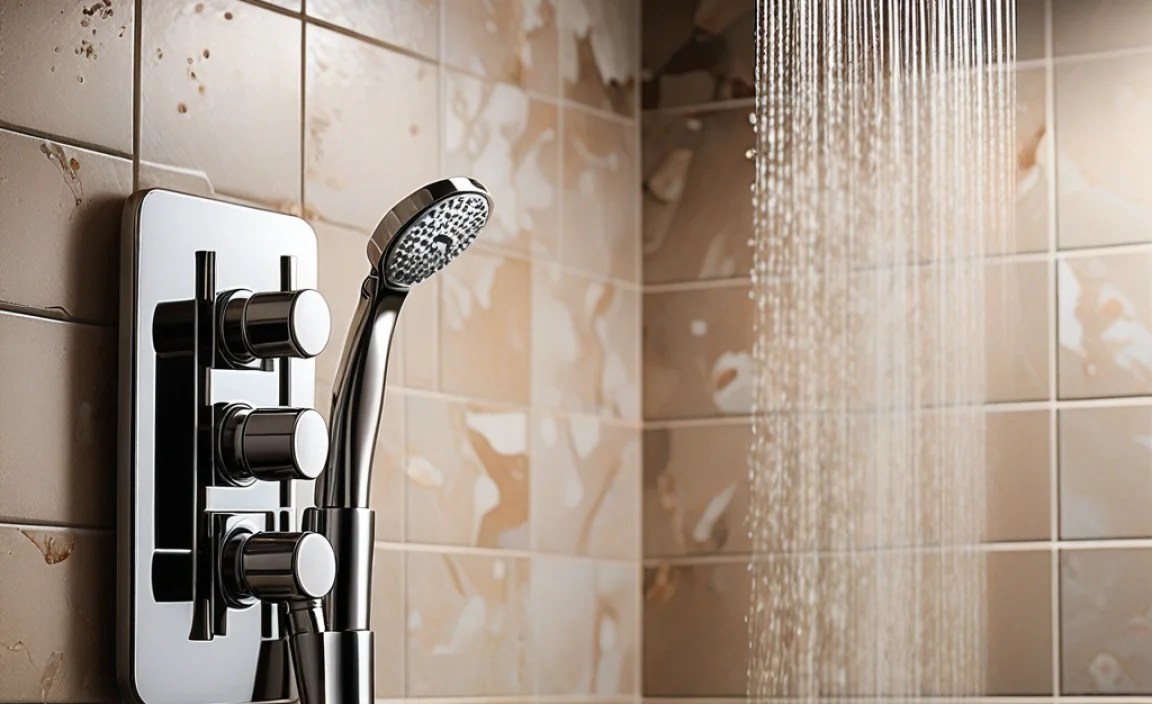
Before we dive into hacks and alternatives, it’s helpful to know what makes a shower tick. Think of these as the building blocks of your showering experience.
The Showerhead: Your Water’s Grand Entrance
This is what most people immediately think of for an upgrade. Its main job is to distribute water evenly and create a pleasant spray pattern. They come in many styles:
- Fixed Showerheads: Mounted directly to the shower arm, these are the most common type.
- Handheld Showerheads: These are attached to a hose, offering more flexibility for rinsing, cleaning, or assisting those with mobility challenges.
- Rainfall Showerheads: Larger in diameter, they mimic the sensation of rain, providing a wide, gentle spray.
- Dual Showerheads: Combine the benefits of two types, often a fixed head and a handheld, for ultimate customization.
The Faucet and Handles: Controlling Your Flow
These control the water temperature and pressure. The handle(s) operate the valve inside the wall, which mixes hot and cold water. You might have:
- Single-handle faucets: One lever to control both temperature and flow.
- Two-handle faucets: Separate handles for hot and cold water.
- Thermostatic valves: These are more advanced and maintain a set temperature, preventing scalding or sudden cold shocks.
The Shower Valve: The Unsung Hero
Hidden behind your wall, this is the brain of your shower. It’s responsible for turning water on/off and mixing hot and cold water to your desired temperature. While not a component you typically “see” or “change” for aesthetic reasons, a faulty valve can cause leaks or temperature control issues.
The Shower Arm and Flange: The Support System
The shower arm is the pipe that extends from the wall to the showerhead. The flange is the decorative cover that sits against the wall, hiding the hole where the pipe enters.
Drains and Drain Covers: Keeping Water Moving
Essential for preventing puddles, the drain allows water to exit the shower. The drain cover is the visible grate that sits on top. These can range from simple plastic circles to elaborate decorative metal designs.
Common Shower Component Issues & Beginner-Friendly Hacks
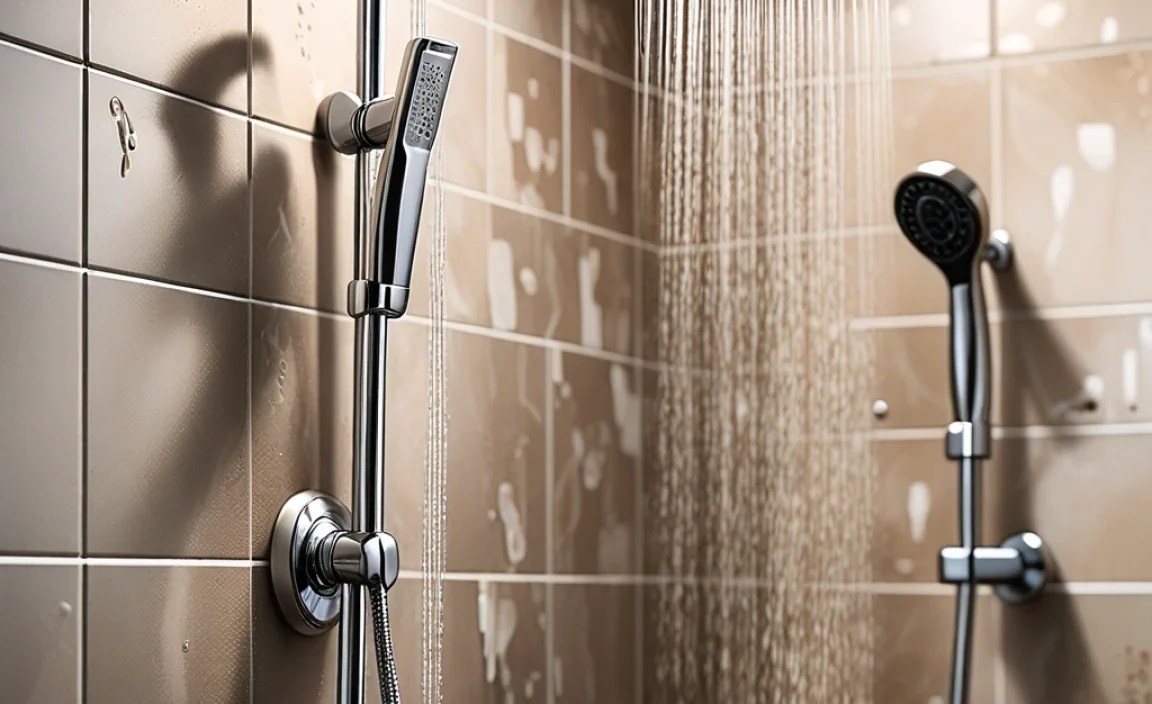
Let’s face it, shower components can get worn out, clogged, or simply become outdated. Instead of costly replacements, often a simple fix or a clever swap can make a big difference. Here are some common problems and how to solve them.
Problem 1: Weak Water Pressure
This is a common and frustrating issue! It can be caused by a few things:
- Clogged Showerhead: Mineral deposits (limescale) are the usual culprits.
- Flow Restrictor: Many modern showerheads have a built-in restrictor to save water.
- Issues with the Valve or Plumbing: This is less common for beginner fixes.
Hack: The Vinegar Soak for Your Showerhead
This is a classic DIY trick that costs pennies and is incredibly effective. It gently dissolves mineral buildup without harsh chemicals.
- Detatch the Showerhead: Use an adjustable wrench to unscrew the showerhead from the shower arm. You might want to wrap the wrench jaws with a cloth or tape to avoid scratching the finish.
- Prepare the Solution: Pour white vinegar into a plastic bag.
Soaking a showerhead in vinegar to remove mineral deposits. - Submerge and Wait: Submerge the showerhead’s face in the vinegar. If you can’t remove the showerhead, fill the bag and secure it around the showerhead with a rubber band or twist tie. Let it soak for at least 1-2 hours, or overnight for tough clogs.
- Scrub and Reattach: After soaking, use an old toothbrush or a small brush to scrub away any remaining debris. Rinse thoroughly with water. Reattach the showerhead to the shower arm.
- Flush Your System: Turn on the hot water for a minute to flush any loosened debris from the shower arm and valve.
Why this works: Vinegar is acidic, and this mild acid is excellent at breaking down the calcium and magnesium deposits that cause clogs. For more detailed information on water quality and its effects, you can check resources from the U.S. Environmental Protection Agency on water hardness.
Hack: Removing the Flow Restrictor (Use with Caution!)
Many showerheads have a small plastic or rubber insert that limits water flow. Removing it can significantly increase pressure. Note: In some regions, this is illegal due to water conservation laws. Check your local regulations before proceeding.
- Inspect Your Showerhead: After removing the showerhead (as in the vinegar soak steps), look inside where the water comes in. You’ll often see a small disc or screen.
- Pry it Out: A small flathead screwdriver or a toothpick can often gently pry out the flow restrictor. Be careful not to damage the showerhead housing.
- Reassemble: Reattach the showerhead.
Problem 2: Dated or Dingy Shower Fixtures
Chrome can become dull, brass can tarnish, and finishes can get scratched. Replacing fixtures can be expensive, but there are ways to refresh their appearance or swap them out more affordably.
Hack: The Shower J-Arm Swivel Adapter
If you have a fixed showerhead but wish you had more flexibility, this is a brilliant, low-cost hack. A shower J-arm, also known as an extension arm or swivel arm, screws onto your existing shower arm and provides an extra bend and often a ball joint for your showerhead.
- Benefits:
- Adds flexibility without replacing the entire shower plumbing.
- Much cheaper than upgrading to a full handheld shower system.
- Relatively easy DIY installation.
- Can help angle a large rainfall showerhead away from the wall, or bring a standard showerhead closer.
Installation (Simple!):
- Unscrew your current showerhead from the shower arm.
- Screw the J-arm onto the existing shower arm. Use plumber’s tape (PTFE tape) on the threads for a watertight seal. The tape wraps around the threads clockwise about 3-4 times.
- Screw your showerhead onto the end of the J-arm. Again, use plumber’s tape.
- Turn on the water to test for leaks.
Hack: A Fresh Coat of Paint (for certain components)
While you can’t paint the part that water flows through directly, some external decorative parts can be refreshed. For instance, if you have an older, tarnished metal escutcheon plate (the decorative plate around the shower handle or valve stem), sometimes a high-performance metal paint can give it a new lease on life.
- Use Specialized Paint: Look for paints specifically designed for metal and high-moisture environments. High-heat spray paints used for grills or engines can sometimes work, but always test in an inconspicuous area first.
- Preparation is Key: Clean the surface thoroughly, remove any loose paint or corrosion, and lightly sand for adhesion. Follow the paint manufacturer’s instructions carefully.
Caution: This is more of a cosmetic fix and may not be as durable as factory finishes. For highly used parts or areas consistently in contact with water, this might not be the best long-term solution. For valve trim, often replacement is a more reliable option.
Problem 3: Lack of Storage
Shampoo bottles, soap, conditioner – they all need a place to live. Relying on the tub ledge or balancing bottles precariously isn’t ideal.
Hack: Tension Rod Shower Caddy
These are incredibly versatile and require no drilling. A tension rod is placed horizontally in your shower (or bathtub alcove) and expanded to fit snugly. You can then hang shower caddies, loofahs, or even plants from it. Many shower caddies are designed to hang directly from the showerhead arm, but a tension rod offers more placement options and can support heavier loads.
Hack: Adhesive Shower Shelves & Organizers
Many modern organizers use strong adhesive strips (often 3M VHB tape) that stick directly to your tile or shower wall. These are a fantastic alternative to drilling, which can compromise waterproofing and lead to leaks.
- Benefits:
- No drilling required.
- Strong hold if installed correctly.
- Available in various sizes and configurations (single shelves, corner units, multi-tier baskets).
- Easy to wipe clean.
Installation Tips for Adhesive Organizers:
- Clean Thoroughly: Ensure tiles are free of soap scum, residue, and moisture. Use rubbing alcohol for the best clean.
- Dry Completely: Let the area air dry or wipe with a lint-free cloth.
- Position and Press: Peel off the backing and firmly press the organizer onto the wall for at least 30 seconds.
- Wait Before Loading: Most manufacturers recommend waiting 24-72 hours before placing items on the shelf to allow the adhesive to fully cure.
Hack: Repurposed Items
Get creative! A sturdy, decorative basket that’s designed for kitchens or bathrooms can be hung with heavy-duty S-hooks from your shower rod or a wall-mounted hook (if you have one). Just ensure it’s rust-resistant.
Shower Components vs. Alternatives: The Cost & Effort Factor

When deciding what route to take, always consider your budget and how much effort you’re willing to put in. Here’s a quick comparison:
| Option | Typical Cost | DIY Skill Level | Time Investment | Impact Score (Visual/Functional) |
|---|---|---|---|---|
| Showerhead Upgrade | $20 – $200+ | Beginner | 15-30 minutes | High |
| Vinegar Soak (Cleaning) | $2 – $5 (for vinegar) | Beginner | 1-2 minutes prep, 1-12 hours soak | Medium (restores function) |
| Flow Restrictor Removal | Free | Beginner | 5-10 minutes | High (increases flow) |
| J-Arm Adapter | $15 – $50 | Beginner | 10-20 minutes | Medium (adds function) |
| Adhesive Shelving/Caddies | $15 – $75 per unit | Beginner | 5-15 minutes per unit | Medium (adds storage/organization) |
| Tension Rod Caddy | $25 – $80 | Beginner | 5-10 minutes | Medium (adds storage/organization) |
| Replacing Shower Valve (Trim/Cartridge) | $50 – $300+ (for trim kit) | Intermediate (requires some plumbing knowledge, turning off water supply) | 1-3 hours | High (especially if old and leaky) |
| Full Shower Remodel | $2,000 – $10,000+ | Professional Recommended | Several days to weeks | Very High |
As you can see, many of the “hack” options fall into the low-cost, low-effort category with surprisingly high impact, especially for improving user experience and appearance. For more in-depth plumbing guidance, consulting resources like those from the This Old House plumbing section can be very helpful for understanding more complex aspects.
Advanced Alternatives & Upgrade Ideas

Once you’ve mastered the basics, you might want to explore slightly more involved upgrades that still fall short of a full remodel.
The High-Pressure Showerhead Upgrade
If the vinegar soak and flow restrictor removal didn’t quite do the trick, it might be time for a new showerhead. Modern designs focus on maximizing the feel of pressure even at lower GPM (gallons per minute) flow rates. Look for features like:
- Multiple Spray Settings: Including massage, mist, and powerful jet options.
- Air Injection Technology: Mixes air with water droplets, making them feel larger and more impactful without using more water.
- Anti-Clog Nozzles: Often made of silicone, these are easy to wipe clean.
Research brands known for good performance, and read reviews. A good showerhead can genuinely transform your shower experience. For an example of what to look for in terms of plumbing standards and water efficiency ratings, the Faucets Direct guide on shower valve types can offer insight into component quality.
The ‘Shower Panel’ Alternative
A shower panel system is a more integrated unit that typically mounts over your existing shower valve. These often include multiple shower heads (like a rain head and body jets) and a handheld sprayer, all controlled by a single valve on the panel. Some even feature digital temperature displays.
- Pros:
- High luxury feel and appearance.
- Can offer features like body jets not possible with a standard setup.
- Often simpler to install than replacing in-wall plumbing.
- Cons:
- More expensive than a single showerhead upgrade.
- Requires careful alignment and mounting.
- Still relies on your existing shower valve for basic function unless the panel replaces it entirely.
Installation usually involves removing your old shower arm and flange, mounting the panel with screws, and connecting your existing shower valve to the panel’s inlets. This may require some basic drilling.
Consider a New Shower Curtain or Door
This is a purely aesthetic upgrade but can have a huge impact on the perceived cleanliness and style of your bathroom. A stained, ripped, or outdated shower curtain can drag down the whole look.
- Curtains: Opt for PEVA or fabric curtains. They are easy to wash and come in countless designs. Using a liner (often clear plastic) can protect your decorative curtain and prevent mold.
- Doors: While a sliding or hinged glass shower door is a more significant investment, it instantly updates the look and feel of a bathroom, making it seem larger and more modern. If you’re not ready for a full door installation, consider a sleek, frameless glass panel if your shower design allows.
Safety First: What to Watch Out For
When working on any part of your shower, safety is paramount. Here are a few key points:
