
Quick Summary: Achieve a stunning bathroom by focusing on essential shower details like proper waterproofing, selecting the right showerhead, stylish fixtures, and thoughtful storage. Mastering these elements transforms your shower into a relaxing oasis, enhancing both function and aesthetics for everyday enjoyment.
Your shower is more than just a place to get clean; it’s a personal spa, a morning wake-up call, or a wind-down sanctuary. But sometimes, those little details can make or break the whole experience. Are you tired of cramped spaces, water spots, or a shower that just doesn’t feel right? You’re not alone! Many of us overlook the finer points when thinking about our bathrooms, but those subtle touches are what truly elevate a functional space into a stunning retreat. Don’t worry; with a few smart tips, you can transform your shower area. We’ll walk through each crucial detail, making it easy to understand and even easier to implement. Get ready to discover how small changes can make a huge impact on your bathroom’s style and your daily life.
Why Shower Details Matter So Much

Think about your favorite hotel bathroom or a friend’s beautifully renovated space. What stands out? Often, it’s not just the big, expensive tiles, but the thoughtful choices in the shower itself. These “details” are the elements that speak to comfort, style, and smart design. They handle water, they make things easy to use, and they look good. When these details are done well, your shower feels luxurious and works perfectly. When they’re overlooked, you might deal with leaks, poor water flow, or a look that feels a bit… unfinished. Getting these right is key to a bathroom you’ll love spending time in.
The Foundation: Waterproofing and Sealing

Before we even think about style, let’s talk about the most critical part of any shower: keeping water exactly where it belongs. Proper waterproofing isn’t just about preventing a leaky mess; it’s about protecting your home’s structure from long-term damage. This is the unsung hero of a functional bathroom.
Understanding Shower Waterproofing Basics
Imagine your shower walls and floor as a bathtub. We need to create a barrier to prevent water from seeping behind the tiles and into your walls. This usually involves a system of membranes and sealants. This is a job where getting it right from the start saves a lot of headaches (and money) down the line. For a deeper dive into building codes and best practices, resources like the Building Codes Assistance Center (now part of the National Association of Home Builders) offer valuable, though sometimes technical, insights into construction standards.
Common Waterproofing Materials and Methods
- Liquid Waterproofing Membranes: These are applied like paint and dry into a seamless, flexible waterproof layer. They are great for corners and areas where seams might be a weak point.
- Sheet Membranes: These are large sheets of waterproof material (like rubber or specialized plastics) that are carefully laid and sealed together. They’re often used for larger areas or as a backup in critical spots.
- Cement Board: While not a waterproofing material itself, cement board is frequently used as a stable substrate for tiles in wet areas. It’s resistant to moisture damage but still needs a waterproofing layer applied over it.
Tips for a Watertight Shower
- Seal All Joints: Pay extra attention to where walls meet floors, walls meet walls, and around fixtures like drains and shower valves. These are the most common spots for leaks.
- Proper Overlap: If using sheet membranes, ensure enough overlap between pieces and at edges.
- Test Before Tiling: After your waterproofing is applied and cured, perform a flood test. Seal the drain and fill the shower base with a few inches of water. Let it sit for at least 24 hours to check for any drop in water level, which would indicate a leak.
- Use Manufacturer’s Instructions: Always follow the specific guidelines provided by the waterproofing product manufacturer.
Shower Fixtures: Function Meets Style
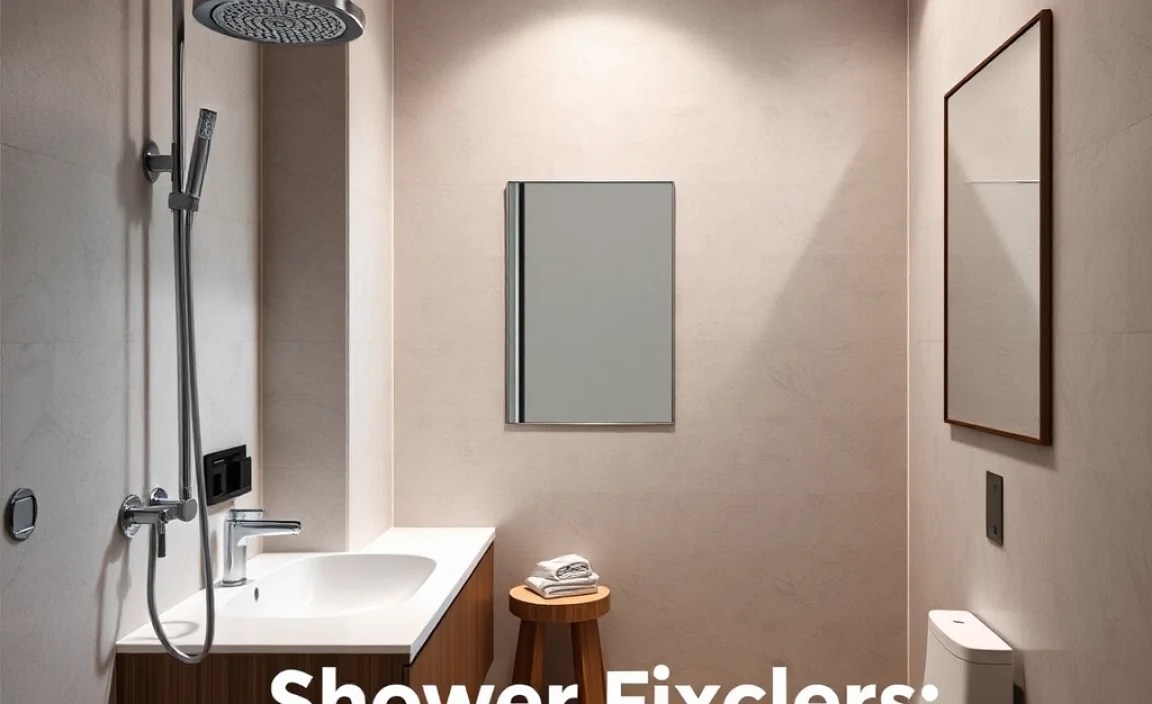
Once the foundation is solid, we can focus on the elements you interact with daily. The shower fixtures—the showerhead, faucet, and handles—are where performance and aesthetics really come together. Choosing the right ones can completely change your shower experience.
Choosing the Right Showerhead
This is arguably the most significant detail for shower enjoyment. The type of showerhead can dictate everything from water pressure to the massage effect. Here’s a look at popular options:
| Showerhead Type | Description | Pros | Cons |
|---|---|---|---|
| Standard Showerhead | The most common type, usually mounted on a fixed arm. | Affordable, easy to install, wide variety of spray patterns available. | Limited adjustability, can feel basic. |
| Fixed Rain Showerhead | A large, flat, ceiling-mounted or wall-mounted head that mimics rainfall. | Luxurious, wide coverage, relaxing experience. | Requires higher water pressure for optimal performance, can be more complex to install (especially ceiling-mounted). |
| Handheld Showerhead | A flexible hose connected to a movable spray head. | Great for rinsing, cleaning the shower, and for those with mobility issues. Highly versatile. | Can be more prone to kinks in the hose, requires a diverter valve to switch from tub spout (if applicable). |
| Adjustable Showerhead | Can be swiveled or angled to direct water flow. | Offers more control over water direction. | Variations exist; some are basic, others are sophisticated with multiple settings. |
| Body Jets/Spa Systems | Multiple smaller showerheads installed in the walls for a full-body spray. | Ultimate spa-like experience. | Can be expensive, requires complex plumbing, may use more water, needs strong water pressure. |
Shower Faucets and Handles
The faucet and handles control the water temperature and flow. There are several types to consider:
- Single-Handle Faucets: A single lever controls both temperature and flow. They are simple to use and very popular for their ease.
- Two-Handle Faucets: Separate handles for hot and cold water. This offers more precise temperature control but requires two hands to adjust.
- Thermostatic Valve: This is a more advanced option that maintains a set water temperature, preventing scalding or sudden cold shocks. They are highly recommended for safety and comfort.
Material and Finish Matters
The materials and finishes of your fixtures impact durability and style. Common options include:
- Polished Chrome: Durable, easy to clean, and reflects light well, making a bathroom feel brighter.
- Brushed Nickel/Stainless Steel: Offers a softer, matte look that hides water spots and fingerprints better than chrome.
- Oil-Rubbed Bronze: Provides a classic, vintage feel with a darker, warmer tone.
- Matte Black: A modern, bold choice that makes a statement.
When choosing finishes, consider coordinating with other bathroom hardware like towel bars and faucets for a cohesive look. For guidance on selecting durable finishes, check out resources from reputable plumbing supply manufacturers or home improvement experts.
Shower Doors and Curtains: The Finishing Touch

These elements not only keep water inside the shower but also contribute significantly to the overall aesthetic of your bathroom. Each has its own advantages.
Framed vs. Frameless Shower Doors
Framed Shower Doors: Feature metal frames (often aluminum) around the glass panels. They are typically more affordable and can add structural integrity. However, the frames can sometimes trap soap scum and grime, requiring more diligent cleaning.
Frameless Shower Doors: Use thicker glass and minimal hardware, giving a sleek, modern, and open feel. They offer a more luxurious look and are generally easier to clean because there are fewer nooks for dirt to hide. They are usually more expensive and may have specific installation requirements.
Types of Shower Doors
- Sliding Doors: A practical choice for standard shower stalls, allowing easy entry without taking up too much floor space.
- Swinging Doors: Offer a wider opening and a more traditional look. They require enough clear floor space in front of the shower to swing open.
- Pivot Doors: Similar to swinging doors but pivot from a point near the edge of the glass, offering a different aesthetic and placement flexibility.
Shower Curtains: A Flexible Choice
If doors aren’t for you, shower curtains are a versatile and budget-friendly option.
- Materials: Common materials include fabric (which can be machine-washed) and vinyl or PEVA (water-resistant and easy to wipe clean).
- Liners: Always use a waterproof liner with fabric curtains to protect them and prevent mildew.
- Style: Curtains offer endless possibilities for adding color, pattern, and texture to your bathroom.
- Hardware: Don’t forget the rod and rings! Choose a sturdy rod, and consider decorative rings that glide smoothly.
Shower Enclosure Details: Making the Most of Your Space

Beyond doors and curtains, the structure of your shower enclosure itself plays a big role in its functionality and feel.
Shower Bases vs. Tiled Floors
Shower Bases: These are pre-fabricated units made from materials like acrylic, fiberglass, or solid surface. They are easy to install, often offer built-in waterproofing, and can be a cost-effective solution. They come in various shapes and sizes to fit standard doorways. For more information on common building materials, the Building Science Corporation provides in-depth research on material performance and application.
Tiled Floors: A tiled shower floor offers a custom look and can extend the aesthetic of your bathroom seamlessly into the shower. However, it requires meticulous waterproofing underneath and careful installation of drains and sloped floors to ensure proper drainage and prevent water pooling. Professional installation is often recommended for tiled shower floors to ensure longevity and prevent issues.
Niches and Shelving: Integrated Storage
Built-in niches (recessed shelves) or integrated shelving systems are fantastic for keeping shampoo bottles, soaps, and other shower essentials organized and off the shower floor. They:
- Maximize Space: Recessed designs don’t intrude into the shower area.
- Prevent Clutter: Keep items neatly stored and out of the way.
- Enhance Aesthetics: Can be tiled to match or contrast with your shower walls for a designer look.
Consider the height and depth needed for your common shower products when planning for a niche.
Drainage: The Unsung System
A properly functioning drain is crucial. It might not be glamorous, but a clogged or poorly installed drain can lead to standing water, mold, and damage.
Types of Shower Drains
- Center Drains: The most common type, placed in the middle of the shower floor.
- Linear Drains: Long, narrow drains typically placed along one wall. They are excellent for modern designs, can allow for a more subtle slope of the floor, and are often easier to clean.
Maintenance Tips for Drains
- Use a Drain Cover: Many drains have removable covers that act as strainers, catching hair and debris before it clogs the pipe. Clean these regularly.
- Regular Cleaning: Periodically flush your shower drain with hot water and a natural cleaner like baking soda and vinegar to prevent buildup.
- Avoid Harsh Chemicals: Unless absolutely necessary, avoid harsh chemical drain cleaners, which can damage pipes and are bad for the environment.
Lighting and Ventilation: Enhancing the Atmosphere and Health
These details often get overlooked but are vital for a pleasant and healthy shower experience.
Shower Lighting
Bathroom lighting can set the mood. Consider:
- Ambient Lighting: General overhead lighting for the entire bathroom.
- Task Lighting: Focused light near the mirror or inside the shower if you have a separate shower light. Waterproof, IC-rated (Insulated Contact) recessed lights are essential for shower safety. Ensure they are rated for damp or wet locations.
- Accent Lighting: Consider LED strip lighting under benches or behind frosted glass for a spa-like feel. Always use low-voltage, waterproof fixtures in direct shower areas.
Ventilation is Key
Good ventilation is non-negotiable. It prevents moisture buildup, which can lead to mold, mildew, and peeling paint. A properly functioning exhaust fan is usually vented to the outside of your home.
- Fan Power: Ensure your fan is powerful enough for your bathroom size (measured in Sones and CFM – Cubic Feet per Minute). A common recommendation is 1 CFM per square foot of bathroom. For more on fan specifications, consult manufacturer guides.
- Run Time: Always run the fan during and for at least 20-30 minutes after your shower to effectively remove all excess moisture.
- Maintenance: Clean fan grilles periodically to ensure optimal airflow.
Thoughtful Touches: The Little Things That Count
These are the details that elevate your shower from functional to truly luxurious.
Shower Seating
A built-in bench or a fold-down seat can add a touch of luxury and is incredibly practical for relaxation or for those who have difficulty standing for extended periods. Ensure it’s constructed from waterproof, durable materials.
Accessorizing with Hooks and Bars
Strategic placement of towel bars, hooks, and even a robe hook can make a big difference in organization and ease of use. Ensure they are securely mounted into wall studs for maximum strength.
The Importance of Grout and Caulking
Don’t underestimate the power of fresh grout and caulk! Over time, old, stained, or cracked grout and caulk can make even the most beautiful tile job look dingy and can be entry points for moisture. Re-caulking and re-grouting are relatively simple DIY tasks that can refresh your shower’s look and maintain its integrity.
Grout: Choose grout that is stain-resistant and, if possible, sealed.
- Types: Unsanded grout is for narrow joints (less than 1/8 inch), while sanded grout is for wider joints. Epoxy grout is highly durable and stain-resistant but harder to work with.
- Sealing: Grout should be sealed regularly to protect it from stains and moisture.
Caulk: Use a mold-resistant, silicone-based caulk for areas that will be in direct contact with water, such as the joint between the tub/shower base and the wall, and around shower doors. It creates a flexible, watertight seal.
Frequently Asked Questions About Shower Details
Q1: What are the most important shower details for long-term durability?
A1: For durability, focus on robust waterproofing, quality sealant application, proper drainage, and sturdy fixture installation. These prevent water damage and ensure your shower functions reliably for years.
Q2: How much does upgrading shower details typically cost?
A2: Costs vary widely. A new showerhead might range from $20 to $200+. A new shower door can be $200-$1,000+. Upgrading fixtures and adding a niche can add $100-$500+ to a remodel. Professional installation will add to the cost.
Q3: Can I DIY most of these shower detail upgrades?
A3: Many details, like changing a showerhead, replacing a shower curtain, or re-caulking, are excellent DIY projects. However, tasks involving plumbing, waterproofing membranes, or new shower door installation are best left to professionals if you’re not experienced.
Q4: What are common mistakes to avoid when choosing shower fixtures?
A4: Common mistakes include not checking water pressure compatibility for high-flow showerheads, choosing finishes that are hard to maintain, and not ensuring faucets are compatible with your existing plumbing or shower valve.
Q5: How do I clean and maintain my shower door to keep it looking new?
A5: For glass doors, daily squeegeeing after use helps prevent hard water spots. Regular cleaning with a mild bathroom cleaner or a vinegar-water solution and a soft cloth will maintain shine. For framed doors, pay extra attention to cleaning the tracks and frames.
Q6: Is it worth investing in a thermostatic shower valve?
A6: Yes, absolutely. Thermostatic valves are highly recommended for safety and comfort. They maintain a consistent water temperature, preventing sudden hot or cold bursts, which is especially important for children and the elderly.
