
Choosing between a shower and a bathtub involves understanding your space, needs, and lifestyle. Showers are ideal for quick, efficient cleansing and small bathrooms, offering various styles and water-saving options. Bathtubs provide a relaxing soak, perfect for unwinding and helping children bathe, though they require more space and water. This guide breaks down the pros, cons, and key considerations for making the right choice for your home.
Shower vs. Bathtub: Making the Right Choice for Your Bathroom


Deciding whether to install a shower or a bathtub can feel like a big bathroom renovation decision, but it doesn’t have to be complicated. Many homes come with one or the other, but when it’s time to update or build new, this choice comes up. You might love a long, hot bath after a stressful day, or perhaps you prefer a quick, invigorating shower to get you going in the morning. The good news is, we can walk through this together. We’ll break down just what makes a shower great and what a bathtub excels at, so you can feel confident in your decision. Let’s dive in and figure out which is the perfect fit for your bathroom!
Understanding the Basics: What Exactly Are We Comparing?
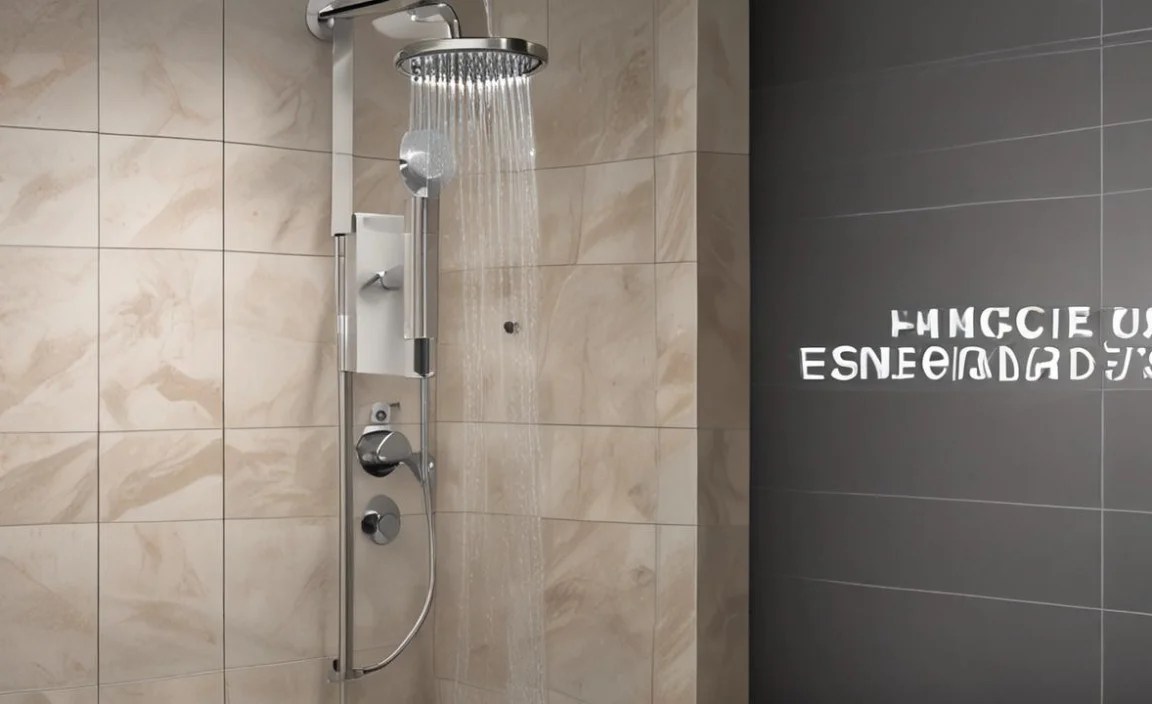
At its core, this comparison is about how we clean ourselves in the bathroom. A shower typically involves a vertical water stream that sprays from a showerhead, usually within a confined stall or enclosure. It’s designed for standing and rinsing. A bathtub, on the other hand, is a larger receptacle designed to hold enough water for a person to sit or recline in for a soak. They are usually plumbed for both filling and draining. While some modern tubs have built-in showerheads, the fundamental difference lies in their primary purpose: a quick wash versus a relaxing immersion.
Features to Consider When Choosing
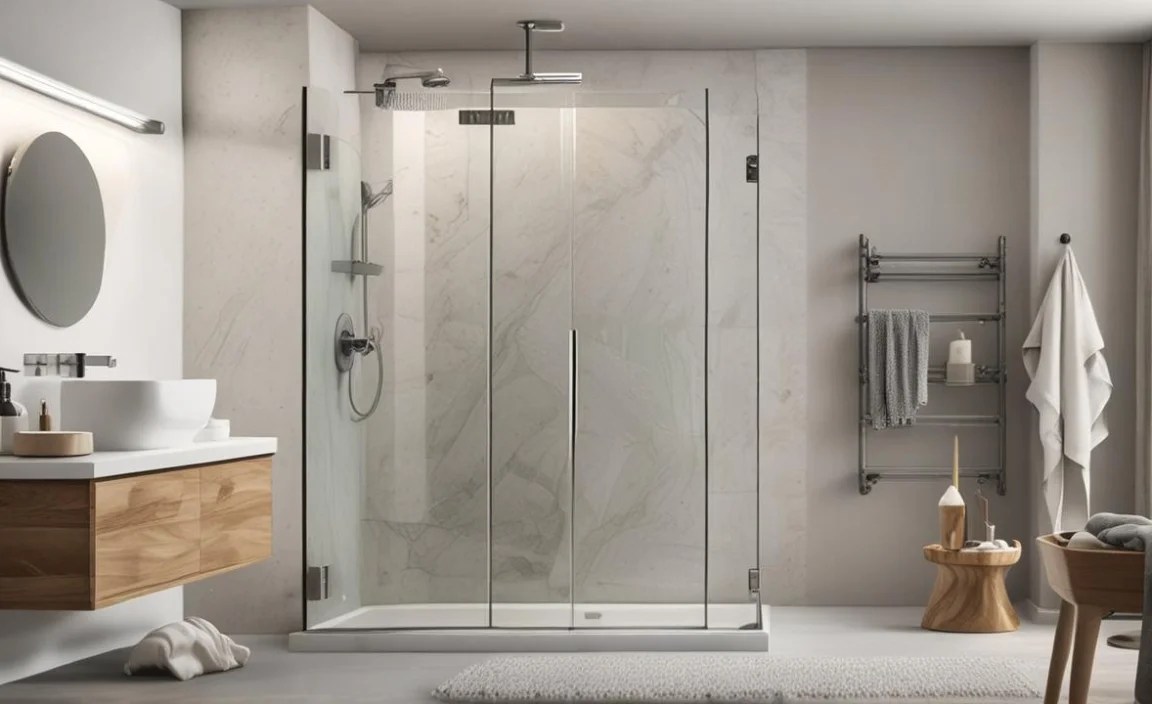
When you’re weighing shower vs. bathtub, several factors come into play. It’s more than just personal preference; it’s about practicality, space, and how you use your bathroom. Think about your daily routine, who uses the bathroom, and the overall feel you want for your space.
Space Requirements
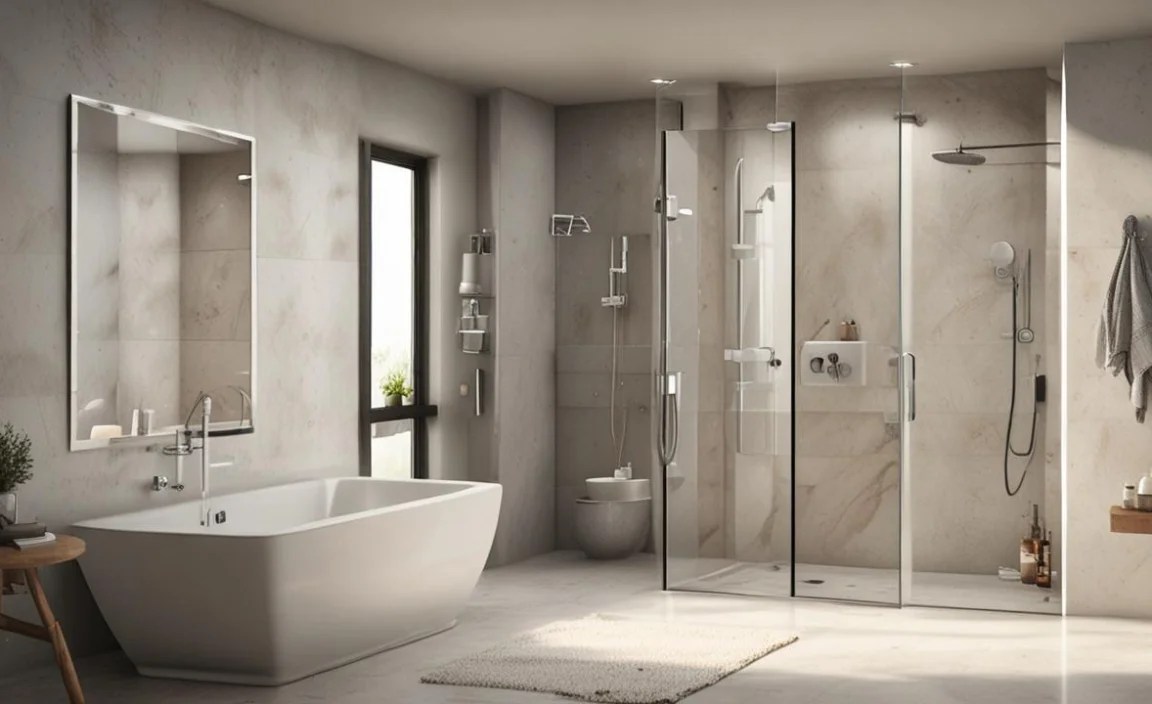
This is often the biggest deciding factor. Bathtubs are generally larger and require more floor space and vertical clearance. They typically need a dedicated alcove or a substantial portion of a bathroom. Showers, especially walk-in models or those with glass enclosures, can often be fitted into smaller footprints. Corner showers or those using a shower curtain can maximize efficiency in tight spots. For a clear picture, consider measuring your available space. A standard bathtub can be around 5 feet long and 30-32 inches wide, while a decent shower stall might be as small as 3×3 feet for a comfortable experience.
Water Usage and Efficiency
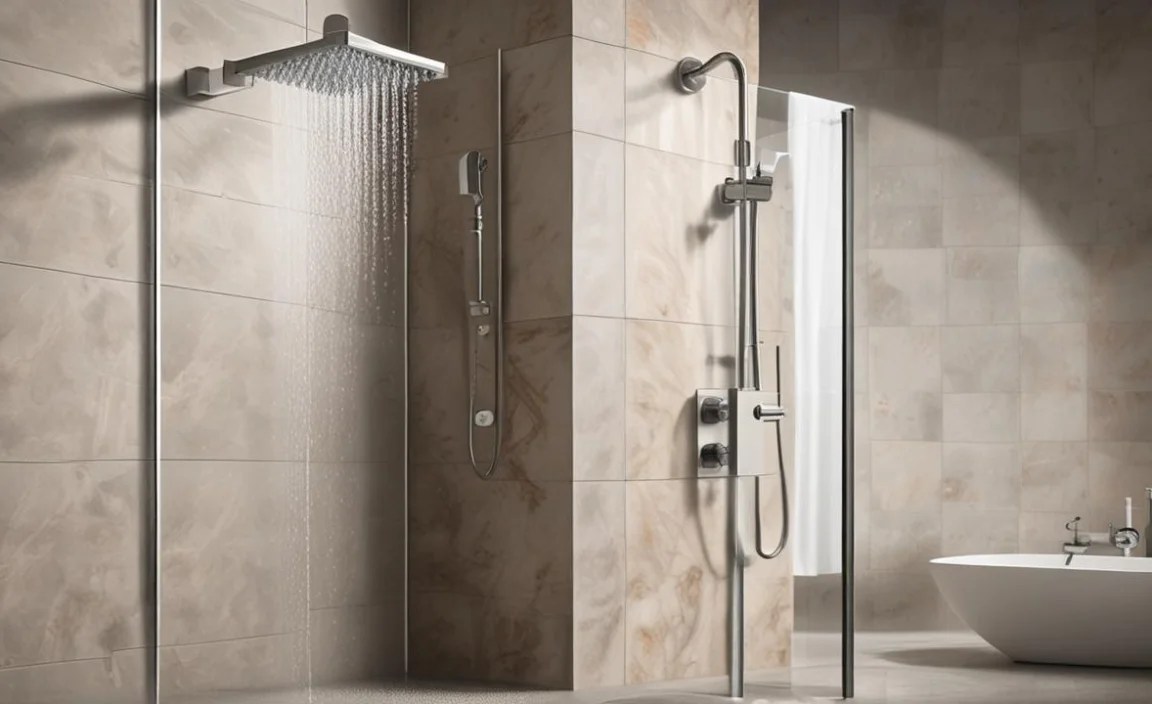
If you’re conscious of water consumption and utility bills, this is a key area. Showers, particularly those with low-flow showerheads, can be significantly more water-efficient than filling a bathtub. A typical shower might use 10-20 gallons of water, depending on the length and flow rate. Filling a standard bathtub, however, can use 30-50 gallons or more. The U.S. Environmental Protection Agency’s WaterSense program promotes water-efficient fixtures, including showerheads that use 2.0 gallons per minute or less, highlighting the potential for savings.
Time Efficiency
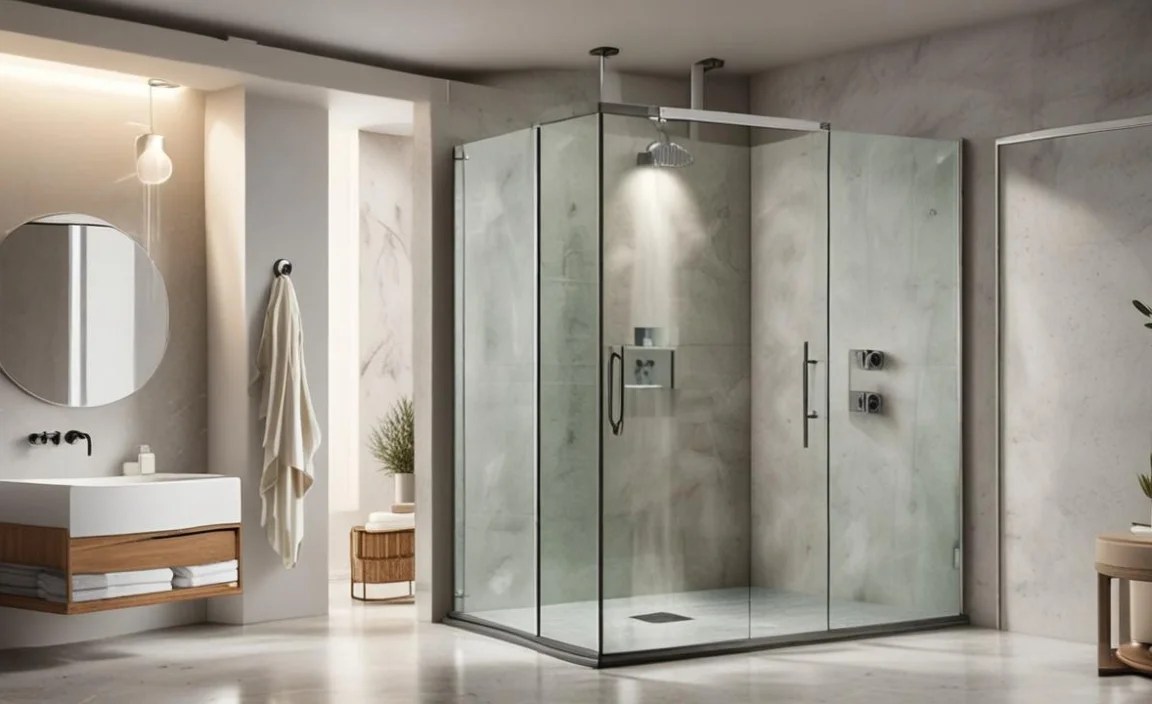
From a practical standpoint, showers win on speed. If your morning routine is a race against the clock, a quick shower is hard to beat. It takes a few minutes to get clean and rinse off. Baths, by nature, are a more time-consuming activity, intended for relaxation and unwinding, which can take 20-30 minutes or even longer, including the time it takes to fill the tub.
Relaxation and Health Benefits

This is where bathtubs really shine. The ability to soak in warm water is incredibly beneficial for relaxation, stress relief, and muscle soothing. Warm baths can help ease aches and pains, improve circulation, and promote better sleep. For children, baths are often a more practical and contained way to get them clean, and can even be a fun part of their routine. While a shower can be refreshing, it rarely offers the same deep-relaxation experience as a soak.
Accessibility and Safety
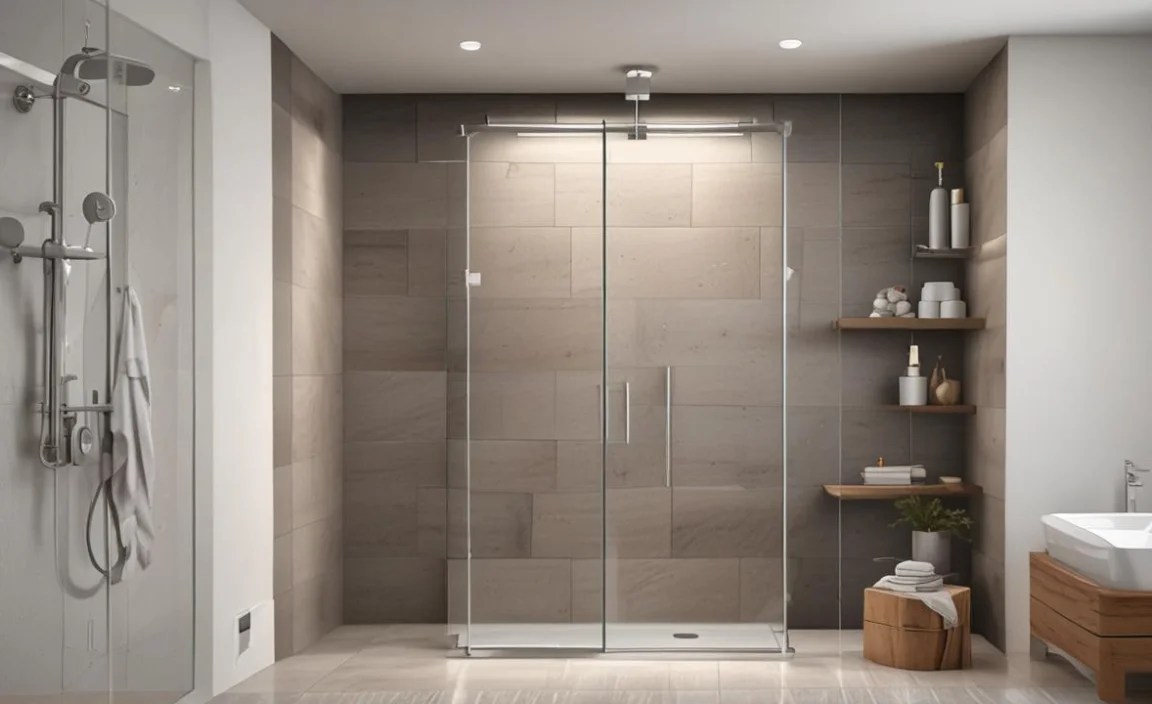
When considering who will use the bathroom, accessibility is crucial. For individuals with mobility issues, older adults, or those recovering from injury, a walk-in shower with grab bars and a shower seat can be a much safer and more accessible option than stepping into a slippery bathtub. Traditional bathtubs, especially those with high edges, can pose a falling risk. Modern walk-in tubs offer a compromise, providing the soaking experience with enhanced safety features, though they are typically more expensive and require significant space.
Installation and Cost
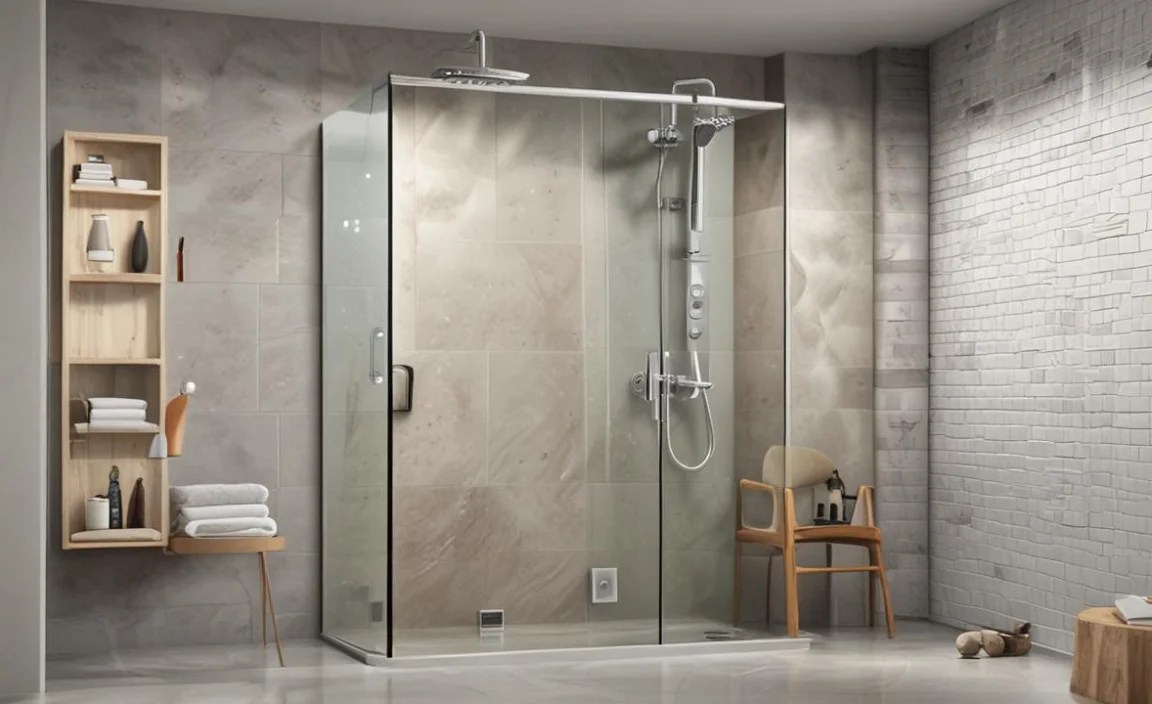
The cost and complexity of installation can vary greatly for both showers and bathtubs. A simple shower stall with basic plumbing might be less expensive than installing a new bathtub. However, elaborate custom shower enclosures with multiple showerheads, steam functions, and high-end tile work can easily surpass the cost of a standard bathtub. Conversely, freestanding tubs or those with complex jets can also be costly. It’s important to get detailed quotes for both options based on your specific design and existing plumbing infrastructure. The National Kitchen & Bath Association (NKBA) often provides insights into project costs.
Cleaning and Maintenance
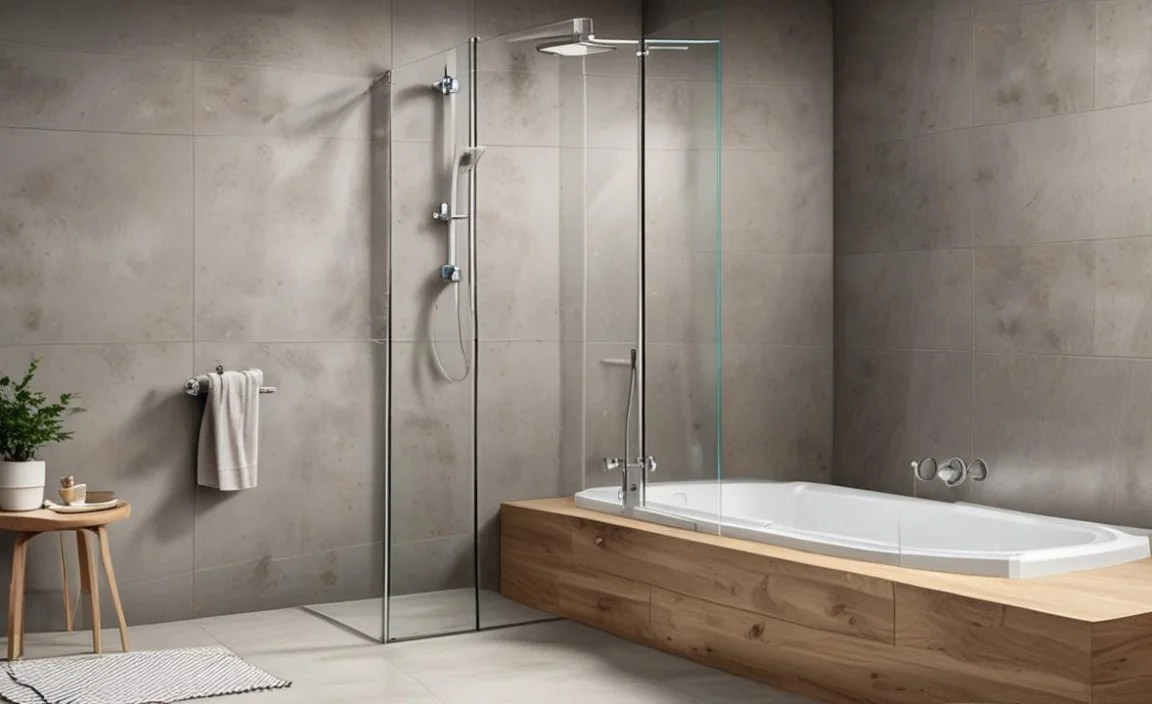
Both bathrooms require regular cleaning, but the effort differs. Shower stalls, especially with glass doors and curtains, can be prone to soap scum and mildew buildup, requiring frequent wiping and scrubbing. Drains can also become clogged with hair. Bathtubs might accumulate soap residue on the sides, and regular emptying and rinsing are necessary. However, many modern tubs and shower materials are designed for easier cleaning. For instance, non-porous acrylic or fiberglass surrounds are generally simpler to wipe down than tiled shower walls.
The Case for the Shower
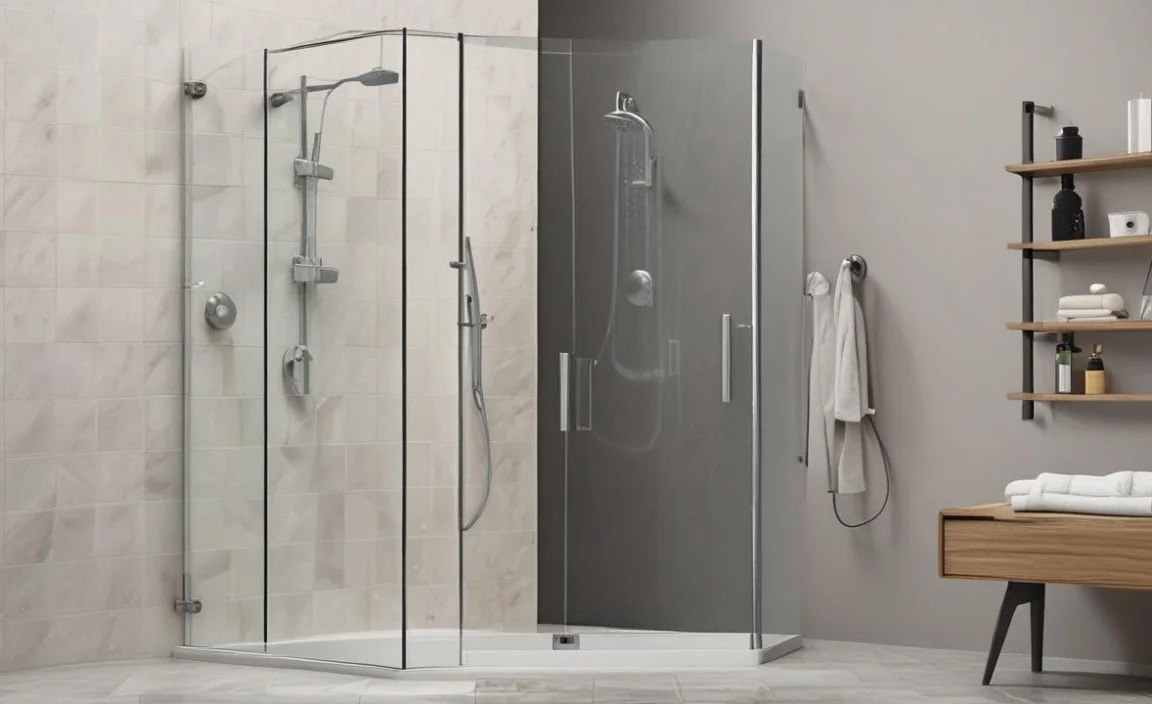
Showers are incredibly versatile and have become the preferred choice in many modern homes, especially for their efficiency and space-saving potential.
Types of Showers
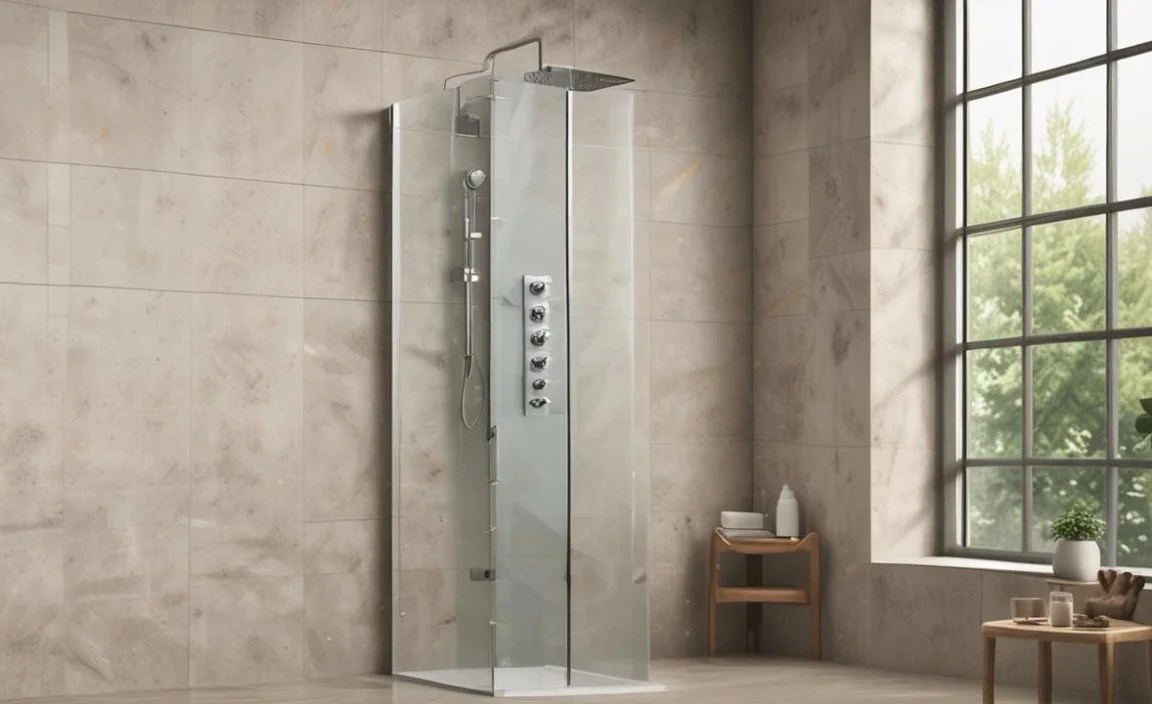
The world of showers extends far beyond a single showerhead and a curtain. Here are some popular options:
- Standard Shower Stall: This is the most common type, often featuring a pre-fabricated base and walls, or tiled walls and a waterproof base. They can be enclosed with a shower curtain or glass doors.
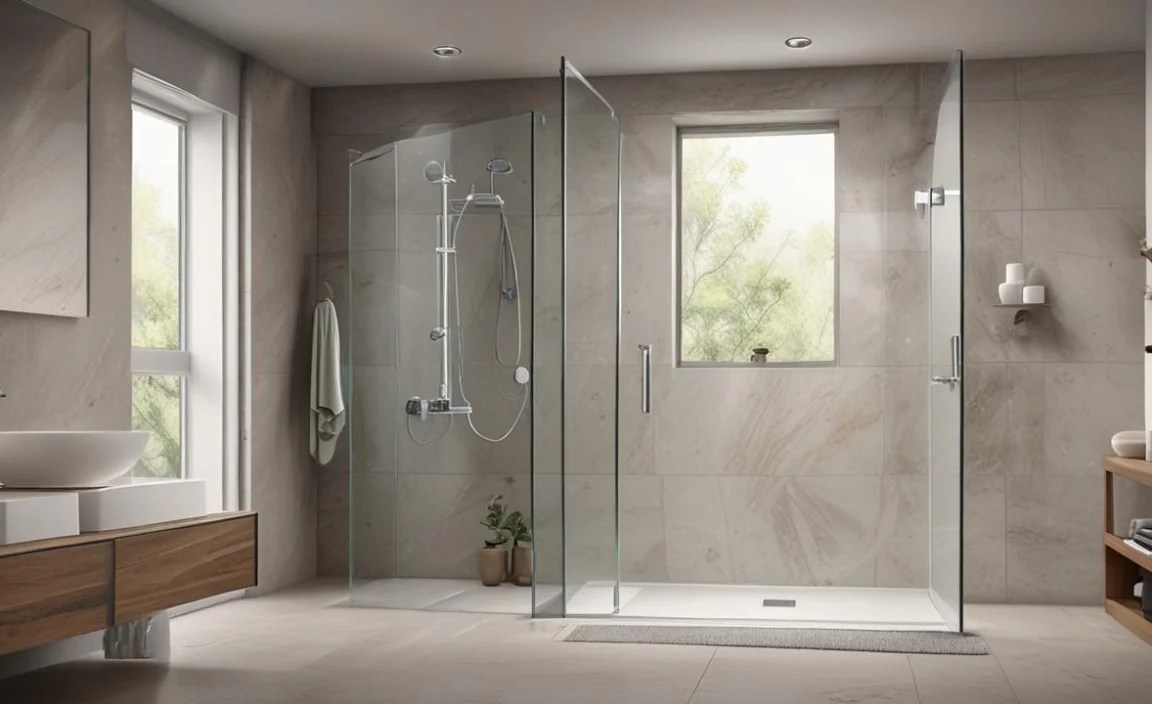
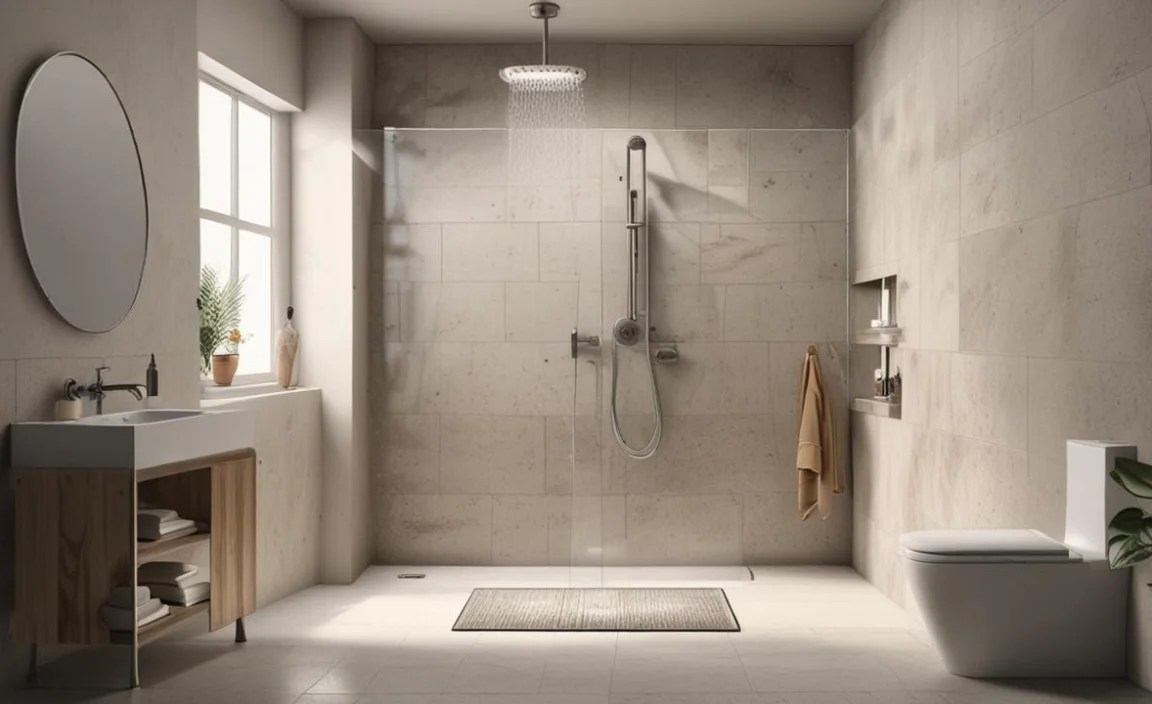
- Walk-in Shower: Designed for easy access, these typically have a curbless entry or a very low threshold. They are excellent for accessibility and can make smaller bathrooms feel more spacious.
- Shower Bathtub Combo: This is a very popular choice, especially in bathrooms where space is limited. It combines a standard bathtub with a showerhead mounted above it, offering the best of both worlds.
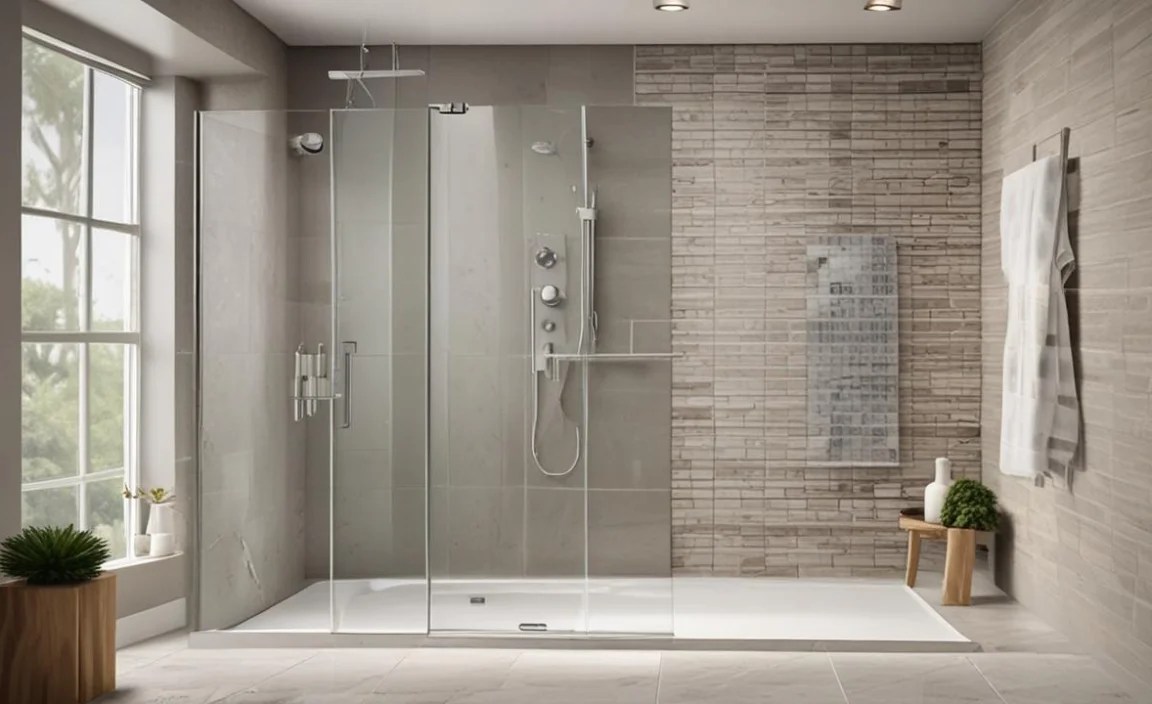
- Therapy or Steam Shower: These are more luxurious options that can include multiple showerheads, built-in benches, and steam generators for a spa-like experience at home.
Pros of Installing a Shower
- Time-Saving: Perfect for busy mornings and efficient routines.
- Space-Efficient: Can fit into smaller bathrooms and layouts.
- Water-Efficient: Uses less water per use, saving money and resources.
- Accessible Options: Walk-in showers cater to those with mobility needs.
- Customizable: Wide range of showerheads, body jets, and control options.
- Modern Aesthetic: Can contribute to a sleek, contemporary bathroom design.
Cons of Installing a Shower
- Less Relaxing: May not provide the same level of deep relaxation as a bath.
- Cleaning Intensive: Glass doors and grout lines can require frequent cleaning.
- Not Ideal for Small Children/Pets: Can be more challenging to bathe young children or pets in a standing shower environment.
- Potential for Water Mess: Without proper enclosure, can lead to water splashing outside the shower area.
The Case for the Bathtub
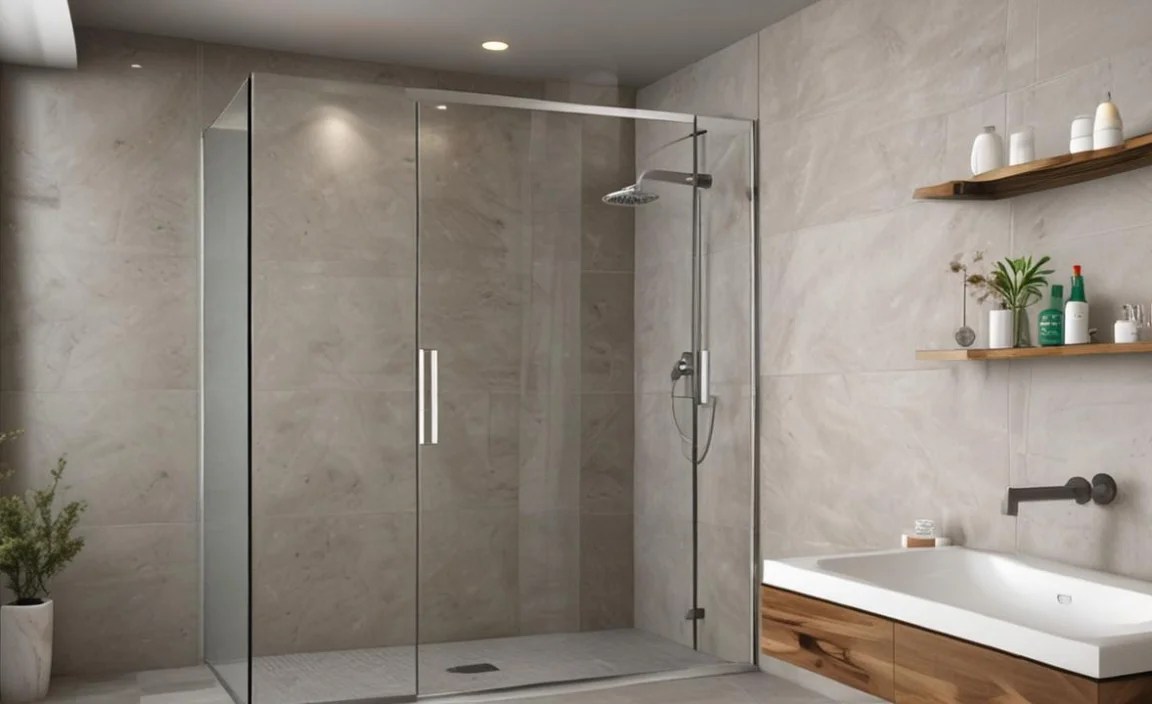
Bathtubs offer a unique form of relaxation and utility that showers simply can’t replicate. They are a staple in many homes for good reason.
Types of Bathtubs
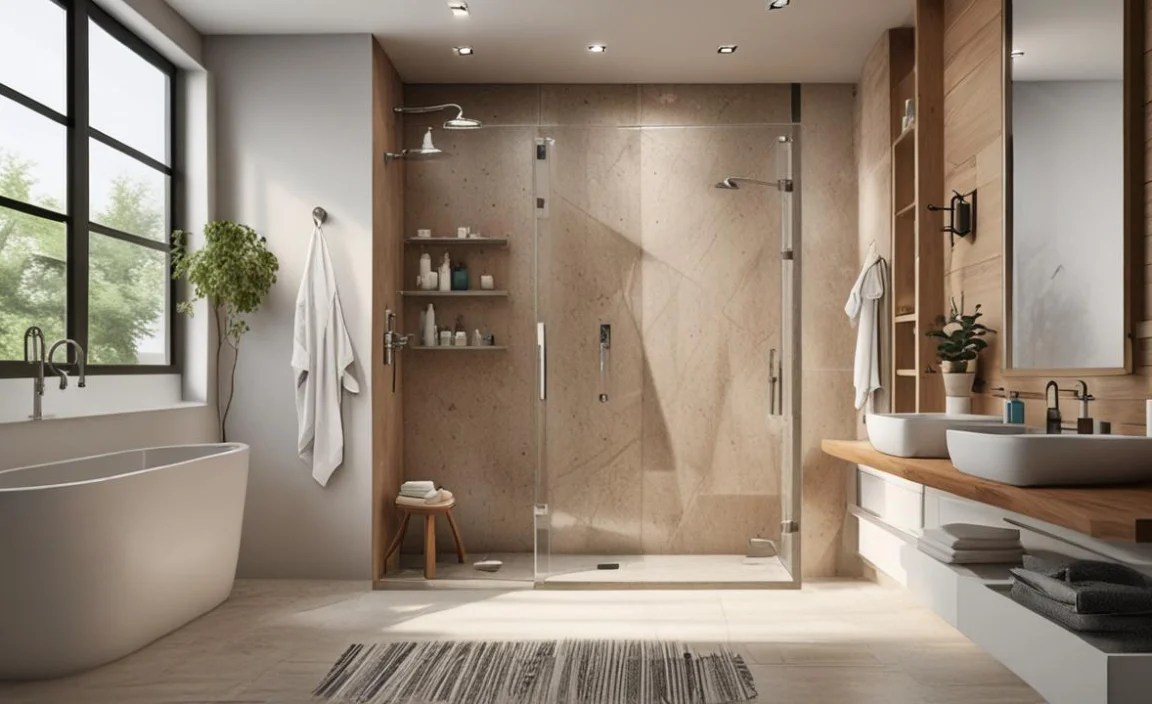
Bathtubs come in a variety of styles and materials to suit different tastes and bathroom designs:
- Alcove Bathtub: The most common type, designed to fit into a three-walled recess.
- Drop-In Bathtub: This tub is installed into a custom-built deck or surround, often seen in larger bathrooms.
- Freestanding Bathtub: A statement piece, these tubs are finished on all sides and do not require walls for support, offering design flexibility.
- Undermount Bathtub: Installed beneath a countertop or deck, creating a seamless look.
- Whirlpool/Soaking Tubs: These are designed for enhanced relaxation, featuring jets for massage or a deeper basin for a fuller immersion.
Pros of Installing a Bathtub

- Ultimate Relaxation: Ideal for stress relief, muscle soothing, and a luxurious soak.
- Family-Friendly: Easier to bathe small children and pets.
- Therapeutic Benefits: Warm baths can help with minor ailments and promote sleep.
- Aesthetic Appeal: A beautiful tub can be a focal point of a bathroom design.
- Combined Use: Many can be fitted with shower heads for dual functionality.
Cons of Installing a Bathtub

- Requires More Space: Tubs are generally larger and need more floor area.
- Higher Water Usage: Filling a tub uses significantly more water than a typical shower.
- Time-Consuming: Filling and soaking takes more time than a quick shower.
- Accessibility Challenges: Can be difficult for those with limited mobility to step in and out.
- Cleaning: Can require significant scrubbing, especially around the tub basin and grout if tiled.
Shower vs. Bathtub: A Direct Comparison Table
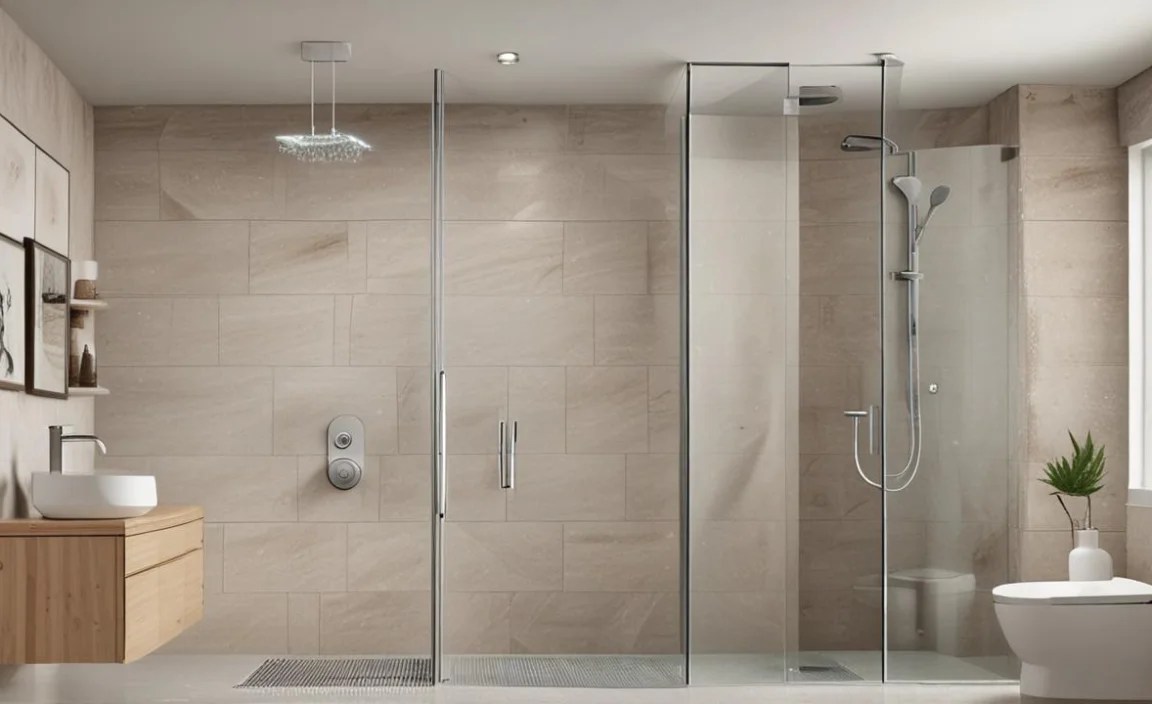
To help visualize the differences, here’s a handy comparison chart:
| Feature | Shower | Bathtub |
|---|---|---|
| Primary Use | Quick cleansing, efficient washing | Relaxing soak, immersion therapy |
| Space Requirement | Lower, adaptable to small spaces | Higher, typically requires dedicated area |
| Water Usage | Low to moderate (especially with low-flow heads) | High (30-50+ gallons to fill) |
| Time Commitment | Short (minutes) | Longer (20-30+ minutes for a soak) |
| Relaxation Potential | Moderate (invigorating) | High (soothing, therapeutic) |
| Accessibility | Can be excellent (walk-in) | Can be challenging (high step-over) |
| Ideal For | Busy individuals, small bathrooms, water-conscious homes | Those seeking relaxation, families with young children, larger bathrooms |
| Installation Cost | Varies greatly, can be cost-effective or luxurious | Varies greatly, can be standard or high-end |
The Shower-Bathtub Combo: The Best of Both Worlds?

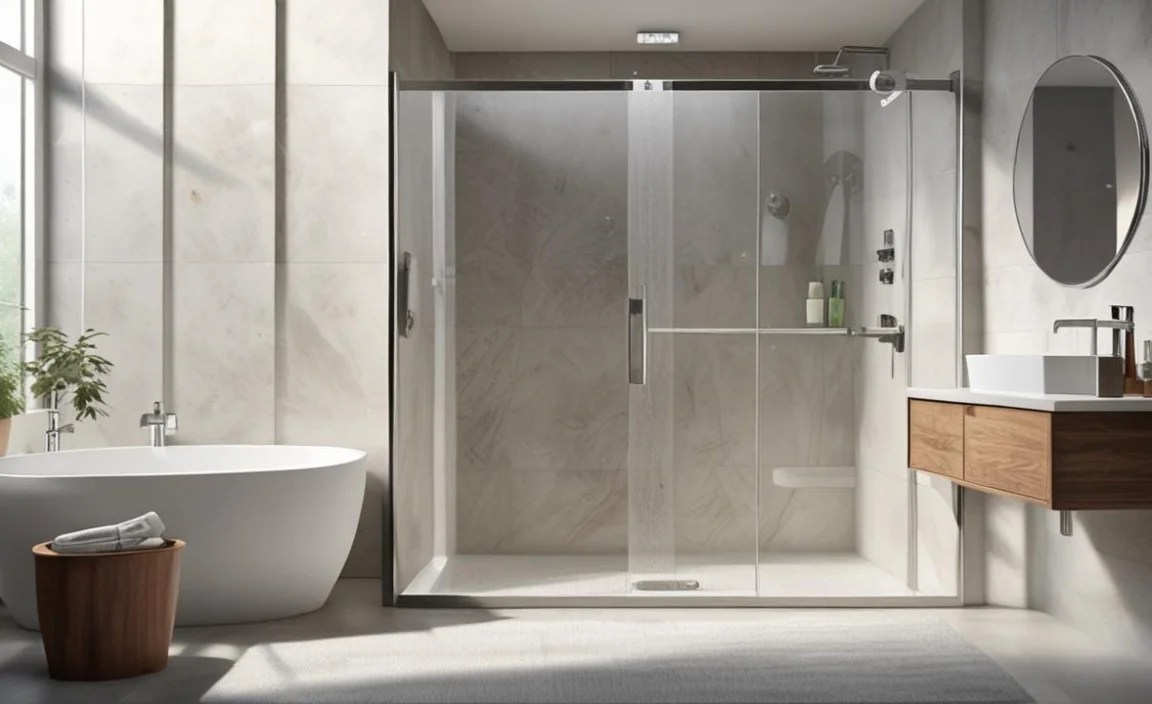
For many homeowners, the shower-bathtub combo is a practical compromise. It offers the quick-use functionality of a shower for daily routines while retaining the option for a relaxing bath when time and desire permit. This is particularly common in main bathrooms or guest bathrooms where space might be limited, but you want to cater to different user preferences. Modern shower-bathtub units can be very stylish, and with the right showerhead and pressure, can offer a reasonably satisfying shower experience. When choosing a combo, consider the height of the tub wall for ease of showering and the placement of the shower controls.
When to Choose a Shower
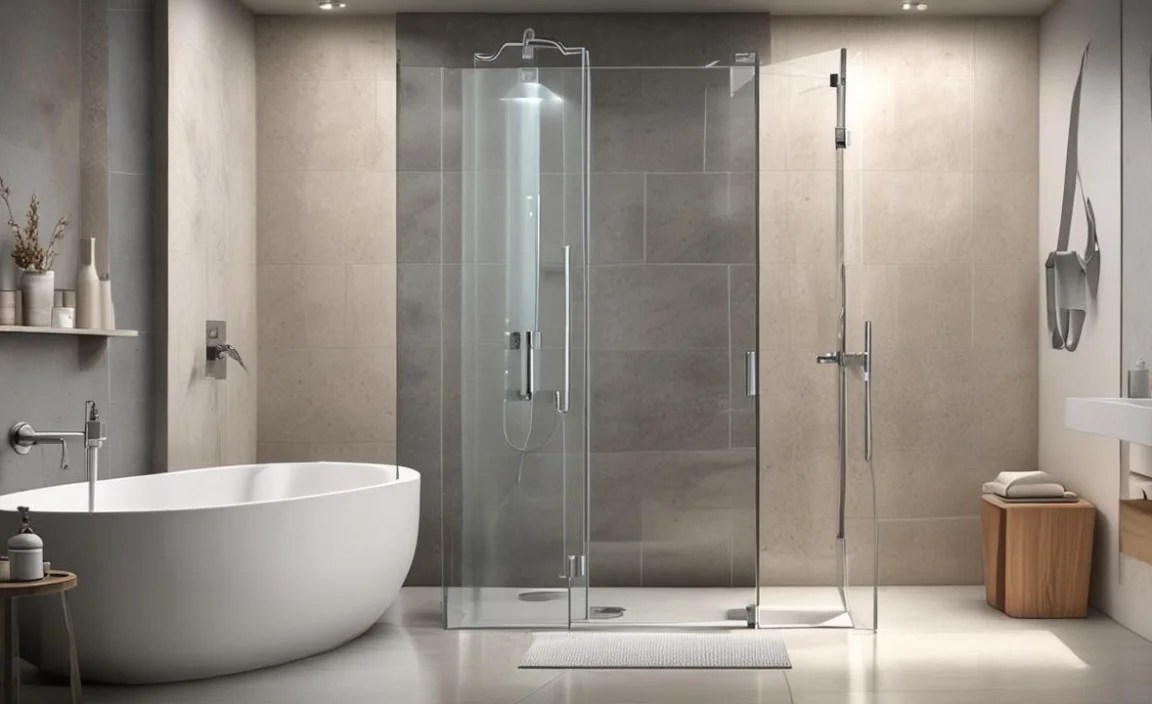
You might lean towards a shower if any of these points resonate with you:
- Your bathroom is on the smaller side, and you need to maximize usable space.
- You have a very busy lifestyle and need to get in and out of the bathroom quickly.
- You’re looking to reduce your water and energy bills.
- Accessibility for older individuals or those with mobility issues is a top priority.
- You prefer a powerful, invigorating rinse over a long soak.
- You plan to install multiple showerheads or body jets for a custom experience.
When to Choose a Bathtub
A bathtub might be the better choice if you find yourself agreeing with these statements:
- You cherish your time spent unwinding and de-stressing in a warm bath.
- You have young children or pets that you frequently bathe.
- You have ample bathroom space and don’t need to conserve every square inch.
- You occasionally experience muscle soreness or aches that a soak can help alleviate.
- You envision a more traditional or luxurious bathroom aesthetic.
- You are building or renovating a master bathroom where a dedicated soaking tub is desired.
Making the Final Decision: Key Questions to Ask Yourself
Before you commit, take a moment to answer these questions. They’ll help solidify what’s most important for your home:
- How much space do I realistically have? Measure carefully!
- Who will be using this bathroom most often? Consider age, mobility, and preferences.
- What is my daily routine like? Are you rushing, or do you have time to relax?
- What’s my budget for installation and ongoing costs?
- What is my priority: quick efficiency or deep relaxation?
- Is water conservation a significant concern for me?
- Do I want the option for both a shower and a bath in the same space? (Consider the combo!)
Popular Materials and Finishes
The material your shower or tub is made from affects durability, maintenance, and cost. Here’s a quick look:
| Material | Pros | Cons |
|---|---|---|
| Acrylic | Lightweight, easy to clean, good insulation, wide range of colors/shapes. | Can scratch, may chip with impact, less durable than solid materials. |
| Fiberglass | Most affordable, lightweight, easy to install, relatively easy to repair. | Can be prone to scratching/cracking, porous (can stain), not as durable. |
| Porcelain-enameled Cast Iron | Extremely durable, excellent heat retention, easy to clean surface, classic look. | Very heavy (requires structural support), can chip if impacted hard, expensive. |
| Cultured Marble/Granite | Durable, seamless (reduces grout lines), customizable colors, luxurious feel. | Heavy, can be expensive, requires professional installation, may stain if not sealed. |
| Tile (Ceramic, Porcelain, Stone) | Highly customizable, durable, can be very attractive and durable with proper installation. | Requires regular grout cleaning/maintenance, can be prone to cracking if impacts occur, installation is labor-intensive. |
Conclusion
Choosing between a shower and a bathtub is a personal decision that hinges on balancing your home’s practical needs with your lifestyle preferences. Showers excel in efficiency, water conservation, and adaptability for smaller spaces and accessibility. They are the go-to for a quick, invigorating clean. Bathtubs, on the other hand, offer unparalleled relaxation, are ideal for families with young children, and provide therapeutic benefits for muscle recovery and stress relief. The popular shower-bathtub combo serves as a versatile compromise, offering both functionalities within a single footprint.
By carefully considering factors like available space, your daily routine, water usage goals, accessibility requirements, and your budget, you can confidently select the option that best enhances your bathroom experience. Whether you opt for a sleek, modern shower or a luxurious soaking tub, the right choice will undoubtedly add comfort and value to your home. Remember to consult professional plumbers or contractors for installation advice and to ensure your choice fits seamlessly into your home’s plumbing and structural design.
Frequently Asked Questions (FAQs)
Q1: Can I put a shower in a small bathroom?

Absolutely! Small bathrooms are perfect for showers. Corner shower units, shower stalls with sliding glass doors, or even a simple shower curtain can fit into tight spaces. Walk-in showers with minimal thresholds can also make a small bathroom feel more open and accessible.
