
Quick Summary: Understanding sink parts like the “aerator,” “spout,” and “drain flange” is key for any DIYer. This glossary breaks down essential sink terms simply, empowering you to tackle replacements, repairs, and even new installations with confidence.
When you’re looking to fix a leaky faucet or simply want to understand what’s going on under your sink, all the technical terms can sound like a foreign language. It’s frustrating when you need to buy a replacement part or explain an issue to a plumber, but you don’t know the right words. Don’t worry! Most of these terms are quite simple once you break them down. This guide will demystify the common vocabulary associated with sinks and faucets, making your DIY projects smoother and less stressful. You’ll gain the confidence to identify parts, understand instructions, and get the job done right.
Understanding Your Sink: A Beginner’s Guide to Essential Terms


Taking on home maintenance can feel like a puzzle, especially when the instructions use words you’ve never heard before. For sinks, this is especially true. Whether you’re dealing with a kitchen sink, bathroom sink, or even a utility sink, knowing the names of its components is the first step to effective maintenance and repair. This glossary is designed specifically for beginners like you, who want to learn the essentials without getting bogged down in overly technical jargon. We’ll cover everything from the parts you see every day to the often-hidden components that keep your sink functioning smoothly.
The Anatomy of a Sink Faucet

The faucet is often the most recognizable part of your sink setup. It’s where the magic happens – water coming out! But even the faucet itself has several distinct parts. Understanding these will help you diagnose issues like low water pressure or a dripping spout.
Key Faucet Components:
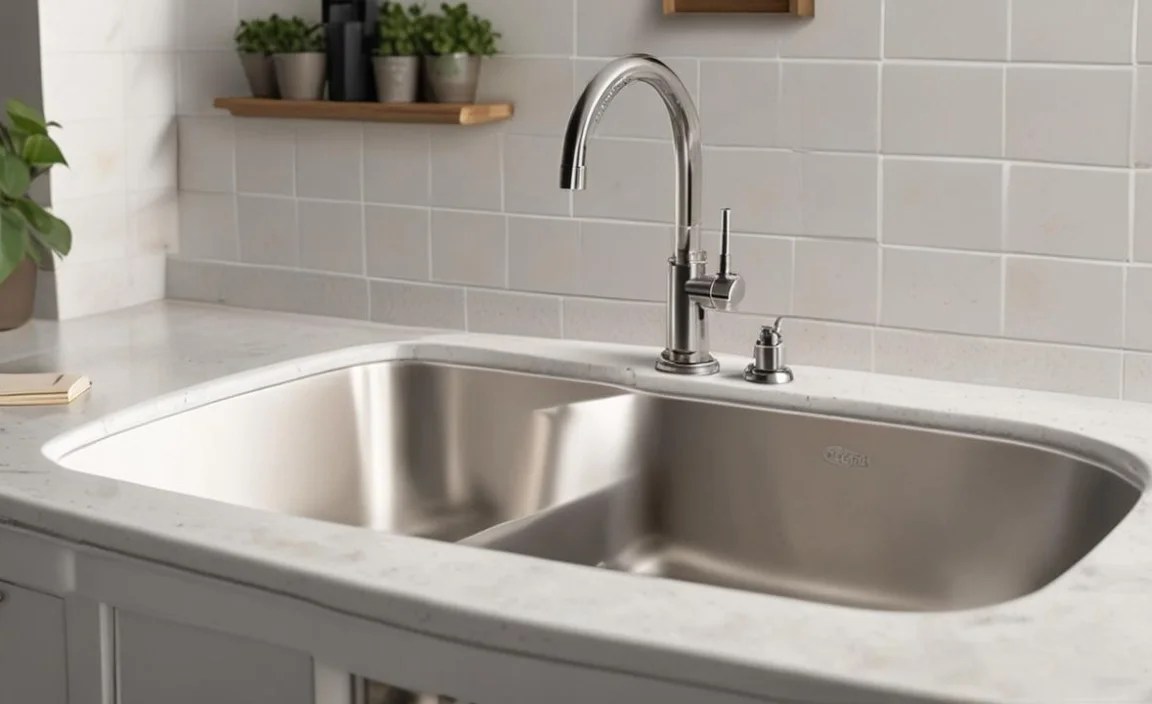
- Spout: This is the part of the faucet from which water flows. It can be fixed or swivel. The shape and length vary greatly depending on the sink type and style.
- Handle(s): These are used to control the flow and temperature of the water. You might have a single handle that controls both, or two separate handles for hot and cold water.
- Aerator: Located at the tip of the spout, the aerator mixes air with water. This reduces water consumption, prevents splashing, and creates a smooth, consistent stream. It’s a small but mighty part!
- Escutcheon Plate: This is a decorative plate or cover that hides the hole where the faucet passes through the sink or countertop. It provides a finished look.
- Cartridge/Valve: This is the internal mechanism within the faucet that controls water flow and temperature. When a faucet drips or is hard to turn, the cartridge is often the culprit. There are different types, like ceramic disc or compression valves.
- Shank: This is essentially the threaded portion of the faucet that extends down through the sink or countertop, allowing it to be secured in place.
- Mounting Nut/Hardware: These nuts and washers secure the faucet tightly to the sink or countertop from underneath.
Understanding the Sink Basin and Drain
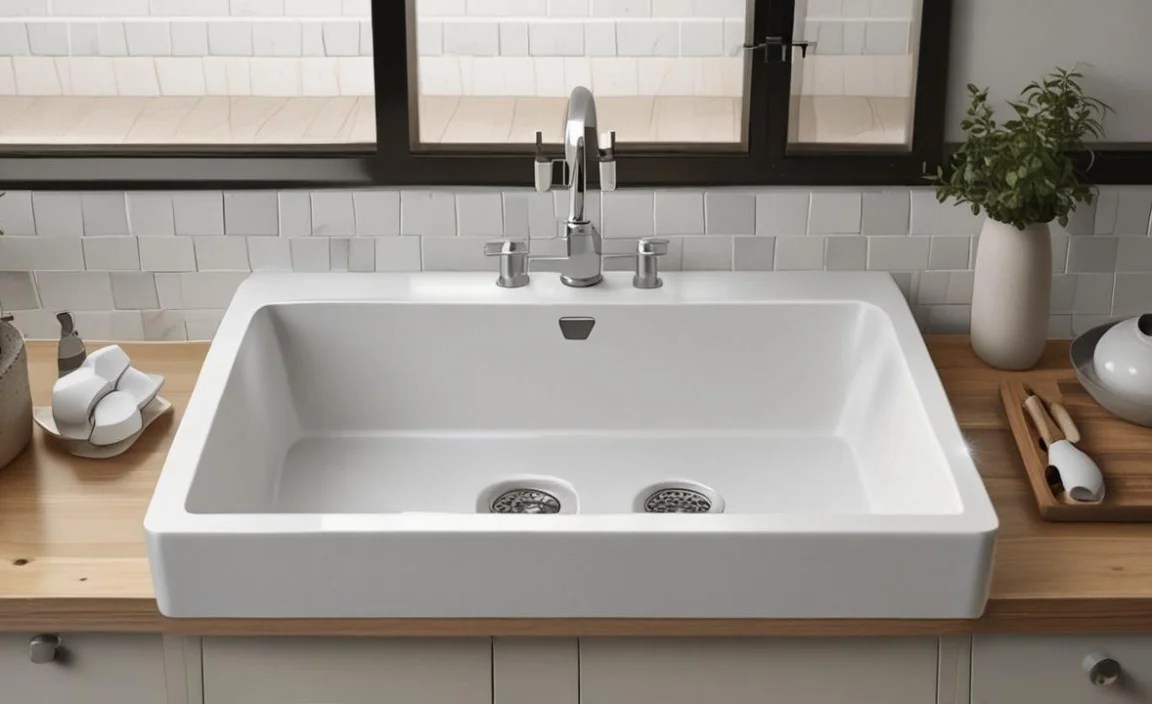
While the faucet delivers the water, the basin holds it, and the drain system takes it away. These parts are just as crucial for your sink’s functionality.
Main Basin and Drain Parts:
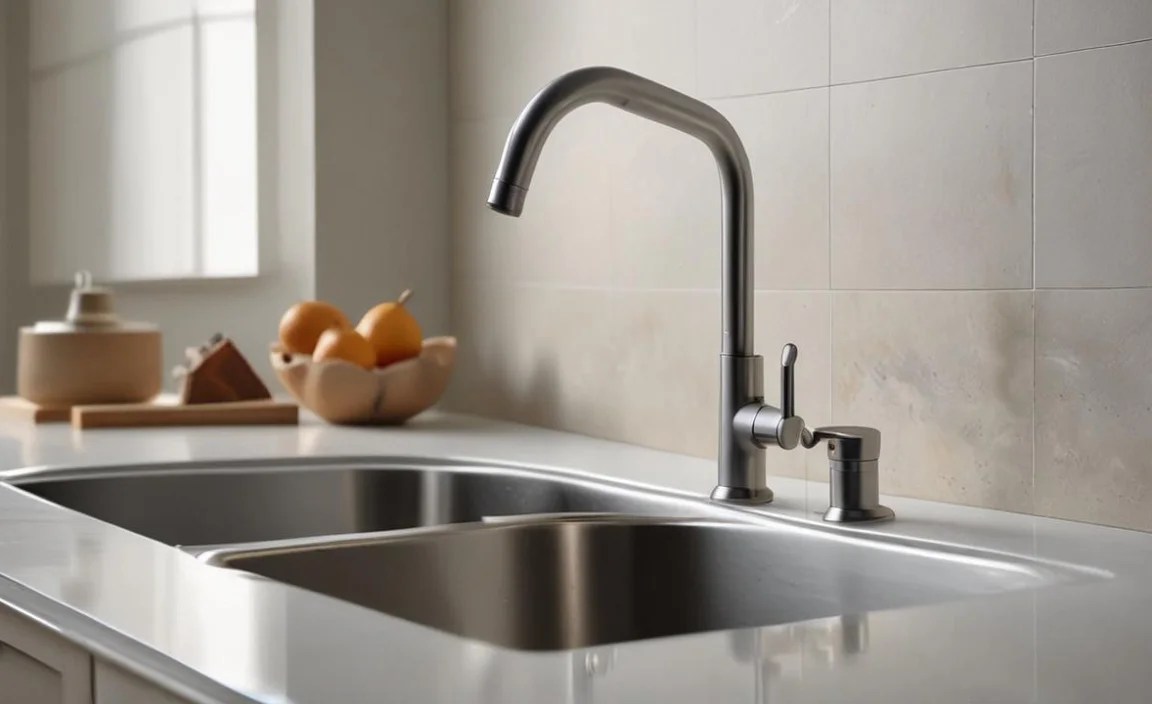
- Sink Basin (or Bowl): This is the main cavity of the sink where water collects. Sinks can have one, two, or even three basins.
- Overflow Hole: Most sinks have a small hole, usually located near the top of the basin, designed to prevent the sink from overflowing if the drain is blocked. Water drains from here into the main drainpipe.
- Drain Hole: This is the primary opening at the lowest point of the sink basin that allows water to drain out.
- Drain Assembly/Strainer: This is the entire unit that fits into the drain hole. It typically includes the drain flange, a rubber gasket, and a stopper to control drainage.
- Drain Flange: This is the visible metal ring that sits inside the drain hole on the sink basin. It forms the seal for the drain assembly.
- Sink Strainer Basket: This is a removable basket, often made of mesh, that sits inside the drain flange. It catches food particles and debris, preventing them from clogging your pipes.
- Tailpiece: This is a short pipe that connects the drain shoe (the part directly under the sink basin) to the P-trap.
- Drain Shoe: This is the part of the drain assembly that fits into the drain opening and connects to the tailpiece. It’s usually found beneath the sink.
Essential Plumbing Components Under the Sink
The real work often happens out of sight, in the plumbing beneath your sink. Understanding these parts is vital for fixing leaks or unblocking drains.
Under-Sink Plumbing Terms:
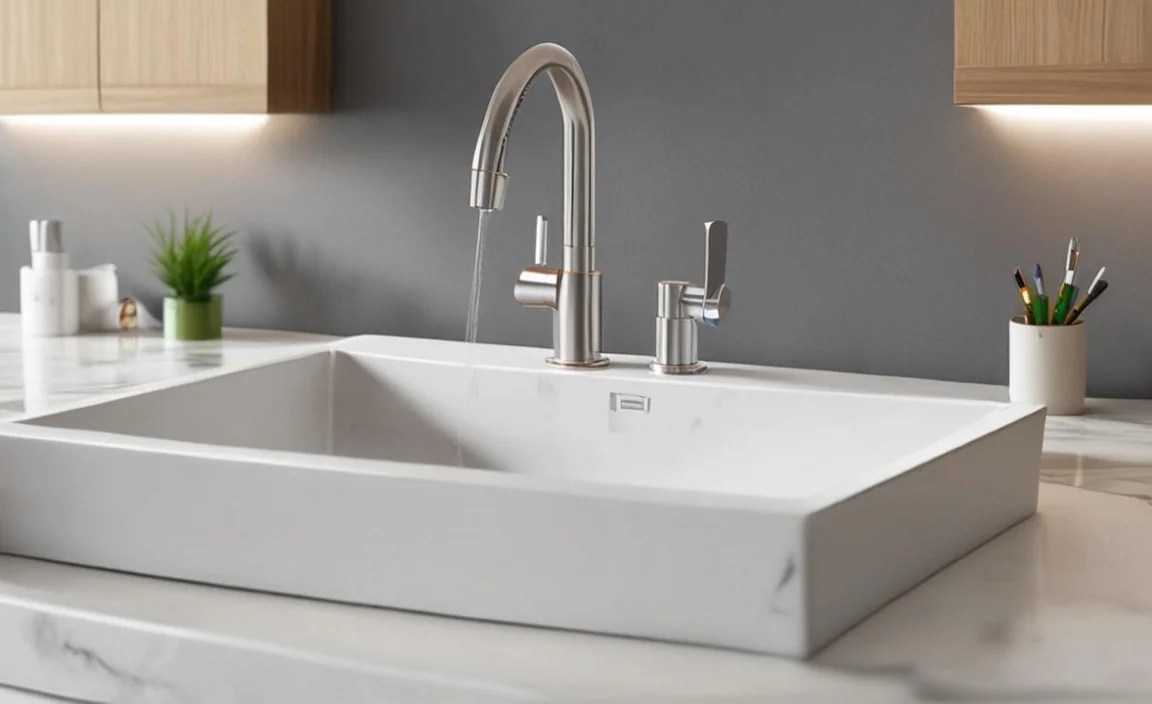
- P-Trap: Named for its distinctive “P” shape, this curved pipe is designed to hold a small amount of water. This water creates a seal that prevents sewer gases from entering your home through the drain. It’s one of the most important components for preventing odors.
- Supply Lines: These are flexible or rigid hoses that connect your faucet to the hot and cold water shut-off valves. They come in various lengths and materials like braided stainless steel or copper.
- Shut-off Valves: These are the small valves connected to the pipes coming out of the wall or floor. Turning these off stops the water supply to your faucet specifically, allowing you to work on it without shutting off water to the entire house.
- Garbage Disposal (if applicable): A common fixture in many kitchens, this appliance grinds food waste to prevent drain clogs before it enters the sewer system.
- Dishwasher Drain Hose (if applicable): If you have a dishwasher, you’ll see a hose that routes wastewater from the dishwasher into either the sink drain or the garbage disposal.
Types of Sinks and Their Unique Terms

Different sink styles have specific terminology associated with their installation and design.
Sink Styles and Terms:
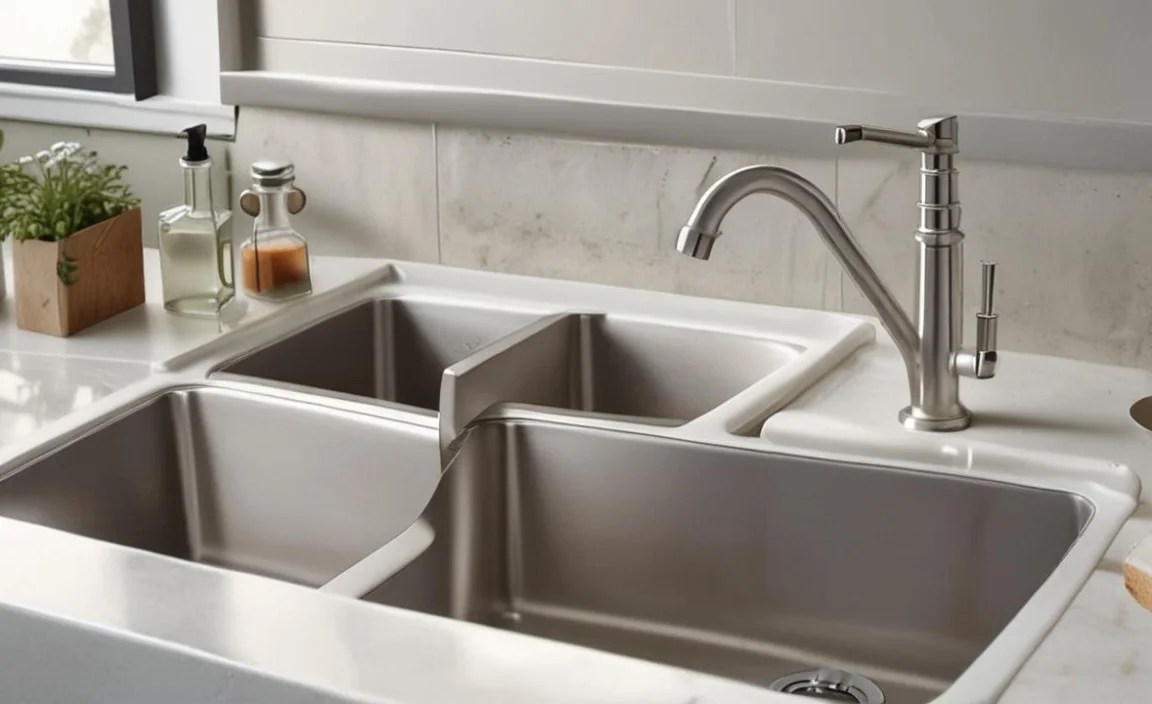
- Top-Mount (Drop-In) Sink: This is the most common type of sink. It’s lowered into a pre-cut hole in the countertop, with its rim resting on top of the counter. The term “drop-in” or “top-mount” refers to how it’s installed.
- Undermount Sink: This sink is mounted from beneath the countertop, creating a sleek, seamless look with no visible rim. This makes it easier to wipe counter spills directly into the sink.
- Farmhouse (Apron-Front) Sink: Characterized by its deep basin and exposed front panel (the “apron”), this sink style is both functional and a striking design feature.
- Integral Sink: In this design, the sink basin and countertop are made from a single piece of material (like solid surface or quartz), eliminating seams and creating a very clean look.
- Wall-Mount Sink: These sinks are attached directly to the wall, with no countertop or vanity cabinet underneath. This is common in small bathrooms or powder rooms for a minimalist look and easier floor cleaning.
- Pedestal Sink: A standalone sink mounted on a decorative pedestal that conceals the plumbing.
Common Sink Issues and Related Terms
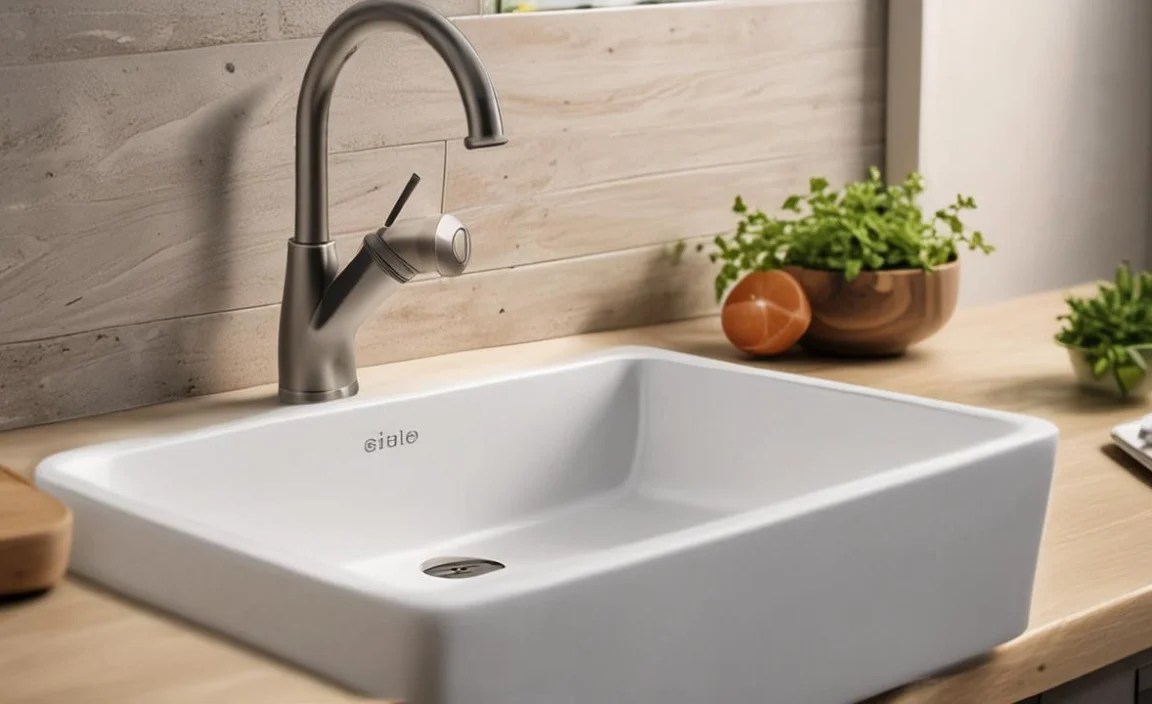
When things go wrong, knowing the terms helps you understand the problem and find solutions.
Troubleshooting Terms:
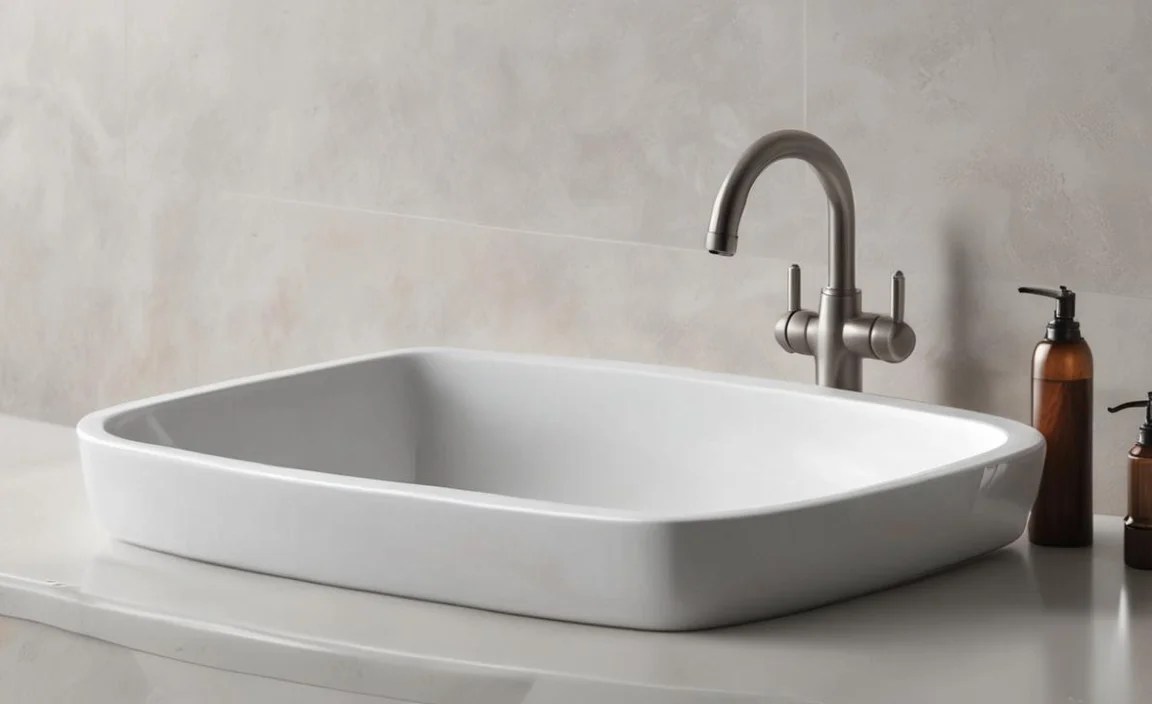
- Drip: A persistent drop of water coming from the faucet spout when it’s turned off. Often caused by a worn-out washer or cartridge.
- Leak: Water escaping from any joint or connection point in the faucet or drain assembly. Common spots include under the sink at the supply lines or drain connections.
- Clog: When the drain is blocked, preventing water from flowing away. This can happen in the P-trap, tailpiece, or further down the line.
- Low Water Pressure: Water flows out of the faucet more slowly than usual. This could be due to a clogged aerator, issues with the supply lines, or problems with your home’s water system.
- Corrosion: The deterioration of metal parts, often due to water exposure, which can lead to leaks or functional problems.
- Seal: A watertight barrier created by materials like rubber gaskets or plumber’s putty to prevent water from escaping at connection points.
Tools You Might Hear Mentioned for Sink Work
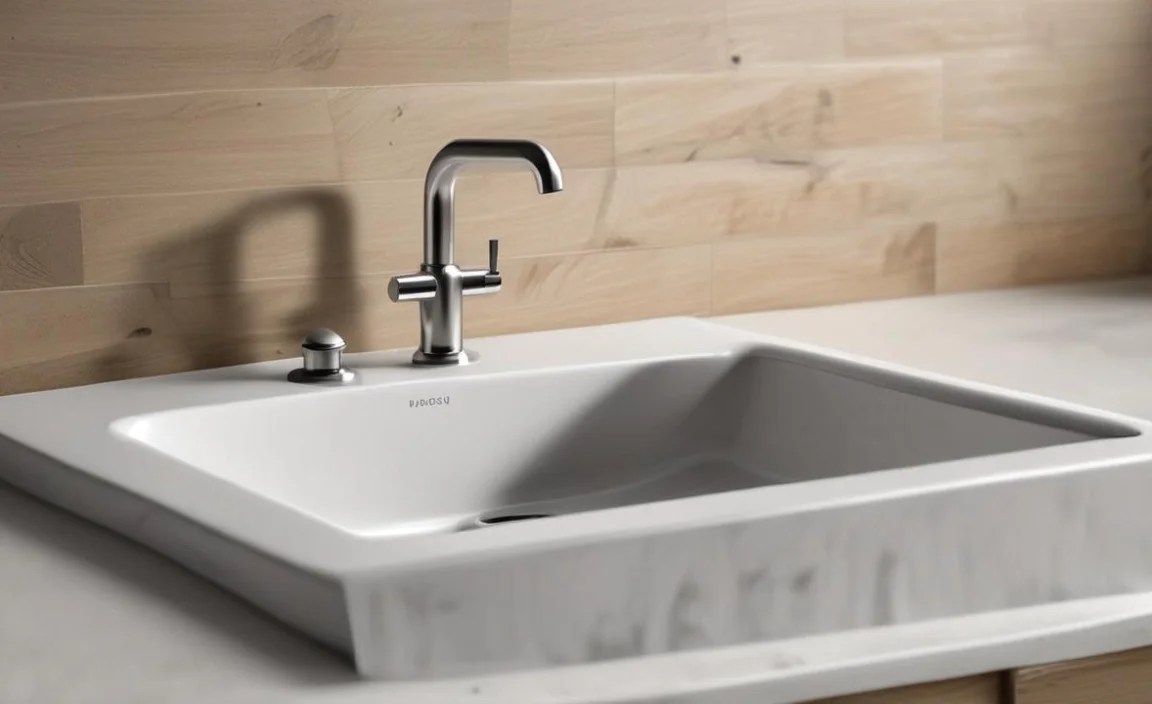
While this is a glossary of sink parts, understanding the tools used to interact with them is also helpful.
Essential Sink Repair Tools:
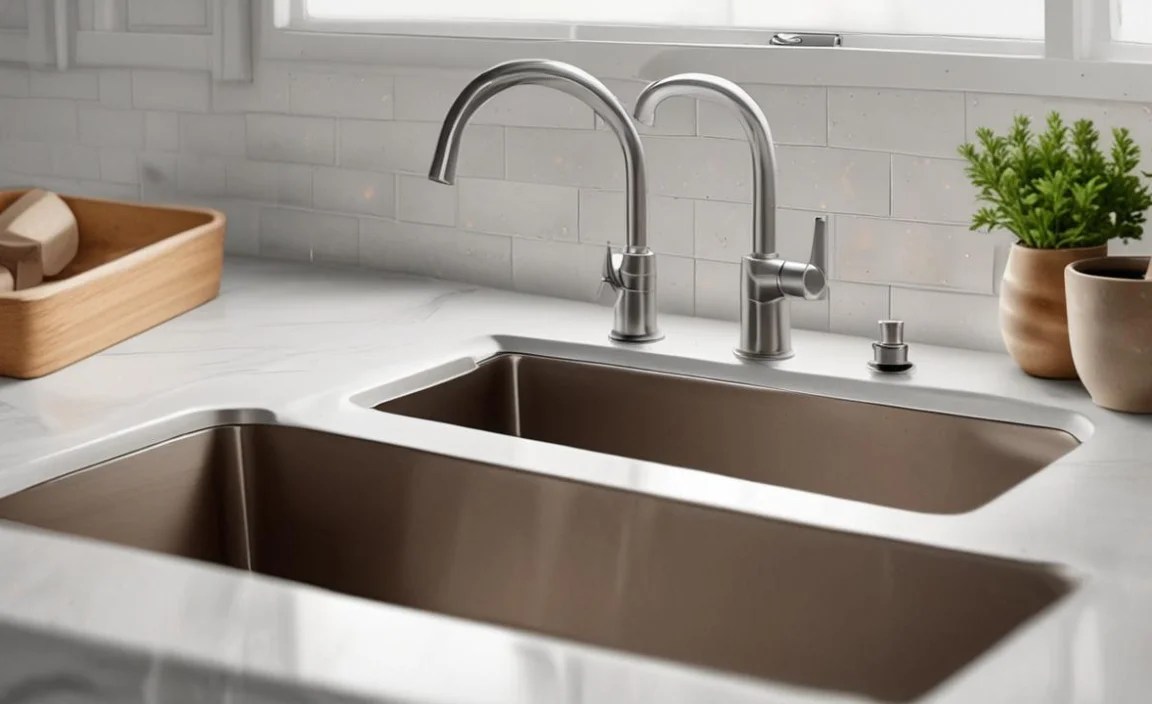
- Adjustable Wrench: A versatile wrench whose jaw width can be adjusted to fit different-sized nuts and bolts. Essential for tightening or loosening supply lines and mounting nuts.
- Pipe Wrench: Designed for gripping and turning pipes. Useful for stubborn connections on drain pipes.
- Basin Wrench: A specialized tool with a long shaft and pivoting jaws designed to reach up behind the sink basin to loosen or tighten faucet mounting nuts. It’s a lifesaver for faucet installations and replacements.
- Plumber’s Putty: A malleable compound used to create a watertight seal between plumbing fixtures (like a drain flange) and a non-porous surface.
- Teflon Tape (Plumber’s Tape): A thin, white tape wrapped around pipe threads to create a watertight seal. Essential for threaded pipe connections. You can learn more about its proper use at the Federal Trade Commission.
- Bucket: Always have a bucket handy to catch any water when working on drains or supply lines.
DIY Starter Kit: What to Buy When You Don’t Know the Name, But Know the Function

Sometimes, you know what a part does but can’t recall its name. Here’s how to navigate that situation at the hardware store:
- Describe the Function: Instead of asking for a “thingy that stops the water from going down too fast,” describe what it does. “I need a basket that catches food in my sink drain.”
- Point and Show (if possible): If you’re replacing a part, take the old one with you! This is the easiest way to ensure you get an exact match.
- Bring a Photo: Snap a clear picture of the part or the area you’re working on. Show it to a store associate.
- Know the Material: Is it plastic? Metal? Copper? This helps narrow down options.
- Measure Key Dimensions: For things like supply lines or pipes, know their length and diameter.
Table of Common Sink Parts and Their Purpose

Here’s a quick reference guide to the most frequently encountered sink components and what they do.
| Term | Location | Primary Purpose | Common Issues |
|---|---|---|---|
| Aerator | Tip of the faucet spout | Mixes air with water for a smooth stream; reduces water usage. | Clogged, reduces water flow. |
| P-Trap | Under the sink, U-shaped pipe | Holds water to block sewer gases; prevents clogs by catching large debris. | Leaking, clogged, loose connections. |
| Drain Flange | Inside the sink basin’s drain hole | Forms the base of the drain assembly and creates a seal within the sink. | Cracked, seals not working. |
| Supply Lines | Connect faucet to shut-off valves | Deliver hot and cold water to the faucet. | Leaking, bursting, kinks. |
| Strainer Basket | Inside the drain flange | Catches food particles and debris in the sink drain. | Clogged, damaged mesh. |
| Cartridge/Valve | Inside the faucet body | Controls water flow and temperature. | Leaking faucet (dripping), hard to turn handle. |
| Overflow Hole | Near the top of the sink basin | Prevents sink from overflowing by draining excess water. | Leaking sink, clogged. |
Conclusion: Your Sink Knowledge is Now Complete
You’ve now navigated the essential vocabulary of sinks and faucets! From the simple aerator that ensures a good stream to the vital P-trap that keeps your home smelling fresh, you have a solid foundation. Understanding these terms isn’t just about sounding knowledgeable; it’s about empowering yourself to tackle common issues, make informed purchasing decisions, and communicate effectively when you need help. Don’t hesitate to refer back to this glossary whenever you encounter an unfamiliar term. With this knowledge, you’re well-equipped to handle your next sink-r
