
Explore essential sink info for your kitchen! Learn about sink types, materials, common issues, and simple care tips to keep your kitchen sink functioning beautifully and looking its best. Get practical advice to confidently maintain this vital kitchen hub.
A kitchen sink is more than just a place to wash dishes; it’s the heart of your kitchen. When it’s not working right, it can cause big headaches. Leaks, clogs, or even just a sink that doesn’t look clean can disrupt your whole kitchen routine. But don’t worry! Understanding your sink and how to care for it is easier than you think. We’ll walk you through everything you need to know, from choosing the right sink to simple maintenance tricks that will have you feeling like a pro.
Understanding Your Kitchen Sink: A Beginner’s Guide

Your kitchen sink is probably one of the most used fixtures in your home. With all that water, food scraps, and cleaning, it’s important to know what you’re working with. Let’s break down the basics of sink anatomy so you can better understand how to care for it and what to do if something goes wrong.
Key Components of a Kitchen Sink
Most kitchen sinks share a few core parts. Knowing these will help when you’re looking up troubleshooting tips or talking to a plumbing professional.
- The Basin: This is the main bowl where you do your washing. Sinks can have one, two, or even three basins of varying depths and sizes.
- The Rim: The edge of the sink that meets the countertop. How the rim is designed affects installation and how water drains from the counter.
- The Strainer/Drain Assembly: This is the opening at the bottom of the basin that allows water to flow out. It includes a basket or stopper to catch food debris and prevent clogs.
- The Faucet: The part that delivers hot and cold water. It’s controlled by handles or a lever.
- The Sprayer (Optional): A handheld nozzle, often mounted near the faucet, for rinsing dishes or cleaning the sink.
- The Tailpiece and P-Trap: These are parts of the plumbing under the sink that connect the drain to your home’s main drainpipe. The P-trap is designed to hold water and prevent sewer gases from coming back up into your kitchen.
Types of Kitchen Sinks: Finding the Perfect Fit

Choosing the right sink can make a big difference in your kitchen’s functionality and style. Sinks come in various types, each with its own installation method and aesthetic. Understanding these will help you decide what works best for your needs and your kitchen’s layout.
Top-Mount (Drop-In) Sinks
These are the most common and generally the easiest to install, making them a great choice for DIYers. The rim of the sink sits on top of the countertop, with the basin dropping into a hole. Water and debris can sometimes get caught between the rim and the counter.
Undermount Sinks
Undermount sinks are installed beneath the countertop. This creates a seamless look and makes cleaning your countertops much easier, as you can wipe crumbs and water directly into the sink. They require a solid countertop material (like granite or quartz) and a more professional installation.
Farmhouse (Apron-Front) Sinks
These distinctive sinks have a large, exposed front panel, or “apron.” They offer a classic, charming look and are often very deep, making them practical for washing large pots and pans. Farmhouse sinks can be installed in various ways, but they often require specific cabinet modifications.
Integrated Sinks
In this setup, the sink basin is made from the same material as the countertop, creating a completely seamless and continuous surface. This offers a minimalist, modern look and is very easy to clean. Materials for integrated sinks can include solid surface, quartz, or even stainless steel.
Kitchen Sink Materials: Durability Meets Design
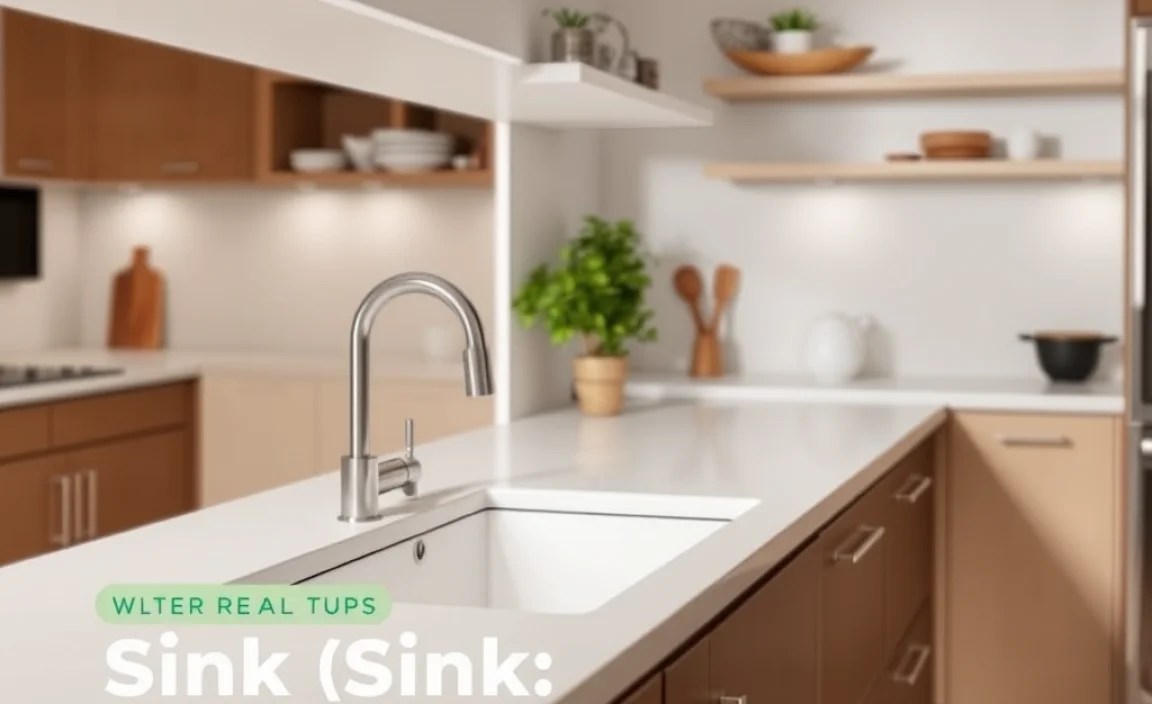
The material your sink is made from impacts its look, durability, cost, and how you need to care for it. Here’s a rundown of the most popular options:
Stainless Steel Sinks
These are incredibly popular due to their durability, affordability, and sleek, modern look. They resist heat and stains well. However, thinner gauge stainless steel sinks (lower gauge number is thicker) can be noisy and prone to scratching. Look for 18-gauge or thicker for better quality.
Pros: Durable, affordable, easy to clean, resistant to heat and stains, versatile style.
Cons: Can be noisy (especially lower gauges), prone to scratching and water spots, may dent.
Fireclay Sinks
Made from clay fired at very high temperatures, fireclay sinks are extremely durable, smooth, and non-porous. They are resistant to scratches, chips, stains, and heat. They offer a classic, timeless look, often seen in farmhouse or traditional kitchens.
Pros: Very durable, resistant to scratches, stains, and heat, easy to clean, non-porous surface, attractive finish.
Cons: Can be expensive, heavy (may require special cabinet support), prone to chipping if a heavy object is dropped forcefully.
Cast Iron Sinks
These sinks are made from iron that has been molded and then coated with a thick layer of enamel. They are incredibly strong and durable, resisting scratches and chips. The enamel coating provides a smooth, glossy finish that’s easy to clean. They are very heavy, so ensure your cabinets can support the weight.
Pros: Extremely durable and long-lasting, resists dents and scratches, smooth glossy finish, heavy and stable.
Cons: Very heavy, enamel can chip if struck hard, can be expensive, limited color options compared to other materials.
Composite Sinks
Composite sinks are made from a mixture of acrylic resins and quartz or granite dust. This results in a very durable material that is resistant to scratches, chips, dents, and heat. They come in a wide range of colors and can mimic the look of natural stone.
Pros: Durable, resistant to scratches, chips, dents, and heat; wide variety of colors and styles; quieter than stainless steel; good thermal insulation.
Cons: Can be expensive, some cheaper composites may fade or stain over time, requires specific cleaning products to avoid damage.
Granite Sinks
These are made from crushed granite mixed with resins. They offer a natural, luxurious look and are very durable, resisting heat, scratches, and stains. They are also non-porous, making them hygienic. Keep in mind that darker colors can show hard water spots more easily.
Pros: Extremely durable, resistant to heat, scratches, and stains; luxurious natural look; hygienic (non-porous); wide range of colors.
Cons: Can be expensive, heavy, requires proper sealing (though many modern ones are pre-sealed), can show hard water spots.
Essential Sink Care and Maintenance Tips

Keeping your kitchen sink in top condition doesn’t require a lot of effort, but consistent, gentle care goes a long way. Following these tips will help prevent damage, keep it looking great, and avoid common problems.
Daily Cleaning: Your First Line of Defense
Make it a habit to quickly clean your sink after each use. This is the easiest way to prevent build-up and keep it looking fresh.
- Rinse thoroughly: After washing dishes or preparing food, rinse away all food particles and soap residue immediately.
- Wipe dry: Use a soft cloth or sponge to wipe down the sink basin and faucet. This is especially important for stainless steel sinks to prevent water spots.
- Clean the faucet: A quick wipe-down of the faucet handles and spout will keep them shiny.
Weekly Deep Cleaning: Tackling Grime
Once a week, give your sink a more thorough cleaning to remove any lingering grime or build-up. The U.S. Environmental Protection Agency (EPA) offers great advice on reducing household waste and using environmentally friendly cleaning practices, which applies well to sink care. You can learn more at EPA’s Reducing and Reusing Basics.
For most sink materials (stainless steel, fireclay, composite):
- Clear the sink: Remove any dish racks, sponges, or other items.
- Gentle Solution: Mix a few drops of mild dish soap with warm water.
- Scrub Gently: Use a soft sponge or microfiber cloth to scrub the basin. For tougher spots, you can use a non-abrasive scrub pad. Always scrub in the direction of the sink’s grain if it’s stainless steel.
- Rinse and Dry: Rinse the sink thoroughly with clean water and then wipe it dry with a soft cloth to prevent spots.
For stubborn stains or disinfecting:
- Baking Soda Paste: Make a paste of baking soda and water. Apply it to stained areas, let it sit for 5-10 minutes, then gently scrub and rinse. Baking soda is a natural, gentle abrasive.
- Vinegar Solution: For hard water stains or a bit of extra shine, spray diluted white vinegar (mix 1 part vinegar to 1 part water) onto the sink surfaces, let it sit for a few minutes, then rinse and dry. Avoid using prolonged contact with vinegar on marble or certain other natural stone sinks, as it can etch the surface.
- For Stainless Steel (Disinfecting): A mild bleach solution (1 part bleach to 10 parts water) can be used for disinfecting, but use it sparingly and always rinse very thoroughly afterward. Never mix bleach with other cleaners, especially ammonia.
Protecting Your Sink’s Finish
Different materials require slightly different care to maintain their finish:
Stainless Steel:
- Avoid abrasive cleaners, steel wool, or scouring pads that can scratch the surface.
- Use a stainless steel cleaner or polish occasionally to restore shine and offer a protective layer.
- Don’t leave wet sponges, metal cans, or rubber pads on the surface for extended periods, as they can cause rust stains or discoloration.
Fireclay and Cast Iron:
- These are quite durable, but avoid dropping heavy or sharp objects, which can chip the enamel.
- Clean promptly to prevent stains from setting. If a stain does occur, baking soda paste or a mild bleach solution (for white sinks) used carefully should help.
Composite and Granite:
- Check the manufacturer’s recommendations, as some composites can be damaged by harsh chemicals or extreme heat.
- Use mild dish soap and water for daily cleaning. For tougher spots, a baking soda paste is usually safe.
- Avoid abrasive cleaners.
Common Kitchen Sink Problems and How to Fix Them

Even with regular care, sinks can develop issues. Here are a few common problems and simple solutions you can try before calling a plumber.
The Clogged Drain: Clearing the Way
Clogs are one of the most frequent sink problems. They usually happen when food scraps, grease, or hair build up in the drainpipe.
- Boiling Water: Pour a kettle of boiling water slowly down the drain. This can often dissolve grease and loosen minor blockages. Repeat a couple of times if needed.
- Baking Soda and Vinegar: Pour about 1/2 cup of baking soda down the drain, followed by 1/2 cup of white vinegar. Let it fizz for about 15-30 minutes, then flush with hot water. This is a natural and effective way to break down gunk.
- Plunger Power: Ensure there’s a bit of water in the sink to create a seal. Place the plunger firmly over the drain opening and pump vigorously for 20-30 seconds. Remove the plunger quickly to see if the clog has cleared. You may need to cover the overflow hole (if your sink has one) with a wet cloth for better suction.
- Strainer Basket and P-Trap: If the above methods don’t work, carefully remove the sink strainer basket and clean out any visible debris around it. For more stubborn clogs, you might need to unscrew the P-trap (the U-shaped pipe under the sink). Place a bucket underneath to catch any water. Unscrew the connectors, clean out the trap, and reassemble. If you’re unsure about this step, it’s best to stop and call a professional. You can find detailed guides on unclogging drains from resources like This Old House.
Leaky Faucets: Drip, Drip, Drip!
A dripping faucet is not only annoying but also wastes a lot of water. Most faucet leaks are caused by worn-out washers, O-rings, or cartridges.
- Identify the Type of Faucet: Leaks are often fixed by replacing internal parts. The process varies depending on whether you have a compression, cartridge, ball, or ceramic disc faucet.
- Turn Off the Water Supply: Before starting any repairs, locate the shut-off valves under the sink and turn them clockwise to stop the water flow. If there are no valves under the sink, you’ll need to turn off the main water supply to your house.
- Disassemble and Replace: Carefully take apart the faucet handle and stem according to your faucet’s model instructions. Most hardware stores sell faucet repair kits. Replace the worn-out part (washer, O-ring, cartridge) with a new one from the kit.
- Reassemble and Test: Put the faucet back together, turn the water supply back on slowly, and check for leaks.
If you’re not comfortable with faucet repair, replacing the entire faucet or calling a plumber is a good option.
Garbage Disposal Woes: When It Grinds to a Halt
Garbage disposals are workhorses, but they can jam or stop running.
- Check the Reset Button: Most disposals have a small red reset button on the unit’s bottom. If the disposal is humming but not spinning, it might have overheated. Press the reset button.
- Use the Wrench/Allen Key Slot: Look for a hexagonal hole on the bottom center of the disposal unit. Insert the Allen wrench that likely came with your disposal (or a standard 1/4-inch Allen wrench) and rotate it back and forth to dislodge whatever is jamming the blades.
- Clear Debris: ALWAYS ensure the power to the disposal is turned off at the breaker box before reaching into the disposal unit. Use tongs or pliers to remove any visible foreign objects or large food pieces.
- Run with Cold Water: Once clear and reset, turn the power back on and run cold water while operating the disposal for a minute or two to flush out any remaining debris.
For more complex issues or if the disposal seems damaged, consult your owner’s manual or a professional. The U.S. Department of Energy provides excellent tips on maintaining and using appliances efficiently, including garbage disposals, at DOE’s Kitchen Treatments.
Sink Accessories: Enhancing Your Kitchen’s Functionality
Beyond the sink itself, a few well-chosen accessories can significantly improve your kitchen’s workflow and convenience.
Colanders and Drying Racks
These can be built-in, over-the-sink, or freestanding. They are perfect for washing produce, draining pasta, and drying dishes without cluttering your countertops.
Sink Grids
Made of wire or rubber-coated metal, sink grids sit at the bottom of your sink basin. They protect the sink’s surface from scratches and dents, especially from heavy pots and pans. They also help food particles drain away from dishes while they sit in the sink.
Soap Dispensers
A built-in soap dispenser can be a stylish and convenient way to keep liquid soap handy without cluttering the sink area with a bottle.
Custom Cutting Boards
Some sinks are designed with custom cutting boards that fit perfectly over a portion of the basin, adding extra prep space right where you need it.
InSinkErator Models and Specifications
If you have or are considering a garbage disposal, understanding the basic specifications can be helpful. Here’s a look at common factors:
| Specification | Description | Typical Range/Examples |
|---|---|---|
| Horsepower (HP) | The power of the motor. Higher HP means more grinding power and ability to handle tougher materials. | 1/3 |
