
A soap holder is a device designed to keep bar soap dry and accessible, preventing it from becoming a slimy mess. It typically involves a container or tray with drainage to allow water to escape, extending the life of your soap and keeping your sink or shower tidy. Understanding its simple purpose and the benefits and drawbacks is key to a cleaner, more efficient bathroom.
Ever reached for your bar soap only to find a gooey, slippery mess clinging to your sink or shower ledge? It’s a common, frustrating issue that can turn a simple handwash into a minor clean-up operation. Fortunately, there’s a simple solution that many of us overlook: the humble soap holder. This small but mighty accessory is designed to keep your bar soap in prime condition. In this guide, we’ll demystify what a soap holder is, explore its surprising benefits, and discuss its potential downsides. Get ready to say goodbye to soggy soap and hello to a tidier, more hygienic space!
What Exactly is a Soap Holder?

At its core, a soap holder is a dedicated spot for your bar soap. Think of it as a tiny, specialized parking spot for your sudsy friend. Its primary purpose is to lift the bar soap off wet surfaces, allowing it to dry out between uses. This simple act of elevation and drainage is what makes all the difference. Most soap holders are designed with features that facilitate airflow and water runoff, preventing the soap from dissolving prematurely.
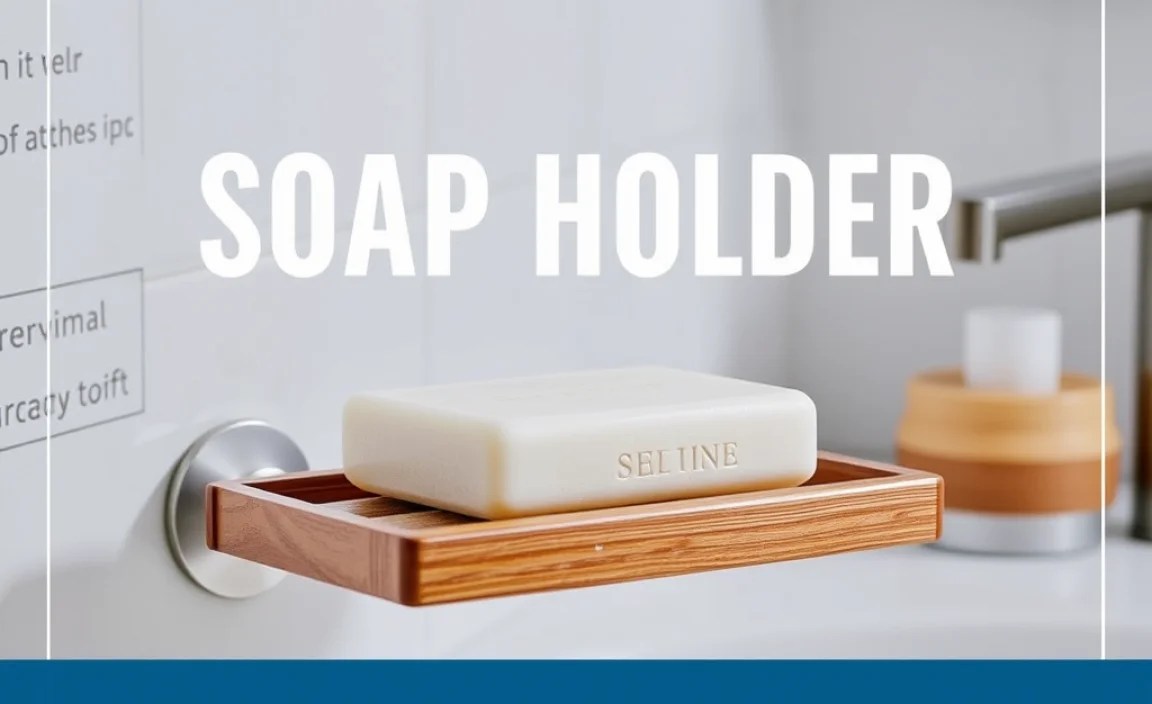
There’s a wide variety of soap holders available, each with its own design and installation method. Some sit on the edge of your sink or tub, while others mount directly to the wall. The material can range from sleek metal and ceramic to practical plastic and natural wood. Regardless of the style, their mission remains the same: to preserve your bar soap and maintain a cleaner, more pleasant bathroom environment.
Why Use a Soap Holder? The Essential Benefits

You might be thinking, “Can’t I just plop my soap on the side of the sink?” While possible, it’s far from ideal. Using a dedicated soap holder offers several significant advantages that contribute to a more hygienic, cost-effective, and aesthetically pleasing bathroom.
Extends Soap Lifespan
This is arguably the biggest benefit. When bar soap sits in water, it gradually dissolves. A soap holder, especially one with drainage or ventilation, allows the soap to dry out between uses. This significantly slows down the dissolving process, meaning your bar of soap will last much, much longer. This saves you money and reduces the frequency of needing to buy or replenish your soap.
Prevents Nasty Residue and Slime
Soggy, dissolving soap leaves behind a sticky, slimy residue. This residue can be unsightly, difficult to clean, and can harbor bacteria. A soap holder keeps the soap elevated, allowing water to drain away and preventing this gunk from accumulating on your sink, shower walls, or bathtub ledges. This means less scrubbing and a generally cleaner personal space.
Improves Bathroom Aesthetics and Organization
A dedicated soap holder offers a neat and tidy solution for storing your soap. Instead of a soap bar sitting precariously on a wet surface, it’s securely held in place. This instantly makes your bathroom look more organized and put-together. Many soap holders are designed to be stylish accents, adding a touch of elegance or practicality to your decor.
Promotes Better Hygiene
Wet soap is a breeding ground for bacteria and mold. By allowing the soap to dry properly, a soap holder helps to minimize the growth of these undesirable microorganisms. A drier bar of soap is generally a cleaner bar of soap, contributing to better overall bathroom hygiene.
Keeps Surfaces Dry and Slip-Free
When soap sits in a puddle, it creates a slippery hazard. This is especially true around tubs and showers where the risk of slipping is already higher. A soap holder prevents water from pooling, keeping the surrounding surfaces drier and reducing the risk of accidental slips and falls. This is a crucial safety benefit, particularly for families with children or elderly individuals.
Convenient Accessibility
A soap holder places your bar soap exactly where you need it, within easy reach. Whether it’s by the sink for handwashing or in the shower for bathing, your soap is always accessible and ready for use. This eliminates the need to search for your soap or awkwardly retrieve it from a messy puddle.
Types of Soap Holders and How They Work

The functionality of a soap holder hinges on a few key design principles: elevation, drainage, and sometimes, a holding mechanism. Here’s a look at the common types and how they achieve their purpose:
Dish or Tray Soap Holders
This is perhaps the most common type. It’s a small dish or tray designed to sit on a flat surface, like a countertop or shower shelf. These usually have raised edges to contain any dripping water and often feature ridges, holes, or grates at the bottom to allow water to drain away from the soap.
- How they work: They elevate the soap and provide a channel for water to run out. Some have a second layer or a sloped design to direct water into a collection reservoir or off the edge.
Wall-Mounted Soap Holders
These are attached directly to the shower wall or above the sink using screws, adhesive, or suction cups. They typically feature a pronged mechanism or a basket/tray that holds the soap securely.
- How they work: They lift the soap away from any surface and are designed with open structures or angled bases to ensure maximum airflow and water drainage. The wall mounting ensures they stay put and don’t hog counter space. For best practices in bathroom installation, consult resources like This Old House’s guides on bathroom fixture installation.
Soap Saver Bags or Pouches
These are mesh or fabric bags designed to hold a bar of soap. You place the soap inside the bag, and it can then be hung up to dry.
- How they work: The mesh or porous material allows water to drain and air to circulate, drying the soap. They also create a lather directly in the bag, so the entire bag can be used for scrubbing, acting like a washcloth.
Magnetic Soap Holders
A clever invention, these holders consist of two parts: a small metal disc that you press into your bar soap, and a magnetic bracket that you mount to the wall or place on the sink edge. The disc sticks to the bracket, suspending the soap in the air.
- How they work: The magnet provides a strong hold, and the soap is suspended completely free from any surface, allowing for maximum air circulation and quick drying.
In-Sink or Shower Caddy Holders
Often part of a larger shower caddy or a specialized in-sink organizer, these are compartments designed to hold soap. They usually have drainage holes integrated into their design.
- How they work: Similar to dish holders, they provide a designated spot and allow water to escape through perforations. The advantage is their integration into a larger storage system.
Understanding the Cons: Are There Downsides to Soap Holders?

While a soap holder offers many advantages, no accessory is perfect. It’s important to be aware of potential drawbacks to make an informed decision for your specific needs. The disadvantages are generally minor and often related to specific types or user habits.
Potential for Mold or Mildew Growth (If Not Cleaned)
This is the most significant potential con, but it’s largely user-error related. If water consistently pools around a soap holder, or if the holder itself has nooks and crannies that don’t dry out, mold or mildew can eventually form. This is especially true for porous materials like certain types of wood or unglazed ceramics if not properly maintained.
- The Fix: Regular cleaning is key! Rinse and wipe down your soap holder periodically, and ensure there’s adequate airflow. For a deeper clean, you can often use baking soda paste or a diluted vinegar solution.
Can Be an Extra Clutter Item
While designed to organize, a poorly chosen or excessively large soap holder can sometimes add to visual clutter, especially in small bathrooms. A bulky dish or a poorly placed wall-mounted unit might feel more obtrusive than helpful.
- The Fix: Opt for minimalist designs. Consider suction cup or magnetic holders if you prefer a less permanent or visually dominant solution. Measure your space before buying.
Installation Hassles (for some types)
Wall-mounted soap holders that require drilling can be a deterrent for those who aren’t comfortable with DIY installations or who rent their homes. While many options are available, some might require tools and a bit of effort to put up securely.
- The Fix: Explore adhesive or suction cup options first. If you’re set on a drilled-in model, consider hiring a handyman for a small fee or asking a handy friend for assistance.
Soap Loss or Falling Out
In some designs, particularly those with simple grooves or cradles, a bar of soap, especially a small or slippery one, might occasionally slip out and fall. This is more likely with vigorous use or if the holder isn’t the right shape for the soap bar.
- The Fix: Ensure the soap bar fits snugly into the holder’s design. Magnetic holders and soap saver bags are excellent for preventing this issue.
Material Degradation Over Time
Like any bathroom accessory exposed to water and humidity, soap holders can degrade. Plastic can become brittle or discolored, metal can rust or corrode (if not stainless steel or properly coated), and some finishes can wear off.
- The Fix: Choose durable materials known for their resistance to moisture and wear, such as stainless steel, ceramic glazed properly, or high-quality plastics. Proper maintenance, as mentioned, also helps.
Cost
While basic plastic holders are very inexpensive, more stylish or advanced options (like high-end ceramic, brushed nickel, or magnetic systems) can add up. If you’re on a tight budget, this might be a consideration.
- The Fix: Start with a very basic, functional holder if budget is a concern. You can always upgrade later. Many excellent, affordable options exist that do the job perfectly well.
Comparing Soap Holder Materials
The material of your soap holder can impact its durability, aesthetics, ease of cleaning, and even how well it performs. Here’s a quick comparison of common materials:
| Material | Pros | Cons | Best For |
|---|---|---|---|
| Plastic (ABS, Acrylic) | Inexpensive, lightweight, easy to clean, wide variety of colors and styles. Often has good drainage design. | Can look cheap, may scratch or stain over time, less durable than metal or ceramic. | Budget-conscious buyers, temporary solutions, kids’ bathrooms. |
| Ceramic/Porcelain | Elegant look, easy to wipe clean, resistant to rust and corrosion. Often stable and heavy. | Can chip or break if dropped, heavier to ship, designs can sometimes trap water if not well-designed. | Stylish bathrooms, permanent fixtures, sink edges. |
| Stainless Steel | Durable, rust-resistant, modern appearance, hygienic, easy to clean. Excellent for shower environments. | Can be more expensive, some lower grades can still spot or corrode. | Modern bathrooms, humid shower environments, durability. |
| Bamboo/Wood | Natural, eco-friendly aesthetic, naturally resistant to mold and mildew (if treated properly). | Requires more maintenance (oiling to prevent cracking/warping), can warp if constantly wet, slower drying if not well-ventilated. | Eco-conscious homes, rustic or spa-like bathrooms, for those willing to do minimal maintenance. |
| Glass | Sleek, modern look, easy to clean, non-porous. | Fragile, can break if dropped or impacted, limited styles. | Minimalist or high-end bathrooms where fragility is not a major concern. |
| Silicone | Flexible, non-slip, mildew-resistant, easy to clean, sticks well to surfaces. | Can attract lint or hair, can sometimes have a “cheaper” feel, might not hold shape as well for heavy soaps. | Shower walls, sink edges, non-slip needs. |
Choosing the Right Soap Holder for Your Needs
Selecting the perfect soap holder involves a few simple considerations. Think about your bathroom’s layout, your personal style, and how you use your soap.
1. Consider Your Space
Measure the available space. Do you have ample counter space, or is your sink area already crowded? For small bathrooms, a wall-mounted or corner unit might be ideal. If you have a large vanity, a countertop dish could work well.
2. Think About Installation
Are you comfortable drilling into tiles or walls? If not, look for adhesive, suction-cup, or freestanding models. Renters often prefer non-permanent options.
3. Match Your Decor
Soap holders come in countless styles. Choose one that complements your existing bathroom fixtures and overall aesthetic, whether it’s modern, traditional, rustic, or minimalist.
4. Prioritize Drainage and Airflow
This is the most critical functional aspect. Look for designs with ample drainage holes, sloped bases, or raised ridges that keep the soap from sitting in water. Materials like metal grates or mesh bags offer superior airflow.
5. Evaluate Durability and Material
Consider how long you want the holder to last and how much wear and tear it will experience. Stainless steel and glazed ceramic are generally very durable. For a more natural look, look for treated woods or bamboo.
6. Consider the Type of Soap You Use
If you use very small bars, a holder with deeper grooves or a magnetic system might be best to prevent them from falling. Larger, thicker bars might fit better in a tray or basket style.
Step-by-Step Installation: A Common Wall-Mounted Example
Let’s walk through a typical installation for a wall-mounted soap holder that uses adhesive. This is often a good choice for renters or those who want a secure hold without drilling.
Tools and Materials You Might Need:
- Wall-mounted soap holder kit (including adhesive strips or mounting plate)
- Rubbing alcohol or a specialized surface cleaner
- Clean cloths or paper towels
- Level (optional, but recommended for a straight installation)
- The soap holder itself
Installation Steps:
- Clean the Surface: Choose the desired location for your soap holder. Thoroughly clean the tile or surface with rubbing alcohol or a degreaser. This removes any soap scum, oils, or dust that could prevent the adhesive from sticking properly. Make sure the area is completely dry before proceeding.
- Prepare the Adhesive: If your holder comes with adhesive strips, peel off the backing from one side. If it has a mounting plate with a double-sided adhesive pad, attach the pad to the plate.
- Position the Holder: Carefully align the soap holder (or its mounting plate) with the cleaned area. For a perfectly straight installation, you can use a small level at this stage. Press firmly onto the surface.
- Apply Pressure: Once positioned, apply firm, even pressure for at least 30-60 seconds. This ensures the adhesive makes maximum contact with the wall.
- Allow Adhesive to Cure: This is a crucial step that many people skip. Most strong bathroom adhesives require time to cure and reach their full bonding strength. The packaging for your specific holder will indicate the recommended waiting time, which can range from several hours to 24 hours. Resist the urge to hang the holder or place soap in it before this time is up.
- Attach the Holder (if applicable): If your holder has a separate mounting plate, you’ll typically slide or snap the main holder onto the plate after it has cured.
- Final Check: Gently test the holder to ensure it’s secure. You can then place your bar soap in it.
For those using screw-mounted holders, the process involves marking holes, drilling pilot holes, inserting anchors (if necessary), screwing the holder in place, and then adding the decorative cover. Always follow the manufacturer’s instructions specific to your product. When in doubt, understanding common bathroom fixture installation techniques, like those described by home improvement experts, can be very helpful. Resources from organizations like the Federal Trade Commission (FTC) on DIY Home Repairs can offer general safety and planning advice.
Maintaining Your Soap Holder for Longevity
A little regular care goes a long way in keeping your soap holder functional and hygienic. Most maintenance is straightforward and requires minimal effort.
