
Understanding the structure of drains in construction is key to ensuring proper water management in any building project. This guide breaks down the essential components and functions of construction drainage systems, making it clear and easy for beginners to grasp the fundamentals.
Dealing with water is a huge part of any construction project, whether you’re building a cozy home or a massive commercial space. If water isn’t managed properly, it can cause all sorts of headaches, from soggy foundations to foundation damage. The good news is, understanding the basic structure of drains in construction doesn’t have to be complicated. It’s all about getting water where it needs to go, safely and effectively.
This guide will walk you through the different parts of a drain system, how they work together, and why they are so important. We’ll break down the technical bits into simple, easy-to-understand language. Ready to dive in? Let’s explore the essential world of construction drains.
Why Drainage Structure Matters in Construction
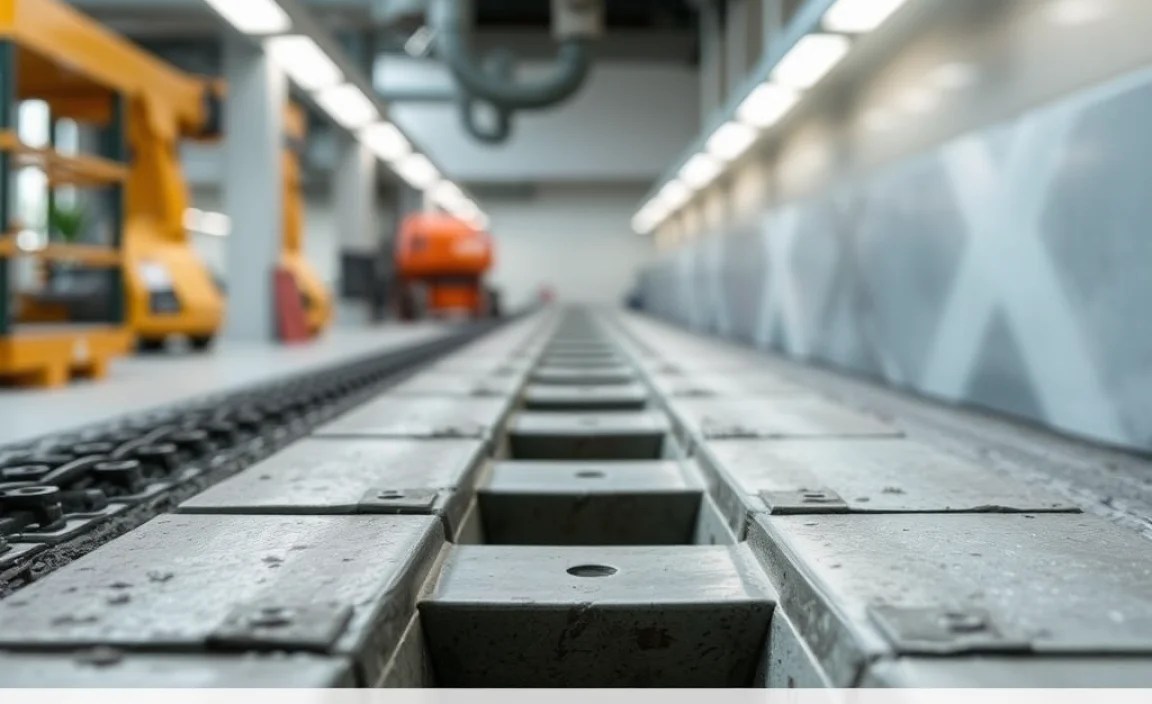
Imagine building a beautiful house, but without a clear plan for where rainwater will go. It would quickly pool around the foundation, seep into the walls, and potentially cause serious damage over time. This is why the structure of drains in construction isn’t just an add-on; it’s a fundamental part of building a stable, long-lasting structure. Effective drainage protects your investment and ensures the health and safety of occupants.
Properly designed and installed drainage systems prevent a range of problems:
- Foundation Integrity: Excess water can put immense pressure on foundations, leading to cracks and structural weaknesses.
- Moisture Damage: Water intrusion can cause mold, mildew, and rot in building materials, affecting indoor air quality and material longevity.
- Erosion: Surface water can wash away soil from around the building’s perimeter, exposing foundations and landscaping.
- Pest Infestations: Damp environments are attractive to many types of pests, including insects and rodents.
- Frost Heave: In colder climates, water trapped in the soil near foundations can freeze and expand, pushing against the structure.
By understanding the “structure of drain in construction,” you’re essentially learning how to build with resilience against water’s powerful natural forces. It’s about working with nature, not against it.
Key Components of a Construction Drain System

A drain system isn’t just one big pipe. It’s a network of carefully designed components that work together to collect, transport, and dispose of water. Let’s break down the main players in this essential system.
1. Catch Basins (or Gutter Drains)
These are the most visible parts of many drainage systems, especially for surface water. Catch basins are essentially grates or openings that sit at low points on the ground or along paved areas. Their primary job is to capture runoff water.
- Function: They collect rainwater, snowmelt, and other surface water.
- Design: Typically consist of a grate (to prevent large debris from entering) and a below-ground chamber or sump. The sump is designed to trap sediment and debris, preventing them from clogging the main drainage lines.
- Placement: Found in driveways, patios, parking lots, and low-lying areas of a construction site where water tends to accumulate.
Think of a catch basin as the first line of defense, grabbing water before it can cause problems and filtering out the big junk.
2. Guttering and Downspouts
For buildings, especially homes and smaller structures, the roof is a major source of rainwater. Guttering and downspouts are specifically designed to manage this runoff.
- Guttering: These channels run along the edges of the roof to collect water that cascades off the roof surface.
- Downspouts: Vertical pipes that connect to the gutters and direct the collected water away from the building’s foundation, usually to an underground drainage system, a surface drain, or a dispersal area.
A seamless connection between gutters and downspouts, and then to an effective discharge system, is crucial for keeping basements dry and preventing soil erosion around the building’s perimeter.
3. French Drains (or Weeping Tile Systems)
These are a type of underground drainage system designed to intercept and redirect subsurface water. They are particularly useful for managing groundwater or water that has seeped into the soil.
- Structure: A trench filled with gravel and a perforated pipe. The gravel allows water to easily enter the pipe.
- Perforated Pipe: This pipe has small holes that allow water from the surrounding soil to seep in.
- Fabric Wrapping: Often, the pipe and gravel are wrapped in landscape fabric to prevent soil and fine sediment from clogging the system.
- Slope: French drains are installed with a slight slope to ensure gravity pulls the water away to a designated discharge point, such as a storm drain, dry well, or lower section of the property.
French drains are excellent for preventing hydrostatic pressure from building up against basement walls and for lowering the water table in waterlogged yard areas. Properly installing a French drain is a critical step in many construction and landscaping projects, especially for new home builds. For more on how effective drainage can protect your property, check out resources from organizations like the U.S. Environmental Protection Agency on water-smart landscaping.
4. Storm Drains and Sewers
These are the larger conduits that receive water from catch basins, downspouts, and sometimes French drain outfalls. They form the backbone of municipal or large-scale drainage networks.
- Function: To transport large volumes of stormwater away from developed areas to a safe discharge point.
- Construction: Typically large-diameter pipes or covered channels made of concrete, plastic, or metal.
- Discharge Points: This water is usually directed to rivers, lakes, detention ponds, or specialized treatment facilities. It is important to note that in many areas, stormwater is kept separate from sanitary sewer systems to prevent overwhelming wastewater treatment plants.
The design and capacity of storm drains are crucial for preventing urban flooding during heavy rainfall events. Understanding the difference between storm drains and sanitary sewers is vital for correct system design.
5. Dry Wells
A dry well is an underground, porous structure designed to collect and absorb excess surface water or discharge from other drainage systems, such as French drains. It’s essentially a way to let water soak back into the ground gradually.
- Structure: Often a large pit filled with gravel or a prefabricated tank with perforations.
- Function: When a storm drain or French drain empties into a dry well, the water infiltrates into the surrounding soil.
- Benefits: Helps to recharge groundwater, reduce surface runoff, and prevent localized flooding.
Dry wells are particularly useful where direct discharge to a storm sewer is not feasible or allowed, or to help manage water on properties with high water tables or impermeable soils.
6. Sump Pumps (and Sump Pits)
While not strictly part of an outdoor drainage system, sump pumps are essential for managing water that infiltrates the lowest parts of a building, like basements and crawl spaces. For areas prone to high groundwater levels or heavy rainfall, a sump pump is a critical component of the overall structure of drain in construction.
- Sump Pit: A hole or basin dug into the basement floor. Water that collects in the basement, often via weeping tile systems around the foundation, is directed into this pit.
- Sump Pump: An electric pump submerged in the sump pit. When the water level in the pit rises to a certain point, a float switch activates the pump, pushing the water out of the building through a discharge pipe.
A reliable sump pump system is a lifesaver for properties below ground level or in flood-prone areas, ensuring that minor water intrusion doesn’t turn into a major problem.
How These Components Work Together: The Drainage Flow
The beauty of a well-designed drainage system lies in its interconnectedness. Water moves through these components in a predictable, gravity-driven flow to prevent it from lingering where it can cause harm.
- Collection: Water begins its journey from the highest points. On a building, this starts with the roof, where gutters collect rainwater. On the ground, catch basins and surface drains capture runoff from driveways, yards, and paved areas.
- Primary Transport: Water from gutters flows down through downspouts. Runoff collected by catch basins enters underground pipes directly. If the ground itself is saturated or water is collecting near the foundation, French drains take over, intercepting subsurface water.
- Secondary Transport & Consolidation: All these smaller flows converge into larger storm drain pipes. These pipes are carefully sloped to ensure continuous movement of water away from the construction site or building.
- Discharge or Absorption: Finally, the water from the storm drain system is directed to a safe discharge point. This could be a natural body of water (like a river or lake), a detention or retention pond designed to slowly release water, or a dry well where it can safely percolate back into the earth. In basements, sump pumps act as a final defense, expelling any water that makes it past the exterior defenses.
The overarching principle is minimizing the time water spends in contact with building materials and soil around the foundation. Creating a clear path downhill for water is the fundamental goal of any draining structure.
Types of Drainage Systems in Construction

Beyond the individual components, construction projects utilize different overall drainage strategies depending on the site and the building type. Understanding these helps in appreciating the comprehensive approach to water management.
Surface Drainage Systems
These systems manage water that flows over the ground’s surface. They are typically the most visible and the first line of defense against pooling water.
- Components: Gutters, downspouts, catch basins, swales (shallow, vegetated channels designed to carry water), and sloping the land itself away from structures.
- Purpose: To direct rainwater and snowmelt away from building foundations and sensitive areas before it can soak into the ground.
- Pros: Relatively easy to install and maintain, highly visible for quick cleanup of debris.
- Cons: Can be less effective during very heavy rainfall, susceptible to clogging by leaves and debris if not maintained.
Subsurface Drainage Systems
These systems deal with water located beneath the ground’s surface, such as groundwater or water that has percolated through the soil.
- Components: French drains, perforated pipes (often called weeping tiles when installed around foundation perimeters), and sump pumps.
- Purpose: To lower the water table, prevent hydrostatic pressure against foundation walls, and drain saturated soil.
- Pros: Highly effective at preventing basement flooding and foundation damage from groundwater, often works unseen.
- Cons: More complex and costly to install, harder to diagnose and fix when problems arise, can be clogged by sediment over time.
Stormwater Management Systems
These are often larger, more integrated systems designed to handle significant volumes of water generated from rainfall over a specific area, such as a neighborhood or a commercial development. They focus not just on moving water but also managing its impact.
- Components: Extensive networks of storm sewers, detention ponds (designed to hold water temporarily and release it slowly), retention ponds (designed to hold water permanently, often with aquatic life), bioswales, and permeable paving systems.
- Purpose: To control peak flow rates, reduce erosion, improve water quality by filtering pollutants, and recharge groundwater.
- Pros: Effectively mitigate flooding on a larger scale, can improve environmental quality.
- Cons: Require significant planning, engineering, and land use, can be costly to construct and maintain.
The choice of system depends heavily on factors like local climate, soil type (USDA NRCS offers soil survey data that can inform this), topography, and regulatory requirements.
Choosing the Right Materials for Drain Construction

The materials used in drain construction are critical for longevity and performance. They need to withstand pressure, corrosion, and the elements. Here’s a look at common materials and why they’re chosen.
Pipes
- PVC (Polyvinyl Chloride): Very common for its durability, resistance to corrosion and chemicals, and ease of installation. Available in various schedules (thicknesses) for different pressure ratings.
- ABS (Acrylonitrile Butadiene Styrene): Similar to PVC but often more impact-resistant, especially in colder temperatures. Generally black in color.
- HDPE (High-Density Polyethylene): Flexible, strong, and resistant to abrasion and chemical exposure. Often used for larger-diameter storm drains and underground applications.
- Concrete: Used for larger storm sewers and manholes due to its structural strength and durability. Can be susceptible to chemical corrosion over long periods.
- Cast Iron: Historically used, especially for sanitary sewers, but less common now due to cost and weight. Still valued for extreme durability in certain applications.
Gratings and Covers
- Cast Iron: Heavy-duty, durable, and resistant to damage. Often used for street grates and catch basins.
- Steel (Galvanized or Coated): Lighter than cast iron, offers good strength, and corrosion resistance when treated.
- Aluminum: Lightweight and corrosion-resistant, often used in decorative or lighter-duty applications.
- Plastic/Composite: Increasingly popular for their light weight, corrosion resistance, and lower cost. Modern composites are very strong.
Gravel and Filter Fabric
- Gravel (Clean, Washed): Provides a porous medium for water to flow through to the perforated pipes in French drains and dry wells. Size is important to prevent compaction and ensure good drainage.
- Geotextile Fabric (Filter Fabric): This permeable material is crucial for French drains and around perforated pipes. It allows water to pass through while preventing soil and fine particles from clogging the system.
The selection of materials should always consider the specific application, expected water volume, soil conditions, and local building codes. Always refer to manufacturer specifications and local regulations.
Installation Considerations for Drain Systems
Even the best-designed system can fail if not installed correctly. Here are key considerations for ensuring a functional and long-lasting drain structure.
1. Proper Grading and Slope
This is perhaps the most critical factor. Water needs a constant downward path. Even a slight inconsistency in slope can create a low spot where water collects, defeating the purpose of the drain.
- Rule of Thumb: A typical slope for drainage pipes is between 1% and 2% (a drop of 1 to 2 feet per 100 feet of pipe length). However, this can vary based on pipe size and expected flow. Check local codes or engineering recommendations.
- Surface Grading: Ensure the ground itself slopes away from foundations and towards catch basins.
2. Ensuring Debris-Free Entry
The point where water enters the drain system is a common choke point.
- Grate Selection: Use grates that are appropriate for the expected debris. For areas with lots of leaves, a finer grate might be needed, but it must be balanced with flow capacity.
- Catch Basin Maintenance: Regularly clean out the sumps of catch basins to prevent sediment from entering the main drain lines. Early detection of potential clogs is key.
3. Protection Against Sediment and Root Intrusion
Fine particles and plant roots are common enemies of drainage systems.
- Filter Fabric: Essential for French drains and around weeping tiles to prevent soil from clogging perforated pipes.
- Root Barriers: In areas with large trees, consider root barriers or root-pruning techniques.
- Proper Pipe Connections: Ensure all pipe joints are sealed properly to prevent roots from entering and to avoid soil washing out from around the pipe.
4. Depth and Cover
Drain pipes, especially those that might be exposed to foot or vehicle traffic, need to be installed at a sufficient depth to prevent damage.
- Frost Line: In colder climates, pipes must be buried below the frost line to prevent freezing and cracking.
- Traffic Loads: Depending on the expected loads (e.g., driveways), thicker-walled pipes or deeper burial may be required. Consult material specifications.
5. Discharge Point Management
Where does the water end up? This location is just as important as the collection points.
- Avoid Erosion: Discharge water in a way that doesn’t cause erosion at the outlet. Riprap (large stones) or other erosion control measures might be needed.
- Compliance: Ensure the discharge point complies with local environmental regulations. Dumping untreated stormwater directly into sensitive waterways is often prohibited.
