
Have you ever wondered why sinks don’t smell bad? The secret is hidden under the sink itself. It’s called the structure of trap in plumbing. This clever device keeps your home smelling fresh. Let’s explore how it works and why it’s so important.
The structure of trap in plumbing is like a hidden hero. It does its job quietly, without any fuss. But without it, things could get really stinky! So, what makes this simple device so special? Let’s dive in and find out.
Key Takeaways
- The trap prevents sewer gases from entering your home.
- The trap’s shape holds a water seal to block odors.
- Most plumbing traps are U-shaped or S-shaped.
- The structure of trap in plumbing includes pipes and joints.
- A functioning trap is key to a fresh-smelling home.
The Importance of Plumbing Traps
The structure of trap in plumbing is vital for keeping your home safe and odor-free. When you use a sink, water flows down the drain. It then passes through the trap. This creates a water seal that blocks sewer gases from coming up. Without this seal, unpleasant smells could fill your home.
- Traps are found under sinks, tubs, and toilets.
- They are usually made of metal or plastic.
- The water seal stops sewer gases.
- Traps also catch debris to prevent clogs.
- Most traps are easy to clean or replace.
- Each kind of trap fits specific plumbing needs.
>
Plumbing traps come in different shapes and sizes. The most common are U-shaped or S-shaped. These shapes help hold water in place, ensuring the seal stays intact. Maintaining a trap is easy. Simply check it regularly for clogs and clean it when needed. A well-maintained trap will continue to protect your home from unwanted smells.
Fun Fact: Plumbing traps were invented in the 18th century and have been used ever since!
How Do Traps Work?
Imagine pouring water into a cup. If you turn the cup sideways, water stays until it spills. This is like how a plumbing trap works. When water flows down your sink, some stays in the trap. This water forms a seal that blocks sewer gases. So, even if gases try to come up, they can’t pass the water barrier. Isn’t it amazing how such a simple design can keep your home fresh and clean?
Different Types of Traps
There are various types of plumbing traps, each designed for specific uses. P-traps are common in homes and are U-shaped. S-traps have a longer curve and were often used in older plumbing systems. Bottle traps are straight and compact, ideal for tight spaces. Choosing the right trap depends on your plumbing needs. Each type has its own pros and cons, but they all serve the same important purpose.
Maintaining Your Plumbing Trap
Keeping your trap in good shape is easy. Check under your sink for leaks or clogs. Every few months, clean the trap by unscrewing it and removing any debris. This ensures a strong water seal and prevents odors. If you find a problem, don’t worry! Replacement traps are affordable and easy to install. Regular maintenance keeps your plumbing system running smoothly.
Understanding Trap Anatomy
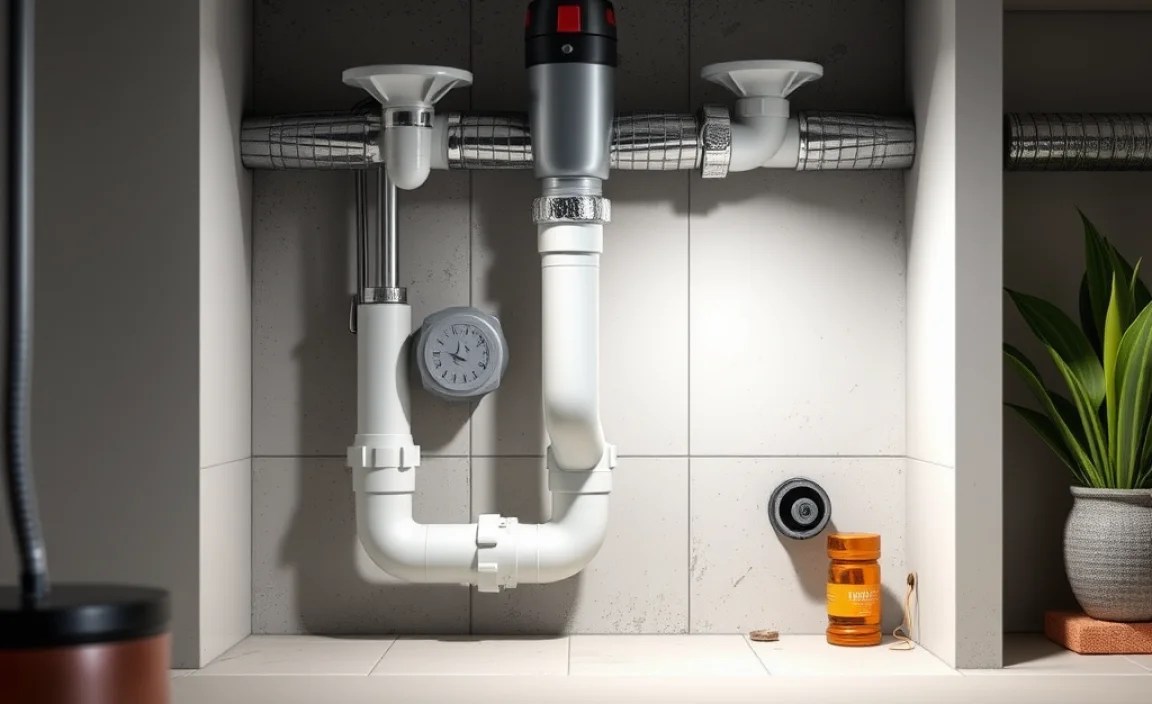
The structure of trap in plumbing includes several key parts. These parts work together to form a strong water seal. First, there’s the inlet, where water enters the trap. Next is the curve, which holds the water to create the seal. Finally, there’s the outlet, where water exits the trap. These parts fit snugly to prevent leaks and ensure the trap works effectively.
- Inlet pipe connects to the drain.
- The curve forms the water seal.
- Outlet pipe leads to the main plumbing line.
- Joints secure the trap parts together.
- Materials used include plastic and metal.
- Traps are easy to assemble and install.
Each part of the trap serves a purpose. The inlet and outlet pipes guide water flow. The curve holds water for the seal, and joints ensure everything stays connected. The materials used for traps are durable and can withstand constant water flow. Understanding these parts helps when maintaining or installing a new trap.
Fun Fact: The first plumbing codes, which included trap designs, were established in the 1800s!
The Role of Water in the Trap
Water plays a crucial role in the structure of trap in plumbing. It forms the protective seal that blocks sewer gases. Whenever you use a sink, fresh water replaces old water in the trap. This cycle ensures the seal stays strong. Even a small amount of water is enough to prevent gas from escaping. So, remember, keeping water in the trap is key to its function.
Why Traps Can Fail
Sometimes, traps can stop working properly. This is usually due to clogs or dry traps. When debris builds up, it blocks the water flow, weakening the seal. A dry trap occurs when water evaporates, breaking the seal. Regular use of sinks prevents dry traps. If you have a dry trap, running water for a few minutes will fix it. Maintaining the trap’s water level is crucial.
Replacing a Plumbing Trap
Replacing a broken trap is simple. First, turn off the water supply. Unscrew the old trap and remove it. Then, fit the new trap parts together, ensuring a snug fit. Screw the new trap into place, and turn the water back on. Check for leaks, and you’re done! With a little practice, anyone can replace a plumbing trap.
Installing New Plumbing Traps

Installing a new structure of trap in plumbing is a straightforward process. Start by gathering the necessary tools. You’ll need a wrench, plumber’s tape, and the new trap components. Begin by turning off the water supply. Remove the old trap by unscrewing it from the pipes. Clean any debris from the pipe ends, then attach the new trap, ensuring all joints are tight.
- Gather tools like a wrench and plumber’s tape.
- Turn off the water supply first.
- Remove the old trap carefully.
- Clean the pipes before installation.
- Attach the new trap securely.
- Check for leaks after installation.
Once the new trap is in place, turn the water supply back on. Run water through the sink to check for leaks. If you find any, tighten the connections. With practice, installing a new trap can be a quick and easy task. Following these steps ensures your plumbing system continues to function smoothly.
Fun Fact: The word “plumbing” comes from the Latin word “plumbum,” meaning lead!
Choosing the Right Trap
Choosing the right trap depends on your plumbing needs. Consider the space under your sink and the type of pipes you have. P-traps are versatile and fit most modern plumbing systems. S-traps require more space but work well in older homes. Bottle traps save space and are ideal for small areas. Picking the right trap ensures a secure fit and effective performance.
Tools Needed for Installation
To install a new trap, you’ll need a few basic tools. A wrench helps to tighten and loosen connections. Plumber’s tape ensures a snug fit and prevents leaks. You may also need a bucket to catch any leftover water. Having these tools on hand makes the installation process smooth and stress-free. With a little practice, you’ll become a plumbing pro!
Common Mistakes to Avoid
A common mistake is not securing the joints tightly. Loose joints can cause leaks and weaken the water seal. Another mistake is not cleaning the old pipe ends before installing a new trap. Debris can prevent a tight fit. Lastly, forgetting to check for leaks after installation can lead to bigger problems. Being mindful of these mistakes ensures a successful installation.
Plumbing Trap Materials and Choices
The structure of trap in plumbing can be made from various materials. Each material has its own advantages. Plastic traps are lightweight and easy to install. They’re also affordable and resistant to rust. Metal traps, like those made from chrome or brass, are more durable. They provide a sleek look and are great for visible plumbing areas.
- Plastic traps are lightweight and rust-resistant.
- Metal traps are durable and stylish.
- Brass traps offer a classic look.
- Chrome traps are shiny and modern.
- Choose material based on location and budget.
- Both materials perform well with proper maintenance.
When choosing a trap, consider where it will be installed. If the trap is under a sink and not visible, plastic is a great option. For exposed plumbing, metal traps offer a more polished look. Both materials perform well and last a long time with proper care. Regular maintenance ensures your trap remains in top condition.
Fun Fact: Brass traps were commonly used in the early 1900s and are still popular today!
Plastic vs. Metal Traps
Plastic and metal traps each have pros and cons. Plastic traps are cost-effective and easy to handle. They’re perfect for hidden plumbing. Metal traps, while more expensive, are durable and offer a stylish finish. They’re ideal for visible areas. Both materials work well, so choose based on your needs and budget.
Cost Considerations
The cost of traps varies based on material and design. Plastic traps are usually less expensive, making them a great choice for budget-friendly projects. Metal traps, especially those made of brass or chrome, cost more but offer a classy look. When selecting a trap, consider both the upfront cost and long-term maintenance. A higher price might mean better durability.
Maintenance Tips for Different Materials
Maintaining your trap is simple, whether it’s plastic or metal. For plastic traps, check for cracks regularly and replace them if necessary. Metal traps might need polishing to maintain their shine. Ensure all joints are tight to prevent leaks. Regular cleaning keeps your trap in good working condition. Taking care of your trap extends its life and keeps your home fresh.
Conclusion
The structure of trap in plumbing is essential for keeping homes odor-free. Understanding its components helps maintain a healthy plumbing system. Regular checks and cleaning ensure the trap works correctly. Remember the importance of water seals and keep your traps in top shape. With this knowledge, you can tackle any trap-related challenge!
FAQs
Question: Why is the trap’s water seal important?
Answer: The water seal blocks sewer gases from entering your home. This prevents unpleasant odors. It’s a simple yet effective way to maintain a fresh environment. Without it, gases could escape into the house, causing discomfort.
Question: Can I install a trap myself?
Answer: Yes, you can install a trap with basic tools. Make sure to turn off the water supply first. Follow the installation steps, ensuring joints are tight. This ensures a leak-free connection and proper function.
Question: What materials are traps made from?
Answer: Traps are made from plastic or metal. Plastic traps are lightweight and rust-resistant. Metal traps, like brass or chrome, are durable and stylish. Both materials work well with regular maintenance.
Question: How often should I check my trap?
Answer: Check your trap every few months. Look for leaks or clogs. Regular inspection ensures the trap’s water seal remains intact. This helps prevent odors and keeps your plumbing system healthy.
Question: What if my trap is dry?
Answer: A dry trap loses its water seal, allowing gases to escape. Run water through the sink to refill it. This restores the seal and blocks odors. Keeping water in the trap is key to its effectiveness.
Question: Why is the structure of trap in plumbing important?
Answer: The structure ensures plumbing functions correctly. It prevents sewer gas from entering homes. The trap’s design creates a water seal, blocking unpleasant odors. This simple device is crucial for maintaining a healthy environment.
