
Have you ever wondered how a toilet works? It’s not magic! Toilets have many parts that work together. We call these parts toilet components in plumbing. They make sure everything flushes and fills properly. Let’s dive in and learn about these amazing parts!
Key Takeaways
- Toilet components are essential for proper flushing.
- The tank holds water for flushing.
- A flapper controls water release from the tank.
- The fill valve refills the tank with water.
- Understanding toilet components in plumbing helps in repairs.
Understanding Toilet Components in Plumbing

Toilets might seem simple, but they have important parts inside. These toilet components in plumbing include the tank, bowl, and pipes. The tank stores water used for flushing. When you push the handle, water rushes into the bowl. The bowl is where waste goes, and it connects to pipes that lead to sewer lines. These components work together to keep toilets functioning.
- The tank holds water for flushing.
- The bowl collects waste and water.
- Pipes connect to sewer lines.
- The handle triggers the flush.
- The flush valve releases water.
- The drain pipe carries waste away.
Without these components, a toilet wouldn’t work. Imagine if the tank didn’t fill with water. You couldn’t flush! Or if the bowl didn’t connect to pipes, waste would have nowhere to go. These parts are crucial for a working toilet. Understanding them can help when something goes wrong.
Fun Fact or Stats : The average person flushes a toilet about five times a day!
The Role of the Tank
The tank is a vital part of any toilet. Have you ever lifted the lid? Inside, you’ll find water waiting for the next flush. The tank stores this water until it’s needed. When you press the handle, the tank releases water quickly. This water flows into the bowl, pushing waste through the pipes. Without the tank, a toilet would be useless. The tank’s job is to ensure that the toilet can flush efficiently.
Mechanics Behind the Flush
Flushing a toilet seems simple, right? But many parts work together to make it happen. First, you press the handle. This action lifts a chain that opens the flapper. The flapper is a rubber seal. It opens the tank, allowing water to rush into the bowl. This force pushes waste down the pipes. Once the tank empties, the flapper closes, and the tank refills with water. It’s a fascinating process to watch!
The Fill Valve’s Important Job
After a flush, the tank needs water again. This is where the fill valve comes in. The fill valve controls how much water goes back into the tank. Think of it as the tank’s refill system. You might hear it working after a flush. The fill valve ensures the tank has enough water for the next flush. If it doesn’t work, the toilet won’t flush properly. A broken fill valve might make the toilet run continuously.
The Role of the Flapper in Toilets

The flapper is a critical component in toilets. It’s a small rubber piece inside the tank. The flapper acts like a gate. When you flush, it lifts and releases water into the bowl. It then falls back to seal the tank again. This action is vital for a proper flush. A worn or broken flapper can cause leaks. If the flapper doesn’t seal well, water keeps flowing, wasting water and money.
- The flapper lifts when you flush.
- It allows water into the bowl.
- It seals the tank after flushing.
- A broken flapper can cause leaks.
- Flappers are usually made of rubber.
If your toilet runs constantly, check the flapper. It might need replacing. Replacing a flapper is a simple fix. It’s one of the easiest repairs for a toilet. Knowing how the flapper works can save you time and effort.
Fun Fact or Stats : Toilets use 1.6 gallons of water per flush on average!
How Flappers Affect Water Usage
Did you know a faulty flapper can waste water? When the flapper doesn’t close properly, water leaks. This constant leak can add up to gallons lost each day. Have you ever heard a toilet running when no one used it? That might be a flapper problem. Fixing or replacing a flapper can save water and lower bills. It’s an easy way to help the environment and your wallet.
Recognizing Flapper Problems
How can you tell if a flapper is bad? Listen for a running toilet. Check inside the tank. Is the flapper sealing tightly? If not, it’s time for a change. Flappers wear out over time. They become less flexible and don’t seal well. Replacing a flapper is simple. It just takes a few minutes and basic tools. A new flapper can make your toilet work like new!
Choosing the Right Flapper
Not all flappers are the same. When buying a new one, check your toilet’s brand. Some toilets need specific flappers. Others use universal ones. Make sure the new flapper fits well. A good fit ensures a proper seal. Have you ever bought the wrong part? It can be frustrating. Take your old flapper to the store to match it. This makes sure you get the right replacement.
The Powerful Flush Valve
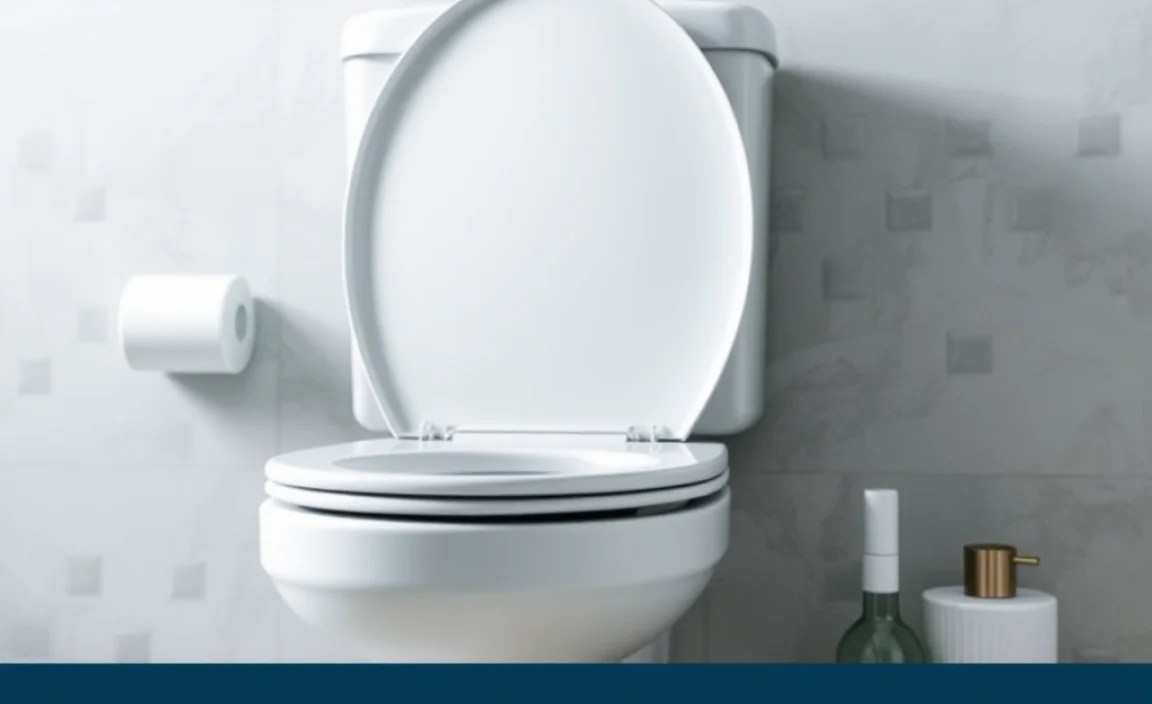
The flush valve is a key player in the toilet’s operation. It sits at the bottom of the tank. When you flush, the valve opens to let water flow. This rush of water cleans the bowl. The flush valve works with the flapper to control water release. A faulty flush valve can cause problems. It might lead to weak flushes or leaks.
- The flush valve releases water from the tank.
- It works with the flapper.
- A broken valve can cause leaks.
- Flush valves come in various sizes.
- Proper fit is crucial for efficient flushing.
Replacing a flush valve can solve many toilet issues. If your toilet isn’t flushing well, check the valve. It might need cleaning or replacing. A working flush valve ensures strong, effective flushes. It’s another part where understanding can help with repairs.
Fun Fact or Stats : A flush valve can release up to 30 gallons per minute!
Flush Valve Sizes Matter
Did you know flush valves come in different sizes? The size affects how well it works. A larger valve can release more water quickly. This helps with a powerful flush. But, bigger isn’t always better. It needs to fit your toilet model. Have you ever tried to fit a wrong-size part? It can cause leaks and poor performance. Always check the flush valve size before buying a new one.
Signs of a Failing Flush Valve
How do you know if the flush valve needs help? Look for weak flushes. If the toilet doesn’t clear waste well, the valve might be clogged. Leaks can also signal a problem. Water pooling around the toilet base is a red flag. Have you noticed higher water bills? A leaking valve could be the cause. Checking the valve can prevent these issues.
Replacing a Flush Valve
Replacing a flush valve might sound hard, but it’s doable. First, turn off the water. Then, drain the tank. Remove the old valve carefully. Have you ever built something from a kit? Installing a new valve is similar. Follow instructions step-by-step. A new flush valve can improve toilet performance. It’s a great DIY project that saves money on repairs.
Pipes and Their Importance
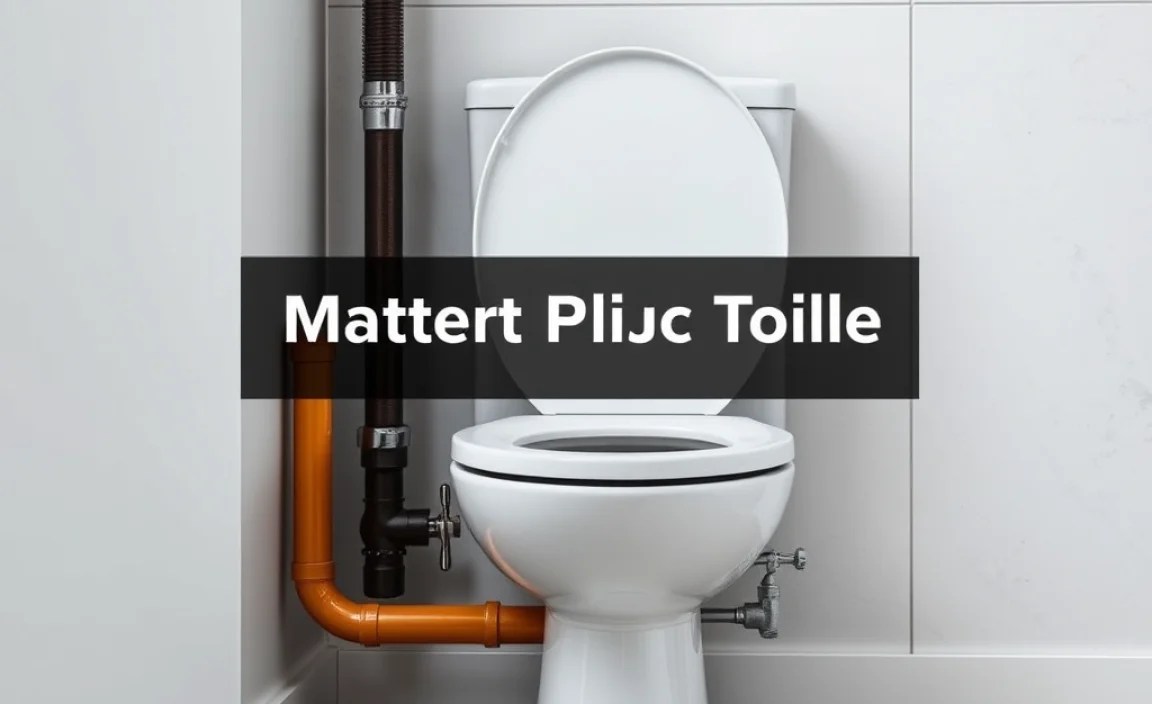
Pipes are like the highway for waste in toilets. They connect the toilet to the sewer line. After flushing, waste travels through these pipes. Pipes need to be clear for waste to pass smoothly. Blocked pipes can cause backups. Regular maintenance helps keep them open and working well.
- Pipes connect toilets to sewer lines.
- They carry waste away from homes.
- Clogs in pipes cause backups.
- Pipes need regular cleaning.
- Proper installation is crucial.
Have you ever had a clogged toilet? It’s not fun! Blocked pipes can lead to messy overflows. Keeping pipes clear avoids these problems. Understanding how pipes work helps in keeping plumbing systems healthy.
Fun Fact or Stats : Pipes in plumbing can last up to 70 years with proper care!
What Causes Pipe Clogs?
Pipes can clog for many reasons. Ever seen someone flush something unusual? That’s a common cause. Only flush toilet paper and waste. Other items can block pipes. Tree roots can also invade pipes. They grow towards moisture, like water in pipes. Have you experienced a slow drain? That might mean a clog. Regular checks and using strainers help prevent clogs.
How to Clear Blocked Pipes
Need to clear a blocked pipe? You can use a plunger. It creates a seal and pressure to push clogs. For tough clogs, try a plumbing snake. Ever used a long, flexible tool? A snake works similarly, reaching deep into pipes. Sometimes, a professional might be needed. Have you heard about hydro jetting? It’s a powerful water spray that clears stubborn clogs.
Maintaining Healthy Pipes
Keeping pipes healthy is important. Use strainers to catch debris. Flush only approved items. Regularly clean pipes with baking soda and vinegar. Have you tried this natural cleaner before? It’s safe and effective. Avoid using harsh chemicals that can damage pipes. Conducting routine checks helps spot problems early. This keeps your plumbing system running smoothly.
| Component | Function | Common Issues | Maintenance Tips |
|---|---|---|---|
| Tank | Stores water for flushing | Leaking | Check seals |
| Flapper | Allows water release | Worn out | Replace regularly |
| Flush Valve | Controls water flow | Clogged | Clean regularly |
| Pipes | Carries waste away | Clogs | Use strainers |
Conclusion
Toilets are amazing inventions with many parts. Understanding toilet components in plumbing helps in fixing problems. From tanks to pipes, each part plays a key role. Knowing how they work makes repairs easier. Next time you flush, remember all the parts working together!
FAQs
Question: Why is my toilet running continuously?
Answer: Your toilet may run due to a faulty flapper or fill valve. Check if the flapper seals properly. If not, water keeps flowing. Or, the fill valve might not stop water correctly. Replacing these toilet components in plumbing can stop the running.
Question: What causes a weak toilet flush?
Answer: A weak flush often comes from a problem with the flush valve. It may not open fully, limiting water flow. Clogs in pipes can also reduce flush strength. Cleaning or replacing these parts can boost flush power.
Question: How do I stop a toilet leak?
Answer: Leaks often occur if seals fail. Check the tank-to-bowl gasket, flapper, and fill valve. Tighten or replace any faulty parts. Understanding toilet components in plumbing helps pinpoint the leak source quickly.
Question: Why does my toilet make noise when not in use?
Answer: Constant noise might indicate a faulty fill valve or flapper. Water could be leaking slowly. Check these components for proper sealing. Replacing them might solve the issue.
Question: How often should I replace toilet parts?
Answer: Regularly inspect and replace parts every few years. Flappers need replacing more often due to wear. Other parts like the fill valve might last longer. Regular checks keep your toilet in top shape.
Question: What are the main parts of a toilet?
Answer: Key parts include the tank, bowl, flapper, flush valve, and pipes. Each part has a specific role. Understanding toilet components in plumbing can help you fix issues quickly and easily.
