
Have you ever thought about how a toilet works? It might seem like magic, but it’s not! Toilets are a clever invention that help keep our homes clean. Imagine life without them! Let’s dive in and learn all about how toilets do their job.
Key Takeaways
- Toilets use water and gravity to flush waste away.
- A toilet tank holds water for flushing.
- Understanding toilet how it works can help fix simple problems.
- Most toilets have a bowl, tank, and flushing mechanism.
- Toilet designs vary around the world.
The Basics of Toilet How It Works

Toilets might seem complex, but they work simply. Most toilets have two main parts: the tank and the bowl. The tank holds water needed for flushing. When you press the flush handle, a chain lifts the flapper valve. This releases water from the tank into the bowl. The rushing water helps waste go down the drain. Gravity plays a big role in ensuring everything goes away smoothly. It’s amazing how such a simple process keeps us clean!
- Water fills the tank after each flush.
- The flapper valve controls water release.
- Gravity helps waste move down the drain.
- A chain connects the flush handle to the flapper.
- The bowl holds water to trap odors.
After flushing, the tank refills with water. This happens because of a mechanism called the ballcock or fill valve. It stops filling when water reaches a set level. This ensures your toilet is ready for the next use. Knowing these basics helps when things like clogs or leaks happen. You can better understand what’s wrong and may even fix small issues yourself.
Fun Fact or Stats : The average person spends three years of their life on the toilet!
Why Is Water Important in Toilets?
Water is crucial in how a toilet works. Ever wondered why? Without water, toilets wouldn’t flush waste away. The water in the toilet bowl creates a seal. This seal traps odors and prevents them from entering your bathroom. When you flush, the water forces waste through the pipes. This movement cleans the bowl and transports waste to the sewer. Can you imagine a world without water in toilets? It would be smelly and messy!
How Does Gravity Help Toilets?
Gravity is like a toilet’s best friend. It helps waste move from the bowl to the sewer. When you flush, water drops from the tank into the bowl. This water carries waste down through the drainpipe. Gravity ensures that the waste continues to move downward. Without gravity, waste would just sit in the pipes. Yuck! Next time you flush, think about how gravity is hard at work keeping your home fresh.
What Happens After Flushing?
What happens after you flush a toilet? The waste travels through pipes and into the sewer system. Some homes use a septic tank instead. This tank stores and breaks down waste. After the flush, the toilet tank begins to refill. A fill valve allows water to enter the tank until full. The process repeats with each flush. It’s amazing how quickly the system resets, ready for the next use. Toilets are a wonder of engineering!
Toilet Parts and Their Functions

Understanding a toilet’s parts helps you know how it works. The main parts include the tank, bowl, flapper, and handle. The tank stores water for each flush. The bowl holds water to prevent odors. The flapper releases water when you flush. The handle is what you press to start everything. Let’s explore each part further. Each plays a role in ensuring your toilet works as it should.
- The tank holds water for flushing.
- The bowl traps odors with water.
- The flapper controls water release.
- The handle starts the flushing process.
- The fill valve refills the tank.
The fill valve is a crucial component. After each flush, it lets water in to refill the tank. It stops automatically when the tank is full. The float controls this mechanism. Understanding these parts helps you troubleshoot issues like leaks. You can recognize and possibly fix minor problems with ease. Knowing these parts makes handling toilet troubles less daunting.
Fun Fact or Stats : Early toilets were made with wooden seats and porcelain bowls.
What Is the Role of the Flapper?
The flapper is a small but mighty part of a toilet. It sits inside the tank at the bottom. When you flush, the flapper lifts and opens. This action releases water from the tank into the bowl. The water helps move waste down the pipes. After flushing, the flapper closes. This seals the tank, readying it for the next use. Without the flapper, toilets wouldn’t function properly. Isn’t it amazing how this tiny part has such an important job?
How Do Fill Valves Work?
Fill valves are essential for toilet operation. They manage how the tank refills after each flush. Once the water level drops, the fill valve opens. It fills the tank with water again. A float in the tank helps control the water level. Once it reaches the set level, the valve closes. This process is automatic and ensures toilets are always ready for the next flush. Knowing this helps you understand why toilets might not refill properly.
What Is the Function of the Toilet Bowl?
The toilet bowl has a crucial job. It holds water to trap bad smells. When you flush, water flows forcefully into the bowl. This action helps remove waste. The water moves in a circular pattern, cleaning the bowl. The bowl’s shape helps ensure everything goes down smoothly. Without the bowl, waste removal would be much harder. Have you noticed how different bowl designs affect flushing efficiency? It’s all in the engineering!
How Toilets Use Water Efficiently
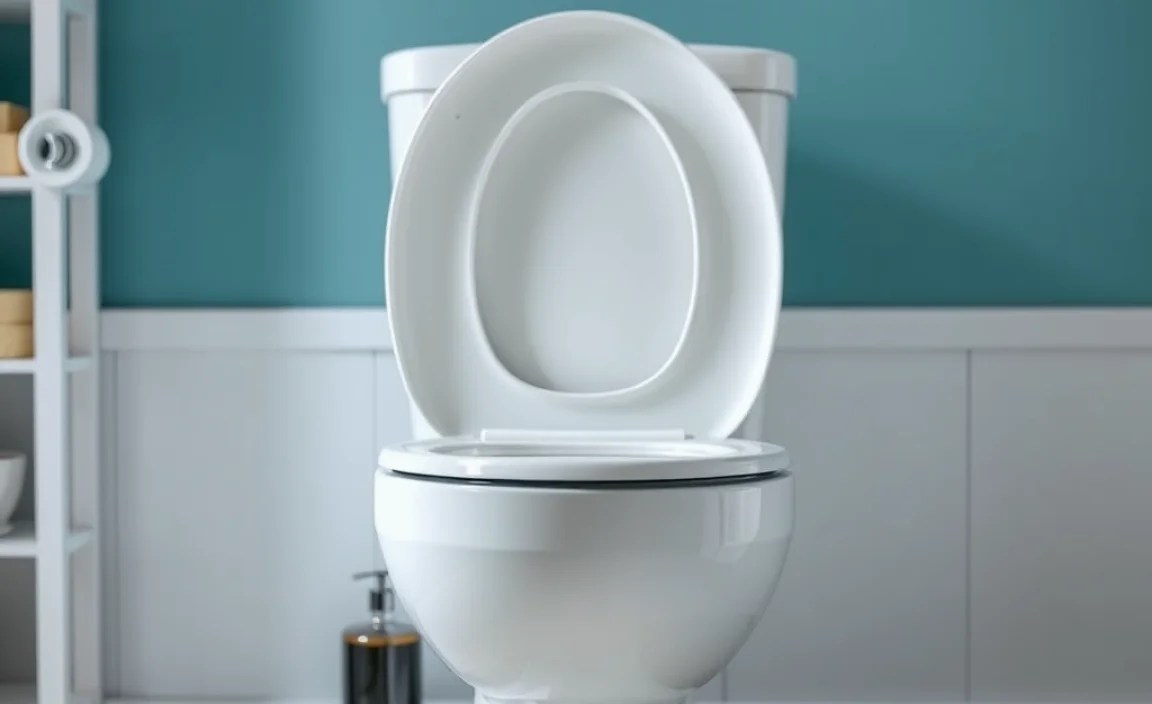
Toilets are designed to save water. Older models used more than seven gallons per flush. Modern toilets use less than two gallons per flush. This change saves water and money. Toilets achieve this by improving design and using better parts. Dual-flush models offer two flushing options. One for liquid waste, using less water. Another for solid waste, using more water. Understanding these systems helps you choose and use toilets wisely.
- Modern toilets use less water per flush.
- Dual-flush toilets save more water.
- Improved designs enhance flushing efficiency.
- Water-saving toilets reduce utility bills.
- Choosing wisely helps conserve water.
Older toilets were water guzzlers compared to today’s models. Innovations in toilet design have made them more efficient. Dual-flush systems give users control over water use. This choice helps conserve water. Over time, these small changes make a big difference. Knowing how toilets work can help you make eco-friendly choices. Water-efficient toilets are a smart investment for the planet and your wallet.
Fun Fact or Stats : Dual-flush toilets can save up to 67% more water than single-flush ones.
Why Are Dual-Flush Toilets Efficient?
Have you ever used a dual-flush toilet? They are smart toilets that offer choices. You can choose a small flush for liquids. This uses less water, about one gallon. For solids, you can use a full flush, using around 1.6 gallons. This choice saves water and money. Dual-flush toilets combine innovation and conservation. They are an excellent way to help the environment. Understanding their benefits can inspire smart choices in our homes!
How Does Toilet Design Affect Water Use?
Toilet design has a huge impact on water use. Modern toilets have slimmer tanks and efficient mechanisms. These designs help save water without losing flushing power. Older models used lots of water with each flush. New designs can achieve the same result with less water. Choosing an efficient design can save gallons of water daily. Isn’t it fascinating how engineering can make such a difference? Next time you pick a toilet, consider its water efficiency!
What Are the Benefits of Water-Saving Toilets?
Water-saving toilets offer many benefits. They help conserve water, a precious resource. They also lower water bills by using less water per flush. These toilets are eco-friendly and support sustainability. As the world moves towards conservation, every drop counts. Water-saving toilets align with global efforts to protect our planet. Investing in them is a step towards a greener future. Imagine the impact if everyone switched to water-smart toilets!
Common Toilet Problems and Solutions
Toilets, like any other fixture, can have problems. Knowing toilet how it works helps fix issues. Common problems include clogs, leaks, and running toilets. Clogs happen when something blocks the pipes. Leaks occur if seals or parts fail. A running toilet wastes water and needs fixing. Understanding these problems lets you respond quickly. Simple tools and knowledge can solve many toilet troubles.
- Clogs block pipes and need plunging.
- Leaks can waste water and need sealing.
- Running toilets often require a new flapper.
- Blocked inlets can cause weak flushing.
- Improper water levels affect performance.
A plunger is a useful tool for clogs. It helps push blockages through the pipes. For leaks, checking seals and replacing worn parts can help. A running toilet might need a new flapper or fill valve adjustment. Understanding toilets can save time and plumber costs. It empowers you to handle minor issues confidently. Knowing basic solutions reduces stress when problems arise.
Fun Fact or Stats : Over 90% of toilet problems are easy to fix yourself!
Why Do Toilets Get Clogged?
Toilets can get clogged for various reasons. Too much toilet paper can block pipes. Flushing non-toilet items worsens clogs. Kids might accidentally drop toys in the toilet. Ever seen a plunger? It helps push clogs through. Imagine trying to stuff too much in a small hole; it won’t fit easily! That’s what happens with clogs. Being mindful of what goes down the toilet prevents these issues. Prevention is the best solution!
How Can You Fix a Leaky Toilet?
Leaky toilets waste water and money. Fixing them can be simple. Check for cracks in the bowl or tank. Replace worn-out seals or gaskets. Tighten loose connections. Sometimes, just adjusting the float level fixes the leak. Have you ever heard a toilet keep filling? That could be a leak sign. Fixing leaks quickly saves water and reduces bills. Understanding your toilet helps you spot and solve these issues better.
What Causes a Running Toilet?
A running toilet is noisy and wasteful. It happens when water leaks from the tank to the bowl. This constant flow wastes gallons of water each day. A worn or misaligned flapper often causes this problem. Adjusting or replacing the flapper can stop the running. Sometimes, adjusting the float level also helps. Have you ever jiggled a toilet handle to stop noise? That quick fix sometimes works! Understanding the cause helps solve the problem effectively.
Conclusion
Toilets are essential to our daily lives. Understanding toilet how it works helps us appreciate their role. From flushing waste away to conserving water, toilets are amazing. Knowing how they function aids in fixing common issues. This knowledge empowers us to maintain them well. Next time you use a toilet, remember the clever engineering at play. It’s more than just a seat—it’s a marvel of design!
FAQs
Question: How does a toilet flush?
Answer: A toilet flushes using water and gravity. When you press the handle, water from the tank rushes into the bowl. This water helps push waste down the pipes. The tank refills automatically, ready for the next use. Understanding toilet how it works helps when fixing simple problems.
Question: Why is my toilet running?
Answer: A running toilet often means a flapper problem. The flapper may not seal properly, causing water to leak from the tank to the bowl. Adjusting or replacing the flapper can solve this. Sometimes, the float level needs adjustment. Understanding how toilets work helps identify and fix this issue.
Question: What causes weak toilet flushing?
Answer: Weak toilet flushing can result from several issues. Low water level in the tank is one cause. Blocked inlets or pipes can also affect flushing power. Ensure the fill valve works correctly. Regular cleaning helps keep the system efficient. Knowing toilet how it works aids in identifying the problem.
Question: Can I fix a leaking toilet myself?
Answer: Yes, you can often fix a leaking toilet yourself. Check for cracks and replace any worn-out seals or gaskets. Tighten loose connections. Sometimes, adjusting the float level fixes leaks. Basic tools and knowledge make these repairs simple. Understanding the toilet’s function equips you for DIY fixes.
Question: How do dual-flush toilets save water?
Answer: Dual-flush toilets offer two flushing options. A small flush for liquids uses less water. A full flush for solids uses more water. This choice helps conserve water. They are efficient and eco-friendly. Knowing how they work encourages wise choices for home improvements.
Question: What parts make up a toilet?
Answer: A toilet has several key parts. The tank stores water for flushing. The bowl holds water to trap odors. The flapper controls water release. The handle starts the flushing process. Understanding these parts helps in recognizing and fixing simple toilet issues.
