
Imagine it’s a quiet Saturday afternoon. You hear a strange noise coming from the bathroom. Suddenly, you realize your toilet is overflowing. Panic sets in, right? A toilet overflow emergency can disrupt your day.
Did you know that faulty mechanisms and clogs cause many of these problems? When water spills over, it can cause damage fast. You may feel overwhelmed. But don’t worry! Handling a toilet overflow emergency is easier than you think.
In this article, we’ll share tips on how to stop the flooding quickly. You’ll learn what to do first and how to stay calm in the chaos. Plus, we’ll share some fun facts about toilets you might not know!
So, what will you do when your toilet decides to misbehave? Read on to become a toilet overflow hero!
Toilet Overflow Emergency: Quick Solutions And Prevention Tips

Toilet Overflow Emergency
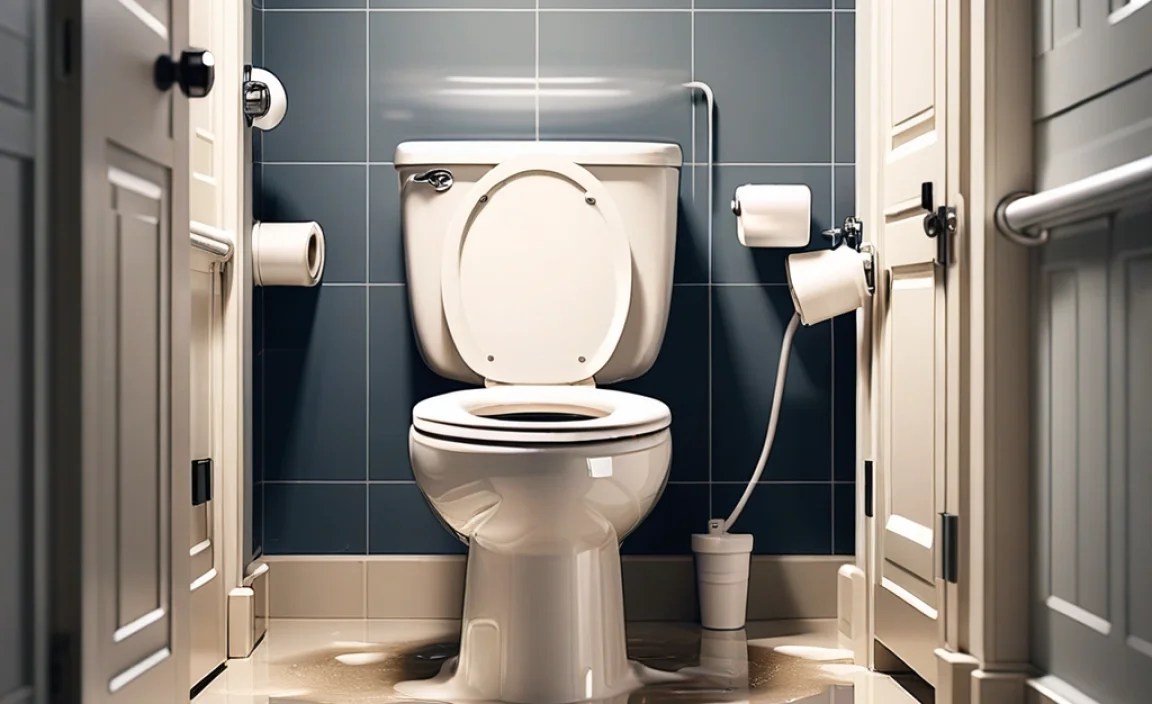
Toilet overflow emergencies can happen suddenly, leaving you in a panic. Knowing how to respond quickly is key. First, turn off the water supply to stop the overflow. Use a plunger to try and unclog the toilet. Keep an eye on the water level to prevent further spills. Did you know that most toilet clogs result from too much toilet paper or foreign objects? Understanding these steps can save you a lot of stress and mess.
Understanding Toilet Overflow: Causes and Consequences

Common causes of toilet overflow. Potential damage to your home and health risks.
Toilet overflow can turn your calm day into a soggy mess. Common culprits include a clogged toilet, a broken flapper, and a faulty float. These issues can cause water to spill all over your bathroom floor. Damage can go beyond the mess, leading to mold and water damage in your home. Additionally, overflowing toilets can pose health risks by spreading germs and bacteria. Nobody wants toilet water on their toes!
| Cause | Potential Damage | Health Risks |
|---|---|---|
| Clogged Toilet | Water damage | Germs spreading |
| Broken Flapper | Water wastage | Bacteria exposure |
| Faulty Float | Structural issues | Unsafe hygiene |
Immediate Actions to Take During an Overflow

Steps for shutting off the water supply. How to stop the overflow quickly and safely.
When water starts spilling like a waterfall inside your bathroom, it’s panic time! First, locate the shut-off valve. It’s often near the toilet or on the wall behind it. Turn it clockwise to stop the water. If you can’t find it, just brace yourself and pull the toilet tank lid off—your future self may thank you later. Next, grab some towels or a mop to soak up the mess. Remember: Wet floors can turn into mini-slip-and-slide adventures, and nobody wants that!
| Action | Details |
|---|---|
| Shut off water | Turn the valve clockwise |
| Mop up | Grab towels or a mop to clean |
| Call for help | If needed, dial a plumber |
Tools You’ll Need for Toilet Emergency Management

Essential tools for DIY repairs. Recommended products for cleaning and maintenance.
To handle a toilet overflow emergency, you’ll need some important tools. These tools make it easier to fix the problem and keep your bathroom clean. Here are some essentials:
- **Plunger**: This is a must-have for unclogging toilets.
- **Wet-Dry Vacuum**: Use this to suck up water quickly.
- **Rubber Gloves**: Protect your hands while cleaning.
- **Bucket**: Great for collecting excess water.
- **Towels**: Use these for drying up messes.
- **Cleaning Solution**: Keep your toilet and floor disinfected.
Having these tools ready can make a big difference in solving the issue. Remember, preparation helps prevent stress during an emergency!
What is the best cleaning product for toilet overflow?
The best cleaning product is a disinfectant cleaner. It kills germs and helps keep your toilet safe and clean after an overflow.
Steps to Resolve the Overflow Issue
Detailed process of unclogging the toilet. When to use a plunger vs. a plumbing snake.
First, grab a plunger. It’s your best buddy in this watery mess. Make sure to create a good seal around the drain. Push down and pull up vigorously a few times. If it’s stubborn, keep plunging until you hear that sweet whoosh of victory!
If the plunger doesn’t work, it’s time to bring out the big guns—the plumbing snake. This handy tool wiggles its way into the pipes to clear clogs. Simply feed it into the toilet until you feel resistance. Twist and push gently, then pull it back. You’ll be surprised how much can get stuck in there.
| Tool | When to Use |
|---|---|
| Plunger | For simple clogs |
| Plumbing Snake | For stubborn blockages |
Remember, patience is key. You can do this, and soon your toilet will be flushing like a champ!
Preventing Future Toilet Overflows
Tips for regular maintenance and inspections. Signs that indicate plumbing issues.
Regular checks can save you from a toilet overflow emergency. Here are some easy maintenance tips:
- Inspect your toilet for cracks.
- Check the water level inside the tank.
- Clean the toilet regularly to avoid buildup.
Be alert for signs of plumbing issues:
- Unusual noises, like gurgling.
- Slow draining sinks or tubs.
- Water pooling near the base of the toilet.
Staying proactive can help keep your plumbing in great shape!
What are the signs of plumbing problems?
Signs include gurgling noises, slow drains, and water pooling. These can mean you need repairs soon.
When to Call a Professional Plumber
Indications that signify the need for expert help. How to choose the right plumbing service.
Is your toilet gushing like a waterfall? Time to call for backup! If you see constant overflow, strange noises, or bad smells, it’s a sign you need an expert. Remember, not all heroes wear capes, but some definitely carry wrenches!
Choosing the right plumbing service doesn’t have to be a headache. Look for local reviews, ask friends for recommendations, and check their licenses. A good plumber will solve your problems without turning your wallet inside out!
| Signs You Need a Pro | How to Choose |
|---|---|
| Continuous overflow | Check reviews |
| Unusual sounds | Ask friends |
| Bad odors | Verify licenses |
Dealing with Water Damage After an Overflow
Assessing water damage and potential risks. Steps for drying and restoring affected areas.
Water damage from an overflow can be tricky. First, check for any damage caused. Look for wet spots on walls, floors, and ceilings. Pay attention to mold or odors, which can be harmful. Next, dry the area quickly. This helps prevent more problems. Use towels to soak up water. You may need fans or a dehumidifier to speed things up.
- Turn off electricity to avoid shocks.
- Remove wet furniture or items.
- Air out rooms by opening windows.
A quick response is key to safe recovery.
What should I check for water damage?
Look for wet spots on surfaces and check for mold or strange smells.
Insurance and Liability Considerations
Understanding your homeowner’s insurance policy. What to document for insurance claims after a flood.
Knowing your homeowner’s insurance is like having a superhero on speed dial. Make sure to check what damages your policy covers, especially for toilet overflow emergencies. Documenting everything is key to a successful claim. After a flood, take photos of the damage and keep receipts for repairs. You might need them faster than you can say “plumbing problem!” Here’s a quick checklist:
| Document Type | Description |
|---|---|
| Photos | Take clear pictures of all damage. |
| Receipts | Keep all repair and clean-up receipts. |
| Insurance Policy | Have your policy handy for reference. |
Remember, a good claim tells a story! Be ready to share the tale of your toilet troubles.
Conclusion
In an emergency with a toilet overflow, stay calm and act quickly. Turn off the water supply to stop flooding. Use towels to contain spills and clean up. If needed, call a plumber for help. Remember, prevention is key—regular maintenance can avoid many issues. For more tips, check out guides on toilet care and emergency plumbing!
FAQs
What Are The Immediate Steps To Take When A Toilet Overflows To Prevent Water Damage?
If your toilet overflows, the first thing you should do is turn off the water. You can do this by twisting the shut-off valve near the toilet. Next, use towels or a mop to soak up the water. Try to stop the overflow by removing anything that’s blocking it. Finally, call an adult for help if you need it.
How Can You Identify The Cause Of A Toilet Overflow, Such As A Clogged Drain Or Faulty Float?
To find out why a toilet overflows, check a few things. First, look inside the tank. If the float is stuck, it won’t stop the water. Next, try flushing the toilet. If the water doesn’t drain well, a clog might be blocking it. You can use a plunger to help clear the clog.
What Tools And Materials Should You Have On Hand For Managing A Toilet Overflow Emergency?
To manage a toilet overflow, you need a few tools and materials. First, have a plunger to push the clog down. You should also keep towels or rags to soak up any water. A bucket can help catch extra water. Don’t forget to have rubber gloves to keep your hands clean!
When Should You Consider Calling A Plumber For A Toilet Overflow Situation?
You should call a plumber if your toilet keeps overflowing even after you try to stop it. If water is spreading all over the floor, it’s best to get help fast. You don’t want water damage in your home. If you can’t find the cause, a plumber can figure it out and fix it for you.
What Preventive Measures Can You Implement To Avoid Future Toilet Overflow Incidents?
To avoid toilet overflow, you can do a few simple things. First, don’t flush anything except toilet paper and waste. This helps keep pipes clear. Second, check for clogs often. You can use a plunger if you notice any trouble. Finally, don’t use too much toilet paper at once; just use a little bit at a time.
