
For beginners, understanding the different types of soap holders is key to a tidy and functional bathroom. From simple suction cups to elegant wall-mounted options, choosing the right one prevents messy soap scum and keeps your bar soap dry and lasting longer. This guide breaks down the best choices to make your bathroom upkeep simple and stylish.
Is your bathroom counter a slippery battlefield of melting soap and suds? Do you find yourself constantly wiping down soap dishes that just don’t cut it? You’re not alone. Keeping your bar soap happy and dry can be a surprisingly common bathroom frustration, especially when you’re just starting out with home organization. A good soap holder isn’t just about aesthetics; it’s about practicality, preventing waste, and maintaining a cleaner space. Don’t worry, it’s simpler than you think! We’ll walk through the most common and beginner-friendly soap holder options, explaining what they are, how they work, and which might be the perfect fit for your needs. Get ready to say goodbye to soggy soap!
Types of Soap Holder for Beginners: An Essential Guide

Welcome to the world of organized bathrooms! As a beginner, setting up your space efficiently is all about picking the right tools that are easy to use and understand. The humble soap holder is a perfect example of a small item that makes a big difference. It’s not just for bar soap; it can help keep your kitchen sink area neat and tidy too! We’ll explore the most popular and practical types of soap holders, focusing on what makes them great for someone who’s just getting started. Our goal is to help you choose a holder that’s simple to install, effective, and fits your style without any fuss.
Why a Soap Holder Matters (Especially for Beginners)
Before we dive into the types, let’s quickly touch on why having a dedicated soap holder is a smart move, particularly when you’re new to managing a home. Bar soap needs to dry out between uses. If it sits in a pool of water, it becomes mushy, wastes away faster, and can create a slimy residue. A good soap holder elevates the soap, allowing air to circulate around it, which speeds up drying. This not only saves you money by making your soap last longer but also significantly reduces cleaning time. Think of it as a small investment for a cleaner, more pleasant bathroom experience and a more efficient way to manage everyday items.
The Best Beginner-Friendly Soap Holder Options

When you’re starting out, you want solutions that are easy to set up and don’t require special tools or skills. These options are designed with simplicity in mind, ensuring you get maximum benefit with minimal effort.
1. Suction Cup Soap Holders
These are likely the most common and easiest soap holders for beginners to use. They rely on suction cups to attach to smooth, non-porous surfaces like tiles, glass, or polished metal. They usually consist of a small dish or a bracket with a hook, and one or more suction cups that you press firmly against the wall.
- How they work: You simply wet the suction cups slightly, press them onto a clean, dry surface, and then place your soap on the holder.
- Pros for beginners:
- Extremely easy to install – no tools needed!
- Easy to reposition or remove without damaging surfaces.
- Very affordable.
- Great for renters since they leave no permanent marks.
- Cons:
- Suction can weaken over time, especially in steamy bathrooms.
- May not hold very heavy or awkwardly shaped soaps.
- Require a smooth, non-textured surface to adhere properly.
- Who it’s best for: Beginners who want a quick, temporary, or adjustable solution without any installation hassle. Perfect for dorm rooms, apartments, or anywhere you can’t drill holes.
2. Adhesive Soap Holders
Similar to suction cup holders in their ease of installation, adhesive soap holders use strong sticky pads to attach to surfaces. These often come in a two-part system: a bracket with an adhesive backing and a separate dish that clips or slides onto the bracket. Once the bracket is stuck to the wall, the dish is attached.
- How they work: Clean the wall surface thoroughly, peel off the backing from the adhesive, and press the bracket firmly onto the wall for a minute or two. Allow the adhesive to cure for the time recommended on the product (often 24 hours) before attaching the soap dish.
- Pros for beginners:
- No drilling required.
- Generally more secure and longer-lasting than suction cups.
- Can be installed on a wider variety of surfaces than suction cups, including some slightly textured ones.
- Many designs offer a cleaner, more integrated look.
- Cons:
- Removing them can sometimes leave behind residue or damage delicate paint.
- Placement is more permanent than suction cups – choose your spot carefully!
- Adhesive strength can vary by brand and environmental factors (heat, humidity).
- Who it’s best for: Beginners who want a more permanent, secure solution than suction cups but still want to avoid drilling. Good for most bathroom and kitchen walls.
3. Freestanding Soap Dishes
These are the classic countertop options. They require no installation whatsoever – you just place them on your sink ledge, vanity, or shower caddy. They come in a huge variety of materials, from simple plastic and ceramic to elegant glass and metal.
-
- How they work: Simply place the dish on a flat surface and put your soap in it.
- Pros for beginners:
- Zero installation required.
- Extremely easy to move and clean.
- Available in countless styles to match your decor.
- Can often hold multiple bars of soap or other small items.
Cons:
- Takes up counter or shelf space.
- Can be knocked over, spilling soap and water.
- The dish itself needs regular cleaning to prevent soap scum buildup.
- Who it’s best for: Anyone who prefers not to attach anything to their walls or is looking for a simple, portable solution. Great for those in shared living spaces or who like to rearrange their bathroom frequently.
4. Corner Shelf Soap Holders (Drill-Free & Adhesive Options)
For a more integrated look without drilling, corner shelf soap holders are fantastic. Many modern versions use industrial-strength adhesives or strong suction systems designed specifically for shower corners. They often have a drainage system to keep the soap dry.
- How they work: Similar to adhesive or suction holders, these are mounted onto the corner of your shower wall. They often feature a tray or a basket design that allows water to drain away.
- Pros for beginners:
- Utilizes often-unused corner space efficiently.
- Provides a more secure and permanent storage solution than single suction cups.
- Many come with excellent drainage to keep soap dry.
- Can hold more than just soap, like sponges or razors.
- Cons:
- Requires a clean, smooth wall surface for optimal adhesion.
- Adhesive versions require careful, permanent placement and potentially difficult removal.
- Drill-free versions might not be as robust as permanently mounted shelves.
- Who it’s best for: Beginners looking to maximize shower space and create a more built-in look without the commitment of drilling. Ideal for smaller shower stalls.
5. Magnetic Soap Holders
These are a bit more clever and definitely a conversation starter! Magnetic soap holders typically consist of a small metal disc or plate that you place inside or press onto your bar of soap. Then, a magnetic bracket attaches to your wall (usually with adhesive or screws) where the soap disc will stick.
- How they work: Press the metal disc into your bar of soap. Then, attach the magnetic bracket to your wall or shower tile using its adhesive backing. The soap, with its attached disc, will magnetically cling to the bracket, keeping it elevated and dry.
- Pros for beginners:
- Excellent drainage – soap is suspended in the air.
- Keeps soap completely dry and clean.
- Minimalist and space-saving design.
- Easy to attach and detach soap.
- Cons:
- The metal disc can sometimes fall out of softer soaps.
- Requires a bracket to be mounted to the wall (most use adhesive).
- Might be challenging for very small or crumbly soap bars.
- Not ideal if you prefer a dish to catch soap residue.
- Who it’s best for: Beginners who love a minimalist aesthetic and want to ensure their soap stays as dry as possible. Great for those who like innovative gadgets.
6. Shower Caddy Soap Dishes
If you have a shower caddy, it likely already has a spot for soap. These are integrated into the caddy itself, often a small tray or a wire grate. They offer a convenient, all-in-one solution if you’re already using a shower caddy for shampoo and conditioner.
- How they work: Your soap simply rests on the designated dish or grate as part of the shower caddy.
- Pros for beginners:
- No separate installation needed if you already have a caddy.
- Keeps all your shower items organized in one place.
- Easy access during showers.
- Cons:
- Dependent on having a shower caddy.
- The soap dish might not offer optimal drainage, leading to soggy soap if not designed well.
- Caddy itself can sometimes feel cluttered.
- Who it’s best for: Beginners who already have or plan to get a shower caddy. It’s a simple, built-in solution.
Materials and Types of Soap Holders
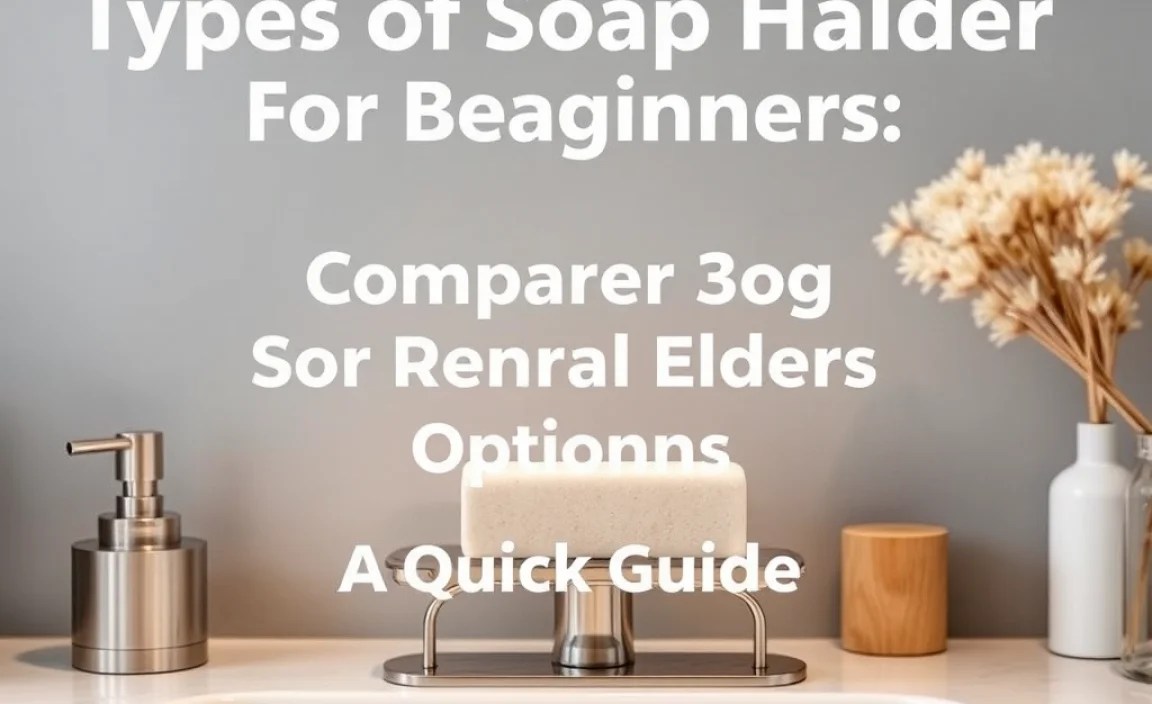
Beyond the mounting style, the material of your soap holder can impact its durability, appearance, and how it performs. Here’s a quick look at common materials:
- Plastic: Lightweight, affordable, and available in many colors. Can sometimes look less premium and may become brittle or discolored over time.
- Ceramic: Offers a classic, elegant look. Can be heavier and more prone to chipping or breaking if dropped. Often comes in beautiful, decorative designs.
- Stainless Steel: Durable, rust-resistant, and offers a sleek, modern aesthetic. It’s a great choice for humid environments like bathrooms.
- Bamboo/Wood: Provides a natural, spa-like feel. Needs to be sealed properly to resist water damage. Can be a beautiful sustainable option.
- Glass: Can be very attractive and easy to clean, often used for countertop dishes. Fragile and can break if dropped.
- Silicone: Flexible, non-slip, and often features excellent drainage designs. Durable and easy to clean, but may not always look high-end.
Comparing Soap Holder Options: A Quick Guide

To help you decide, here’s a table summarizing key features of the most beginner-friendly soap holder types:
| Holder Type | Installation | Portability | Surface Requirements | Pros for Beginners | Best Use Case |
|---|---|---|---|---|---|
| Suction Cup | None (press-on) | Very High | Smooth, non-porous | Easiest, no damage, affordable | Temporary, renters, small spaces |
| Adhesive | Peel & stick | Low | Smooth, slightly textured | Secure, no drilling, durable | Semi-permanent, renters who can demo, stylish options |
| Freestanding | None (place it) | Very High | Flat surface | Zero install, portable, versatile | Countertops, easy to move, renters |
| Magnetic | Adhesive/Screw-in bracket | Medium (bracket stays) | Smooth (for bracket) | Excellent drainage, minimalist, unique | Modern look, optimal dryness, innovative users |
| Corner Shelf (Drill-Free) | Adhesive/Strong suction | Low | Smooth corner tiles | Space-saving, secure, integrated look | Small showers, maximizing space, modern bathrooms |
Choosing the Right Soap Holder: Factors to Consider
Selecting the perfect soap holder as a beginner involves a few simple considerations. Think about your space, your style, and your priorities.
1. Your Bathroom’s Surface Type
Is your shower tiled with smooth glossy tiles, or do you have textured tiles or painted walls? Suction cups need a perfectly smooth surface. Adhesive strips work better on a wider range of materials but still need a clean, relatively flat surface. Freestanding holders have no surface requirements beyond needing a stable spot.
2. Installation Preferences (Or Lack Thereof)
Are you a renter, or do you want to avoid making permanent changes? Suction cup and freestanding options are ideal. If you’re a homeowner and don’t mind a semi-permanent fixture that’s more secure, adhesive or screw-mounts are good choices. For beginners, minimizing installation complexity is usually key.
3. Durability and Longevity
How long do you want your soap holder to last? While suction cups are easy, they may need replacing sooner. Adhesive-backed options tend to be more robust. Stainless steel and high-quality ceramic or glass holders are designed for longevity.
4. Aesthetics and Style
Your bathroom is part of your home! Do you prefer a minimalist, modern look, or something more classic and decorative? Materials like stainless steel or glass lend a modern feel, while ceramic or bamboo can offer a warmer, more traditional or natural vibe. Think about how the holder will complement your existing decor.
5. Drainage and Ease of Cleaning
This is crucial for preventing soap scum. Look for holders with drainage holes or slatted designs. For countertop or dish-style holders, consider how easy it will be to wipe out any residual soap and water. Silicone and stainless steel are generally very easy to keep clean.
Installation Tips for Beginners
Even the simplest installations can go smoother with a few tips. Here’s how to get it right:
- Always Clean the Surface: Whether it’s a suction cup, adhesive, or screw mount, a clean surface is paramount for a secure hold. Use a mild soap and water or an alcohol wipe to remove any dust, grease, or grime. Let it dry completely.
- Read the Instructions: This seems obvious, but different brands and types have slightly different requirements, especially for adhesive curing times.
- For Suction Cups: A little bit of moisture on the cup can sometimes help create a better seal, but too much can cause it to slip. Press firmly and evenly, especially around the edges.
- For Adhesive Mounts: Once you stick it on, press firmly for the time recommended in the instructions. Crucially, wait the full curing time (often 24 hours) before putting any weight on it or adding soap. This allows the adhesive to reach its maximum strength.
- Test Carefully: After installation and curing, gently press on the holder to ensure it’s secure before placing your soap on it.
Maintenance and Care
Keeping your soap holder in good condition is simple and helps it last longer and look better:
- Daily Rinse: A quick rinse of the holder after use can prevent soap scum from hardening.
- Weekly Wipe Down: Use a damp cloth or sponge with a bit of soap to wipe down the holder and the area around it.
- Deep Clean: For stubborn soap scum, a paste of baking soda and water or a diluted vinegar solution can work wonders. For stainless steel, a specific stainless steel cleaner will restore shine.
- Check for Looseness: Periodically check suction cups for dryness or lifting, and adhesive mounts to ensure they are still firmly attached, especially after temperature or humidity changes.
Common Beginner Mistakes to Avoid
Even with the best intentions, beginners can sometimes run into small snags. Here are a few common mistakes and how to sidestep them:
- Putting Soap on Immediately: For adhesive or screw-mounted holders, always wait for the full curing time before use.
- Installing on Dirty Surfaces: This significantly weakens the hold of any type of fixture.
- Overloading: Avoid placing heavy items on soap holders not designed for them, which can cause them to detach.
