
You can easily unclog your bathtub using simple DIY methods like hot water, baking soda and vinegar, or a plunger. If these don’t work, a drain snake or calling a plumber are the next steps. This guide offers proven solutions for a free-flowing tub.
Is your bathtub draining slower than a sleepy snail? A clogged bathtub is a common, frustrating problem that most homeowners face. It’s messy, inconvenient, and can disrupt your daily routine. But don’t worry! You don’t always need to call a professional to fix it. With a few simple tools and a little know-how, you can tackle many bathtub clogs yourself. This guide will walk you through proven, step-by-step solutions to get your tub draining freely again.
Understanding Why Bathtubs Get Clogged
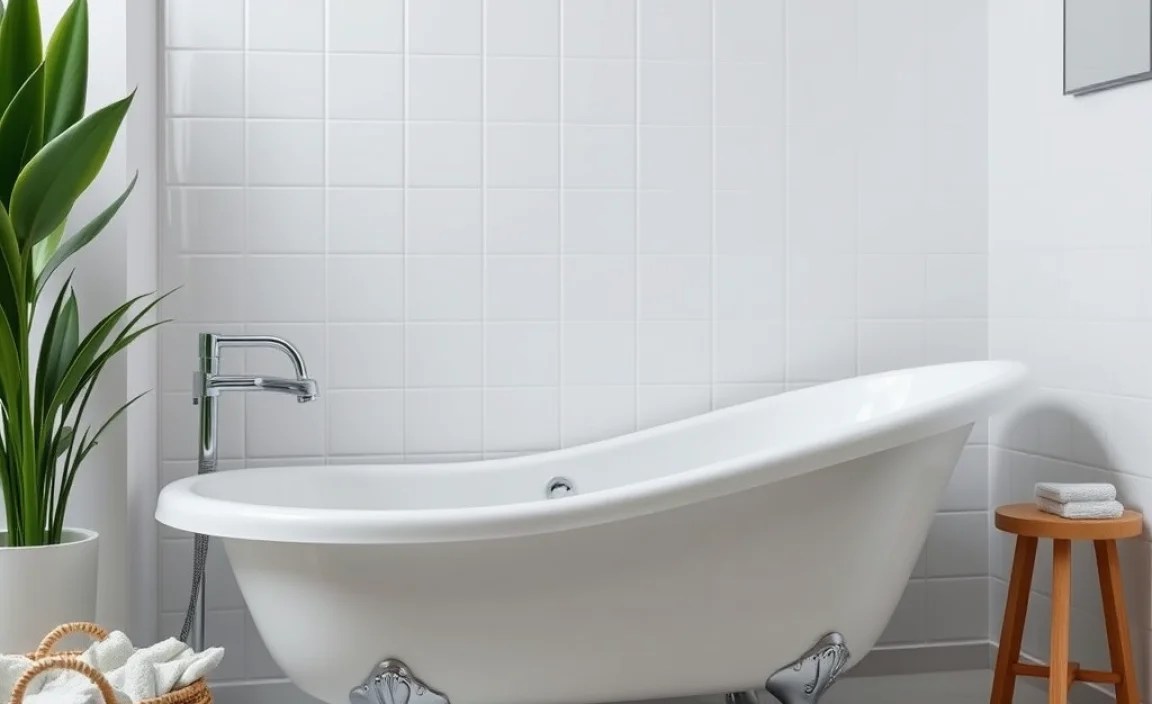
Before we dive into the fixes, let’s briefly touch on why this happens. Bathtub drains are often clogged by a combination of things. Hair is usually the main culprit, especially in households with longer hair. It acts like a net, catching soap scum, dirt, and other debris that goes down the drain. Over time, this mixture can build up and create a stubborn blockage.
Other common culprits include small objects that accidentally fall into the drain, soap residue buildup, and mineral deposits from hard water. Understanding the cause can sometimes help you choose the best unclogging method. For instance, if you suspect it’s mostly hair, a tool designed to grab hair might be most effective.
Essential Tools for Unclogging Your Bathtub

You don’t need a professional plumbing toolkit to unclog your bathtub. Many effective methods use items you might already have around your home. Here are some common, beginner-friendly tools that can help:
- Plunger: A standard cup-shaped plunger is surprisingly effective for creating suction to dislodge clogs.
- Baking Soda & Vinegar: These common household items create a fizzy reaction that can help break down gunk.
- Hot Water: Boiling or very hot water can melt away some types of grease and soap scum.
- Wire Hanger: Bent into a hook shape, it can be used to fish out visible obstructions.
- Drain Snake (Auger): A more advanced tool available at hardware stores, perfect for deeper clogs.
- Gloves: For hygiene and protection, especially when dealing with unpleasant drain contents.
- Bucket: To catch any water or debris removed from the drain.
- Old Towels or Rags: To clean up any spills.
Proven DIY Solutions to Unclog Your Bathtub

Let’s get your bathtub draining again! We’ll start with the simplest methods and move to more involved ones. Always remember to work gently; you don’t want to damage your pipes.
Method 1: The Boiling Water Flush
This is the go-to for minor grease or soap scum clogs. It’s super simple and often works wonders.
- Boil Water: Fill a kettle or pot with water and bring it to a rolling boil. Be careful when handling boiling water.
- Pour Slowly: Carefully and slowly pour the boiling water directly down the drain. Do this in a few stages, waiting a few seconds between each pour.
- Wait and Test: Let the hot water sit in the drain for about 10-15 minutes. Then, run your hot tap water for a minute to see if the clog has cleared.
When to use this: Best for clogs caused by grease, soap residues, or minor build-up. Not ideal for solid obstructions or heavy hair clogs.
Method 2: Baking Soda and Vinegar Volcano
This classic DIY cleaning combo creates a fizzy reaction that can help break down clogs. It’s eco-friendly and safe for most pipes.
- Remove Standing Water: If there’s standing water in the tub, try to bail out as much as you can using a cup or small bucket.
- Add Baking Soda: Pour about 1/2 cup to 1 cup of baking soda directly into the drain. Try to get it as far down as possible.
- Pour Vinegar: Slowly pour about 1 cup of white vinegar over the baking soda. It will start to fizz and foam – this is the chemical reaction working!
- Cover Up: Immediately cover the drain with a stopper or a towel. This helps trap the reaction and push it down into the clog.
- Wait: Let the mixture work its magic for at least 30 minutes, or even an hour for tougher clogs.
- Flush with Hot Water: After waiting, pour another kettle of boiling water down the drain to flush away the loosened debris.
- Test: Run your hot water tap to check if the drain is flowing freely.
When to use this: Effective for soap scum, mild grease, and general gunk. It’s a good follow-up to the boiling water method if that didn’t fully work.
Method 3: The Plunger Power Play
A plunger is a surprisingly powerful tool thanks to the suction and pressure it creates.
- Prepare the Plunger: Ensure you have a cup plunger (the common type for sinks and tubs). For bathtubs, it’s best if the plunger has a flange (a rubber flap) that can fold out to create a better seal, but a standard one will often work.
- Create a Seal: If there’s an overflow drain on your tub (usually a plate with holes near the top), cover it tightly with a wet rag or a thick piece of tape. This is crucial because if the overflow isn’t sealed, the air and water pressure will escape, making the plunger ineffective.
- Add Water: Make sure there’s enough water in the tub to cover the bell of the plunger. This helps create a seal and allows for effective plunging.
- Position the Plunger: Place the plunger directly over the drain opening, ensuring a complete seal.
- Plunge Vigorously: Push and pull the plunger up and down with firm, steady strokes for about 20-30 seconds. You’re trying to create a strong suction and pressure to dislodge the clog.
- Check the Drain: Lift the plunger and see if the water starts to drain. You might need to repeat the plunging process several times.
- Flush: Once the water starts draining, run hot water for a few minutes to flush out any remaining debris.
When to use this: Excellent for various clogs, especially those caused by hair, soap, and minor obstructions. It’s a good next step if boiling water and baking soda/vinegar didn’t fully clear the drain.
Method 4: The Wire Hanger Hook
This method is best for clogs that are very close to the drain opening and are mostly composed of hair.
- Straighten the Hanger: Take a wire coat hanger and straighten it out as much as possible.
- Create a Hook: Bend one end of the hanger into a small hook. This hook will be used to snag hair and debris.
- Insert into Drain: Carefully push the hooked end of the hanger down into the drain. Be gentle to avoid scratching your tub.
- Fish for Gunk: Gently wiggle the hanger around, trying to snag any hair or debris. Slowly pull the hanger back up, bringing any collected gunk with it.
- Clean the Hanger: Remove the debris from the hanger (wear gloves for this!).
- Repeat: Repeat the process, re-hooking and pulling until no more debris comes out.
- Flush: Once you’ve removed as much as you can, flush the drain with hot water for a few minutes.
When to use this: Specifically for clogs near the surface, primarily composed of hair. This is often a precursor to other methods if there’s a lot of visible hair.
When DIY Isn’t Enough: Advanced Solutions

Sometimes, clogs are deeper, more stubborn, or made of materials that simple DIY methods can’t break down. If the above methods haven’t solved your problem, it’s time to consider tools that can reach further into your pipes.
Method 5: Using a Drain Snake (Auger)
Drain snakes, also known as augers, are remarkably effective tools designed to break through tougher clogs or pull them out. You can often rent or purchase basic ones at hardware stores. For more serious clogs, professional plumbers use more advanced versions.
A basic manual drain snake typically has a long, flexible cable with a handle. At the end of the cable is a corkscrew-like attachment designed to grab or break up clogs.
Steps for Using a Drain Snake:
- Gather Supplies: You’ll need your drain snake, gloves, a bucket, and some rags.
- Access the Drain: If you have a pop-up drain stopper, you may need to remove it first. Look for a clip or screw that attaches the stopper rod to the drain lever. Sometimes, you can simply unscrew the overflow plate to gain better access to the pipe.
- Insert the Snake: Feed the end of the drain snake cable into the drain opening.
- Push and Crank: Gently push the snake cable further into the pipe until you feel resistance – this is likely the clog. Once you hit the clog, start cranking the handle of the snake. This will rotate the corkscrew end, which will either break up the clog or grab onto it.
- Retrieve the Clog: Carefully pull the snake cable back out of the drain. You might pull out debris, or you might just break up the clog.
- Repeat if Necessary: If you still feel resistance or the drain isn’t clear, repeat the process of feeding, cranking, and retrieving.
- Flush Thoroughly: Once you believe the clog is cleared, run hot water down the drain for several minutes to ensure it’s completely gone and the pipes are clear now.
- Clean Up: Clean the drain snake and the surrounding area.
When to use this: For stubborn clogs that hair, soap, or baking soda/vinegar couldn’t budge. It’s great for deeper blockages or when you suspect a more solid obstruction.
Method 6: Chemical Drain Cleaners (Use with Caution)
While readily available, chemical drain cleaners should be used as a last resort for DIY solutions. They contain harsh chemicals that dissolve clogs but can also damage pipes, especially older ones, and are harmful to the environment. If you choose to use them, always follow the instructions precisely and wear protective gear. Never mix different chemical cleaners.
A more eco-friendly approach is enzymatic drain cleaners, which use bacteria to break down organic waste. They are slower-acting but much safer for your pipes and the environment.
Always read and follow the manufacturer’s safety instructions and wear appropriate protective gear like gloves and eye protection. Ensure good ventilation.
For more on plumbing safety, the U.S. Consumer Product Safety Commission (CPSC) offers valuable tips: DIYers and Home Repair Safety – CPSC.gov.
Preventing Future Bathtub Clogs

The best way to deal with a clogged bathtub is to prevent it from happening in the first place! A little regular maintenance can save you a lot of hassle.
- Use a Drain Cover or Strainer: These inexpensive tools catch hair and debris before they can enter the drain. Clean them regularly.
- Regular Hot Water Flushes: Once a month, pour a kettle of boiling water down the drain to melt away any accumulating soap scum or grease.
- Baking Soda and Vinegar Monthly: Perform the baking soda and vinegar treatment once a month as preventative maintenance.
- Be Mindful of What Goes Down: Avoid pouring grease, coffee grounds, or excessive soap shavings down the drain.
- Clean Your Drain Stopper: If you have a pop-up stopper, remove it periodically and clean off any hair or scum that has accumulated around it.
Bathtub Clog Solutions Comparison Table
Here’s a quick look at the methods, their effectiveness, and what they’re best for:
| Method | Ease of Use | Effectiveness (Mild Clog) | Effectiveness (Stubborn Clog) | Best For | Potential Risks |
|---|---|---|---|---|---|
| Boiling Water | Very Easy | High | Low | Grease, Soap Scum | Can damage PVC pipes if done too frequently or with excessively hot water. |
| Baking Soda & Vinegar | Easy | Medium-High | Medium | Soap Scum, Mild Gunk | None (when used as directed) |
| Plunger | Medium | High | Medium-High | Hair, Soap, Minor Obstructions | Can splash dirty water. |
| Wire Hanger | Medium | Medium (if clog is near surface) | Low | Surface Hair Clogs | Can scratch tub surfaces if not careful. |
| Drain Snake | Medium-Hard | High | Very High | Deep Clogs, Stubborn Hair, Solid Debris | Can damage pipes if used too forcefully or incorrectly. |
| Chemical Cleaners | Easy (following instructions) | High | High | Tough Clogs (as a last resort) | Pipe damage, harmful to skin/eyes/environment, can create dangerous fumes. |
When to Call a Professional Plumber
While most bathtub clogs can be resolved with the DIY methods described, there are times when it’s best to call a professional. If you’ve tried multiple methods, including a drain snake, and your tub still isn’t draining, it might be time to seek expert help.
Other signs that you should call a plumber include:
- Multiple fixtures are backing up (e.g., toilet, sink, and tub are all draining slowly). This indicates a blockage further down in your main sewer line.
- You hear gurgling sounds from drains when other fixtures are used.
- You suspect a more serious issue like a broken pipe or tree root intrusion.
- You’re uncomfortable performing any of the DIY steps.
A professional plumber has specialized tools and the expertise to diagnose and fix even the most complex drain problems safely and efficiently. They can also identify underlying issues that might cause recurring clogs.
Frequently Asked Questions (FAQ)
Q1: How long does the baking soda and vinegar method usually take to work?
A1: For mild clogs, the fizzing action begins immediately, and you should flush with hot water after about 30 minutes. For tougher clogs, letting it sit for an hour or even overnight can be more effective before flushing.
Q2: Can boiling water damage my plastic (PVC) pipes?
A2: While boiling water can soften PVC pipes if done excessively, a single flush or a few carefully poured kettles are generally safe for most modern plumbing. To be extra cautious, you can use very hot tap water from your heater instead of boiling water, or let boiling water cool slightly before pouring.
Q3: My plunger isn’t working. What could be wrong?
A3: Ensure the overflow drain is completely sealed. If it’s not, air will escape, making plunging ineffective. Also, make sure you have enough water in the tub to cover the plunger’s cup and that you’re creating a tight seal around the drain opening before plunging vigorously.
Q4: I used a chemical drain cleaner, and it didn’t work. What should I do?
A4: Do NOT pour another chemical cleaner or use a plunger immediately. Mixing chemicals can be dangerous. You should try flushing with plenty of plain water and then move to a mechanical method like a drain snake. If you’re unsure, always contact a plumber.
Q5: How often should I clean my bathtub drain as a preventative measure?
A5: For general maintenance, using a drain strainer and cleaning it weekly is a good habit. Performing a hot water flush or baking soda/vinegar treatment once a month can help prevent significant build-up.
