
Unclog pipes with these genius and effortless tips! From simple DIY solutions to knowing when to call a pro, this guide makes dealing with clogged drains a breeze for any homeowner.
Dealing with a clogged pipe is no fun. It can disrupt your entire day, from a slow-draining sink to a completely blocked toilet. But don’t worry! You don’t always need a plumber for this common household issue. With a few simple tools and some clever tricks, you can often clear those clogs yourself, restoring flow and peace of mind. This guide will walk you through easy, effective methods that even a beginner can master. Get ready to say goodbye to stubborn blockages!
Why Do Pipes Get Clogged Anyway?
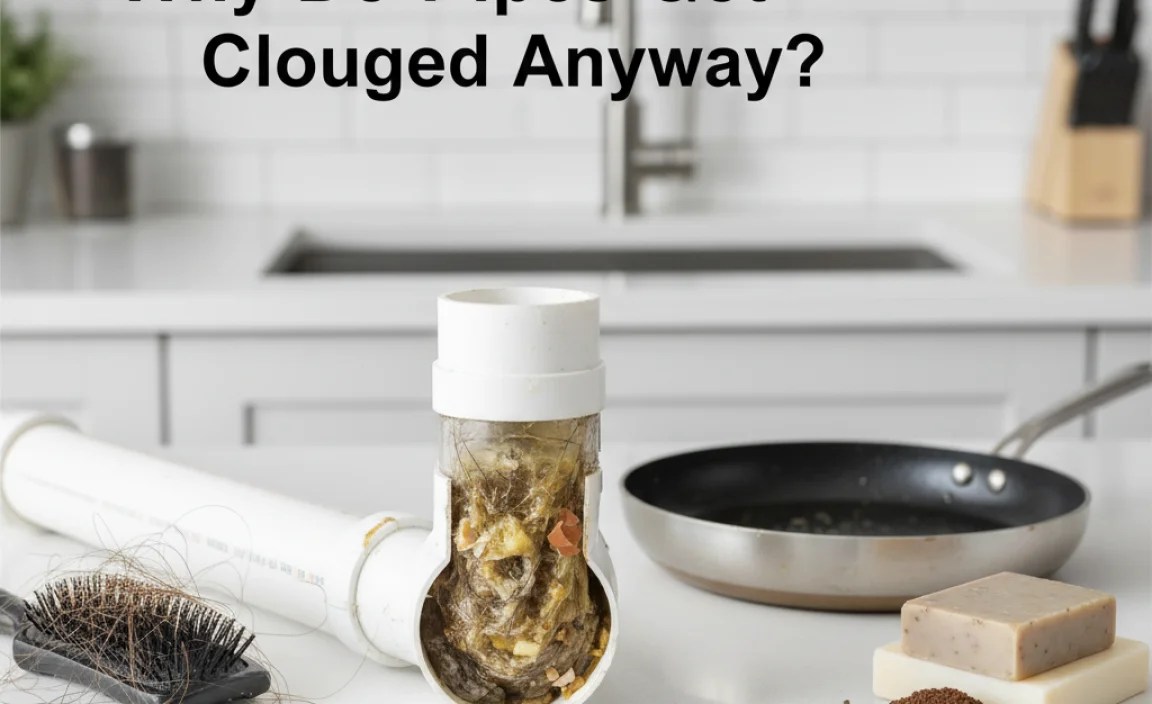
Pipes get clogged for a variety of reasons, most of which are related to what goes down them. In the kitchen, grease, fats, oils, and food scraps are common culprits. They can congeal and harden, creating a sticky mess that traps other debris. Bathroom drains often suffer from hair, soap scum, and toothpaste buildup. Even small items like cotton swabs or dental floss can contribute to blockages over time. Understanding these common causes can help you prevent future clogs too!
Essential Tools for Unclogging Pipes
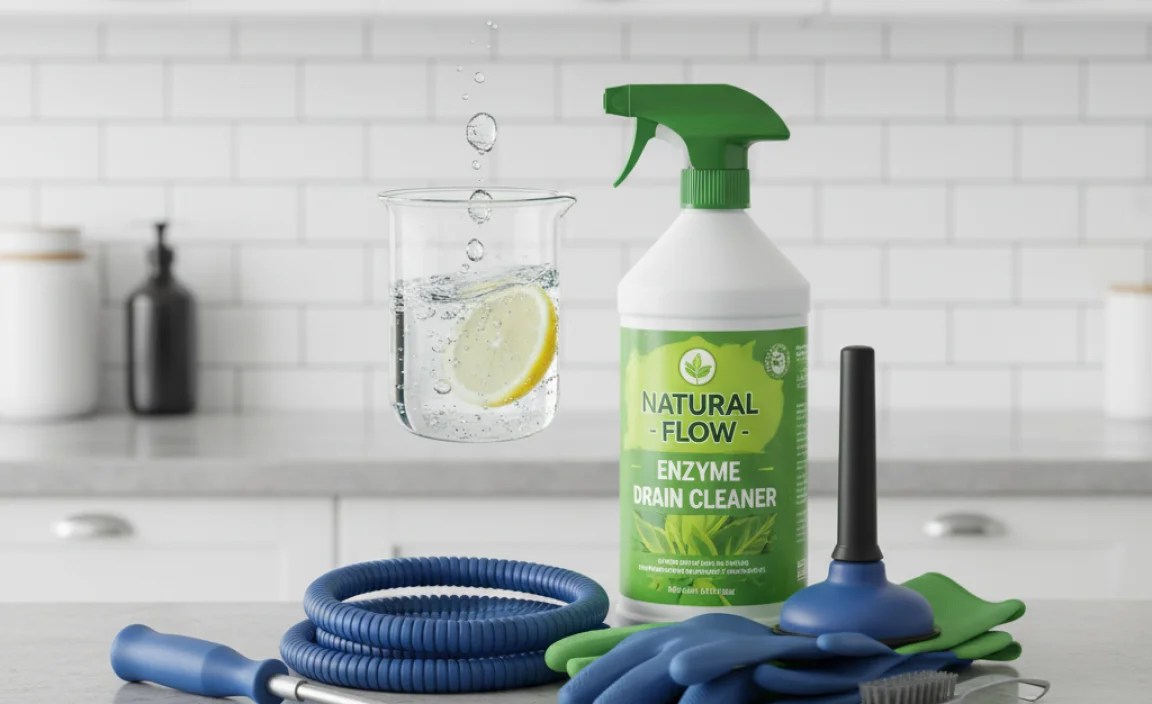
Before we dive into the solutions, let’s gather a few helpful tools. You probably have most of these around the house already:
- Plunger: A simple sink or toilet plunger is your first line of defense. Make sure it’s suitable for the fixture you’re tackling.
- Hot Water: Boiling water can be surprisingly effective for loosening grease and soap.
- Baking Soda & Vinegar: This classic duo creates a fizzy reaction that can help break down clogs.
- Coat Hanger (bent): A straightened and bent wire coat hanger can act as a makeshift drain snake to pull out hair and debris.
- Bucket: Useful for catching any overflow or for collecting removed gunk.
- Gloves & Rags: For hygiene and to protect your hands and surrounding areas.
- Drain Snake (Auger): A more advanced tool for tougher clogs, available at hardware stores.
- Screwdriver/Wrench: May be needed to remove drain guards or U-bend pipes.
Genius & Effortless Solutions to Unclog Pipes

Let’s get down to business! Here are some of the most effective and easy clog-busting methods you can try at home. Always start with the simplest approach and work your way up.
1. The Mighty Plunger: Your First Line of Defense
This might seem obvious, but a plunger is incredibly effective when used correctly. It creates suction and pressure to dislodge blockages.
- Ensure a Seal: For a sink or tub, make sure there’s enough shallow water in the basin to cover the rubber cup of the plunger. For a toilet, the plunger should create a seal around the hole. You might need to bail out some water if the bowl is too full, or add some if it’s too low.
- Plunge with Force: Place the plunger firmly over the drain opening, ensuring a good seal. Push down and pull up with a steady, rhythmic motion for about 15-20 seconds. The goal is to push and pull the water to break up the clog.
- Check for Flow: Remove the plunger and see if the water drains. If it’s still slow, repeat the plunging process a few more times.
- For Toilets: If plunging a toilet doesn’t work, try a flange plunger, which has an extra flange to help it fit snugly into the toilet bowl.
2. Boiling Water: The Warm and Fuzzy Way to Clear Grease
This is a fantastic first step for kitchen sink clogs, especially those caused by grease or soap scum. It’s safe for most pipes, including PVC.
- Boil Water: Heat a kettle or a pot of water to boiling.
- Pour Slowly: Carefully and slowly pour the boiling water directly down the drain. Be cautious to avoid splashes.
- Wait and Check: Let it sit for a few minutes. If the water drains, the clog is likely gone or loosened. You might need to repeat this process once or twice for stubborn grease buildup.
- Caution: Avoid this method if you have very old, fragile pipes or if you’ve recently used chemical drain cleaners, as the extreme temperature change could potentially cause damage.
3. Baking Soda and Vinegar: The Fizzy Powerhouse
This natural, non-toxic combination is a favorite for a reason. The chemical reaction creates bubbles that can help break down gunk and deodorize your drain.
- Clear Standing Water: If possible, remove as much standing water from the sink or tub as you can.
- Baking Soda First: Pour about 1/2 cup to 1 cup of baking soda directly down the drain.
- Follow with Vinegar: Immediately pour about 1 cup of white vinegar down the drain.
- Cover and Wait: Quickly cover the drain opening with a stopper or a wet cloth. This helps to contain the fizzing reaction and direct it downwards into the clog. Let it sit for 15-30 minutes (or up to an hour for tougher clogs).
- Flush with Hot Water: After the waiting period, remove the cover and flush the drain with plenty of hot (but not necessarily boiling) water.
4. The Bent Wire Hanger: A DIY Drain Snake
For clogs that are close to the drain opening, like hair in a shower drain, a simple wire coat hanger can be surprisingly effective.
- Straighten the Hanger: Unbend a wire coat hanger until it’s mostly straight.
- Create a Hook: Bend a small hook shape at one end.
- Insert and Fish: Carefully insert the hooked end into the drain. Gently push it down as far as it will go.
- Pull Out Debris: Slowly pull the hanger back out. The hook should catch hair, soap scum, and other debris.
- Repeat and Clean: Repeat this process, cleaning the hook each time, until you stop pulling out gunk.
- Flush: Once you’ve removed as much as possible, flush the drain with hot water.
5. Cleaning the U-Bend (P-Trap): Tackling the Common Culprit
Underneath most sinks, there’s a U-shaped pipe called a P-trap. This is designed to hold water and prevent sewer gases from coming up. It’s also notorious for catching debris.
- Prepare for Mess: Place a bucket directly beneath the U-bend to catch water and any gunk that falls out.
- Loosen the Slip Nuts: You’ll see two large nuts (slip nuts) that connect the U-bend to the pipes. You can usually loosen these by hand, but you might need pliers or a pipe wrench if they’re tight. Turn them counter-clockwise.
- Remove the Trap: Once the nuts are loose, gently pull the U-bend downwards. Empty its contents into the bucket.
- Clean it Out: Clean the inside of the U-bend thoroughly. A brush or even your fingers (with gloves!) can work. Remove any debris you find. You can also check the adjacent pipe ends for blockages.
- Reassemble: Reattach the U-bend, making sure the seals are properly seated, and hand-tighten the slip nuts. Then, use pliers or a wrench to snug them up, but don’t overtighten.
- Test for Leaks: Run water to check for any drips. If you discover leaks, try tightening the nuts a bit more or ensuring the seals are correctly aligned.
6. Using a Drain Snake (Auger): For Deeper, Stubborn Clogs
When simpler methods fail, a drain snake (or auger) is the next best step. This tool is designed to reach further into the pipes and break up or retrieve blockages.
- Insert the Snake: Feed the end of the snake into the drain opening. If you’re working on a sink, you might need to remove the drain cover or the P-trap first to get better access.
- Crank the Handle: As you push the snake forward, crank the handle of the auger. This rotates the cable and helps it navigate bends in the pipe.
- When You Hit Resistance: When you feel the snake meet resistance, you’ve likely found the clog. Keep cranking and gently push and pull the snake to break up the blockage. Some snakes are designed to grab onto clogs, allowing you to pull them back out.
- Retract and Clean: Once the clog seems broken up, slowly retract the snake, cleaning off any debris it pulls out.
- Flush Thoroughly: Run hot water down the drain for several minutes to ensure the clog is fully cleared and to wash away any remaining residue.
For more information on using tools like drain snakes, the This Old House experts offer great visual guides.
When to Call a Professional Plumber
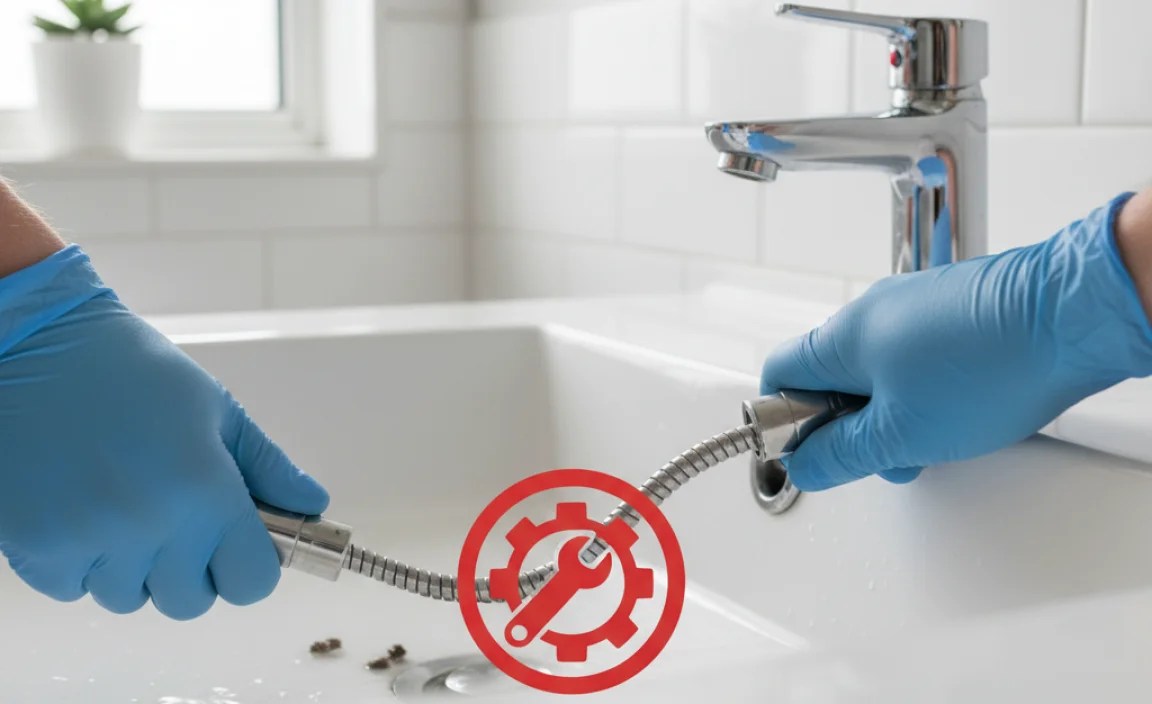
While these DIY methods are excellent for common clogs, there are times when you should call a professional. If:
- Multiple Drains are Clogged: This often indicates a blockage further down your main sewer line, which requires professional equipment and expertise.
- DIY Methods Fail: If you’ve tried several methods and the clog persists, it might be a more serious issue.
- Recurring Clogs: Frequent blockages suggest an underlying problem like pipe damage or improper sloping.
- Foul Odors Persist: Persistent sewer smells can be a sign of a more significant problem.
- You’re Uncomfortable: If at any point you feel unsure or uncomfortable with the DIY process, it’s always best to err on the side of caution and call a plumber.
A professional plumber has specialized tools and knowledge to diagnose and fix complex plumbing issues safely and efficiently. You can find qualified plumbers through local search directories or by asking for recommendations.
Preventing Future Clogs
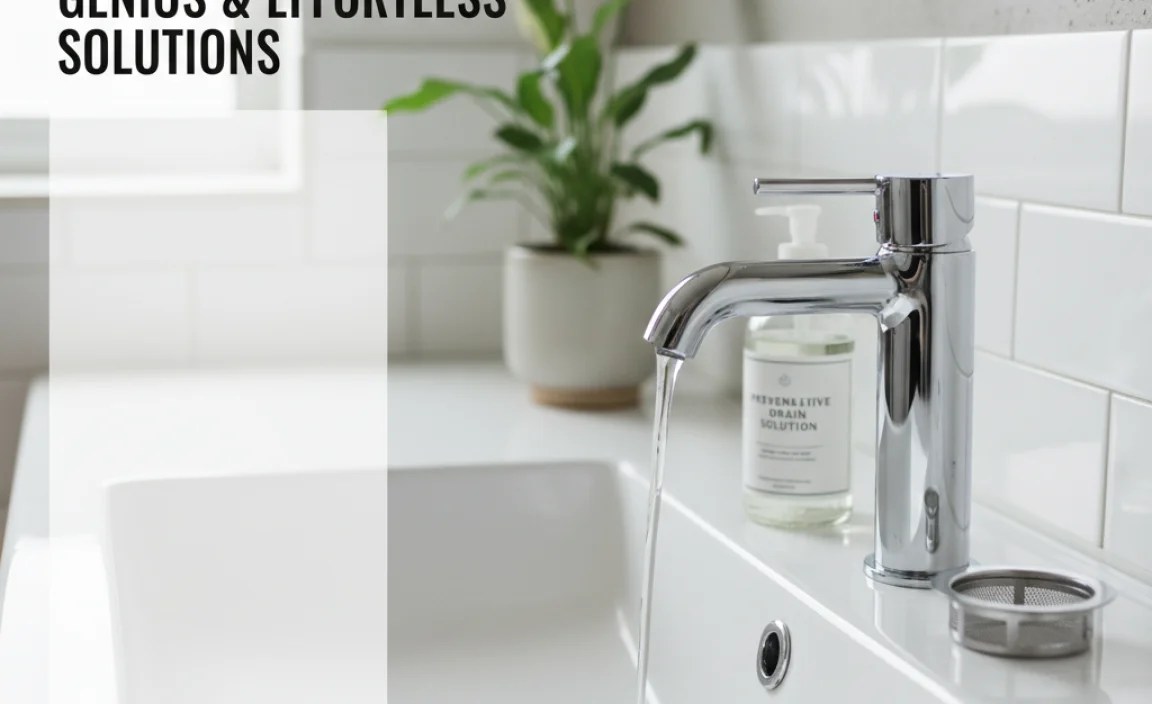
The best way to deal with clogs is to prevent them from happening in the first place. Here are some simple habits to adopt:
- Use Drain Strainers: Place strainers in sinks and shower drains to catch hair and food particles. Clean them regularly.
- Be Mindful of What Goes Down: Avoid pouring grease, coffee grounds, or fibrous food waste down the kitchen sink. Never flush anything other than toilet paper and human waste down the toilet.
- Regular Maintenance: Pouring hot water down drains weekly can help prevent grease and soap buildup from hardening. A monthly baking soda and vinegar treatment can also keep pipes clear and fresh.
- Dispose of Wipes Properly: “Flushable” wipes are a major cause of clogs; they do not break down like toilet paper. Dispose of them in the trash.
Comparison of Unclogging Methods
Here’s a quick look at some common methods, their pros, cons, and when they’re best used:
| Method | Pros | Cons | Best For |
|---|---|---|---|
| Plunger | Easy, inexpensive, eco-friendly, quick results for many clogs. | May not work for deep or solid blockages, requires a good seal. | Toilets, sinks, tubs with moderate clogs. |
| Boiling Water | Simple, effective for grease, natural, no chemicals. | Risk of pipe damage with very hot water on old pipes, not for solid objects. | Kitchen sinks with grease buildup. |
| Baking Soda & Vinegar | Natural, safe for pipes, good for deodorizing, breaks down some organic matter. | May not be strong enough for tough clogs, takes time to work. | Minor clogs, regular maintenance, deodorizing drains. |
| Wire Hanger | Free, readily available, good for surface-level hair/gunk. | Limited reach, can push clogs further if not careful, not for hard blockages. | Shower drains, sink drains with visible hair. |
| Drain Snake | Effective for deep and stubborn clogs, can retrieve blockages. | Requires purchase/rental, can be tricky to use, risk of pipe damage if misused. | Stubborn clogs, deeper blockages in sinks, tubs, or showers. |
| P-Trap Cleaning | Directly removes accumulated debris, effective without chemicals. | Can be messy, requires basic tool use, needs a bucket. | Sink drains, especially kitchens and bathrooms where gunk collects. |
Frequently Asked Questions About Unclogging Pipes
Q1: I poured boiling water and then baking soda and vinegar, but the drain is still slow. What’s next?
A1: If those methods didn’t work, the clog might be more stubborn or deeper. Your next best bet is to try a plunger again, ensuring a good seal, or to use a drain snake (auger). If those still don’t resolve it, it might be time to consider cleaning the P-trap or calling a professional plumber.
Q2: Are chemical drain cleaners safe to use?
A2: Chemical drain cleaners can be effective but should be used with extreme caution. They contain harsh chemicals that can damage pipes (especially older ones), harm your skin or eyes, and are bad for the environment. If you must use them, always follow the instructions precisely, wear protective gear, and ensure good ventilation. It’s generally better to try natural or mechanical methods first.
Q3: How often should I clean my drains to prevent clogs?
A3: For general maintenance, it’s a good idea to flush your drains with hot water weekly. A monthly treatment with baking soda and vinegar can help keep them clear and fresh. Regularly cleaning drain strainers is also crucial. For bathrooms, focus on preventing hair buildup regularly.
Q4: What is a U-bend and why does it get clogged?
A4: A U-bend, also known as a P-trap, is the curved section of pipe found under most sinks. Its design holds water, which creates a seal that prevents sewer gases from entering your home. However, this curve is also an ideal place for debris like hair, soap scum, grease, and small objects to collect, causing clogs.
Q5: Can I use my garbage disposal to help unclog a sink?
A5: No, a garbage disposal is not designed to break down existing clogs and can actually make the situation worse. If a sink with a disposal is clogged, your best approach is to try manual methods like a plunger or snake on the sink drain itself. Never run a disposal if the sink is full of standing water, as this can damage the disposal unit.
Q6: My toilet is clogged, but plunging isn’t working. What else can I do?
A6: If plunging doesn’t work, try using a toilet auger (a specialized type of plumbing snake designed for toilets). You can also try the baking soda and vinegar method, but be aware it may not be strong enough for a significant toilet clog. If these fail, a professional plumber is likely needed, especially if the clog is in the main line.
Conclusion
Unclogging pipes doesn’t have to be a daunting task. By understanding the common causes and utilizing simple, effective DIY methods like plunging, hot water flushes, baking soda and vinegar, or even a DIY wire hanger snake, you can tackle most everyday clogs with confidence. Remember to always prioritize safety, and don’t hesitate to try cleaning out the P-trap for sink issues. And crucially, if a clog proves too stubborn, or if multiple drains are affected, calling a professional plumber is the wisest and safest course of action. By adopting preventative habits, you can keep your home’s plumbing running smoothly and avoid future headaches. Happy unclogging!
