
Upgrade your bathtub with these essential tips! From choosing the right material and style to understanding installation basics and cost factors, this guide makes bathtub upgrades simple and stress-free for beginners. Get ready for a more relaxing and beautiful bathroom!
Is your bathtub looking a little tired? Maybe it’s chipped, stained, or just not your style anymore. Updating your bathtub can transform your bathroom, making it a more comfortable and attractive space. It might sound like a big, complicated DIY project, but with the right guidance, it’s absolutely achievable! We’re here to break down everything you need to know, from picking out the perfect new tub to understanding the installation process. We’ll go step-by-step, keeping things simple and clear, so you can feel confident tackling this upgrade. Get ready to soak in your new, improved bathroom!
Why Upgrade Your Bathtub?

Upgrading your bathtub is more than just a fresh coat of paint for your bathroom; it’s an investment in your home’s comfort, aesthetics, and value. An old, worn-out tub can detract from the overall look and feel of your bathroom, potentially harboring mold or mildew that’s not only unsightly but also unhealthy. A new tub can:
- Boost Your Bathroom’s Appeal: A modern, clean bathtub instantly elevates the style of your entire bathroom.
- Enhance Comfort and Functionality: Newer tubs often come with improved ergonomic designs for a more relaxing soak.
- Increase Home Value: A well-done bathroom renovation, including a new tub, is a great selling point.
- Improve Hygiene: Eliminate hidden grime and potential mold from older fixtures.
- Save Water and Energy: Modern tubs and fixtures can be more water-efficient.
The process of upgrading a bathtub often involves removing the old one and installing a new one. While this can be done by a DIY enthusiast, it does require planning, the right tools, and a willingness to learn. Don’t worry, we’ll guide you through each phase.
Choosing the Right Bathtub: Materials and Styles

The first big decision is what kind of bathtub you want. This choice impacts durability, cost, appearance, and installation difficulty. Here’s a look at the most common materials:
Bathtub Materials Explained
Understanding the pros and cons of each material will help you make the best choice for your needs and budget.
1. Acrylic Bathtubs
Acrylic tubs are formed from vacuum-formed acrylic sheets, reinforced underneath with fiberglass. They’ve become incredibly popular due to their affordability and versatility.
- Pros: Lightweight, easy to install, wide range of shapes and colors, easy to clean, good heat retention, relatively inexpensive.
- Cons: Can scratch or warp if subjected to extreme heat (like very hot water prolonged), thinner materials can feel less sturdy than others.
- Best for: Budget-conscious renovators, DIYers due to lighter weight, those looking for a wide variety of styles.
2. Cast Iron Bathtubs
These are the classic, heavy-duty tubs made from iron coated with a thick layer of enamel. They are an iconic fixture in many older homes.
- Pros: Extremely durable, excellent heat retention (water stays warm longer), luxurious feel, resistant to scratches and chips.
- Cons: Very heavy (requires reinforced flooring and multiple people for installation), expensive, enamel can chip if hit hard, can be difficult to repair if chipped.
- Best for: Those seeking a premium, long-lasting tub; homes where the floor can support the weight; a classic aesthetic.
3. Steel Bathtubs
Similar to cast iron but made from steel, these tubs are also coated with enamel. They offer a balance between durability and cost.
- Pros: More affordable than cast iron, lighter than cast iron (though still heavy), durable and resistant to chipping if cared for properly.
- Cons: Can be prone to rust if enamel chips expose the steel, not as good heat retention as cast iron, can be noisy when water fills them.
- Best for: A more durable option than acrylic at a moderate price point.
4. Solid Surface (Cultured Marble/Granite) Bathtubs
These are made from a composite of natural stone dust (like marble or granite) and resin binders. They offer a seamless, upscale look.
- Pros: Durable, non-porous (resists stains and mold), luxurious appearance, can be molded into unique shapes, good heat retention.
- Cons: Heavy, can be expensive, can be prone to chipping or scratching, repairs can be more complex.
- Best for: High-end renovations, custom bathroom designs, those who prioritize a seamless and mold-resistant surface.
Here’s a quick comparison table to help you decide:
| Material | Average Cost (Tub Only) | Weight | Durability | Heat Retention | DIY Friendly |
|---|---|---|---|---|---|
| Acrylic | $300 – $1,500 | Light | Moderate (Can scratch) | Good | High |
| Cast Iron | $700 – $2,500+ | Very Heavy | Excellent | Excellent | Low |
| Steel | $300 – $1,000 | Heavy | Good | Moderate | Medium |
| Solid Surface | $1,000 – $3,000+ | Heavy | Excellent | Good | Low |
Bathtub Styles
Beyond material, consider the style of your tub. The most common styles for replacement are:
- Alcove Bathtubs: These are designed to fit in a three-walled nook. Most standard bathtubs are alcove style, often featuring a built-in front skirt. They usually accommodate a shower or tub surround.
- Drop-In Bathtubs: These tubs are designed to be dropped into a framed opening or a built-up deck. They are popular for larger bathrooms and often create a more integrated look with a tile or stone surround.
- Freestanding Bathtubs: These stand alone, not connected to any walls, offering a dramatic focal point. They come in various designs like clawfoot, modern cubes, or sleek minimalist shapes. They require more space and plumbing considerations.
- Undermount Bathtubs: Similar to drop-in tubs, these are installed beneath a countertop or deck material, creating a very clean, seamless look.
For most beginners looking to replace an existing tub, an alcove or a simple drop-in style is often the most manageable. Freestanding tubs usually require more advanced plumbing and structural considerations.
Planning Your Bathtub Upgrade

Before you even think about tools, careful planning is key to a successful bathtub upgrade. Missing a step here can lead to costly mistakes or delays.
Measure Everything!
This is critical. Measure the existing tub space to ensure your new tub will fit. Pay attention to:
- Length and Width: Measure the interior dimensions of the space where the tub currently sits.
- Height: Note the height from the floor to the top of the current tub.
- Doorways and Hallways: You need to be able to get the new tub into your bathroom! Measure all doorways, hallways, and stairwells the tub will have to pass through.
- Plumbing Access: Where are your hot and cold water lines, and the drain located? This will dictate where your new tub’s fixtures can go.
Check Local Building Codes
Different areas have specific requirements for plumbing and bathroom renovations. It’s always a good idea to check with your local building department or consult online resources from organizations like the International Code Council (ICC). They provide model codes that many municipalities adopt, ensuring safety and compliance.
Budget Considerations
Bathtub upgrades can range widely in cost. Factor in:
- The Tub Itself: (As discussed in materials and styles)
- Fixtures: Faucets, showerheads, drain assembly.
- Plumbing Supplies: Pipes, fittings, valves, caulk, sealant.
- Tools: If you don’t own them, you may need to rent or buy.
- Disposal of Old Tub: Check local waste management for fees.
- Potential Professional Help: If you anticipate challenges with plumbing or structural work, budget for a plumber or contractor for specific tasks.
Gather Your Tool Kit
Having the right tools makes the job much smoother and safer. Here’s a list of common tools you might need:
- Safety Glasses and Gloves
- Pry Bar
- Adjustable Wrenches
- Pipe Wrench
- Screwdrivers (Phillips and Flathead)
- Utility Knife
- Reciprocating Saw (Sawzall) – potentially for removing an old tub
- Caulking Gun
- Plumber’s Putty
- Thread Seal Tape (Teflon Tape)
- Putty Knife
- Level
- Measuring Tape
- Bucket and Rags
- Drill and Drill Bits
- Oscillating Multi-Tool (useful for cutting around fixtures)
If removing a cast iron or steel tub, you might also need a sledgehammer and bolster chisel, but be prepared for a lot of weight and dust!
Step-by-Step: Removing Your Old Bathtub

This is often the most challenging part. Take your time, and prioritize safety.
- Turn Off Water and Power: Locate the main water shut-off valve for your house and turn it off. If you have a shower with an electric heater or pump nearby, also turn off the power at your circuit breaker box.
- Drain the Tub and Fixtures: Open the faucet to relieve any pressure in the lines.
- Remove Faucet and Trim: Use your wrenches and screwdrivers to carefully remove the faucet handles, spout, and any trim plates. Place them aside.
- Disconnect the Drain and Overflow: You’ll need to access the drain assembly from underneath the tub (if possible) or through an access panel. Unscrew the overflow plate on the tub wall, then unscrew the drain flange from inside the tub. A drain wrench or special tool might be needed for the drain flange.
- Remove Wall Surround or Tile: If you have a tile or surround wall, you’ll need to remove it to free the tub. This may involve scoring caulk lines with a utility knife and then prying away panels or carefully chipping away tiles. Be prepared for dust and debris.
- Score Caulk Lines: Use a utility knife to cut through any caulk or sealant around the edges of the tub where it meets the walls and floor.
- Pry the Tub Loose: Gently insert a pry bar between the tub and the wall or flange to start loosening it. Work your way around the tub, prying it away from the studs.
- Cut the Tub (If Necessary): For larger tubs (especially cast iron or steel) that won’t fit through doorways, you may need to cut them into smaller pieces using a reciprocating saw. This is a dusty and potentially hazardous job – wear a mask and eye protection!
- Remove the Tub: With a helper, carefully lift and maneuver the old tub out of the bathroom and out of your home. For very heavy tubs, this might involve tilting and sliding.
- Clean Up the Area: Once the old tub is removed, clear away all debris, nails, and old caulk from the floor and walls. Inspect the subfloor and wall studs for any signs of water damage or rot.
Installing Your New Bathtub
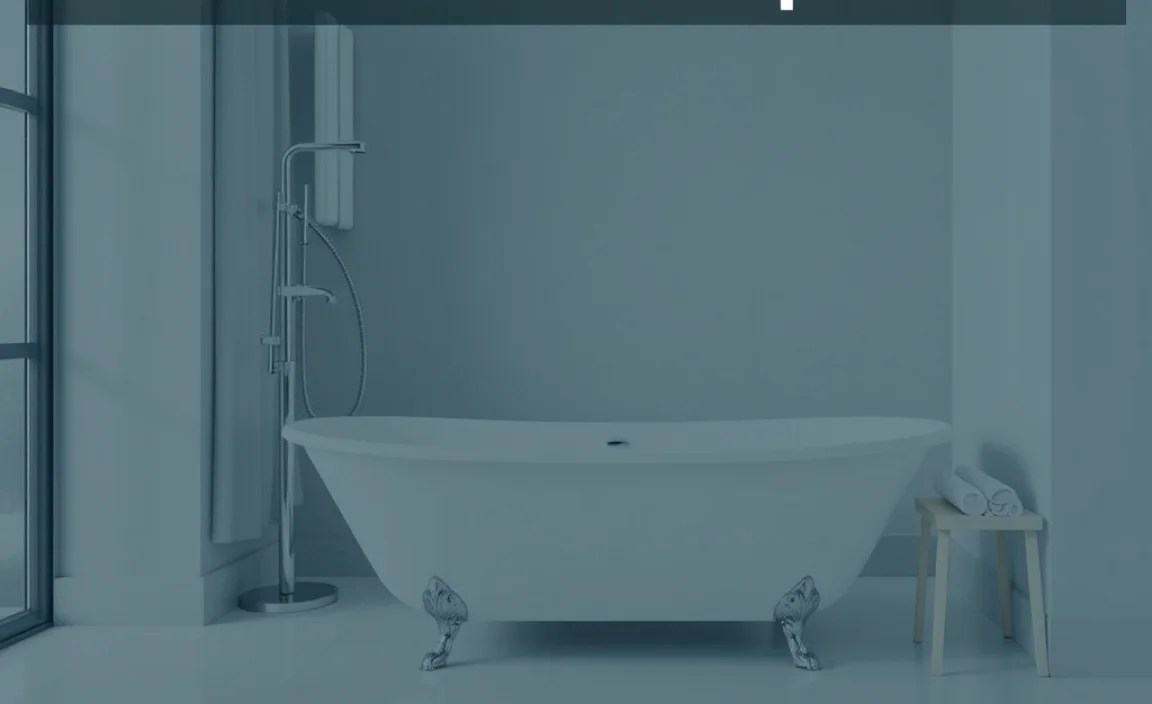
Installing a new tub requires careful placement and secure connections. We’ll cover a general installation for a standard alcove tub.
- Prepare the Space: Ensure the floor is clean and level. Make any necessary repairs to the subfloor or wall studs. If the old drain wasn’t in the right spot, you may need to adjust it – this is where plumbing knowledge is crucial. Check This Old House for excellent guides on drain setups.
- Place the New Tub: Carefully maneuver the new tub into the alcove. For alcove tubs, ensure the nailing flange (the lip that extends up the wall) is flush against the studs.
- Check for Level and Plumb: Use a level on the rim of the tub to ensure it is perfectly level from front to back and side to side. If it’s not level, you may need to shim it. The walls should also be plumb.
- Secure the Tub: Once level and properly positioned, secure the tub by driving screws or nails through the nailing flange into the wall studs. Start from the center and work your way out, ensuring the flange is snug against the wall. Some tubs have a lip that the wall boards rest on; others attach directly to studs. Follow your manufacturer’s instructions carefully.
- Connect the Drain and Overflow: Install the overflow assembly on the inside of the tub. Then, working from underneath (if accessible) or through an access panel, connect the overflow tube to the drain pipe. Apply plumber’s putty or sealant to the drain flange before screwing it into the tub’s drain hole from the inside. Tighten securely.
- Install Faucets and Fixtures: Follow the manufacturer’s instructions for installing your new faucet, spout, and showerhead connected to the water supply lines. Use thread seal tape on all threaded connections.
- Test for Leaks: Fill the tub with water, and then slowly drain it. Check all your connections underneath (if accessible) and around the drain and overflow for any drips or leaks.
- Install Wall Surround or Tile: Once you’re confident there are no leaks, install your new wall surround or tile according to the product instructions. This usually involves adhering panels or tiles to the wall, then sealing all edges with waterproof caulk.
- Caulk All Edges: Apply a bead of waterproof silicone caulk along all seams where the tub meets the walls and floor. Smooth the caulk line with a wet finger or caulk tool for a clean finish.
Finishing Touches and Maintenance
Once the tub is installed, it’s time for the satisfying part – enjoying your new bathing space!
Choosing and Installing New Fixtures
Your faucet and showerhead are the “jewelry” of your bathtub. When choosing new fixtures:
- Consider Finish: Chrome is classic and easy to clean. Brushed nickel resists fingerprints. Matte black or oil-rubbed bronze offer a more decorative look.
- Functionality: Do you want a basic showerhead, a rain showerhead, or a handheld sprayer?
- Brand Reputation: Stick with reputable brands for durability and warranty.
- Style: Match the style of your faucet to your overall bathroom decor.
The installation of fixtures usually involves connecting them to the water supply lines and mounting them to the tub or wall. Always use plumber’s tape on threaded connections and tighten them firmly but without overtightening.
Cleaning and Maintaining Your New Tub
Regular cleaning will keep your new tub looking its best and lasting longer. For most materials:
- Daily: Rinse and wipe down the tub after use to prevent soap scum buildup.
- Weekly: Use a non-abrasive bathroom cleaner and a soft cloth or sponge. For acrylic tubs, avoid cleaners with harsh chemicals or abrasive particles that can scratch the surface.
- Deep Cleaning: For tougher stains or buildup, use a mild solution of baking soda and water or vinegar, and let it sit for a short period before scrubbing gently. Always rinse thoroughly.
Refer to your tub manufacturer’s specific cleaning recommendations for the best results.
Common Bathtub Upgrade Challenges and How to Solve Them
Even with the best planning, you might run into a few snags. Here are some common issues:
Challenge 1: The old tub is stuck!
- Solution: Sometimes tubs are adhered to the wall studs with construction adhesive or are plumbed in a way that makes them difficult to dislodge. Ensure all caulk is fully scored. Try gently tapping around the edges.
