
Upgrade your sink quickly and easily with these proven, effortless solutions that focus on simple, effective methods for a faster, enjoyable DIY experience. Get a fresh look without the stress!
A leaky faucet or a dated sink can really bring down the look and feel of your kitchen or bathroom. Many people think upgrading a sink means a huge, messy project. But what if I told you it doesn’t have to be that way? You can transform your sink area quickly and without a lot of hassle. We’re going to walk through some smart ways to get that fresh, updated look you’ve been dreaming of, making the process simple and stress-free. Get ready to feel a surge of DIY confidence!
Quick Sink Upgrade Options
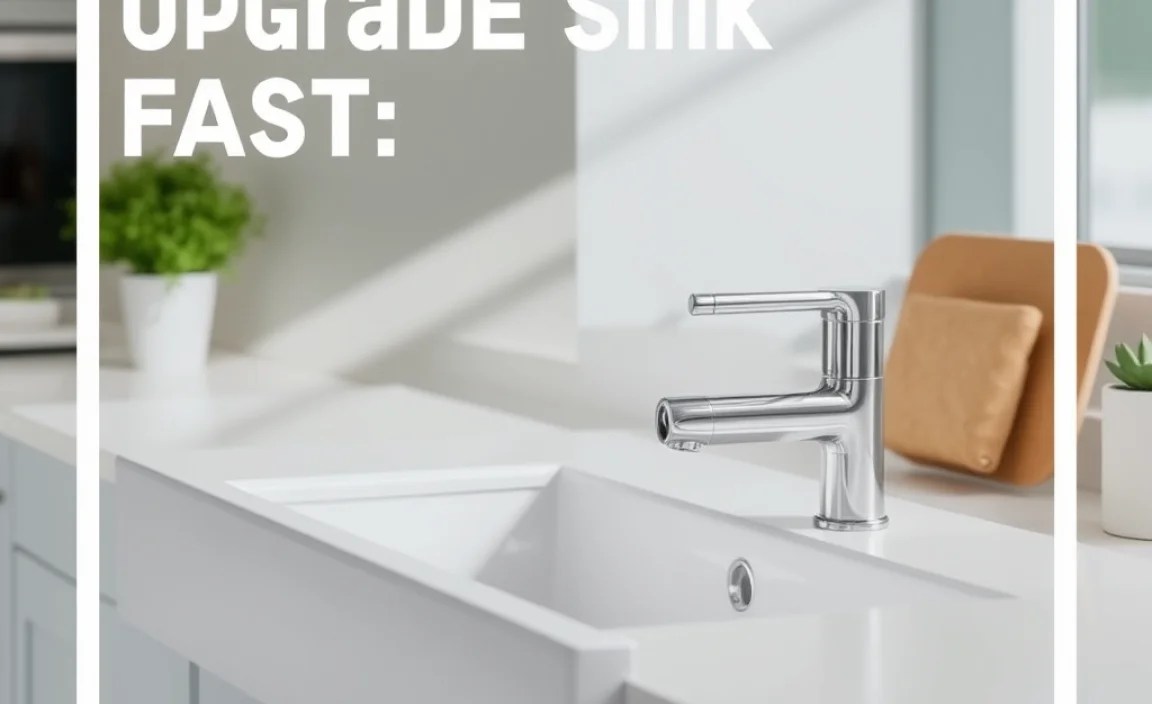
When you’re looking to spruce up your sink area in a hurry, sometimes a full replacement isn’t in the cards. That’s where these fast-acting solutions come in. They’re designed to give you the most visual impact for the least amount of time and effort. Think of these as your “get-it-done-now” tactics for a fresher sink.
1. The Faucet Facelift (Easiest & Fastest)
Your faucet is the jewelry of your sink, and a modern, stylish one can completely transform the space. This is often the single most impactful upgrade you can make quickly.
Why it works for a fast upgrade:
- Minimal disruption: You’re not ripping out the sink itself.
- High visual impact: A sleek new faucet makes everything else look better.
- Relatively simple installation: With the right tools and instructions, it’s very achievable for a DIYer.
What you’ll need:
- A new faucet (choose one that matches your sink’s hole configuration)
- Adjustable wrench
- Basin wrench (highly recommended for hard-to-reach nuts)
- Pliers
- Screwdriver (if your old faucet has screws)
- Plumber’s tape (Teflon tape)
- Bucket and old towels (to catch drips)
- Safety glasses
Steps to a Speedy Faucet Swap:
- Turn Off the Water: This is crucial! Look for shut-off valves under the sink – usually one for hot and one for cold. Turn them clockwise until they stop. Turn on the old faucet to drain any remaining water.
- Disconnect the Old Faucet: Place a bucket under the water supply lines where they connect to the old faucet. Use your adjustable wrench to loosen the nuts attaching the supply lines to the faucet shanks. Disconnect them.
- Remove the Old Faucet: This is where the basin wrench often shines. Look up under the sink where the faucet mounts. You’ll see nuts holding the faucet in place. Use your basin wrench to loosen and remove these nuts. Once free, lift the old faucet out from the top.
- Clean the Mounting Surface: Use a putty knife or cloth to remove any old caulk or debris from where the faucet sat. A clean surface ensures a good seal for the new faucet.
- Install the New Faucet: Follow the manufacturer’s instructions precisely. Typically, you’ll feed the new faucet through the holes in the sink or countertop. From underneath, secure the faucet with the provided mounting hardware, tightening the nuts. Don’t overtighten!
- Connect the Water Supply: Apply plumber’s tape to the threads of the faucet shanks (if recommended by the manufacturer). Connect the new water supply lines (check if they came with the faucet or if you need new ones) to the faucet shanks and the shut-off valves. Tighten with your adjustable wrench.
- Test for Leaks: Slowly turn the shut-off valves back on (counter-clockwise). Check all connections for drips. Turn on the new faucet and let the water run for a minute. Check again for any leaks under the sink.
2. The Drain & Strainer Shine-Up
Sometimes, the sink basin itself is fine, but the drain looks dingy or is prone to clogs. Upgrading the drain assembly and adding a nice strainer can make a big difference and is surprisingly straightforward.
Why it works for a fast upgrade:
- Improves functionality: A new drain can prevent clogs and leaks.
- Boosts aesthetics: A shiny new drain looks much better than an old, tarnished one.
- Quick to install: Often a project that takes less than an hour.
What you’ll need:
- New drain assembly (ensure it fits your sink type – pop-up or grid drain, and matches the number of holes)
- New strainer/basket (if separate from the drain)
- Pliers (channel-lock pliers are ideal)
- Plumber’s putty or silicone sealant (check drain instructions)
- Bucket and towels
Steps to a Sparkling Drain:
- Turn Off Water & Prep: As with the faucet, turn off hot and cold water supply valves under the sink. Place a bucket to catch water from the P-trap (the U-shaped pipe).
- Disconnect Existing Drain: Loosen the slip nut that connects the sink drain tailpiece to the P-trap using pliers. Let any water drain into the bucket.
- Remove Old Drain Flange: From the top of the sink, you might need to unscrew a retaining nut or a special tool to unseat the old drain flange. Sometimes, a pair of pliers can grip the old strainer to twist it out.
- Clean the Sink Opening: Scrape away any old putty or sealant from the sink drain hole.
- Install New Drain Flange: Apply a bead of plumber’s putty or silicone sealant around the underside of the new drain flange (follow the manufacturer’s guide). Press the flange firmly into the sink drain opening from above.
- Assemble Underneath: From under the sink, slide the rubber gasket, then the friction ring, then the metal washer onto the drain body. Thread on the locknut and tighten it securely with pliers, holding the drain flange from spinning with another tool if needed.
- Reconnect P-trap: Reattach the P-trap to to the new drain tailpiece, tightening the slip nuts.
- Test: Turn water back on and fill the sink. Check for leaks at all connections.
3. Hardware & Accessories Refresh
Don’t underestimate the power of small details! Swapping out cabinet knobs, installing a new soap dispenser, or adding a stylish mat can elevate the sink area dramatically.
Why it works for a fast upgrade:
- Instant visual update: New hardware pops and makes cabinets look newer.
- Minimal effort: Usually just involves a screwdriver.
- Cost-effective: Individual accessories are relatively inexpensive.
Options to consider:
- Faucet Handle Upgrades: For some faucet types, you can replace just the handles for a new look.
- New Cabinet Knobs/Pulls: Match these to your new faucet finish or style.
- Integrated Soap/Lotion Dispensers: Many sinks have pre-drilled holes for these, offering a cleaner look than a countertop bottle.
- Stylish Drain Stopper/Basket Strainer: Opt for a brushed nickel, matte black, or decorative finish.
- Sink Mats & Organizers: A nice silicone mat can protect your sink and add color, while caddies keep sponges and brushes tidy.
Medium Effort, Fast Results: Sink Basin Swaps

If you’re ready for a more noticeable change and have a little more time, replacing the entire sink basin can be incredibly rewarding. The key to doing this “fast” is choosing the right type of sink and preparing thoroughly.
Choosing the Right Sink for Speed
The easiest sinks to swap quickly are typically drop-in (or top-mount) sinks. Here’s why they are your best bet for a fast upgrade:
- Top-Mount Installation: They are designed to rest on top of the countertop, secured from underneath. This means you don’t need to mess with undermount clips or adhesives, and often they fit existing countertop cutouts directly.
- Existing Cutout Compatibility: Most drop-in sinks are made to fit standard countertop openings, minimizing the need for precise, custom cuts.
- Simpler Plumbing: Plumbing connections are similar to a faucet change, making it a familiar process for DIYers.
Undermount sinks are beautiful and sleek but require more careful installation, often involving sealing to the underside of the countertop and specialized clips, which takes more time and precision. Unless you’re very comfortable with this type of work, stick to drop-in for speed.
What You’ll Need for a Sink Basin Swap
This is a more involved project, so gather everything beforehand:
- New drop-in sink
- New faucet (if not reusing)
- Adjustable wrench
- Basin wrench
- Pliers
- Putty knife
- Utility knife (for old caulk)
- Bucket and plenty of old towels/rags
- Plumber’s putty or silicone sealant (check sink & faucet instructions)
- Dremel or oscillating tool (optional, for stubborn caulk/sealant)
- Safety glasses and gloves
- New P-trap and tailpiece kit (recommended for a fresh start)
- Caulk gun with silicone sealant (for sealing the sink rim to the countertop)
Steps to Install a Drop-In Sink (The Faster Way)
Preparation is Key:
-
- Turn Off Water: Shut off hot and cold water to the faucet. Turn on the old faucet to drain.
- Disconnect Plumbing: Place a bucket under the P-trap. Disconnect the P-trap from the sink tailpiece and the wall pipe. Disconnect the water supply lines from the old faucet.
- Remove Old Faucet: Follow the steps outlined in the “Faucet Facelift” section.
- Remove Old Sink: This is the most “messy” part.
- If the sink is sealed around the rim with caulk, use a utility knife to cut through the old sealant.
- Look for mounting clips under the countertop around the sink edge. Loosen or remove these.
- Gently push the sink up from the top while working underneath to loosen it further, or gently pry it up with a putty knife. Be patient!
- Clean the Cutout: Thoroughly clean the countertop opening where the old sink sat. Scrape away all old caulk and debris. A clean surface is essential for a good seal.
Installing the New Sink:
-
-
- Prepare the New Sink: Install the new faucet and drain assembly into the new sink basin before you place the sink into the countertop. This is much easier than trying to do it with the sink already in place. Follow the manufacturer’s instructions for both.
- Apply Sealant: Apply a continuous bead of silicone sealant or plumber’s putty around the underside edge of the new sink rim. This creates a watertight seal against the countertop.
- Set the New Sink: Carefully lower the new sink into the countertop opening. Ensure it’s centered and sitting level.
- Secure the Sink: From underneath, attach the mounting clips that came with your sink to secure it to the countertop. Tighten them evenly.
- Reconnect Plumbing: Reconnect the new tailpiece to the sink drain. Assemble and connect your new P-trap, ensuring all slip nuts are snug. Reconnect the water supply lines to the new faucet and to the shut-off valves.
- Test Everything: Turn the water supply valves back on slowly. Run water at the faucet and fill the sink. Check meticulously for leaks at every connection point (supply lines, faucet base, drain assembly, P-trap connections). Tighten any leaking connections slightly.
- Clean Up: Wipe away any excess sealant that squeezed out around the sink rim.
-
Sink Types: Speed vs. Style
Here’s a look at how different sink types stack up in terms of installation ease and speed, versus their aesthetic and functional benefits.
| Sink Type | Installation Speed | Ease for Beginners | Aesthetic Appeal | Typical Cost Range |
|---|---|---|---|---|
| Drop-in (Top-Mount) | Fastest | High | Good (rim is visible) | $$ – $$$ |
| Undermount | Moderate to Slow | Moderate (requires precise mounting) | Excellent (seamless look) | $$$ – $$$$ |
| Farmhouse/Apron-Front | Slow (requires cabinet modification) | Low (advanced DIY) | Distinctive, high-end | $$$$ |
| Self-Rimming | Fast (similar to drop-in) | High | Basic (rim is prominent) | $ – $$ |
Note: Cost ranges are relative and can vary greatly by material, brand, and features.
Smart Tips for Effortless Upgrades

Maximizing speed and minimizing stress during a sink upgrade comes down to smart planning and execution. Here are some pro tips to keep your project on track and ensure a professional-looking finish, even if you’re new to DIY.
1. Plan Your Project Meticulously
Before you even buy a thing, take stock:
-
- Measure Everything: Measure the existing sink dimensions, faucet hole spread (e.g., 4-inch centerset, 8-inch widespread), and countertop cutout size.
- Check Your Existing Plumbing: Are your shut-off valves in good working order? Are the supply line connections standard? Sometimes old valves are corroded and should be replaced.
- Read Instructions: Always read the installation manuals for your new sink and faucet before.
Frequently Asked Questions
How long does it typically take to upgrade a sink?
A simple faucet replacement can take as little as an hour. Swapping out the entire sink basin and faucet might take half a day to a full day, depending on your experience and the complexity of the installation.
What are the easiest ways to upgrade a sink’s appearance?
The quickest aesthetic upgrades include replacing an old faucet with a modern one, adding a new drain stopper or strainer, or installing a stylish sink mat or organizer. For a more significant change with minimal effort, consider a drop-in sink with a new countertop.
Do I need special tools to upgrade a sink?
For most basic sink upgrades, like replacing a faucet, you’ll need an adjustable wrench, basin wrench (especially for tight spaces), pliers, and a screwdriver. For full sink replacements, you might also need a putty knife, a bucket, and sealant.
Can I upgrade my sink without replacing the countertop?
Yes! If your countertop is in good condition, you can often replace just the sink basin and faucet. This is a common and cost-effective way to update your look. Ensure the new sink fits the existing cutout for the most effortless swap.
What’s the difference between a drop-in and undermount sink?
A drop-in sink has a rim that rests on top of the countertop, making installation easier. An undermount sink is installed beneath the countertop, creating a seamless look and making cleanup simpler, but requiring more precise installation.
Where can I find reliable guides for sink upgrades?
Reputable sources include manufacturer installation manuals, home improvement store websites (like Home Depot or Lowe’s), and established DIY websites such as This Old House or Family Handyman. For plumbing code information, your local government’s building department website is a great resource.
What if I encounter a problem during my sink upgrade?
Don’t panic! If you get stuck, re-read your instructions carefully. Consult online tutorials for your specific sink model. For plumbing issues, turning off the main water supply is crucial. If you’re unsure, it’s always best to call a licensed plumber.
