
Quick Summary: Tiles in plumbing are essential for protecting walls and floors from water damage, creating hygienic surfaces, adding aesthetic appeal, and preventing mold growth. They offer durability, easy cleaning, and a waterproof barrier, making them a genius choice for bathrooms, kitchens, and around plumbing fixtures.
Ever noticed how many tiled areas there are in your home, especially in places where water is used? From the shiny backsplash in your kitchen to the clean, crisp walls of your shower, tiles are everywhere. But have you ever wondered why? It’s not just for looks! Tiles play a crucial, often unseen, role in keeping your plumbing system and your home safe and sound. They’re a smart and necessary part of how we manage water in our homes, preventing common headaches like leaks and mold.
If you’ve ever dealt with water damage or wondered about the best materials to use around sinks, tubs, and toilets, you’re in the right place. We’re going to break down exactly why tiles are such a genius and essential choice in plumbing. By the end of this article, you’ll understand the hidden superpowers of tiles and appreciate them even more the next time you see them.
The Genius of Tiles: More Than Just Pretty Faces

When we think about plumbing, we usually picture pipes, faucets, and drains. But the materials surrounding these essential components are just as important. Tiles, in their many forms, offer a robust, waterproof, and hygienic solution that standard drywall or wood simply can’t match. Their primary job is to act as a shield, protecting the underlying structures of your home from constant exposure to moisture. This protection is vital for preventing costly damage and maintaining a healthy living environment.
The beauty of tiles is their versatility. They come in countless colors, textures, and sizes, allowing them to blend seamlessly with any decor. But beneath that stylish exterior lies incredible functionality that makes them a plumbing superhero. Let’s dive into the specific “genius” uses of tiles in plumbing.
1. The Ultimate Waterproof Barrier
This is the most critical role tiles play. Think about your shower, the area around your bathtub, or the floor of your bathroom. These are zones with direct and frequent water contact. Without a proper barrier, water would seep into the walls and subflooring, leading to a cascade of problems.
- Protection from Leaks: Tiles, when properly installed with waterproof grout and sealant, create a nearly impenetrable surface. This prevents water from reaching the drywall, studs, and insulation behind them, which are highly susceptible to rot and structural damage.
- Preventing Mold and Mildew: Moisture trapped behind walls is a breeding ground for mold and mildew. These fungi can cause health issues and are notoriously difficult to remove. A tiled surface effectively seals out the moisture that fuels their growth.
- Durability Against Water: Unlike many other building materials, ceramic and porcelain tiles are non-porous. This means they absorb very little water, themselves resisting damage from prolonged dampness.
2. Creating Hygienic and Easy-to-Clean Surfaces
In areas where cleanliness is paramount, like kitchens and bathrooms, tiles are a dream come true. Their smooth, non-porous surface makes them incredibly easy to wipe down and sanitize.
- Sanitary Surfaces: Spills, soap scum, toothpaste – these are all common in wet areas. Tiles and grout can be easily cleaned with standard household cleaners, helping to maintain a sanitary environment for your family.
- Reduced Germ Trapping: Unlike porous materials that can absorb spills and harbor bacteria, tiled surfaces are resistant to staining and are much harder for germs to penetrate.
- Ideal for High-Moisture Zones: The bathroom and kitchen see the most action when it comes to water. Tiles are the perfect material to handle this constant moisture, keeping these areas clean and fresh.
3. Protecting Substrates and Structural Integrity
Behind those beautiful tiles is a system designed to protect the very structure of your home. The tiles act as the first line of defense, but they also work in conjunction with waterproofing membranes and cement board backer. These layers are crucial for ensuring the longevity of your plumbing fixtures and the walls they are attached to.
- Supporting Fixtures: Tiles can be installed over robust backer boards like cement board or specialized waterproof panels. This substrate provides a solid, stable surface for mounting heavy items like sinks, faucets, and showerheads, ensuring they remain secure.
- Preventing Substrate Degradation: The primary purpose of the tile layer is to keep the underlying construction materials dry. This means the wood framing or plaster walls are shielded from the damaging effects of water, preventing rot and decay that could compromise the structural integrity of your home.
4. Aesthetic Appeal and Home Value
Let’s not forget the visual aspect! Tiles allow for incredible design flexibility. They can transform a functional bathroom or kitchen into a stylish and inviting space. This aesthetic improvement also adds to the overall value of your home.
- Design Versatility: From intricate mosaic patterns to large, modern slabs, tiles offer endless possibilities to match any personal style or home decor.
- Enhancing Property Value: Well-designed and well-maintained tiled areas are a significant selling point for potential homebuyers. Beautiful bathrooms and kitchens often lead to a higher resale value.
- Durability Means Long-Term Beauty: Unlike paint or wallpaper, which can be easily damaged by moisture, tiles maintain their appearance for many years, providing a lasting, beautiful finish.
Where Tiles Shine in Plumbing Applications

Tiles aren’t just used anywhere; they are strategically placed in areas most vulnerable to water. Understanding these specific applications helps us appreciate their importance even more.
1. Bathrooms: The Ultimate Test for Tiles
Bathrooms are ground zero for moisture. The combination of showers, tubs, sinks, and toilets means water is a constant presence. Tiles are absolutely essential here.
- Shower Walls and Floors: This is perhaps the most obvious and critical use. The entire enclosure of a shower or bathtub should be tiled to prevent water from penetrating the walls and floor structure. This includes the splash zones around showerheads.
- Bathroom Walls: Even walls not directly in the shower can get splashed. Tiling up to a certain height (a “wainscoting”) or tiling the entire wall provides consistent protection.
- Flooring: Bathroom floors are consistently exposed to water from showers, sinks, and general humidity. Tiled floors are durable, water-resistant, and easy to clean.
- Around Toilets and Sinks: Small splashes are common around these fixtures. Tiled floors in these areas are hygienic and protect the subfloor.
2. Kitchens: Battling Splashes and Spills
Kitchens are another hub of water activity, though perhaps less intense than bathrooms. Tiles offer a practical and pretty solution.
- Backsplashes: The wall area behind sinks and countertops is a prime spot for splashes from washing dishes, cooking, and food prep. A tiled backsplash protects this wall from moisture, grease, and stains, and is easy to wipe clean. Companies like Houzz offer a vast array of kitchen backsplash tile options.
- Flooring: Kitchen floors can experience spills from sinks, refrigerators with ice makers, and general foot traffic. Tiled floors can withstand these challenges, offering durability and ease of maintenance.
- Around Sinks and Dishwashers: The direct splash zone around the kitchen sink and the potential for leaks from dishwashers are well-managed with tiled flooring or splash guards.
3. Laundry Rooms: Managing Water and Humidity
Laundry rooms often house washing machines and utility sinks, making them prone to leaks and high humidity.
- Flooring: Tiling the floor in a laundry room is a smart move. It protects the subfloor from potential leaks from the washing machine or overflowing sinks and handles the everyday moisture and detergent spills.
- Walls Behind Appliances: While not as common, some people tile the wall behind washing machines for added protection against minor leaks or condensation.
4. Basements and Garages (Utility Areas)
In areas with utility sinks, water heaters, or washing machines in basements or garages, tiling can be a smart defensive strategy.
- Utility Sink Areas: The floor around utility sinks in basements or garages is susceptible to leaks, drips, and spills. Tiled floors provide crucial protection.
- Around Water Heaters: While less common, in cases where a water heater might be in a utility area, tiling the floor can offer some protection against minor leaks.
Types of Tiles Used in Plumbing

Not all tiles are created equal, and different types are better suited for specific plumbing applications based on their water resistance, durability, and appearance.
| Tile Type | Description | Best Uses in Plumbing | Pros | Cons |
|---|---|---|---|---|
| Ceramic Tile | Made from clay fired at high temperatures. Can be glazed for added water resistance and decoration. | Shower walls, bathroom floors, kitchen backsplashes, general wall tiling. Less ideal for high-traffic floors unless rated for it. | Affordable, wide variety of designs, easy to clean (glazed). | Can chip or crack, porous if unglazed, requires sealing (especially grout). |
| Porcelain Tile | A denser, less porous type of ceramic tile made from finer clay and fired at higher temperatures. Highly water-resistant. | Shower floors and walls, bathroom floors, kitchen floors and backsplashes, high-traffic areas. Excellent for wet areas. | Extremely durable, very low water absorption (less than 0.5%), resistant to stains and frost. | More expensive than ceramic, harder to cut, can be slippery (choose textured finishes). |
| Natural Stone Tile (e.g., Granite, Marble, Slate) | Composed of natural quarried stone. Offers unique beauty and durability. | Bathroom floors (with proper sealing), kitchen backsplashes, lower-traffic areas. Less ideal for shower floors due to porosity and slip risk unless specifically treated. | Unique, natural beauty, durable, can be very elegant. | Porous (requires regular sealing), can be expensive, some stones are prone to etching or staining, can be slippery. |
| Glass Tile | Made from glass, often recycled. Can be translucent or opaque, comes in many colors and forms. | Shower walls, decorative accents, backsplashes. Not typically recommended for bathroom or kitchen floors due to fragility and slip risk. | Beautiful, reflective, easy to clean, resistant to stains. | Fragile, can chip or break, more difficult to install, can be expensive, grout lines are crucial for stability. |
| Vinyl Tile (LVT/LVP) | A resilient flooring option made from PVC. Available in sheets, tiles, or planks. | Laundry room floors, basement floors, budget-friendly bathroom or kitchen flooring in lower-moisture areas. Not ideal for direct shower walls/floors. | Water-resistant, durable, easy to install (DIY-friendly), affordable, wide range of styles. | Can be susceptible to punctures or tears, may not withstand extreme heat, quality varies significantly. |
Installation Considerations: The Key to Tile Success in Plumbing

Having the right tile is only half the battle. Proper installation is crucial for ensuring tiles perform their protective duties effectively. This involves more than just sticking tiles to the wall or floor.
1. Substrate Preparation: The Foundation Matters
Before any tile goes down, the surface it’s adhering to must be sound, clean, and stable. In wet areas, this often means using a specialized substrate.
- Cement Board: This is a popular choice for wet areas like showers and bathroom floors. It’s dimensionally stable, moisture-resistant, and provides an excellent surface for thin-set mortar. Unlike drywall, it won’t disintegrate when exposed to moisture. You can learn more about proper substrate selection from resources like Fine Homebuilding.
- Waterproofing Membranes: For maximum protection, especially in shower floors and walls, a liquid or sheet waterproofing membrane is often applied over the substrate (like cement board) and then tiled over. This creates an extra layer of defense against water penetration.
- Drywall: Standard drywall is NOT suitable for direct contact with water in shower stalls or around bathtubs. If it gets wet, it will quickly degrade and become a breeding ground for mold.
2. Waterproofing and Sealing: Double Protection
Even the best tiles need help at the seams.
- Grout: The spaces between tiles are filled with grout. Traditional cement-based grout is porous and needs to be sealed regularly to prevent water absorption and staining. For highly critical areas like shower floors, epoxy grout is often recommended as it is inherently waterproof and stain-resistant.
- Sealants and Mastics: Silicone caulk is essential for sealing expansion joints and transitions, such as where a tiled wall meets a tub or floor, or at corners. This flexible sealant prevents water from getting behind the tile at these vulnerable points.
3. Proper Adhesives and Mortar
The “glue” that holds your tiles in place is critical for their longevity and performance.
- Thin-Set Mortar: This cement-based adhesive is the standard for most tile installations, especially in wet areas. It provides a strong bond and, when mixed correctly, contributes to an overall strong, water-resistant installation.
- Mastics: While sometimes used for wall tiles in dry areas, mastics are generally NOT recommended for floors or wet areas like showers because they can break down when exposed to prolonged moisture.
When DIY Might Mean Calling a Pro
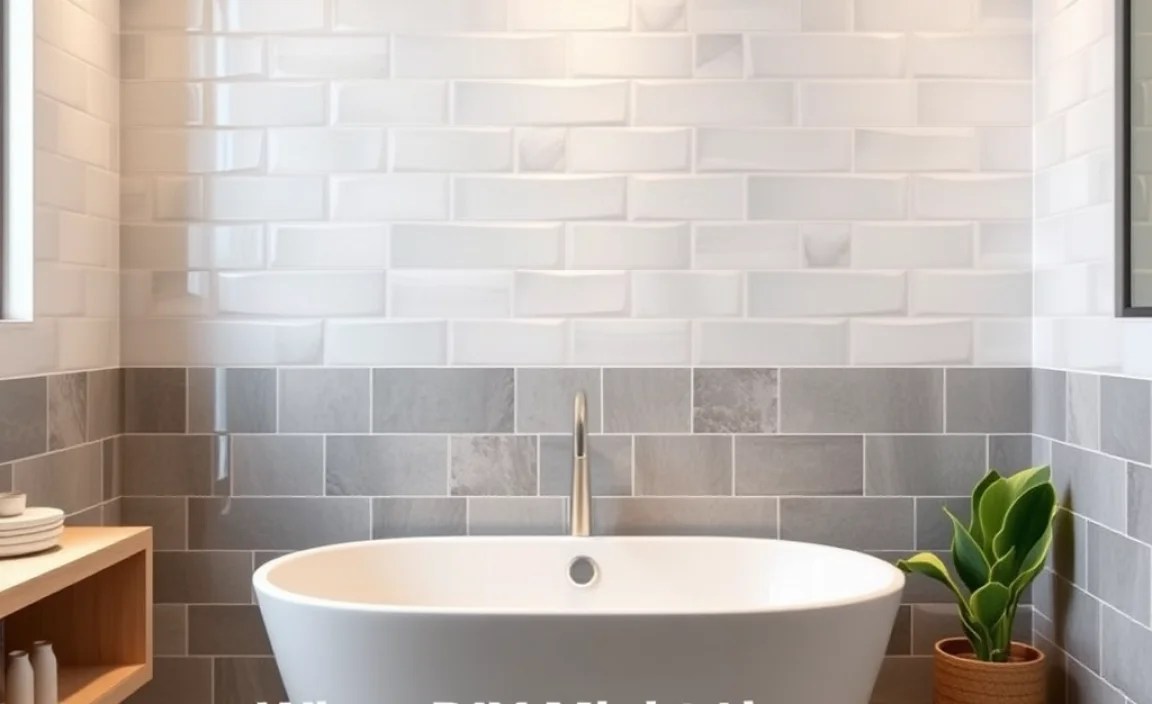
While many tiling projects are achievable for the ambitious DIYer, there are instances where calling a professional plumber or tile installer is the smartest, safest, and most reliable choice, especially when dealing with critical waterproofing in plumbing systems.
Consider a Pro if:
- You are tiling a shower or bathtub surround. These areas require precise waterproofing to avoid catastrophic water damage.
- You are unsure about the substrate preparation or waterproofing methods. Mistakes here can be very costly to repair later.
- You are working with expensive or delicate tile that requires expert handling.
- You need significant plumbing work done in conjunction with the tiling. A plumber can ensure everything is connected correctly before tiling begins.
- You lack the specialized tools or the time for what could be a complex and time-consuming project.
Remember, the goal is a durable, waterproof, and hygienic surface. Investing in professional installation for critical areas can save you a lot of money and headaches down the line. For more on professional plumbing services, you can check out resources like the National Association of the Remodeling Industry (NARI).
FAQ Section
Q1: Can I tile directly over existing drywall in my bathroom?
A1: No, standard drywall is not a suitable substrate for areas that will be exposed to moisture, such as shower walls or around a bathtub. Use cement board or a specialized waterproof panel instead, followed by waterproofing membrane and then the tiles.
Q2: How often do I need to seal my tile grout?
A2: For standard cement-based grout in areas that get wet (like bathrooms), sealing is typically recommended every 6 to 12 months. Epoxy grout does not require sealing. Check the sealant manufacturer’s instructions for specific recommendations.
Q3: Are porcelain tiles truly waterproof?
A3: Porcelain tiles themselves have very low water absorption (less than 0.5%), making them highly water-resistant. However, the entire system – including the grout and sealant – must be properly installed and maintained to create a truly waterproof barrier.
Q4: What’s the difference between glazed and unglazed tiles?
A4: Glazed tiles have a protective, decorative glassy coating applied before firing, which makes them less porous and easier to clean. Unglazed tiles are porous and typically require sealing, especially if used in wet areas.
Q5: Can I use regular tile adhesive in a shower?
A5: It’s highly recommended to use thin-set mortar specifically designed for tile installation in wet areas like showers. Mastic adhesives can break down when exposed to constant moisture and are generally not suitable for these applications.
Q6: Does tile help prevent plumbing leaks?
A6: Tiles themselves don’t prevent leaks in pipes, but they are essential for protecting the walls and floors from water that might escape from fixtures or minor plumbing issues. This prevents water damage to your home’s structure.
