
Understanding vanity basics in construction involves knowing the right cabinet, countertop, and sink materials, proper installation techniques, and securing the unit firmly. This guide simplifies these essential steps to ensure a durable and attractive vanity installation for any DIYer.
Ready to tackle your bathroom renovation or just refresh that tired old vanity? It can seem like a big project, but breaking it down makes it totally manageable. Many homeowners find themselves staring at a jumble of plumbing parts and cabinet choices, feeling a bit lost. Don’t worry! We’re here to walk you through the essential construction secrets of vanities, from picking the right materials to getting it installed like a pro. You’ll gain the confidence to build a beautiful, functional vanity that lasts.
This guide will demystify the process, making it clear and easy to follow. We’ll cover everything you need to know to get started, ensuring your vanity project is a success. Let’s dive into the world of vanity basics!
Vanity Basics in Construction: What You Need to Know


When we talk about a “vanity” in a bathroom, we’re usually referring to the furniture piece that holds the sink and provides storage. It also serves as the base for your countertop and faucet. Getting the construction basics right from the start is key to a vanity that is both beautiful and functional for years to come. It’s not just about how it looks now, but how it holds up to daily use, moisture, and wear and tear. This involves smart material choices and solid installation techniques.
Think of your vanity as the anchor of your bathroom. A well-constructed vanity adds value to your home and makes your daily routine smoother. Conversely, a poorly built one can lead to headaches, costly repairs, and a less-than-impressive bathroom. This guide is designed to equip you with the fundamental knowledge, turning complex construction ideas into simple, actionable steps. We’ll break down the core components and essential secrets that contribute to a robust and stylish vanity build.
Choosing Your Vanity Cabinet: The Foundation of Your Design
The cabinet is the backbone of your vanity. It supports the countertop, houses the sink, and provides crucial storage. Your choice here dictates much of the vanity’s style, durability, and functionality. When selecting a vanity cabinet, you’ll encounter different styles, materials, and construction methods. Understanding these will help you make an informed decision that suits your needs and aesthetic preferences.
Cabinet Styles Explained
Vanity cabinets come in several primary styles, each offering a different look and feel:
- Freestanding (Stock or Semi-Custom): These are the most common. They come in standard sizes and designs, ready to be installed. You can find them in big-box home improvement stores or specialized kitchen and bath showrooms. They offer a wide range of styles, from traditional to modern.
- Wall-Mounted (Floating): These vanities are attached directly to the wall, leaving the floor space underneath open. This creates a modern, minimalist look and can make smaller bathrooms feel more spacious. Installation requires secure mounting to wall studs.
- In-Frame (Beadboard or Shaker): These feature a face frame overlaying the cabinet box. This style is incredibly durable and offers a more traditional, robust appearance. It’s a hallmark of higher-quality cabinetry construction.
- Frameless (European Style): These cabinets lack a face frame, meaning the doors and drawers attach directly to the cabinet box edges. This offers a sleeker, more modern look and can sometimes provide slightly more interior space.
Cabinet Materials: Durability Meets Design
The materials used in vanity cabinets significantly impact their longevity and resistance to bathroom moisture. Here’s a look at common options:
- Solid Wood: A premium choice, offering excellent durability and a classic look. Woods like oak, maple, and cherry are popular. Solid wood can be susceptible to warping if not properly sealed and maintained in a humid environment. Look for well-constructed joints, such as dovetail or mortise-and-tenon.
- Plywood: A very common and durable material for cabinet boxes and doors. Plywood is made of thin layers of wood veneer glued together. It’s strong, stable, and less prone to warping than solid wood, especially in humid bathrooms. Higher-quality plywood will have more plies (layers) and a solid wood veneer on the visible surfaces.
- MDF (Medium-Density Fiberboard): An engineered wood product made from wood fibers, resin, and wax. MDF is dense, smooth, and excellent for painting. However, it can be heavier than plywood and is highly susceptible to water damage if not sealed or protected. It’s often used for painted cabinet doors and drawer fronts.
- Particleboard: Made from wood chips, sawdust, and binder. It’s the least expensive option but also the least durable and most susceptible to moisture damage. Many lower-cost vanities use particleboard, often with a laminate or veneer finish. Plywood or solid wood is generally preferred for longevity.
Countertop Conundrums: Material Matters
The countertop is the most visible and functional surface of your vanity. It needs to be durable, water-resistant, and easy to clean. The material you choose will impact the overall cost, maintenance, and aesthetic of your bathroom. Here are some of the most popular countertop materials:
Common Countertop Materials and Their Traits
Let’s break down the pros and cons of popular vanity countertop materials:
| Material | Pros | Cons | Maintenance |
|---|---|---|---|
| Granite | Extremely durable, heat and scratch-resistant, unique natural patterns, wide color selection, adds value. | Porous (needs sealing), can be expensive, heavy (may require extra support). | Requires periodic sealing (every 1-3 years) to prevent staining. Clean with mild soap and water. |
| Marble | Elegant, classic beauty, unique veining, cool to the touch. | Porous (stains easily), prone to etching from acids (like lemon juice, vinegar), scratches more easily than granite. | Requires frequent sealing. Use pH-neutral cleaners. Avoid abrasive scrubbing. |
| Quartz (Engineered Stone) | Non-porous, highly stain and scratch-resistant, consistent color/pattern, low maintenance, durable. | Can be damaged by extreme heat, can be more expensive than some natural stones, less unique than natural stone. | Very low maintenance. Clean with mild soap and water or glass cleaner. Avoid direct heat. |
| Solid Surface (e.g., Corian) | Non-porous, seamless look (sink can be integrated), repairable if scratched or gouged, wide color options. | Can scratch and scuff, not heat-resistant, can look less premium than stone to some. | Easy to clean with mild soap and water. Scratches can often be buffed out. |
| Laminate | Most budget-friendly, wide variety of colors and patterns, lightweight. | Prone to scratches, chips, and heat damage; seams can be visible; not as durable long-term as other options. | Easy to clean with mild soap and water. Avoid abrasive cleaners. |
| Butcher Block (Wood) | Warm, natural look, can be refinished, relatively affordable. | Not water-resistant, requires regular sealing/oiling, can scratch and stain, susceptible to mold in high humidity. | Requires regular oiling/sealing (mineral oil, food-grade wax) to protect from moisture and stains. Clean spills immediately. |
When selecting a countertop, consider your lifestyle. If you have young children and prioritize durability and low maintenance, quartz or a well-sealed granite might be ideal. For those seeking timeless elegance and willing to put in more care, marble can be a stunning choice. Always ask about pre-sealing if you choose granite or marble.
Sink and Faucet Integration: Setting the Standard
The sink and faucet are where the vanity meets functionality. Their integration is critical for both aesthetics and preventing water damage. There are several types of sinks and mounting methods to consider, each with its own construction nuances.
Sink Types and Installation Methods
The way your sink is installed significantly affects its appearance and ease of cleaning.
- Undermount Sinks: These are mounted beneath the countertop. This creates a seamless transition, making it incredibly easy to wipe crumbs and water directly from the counter into the sink. They are typically installed with clips and adhesive, ensuring a secure fit. This is a very clean and modern look.
- Drop-in (Top-mount) Sinks: These sinks have a rim that rests on top of the countertop. They are generally easier to install as they don’t require precise sub-countertop support, relying on clips and a sealant bead around the rim. They can trap grime around the rim, making cleaning slightly more challenging than undermount sinks.
- Vessel Sinks: These sit on top of the countertop, resembling a bowl. They make a strong design statement. A larger mounting hole is needed in the countertop, and a special drain assembly is used. The faucet is often mounted on the countertop or the wall.
- Integrated Sinks: For solid surface countertops, the sink can be molded seamlessly as one piece with the countertop. This results in a completely smooth, non-porous surface that is exceptionally easy to clean and offers a very modern aesthetic.
Faucet Selection: Your faucet choice should complement your sink style and countertop material. Consider the number of holes in your sink or countertop – widespread faucets need three holes, while centerset faucets require one or three. For vessel sinks, wall-mounted or tall, single-hole faucets are common. Always ensure your new faucet will fit the existing or planned plumbing configuration.
Putting It All Together: Construction and Installation Secrets
Now that you’ve chosen your components, let’s talk about how it all comes together. Solid construction and careful installation are what turn individual parts into a durable, functional vanity.
Securing the Vanity Cabinet
This is paramount for safety and stability. A vanity, especially when loaded with toiletries and under the weight of a countertop, can be very heavy. It must be secured to the wall.
- Locate Studs: Use a stud finder to locate at least two wall studs behind where the vanity will be placed. Mark their centers clearly.
- Position the Cabinet: Place the vanity cabinet in its final position. Ensure it’s level both front-to-back and side-to-side. You may need shims under the cabinet base to achieve this.
- Drill Pilot Holes: From inside the cabinet, drill pilot holes through the cabinet’s back support rail (or the back panel itself, if it’s robust enough) into the marked stud centers.
- Anchor Securely: Use long, heavy-duty screws (e.g., 3-inch wood screws) to secure the cabinet to the wall studs. Drive these screws through the pilot holes, ensuring they penetrate deep into the studs. For added security, especially with heavier countertops, consider seismic anchors or framing out a more robust support system behind the vanity wall. The U.S. Consumer Product Safety Commission offers guidance on furniture tip-over prevention, which highlights the importance of anchoring large fixtures.
Connecting the Plumbing
This is where things can get complicated for beginners. Always turn off the main water supply before starting any plumbing work. If you’re unsure, hire a plumber for this step.
- Shut Off Water: Locate the shut-off valves for your hot and cold water supply lines (usually located behind the vanity). Turn them off completely.
- Connect Supply Lines: Attach the new faucet’s flexible supply lines to the shut-off valves. Hand-tighten first, then use pliers to snug them up an additional quarter-turn. Avoid over-tightening, which can damage the connections.
- Install the Drain: Assemble the drain and P-trap according to the manufacturer’s instructions. Ensure all seals are properly seated and connections are snug.
- Test for Leaks: Once everything is connected, slowly turn the water supply back on. Check all connections for drips or leaks. Run water into the sink and check the drain assembly for leaks as well.
Installing the Countertop and Sink
This step often requires a second person due to the weight and awkwardness of countertops.
- Dry Fit: Before applying any adhesive, place the countertop onto the cabinet. Check for a good fit and ensure it overhangs evenly on all sides.
- Apply Adhesive: Apply a bead of 100% silicone sealant or a specific countertop adhesive around the top edge of the vanity cabinet where the countertop will rest. For undermount sinks, apply a generous bead around the sink’s mounting rim.
- Set the Countertop: Carefully lower the countertop into place. Press down firmly to spread the adhesive. If installing an undermount sink, place it in position and secure it with the provided clips, tightening them against the underside of the countertop.
- Clean Excess Sealant: Wipe away any excess silicone that squeezes out immediately with a damp cloth or paper towel.
- Allow Adhesive to Cure: Let the adhesive cure for the time recommended by the manufacturer before using the sink or placing items on the countertop (usually 24 hours).
Waterproofing and Finishing Touches
Bathrooms are inherently wet environments. Proper sealing and finishing protect your vanity from moisture damage and ensure a polished look.
Sealing Cabinet Edges and Joints
Even with water-resistant materials, it’s wise to add extra protection.
- Edges: Pay close attention to exposed edges of plywood or MDF. Apply a good quality wood sealer or even a few coats of polyurethane to seal these areas against moisture.
- Joints: Ensure all internal joints and corners are well-sealed. A bead of silicone caulk along the back edge where the countertop meets the wall backsplash is crucial for preventing water from seeping behind the vanity.
- Backsplash: If you’re installing a separate backsplash, seal the joint between the backsplash and the countertop, and between the backsplash and the wall, with silicone caulk.
Finishing for Longevity
The final finishes contribute as much to durability as they do to aesthetics.
- Paint/Stain: If you’re painting or staining your vanity cabinet, use a moisture-resistant primer and a durable paint or stain. For extremely humid areas, a marine-grade varnish or a specifically formulated bathroom paint can offer superior protection.
- Countertop Sealing: As mentioned earlier, natural stones like granite and marble require periodic sealing. Follow the product instructions carefully. Quartz and solid surface generally don’t need sealing.
- Hardware: Install your cabinet knobs and drawer pulls. These are the crowning jewels of your vanity and should be securely fastened.
DIY Vanity Construction: Essential Tools
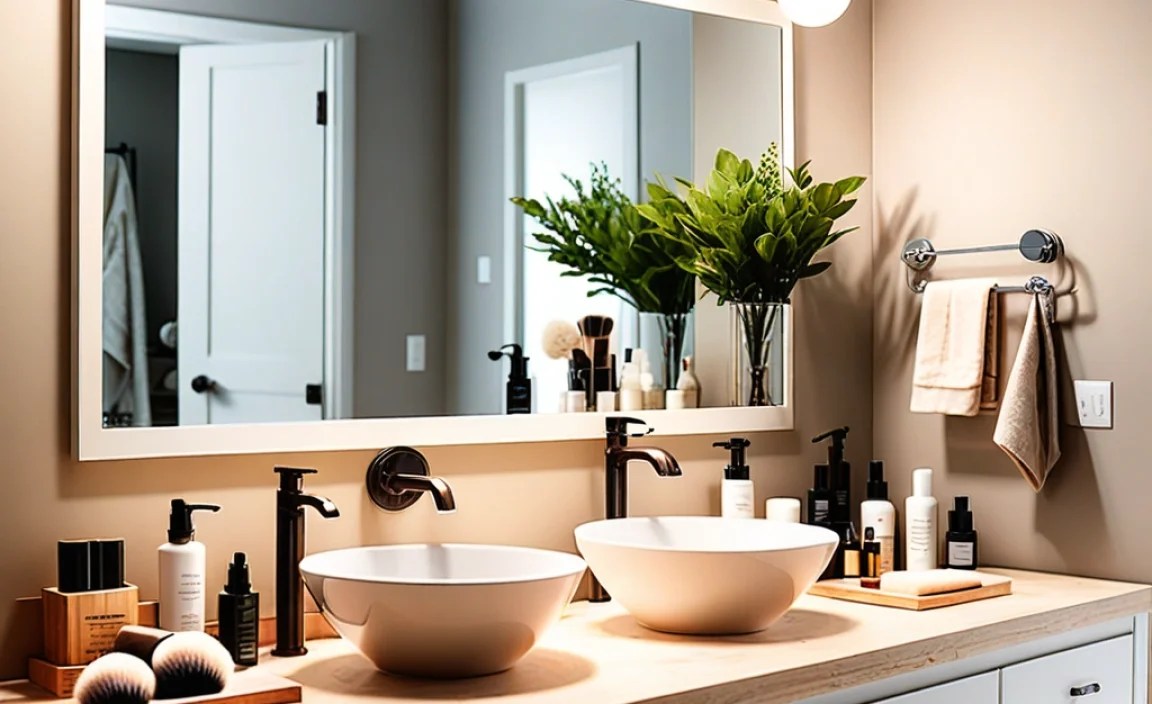

Having the right tools makes any DIY project smoother and safer. For vanity construction, here’s a list of essential tools you’ll likely need:
| Tool | Purpose | Notes |
|---|---|---|
| Measuring Tape | Accurate measurements for cabinet, countertop, and sink placement. | Essential for everything! |
| Level (2ft and 4ft) | Ensuring the vanity cabinet is perfectly horizontal and vertical. | Crucial for proper installation and preventing issues. |
| Drill/Driver with Bits | Drilling pilot holes, driving screws, and potentially cutting holes for plumbing. | A cordless one is a lifesaver. |
| Stud Finder | Locating wall studs for secure cabinet anchoring. | Electronic ones are best. |
| Screwdriver Set (Phillips & Flathead) | Manual fastening and adjustments. | Always good to have a variety. |
| Caulking Gun | Applying silicone sealant for waterproofing and sealing. | For clean, consistent beads. |
| Utility Knife | Cutting sealant, cleaning edges, and trimming materials. | Keep blades sharp. |
| Safety Glasses | Protecting your eyes from dust, debris, and splashes. | Non-negotiable safety gear. |
| Work Gloves: | Protecting your hands from splinters, sharp edges, and adhesives. | Comfortable |
