
In construction, a vanity refers to a bathroom cabinet assembly, typically housing a sink and countertop. It’s designed for both utility and aesthetics, providing storage and a decorative focal point. Understanding its components and installation ensures a functional and stylish bathroom.
Vanity How It Works In Construction: An Essential Guide for Beginners

Have you ever wondered about the stylish cabinets in bathrooms? They’re called vanities, and they do more than just look pretty. They hold your sink, offer storage, and tie the whole room together. Sometimes, they can be a source of frustration if you don’t know how they work or how to care for them. But don’t worry! This guide will break down everything you need to know about bathroom vanities in construction, making it simple and easy to understand.
We’ll explore what makes up a vanity, the different types you might encounter, and how they integrate into your bathroom. By the end, you’ll feel much more confident about these essential bathroom fixtures.
What Exactly Is a Bathroom Vanity?

At its core, a bathroom vanity is a combination of a cabinet, a countertop, and a sink. It’s a central piece in most bathrooms, serving a dual purpose: functionality and style. Think of it as the base that supports your sink and faucet, while also providing much-needed storage space for toiletries, towels, and cleaning supplies.
In home construction and renovation, the vanity is often one of the first things people notice. It sets the tone for the entire bathroom’s design. From small powder rooms to master en-suites, vanities come in all shapes and sizes, tailored to fit specific needs and aesthetics.
The Main Components of a Vanity
Let’s break down the different parts that make up a typical bathroom vanity:
- Cabinet Base: This is the main body of the vanity, providing structural support and storage. It can be made from various materials like wood, MDF, or particleboard, and it houses drawers and doors.
- Countertop: This is the flat surface on top of the cabinet base. It supports the sink and faucet and is available in a wide range of materials such as granite, marble, quartz, laminate, or solid surface.
- Sink (Basin): This is where the water goes! Sinks can be integrated into the countertop (undermounted or drop-in) or sit on top (vessel sinks). Materials vary from porcelain and ceramic to stainless steel and composite.
- Faucet and Drain Assembly: These are the functional parts that control water flow and allow it to drain away.
- Hardware: This includes things like knobs, pulls, hinges, and drawer slides that make the cabinet doors and drawers usable.
Why Are Vanities So Important in Construction?

Vanities are more than just furniture; they are integral to a functional and aesthetically pleasing bathroom. Their importance in construction can be summarized in a few key areas:
- Functionality: They provide a dedicated space for hygiene activities like washing hands and brushing teeth, directly piped for water and drainage.
- Storage Solutions: Bathrooms often lack ample storage. Vanities offer vital space for towels, toiletries, cleaning supplies, and more, helping to keep the bathroom tidy.
- Aesthetic Appeal: The vanity is a significant design element. It can dramatically influence the overall look and feel of the bathroom, from modern and sleek to traditional and elegant.
- Plumbing Integration: Vanities are designed to accommodate plumbing fixtures and P-traps in a way that is accessible for maintenance while remaining hidden from view.
Types of Bathroom Vanities

When starting a construction or renovation project, you’ll encounter many vanity styles. Knowing the differences can help you choose the best fit for your space and needs. Here are some common types:
1. Freestanding Vanities
These are the most traditional and common type. They stand on their own legs, looking much like a piece of furniture. They are often easier to install as they don’t require mounting to the wall for support, though they are still anchored for stability.
- Pros: Easy to install, variety of styles, can be replaced relatively easily, offer a classic look.
- Cons: Can leave a gap between the wall and the vanity where dust can accumulate.
2. Wall-Mounted (Floating) Vanities
As the name suggests, these vanities are mounted directly to the wall, appearing to float above the floor. This creates a modern, minimalist look and makes cleaning the floor underneath much easier.
- Pros: Modern aesthetic, easier floor cleaning, can make a small bathroom feel more spacious.
- Cons: Installation can be more complex, requires strong wall support, plumbing is often exposed or requires special wall access.
3. Inset (Built-in) Vanities
These vanities are built directly into the wall, with the countertop flush with the surrounding wall surface. They offer a seamless look and maximize space, often appearing as if they’ve always been part of the home’s structure.
- Pros: Very sleek and integrated look, can be customized to fit any space precisely.
- Cons: Less flexible for future changes, installation is more involved and often requires custom fabrication.
4. Console Vanities
These are often simpler, more open designs, usually featuring legs and a countertop with an exposed sink. They can sometimes have a shelf underneath for storage. They are popular in smaller bathrooms or powder rooms where storage isn’t the top priority.
- Pros: Lightweight, airy feel, good for small spaces, can be a more affordable option.
- Cons: Limited storage, plumbing is often more exposed.
5. Corner Vanities
Designed to fit into a corner, these vanities are excellent space-savers for awkward layouts or smaller bathrooms. They come in various styles, similar to freestanding units but optimized for corner placement.
- Pros: Excellent for maximizing space in challenging layouts.
- Cons: Limited selection compared to other styles, can sometimes feel less accessible.
Understanding Vanity Materials
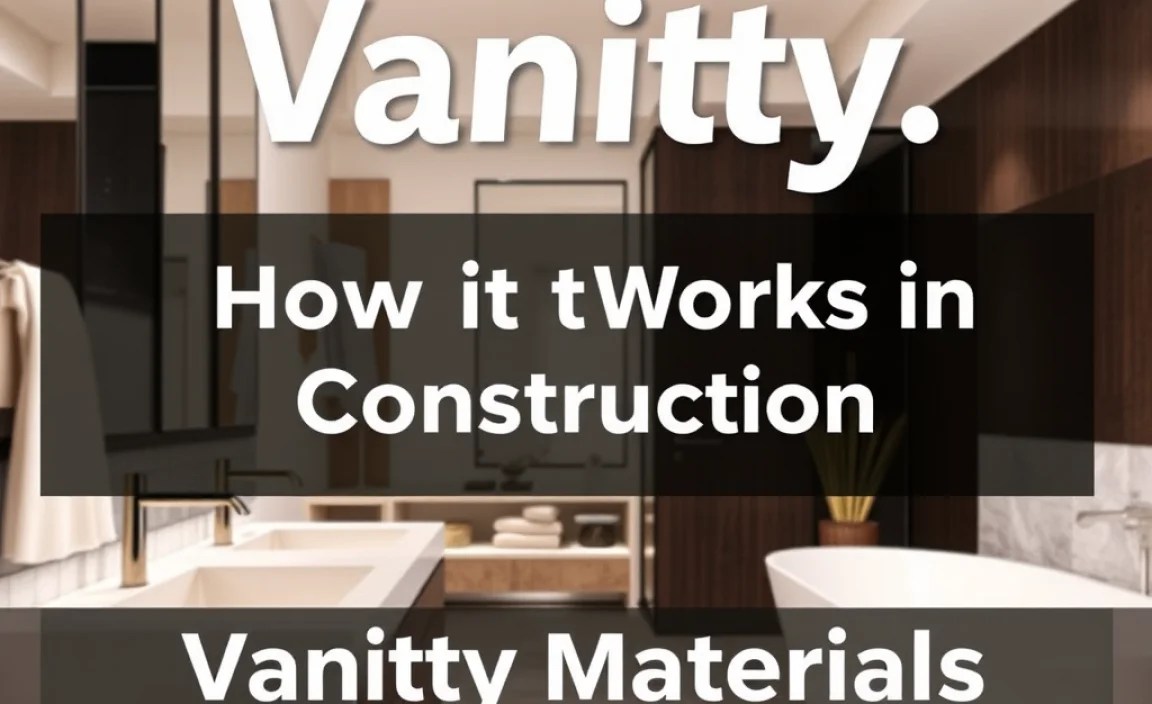
The materials used in vanities significantly impact their durability, appearance, and cost. Here’s a look at common materials:
Cabinet Base Materials
- Solid Wood: Durable, beautiful, and provides a classic look. Options include oak, maple, cherry, and pine. It’s generally the most expensive option.
- Plywood: A strong and stable alternative to solid wood. It’s made from thin layers of wood veneer glued together. It’s resistant to warping and splitting.
- Medium-Density Fiberboard (MDF): Made from wood fibers mixed with wax and resin, then compressed. It’s smooth and paintable, providing a good surface for lacquered or foiled finishes. However, it can be susceptible to water damage if not properly sealed.
- Particleboard: Made from wood chips and sawdust, bonded together with resin. It’s the most economical option but is less durable and more prone to swelling and damage from moisture. Always ensure it’s well-sealed if used.
Countertop Materials
The countertop is a major visual element and needs to be durable and easy to clean.
| Material | Pros | Cons | Typical Cost (per sq ft) |
|---|---|---|---|
| Granite | Durable, heat-resistant, unique patterns, adds significant resale value. | Porous (requires sealing), heavy, can be expensive, chip-prone if impacted. | $50 – $200+ |
| Marble | Luxurious appearance, naturally beautiful veining, classic elegance. | Soft (scratches easily), porous (stains easily), requires frequent sealing, can be very expensive. | $75 – $250+ |
| Quartz (Engineered Stone) | Non-porous, highly durable, stain and scratch-resistant, consistent patterns, low maintenance. | Can be damaged by extreme heat, less unique than natural stone, can be costly. | $50 – $150+ |
| Solid Surface (e.g., Corian) | Seamless look, non-porous, repairable if scratched, wide range of colors. | Can scratch and scorch, not as high-end as natural stone. | $40 – $100+ |
| Laminate | Most affordable, wide variety of colors and patterns, lightweight. | Not very durable, prone to scratches, chips, and water damage; cannot be repaired. | $20 – $50+ |
| Porcelain | Durable, water-resistant, stain-resistant, can mimic other materials. | Can chip or crack if impacted heavily, seams can be visible. | $40 – $100+ |
Sink Materials
- Porcelain/Ceramic: Very common, durable, easy to clean, and comes in various styles (integrated, drop-in, undermount).
- Stainless Steel: Durable, resistant to stains and discoloration, often found in modern or industrial designs.
- Solid Surface: Can be molded to create seamless countertops and sinks, easy to repair.
- Glass: Creates a striking modern look, but can be prone to chipping and staining.
- Stone (Granite, Marble): Matches stone countertops for a cohesive look, adds a luxurious feel.
- Copper: Offers a unique, warm aesthetic, but requires specific maintenance.
Installation: The Backbone of a Functional Vanity
Installing a bathroom vanity involves plumbing, carpentry, and a bit of precision. While professional installation is common, understanding the basic steps can be helpful for DIYers and homeowners.
The Basic Installation Process
Here’s a simplified overview of how a vanity is typically installed in new construction or during a renovation.
- Preparation: Ensure the subfloor is level and the wall is plumb. Mark the desired height for the top of the vanity. Check for existing plumbing rough-ins and electrical outlets.
- Cabinet Placement: Position the cabinet base in its intended location. If it’s a freestanding unit, ensure it’s level. If it’s a wall-mounted unit, secure it to the wall studs using appropriate hardware.
- Countertop and Sink Installation: The countertop is often attached to the cabinet base. If the sink is a drop-in or vessel type, it’s seated on or in the countertop. An undermount sink is usually adhered and clamped to the underside of the countertop before it’s installed on the base.
- Faucet and Drain Assembly: Install the faucet onto the countertop and connect the drain assembly to the sink.
- Plumbing Connections: Connect the water supply lines to the faucet and the drain assembly to the bathroom’s drain pipe. This is a critical step. The P-trap (a U-shaped pipe that holds water to prevent sewer gases from entering the bathroom) is a key component of the drain system. You can learn more about plumbing basics from resources like the Federal Trade Commission’s consumer advice on plumbing safety.
- Securing the Vanity: For freestanding vanities, they are often secured to the wall with L-brackets to prevent tipping, especially important in homes with children.
- Finishing Touches: Install any doors, drawers, and hardware. Seal any gaps between the countertop and the wall with caulk.
Plumbing Considerations
Proper plumbing is crucial for a vanity. This includes:
- Water Supply Lines: These bring hot and cold water to the faucet. They need to be leak-free.
- Drainage: The drain assembly, including the P-trap, funnels wastewater away and prevents sewer gases.
- Ventilation: The plumbing system needs proper venting to allow water to drain smoothly and prevent siphoning.
For detailed plumbing guidance, consult resources like HUD’s User-friendly information on plumbing which often touches on residential standards.
Common Vanity Issues and How to Handle Them
Even well-installed vanities can develop problems. Here are a few common issues:
- Leaky Faucets or Drains: Often caused by loose connections or worn-out washers/gaskets. Tightening connections or replacing parts usually resolves this.
- Scratched or Damaged Countertops: Depending on the material, countertops can be scratched, chipped, or stained. Light scratches on solid surface can often be buffed out. Stone countertops might need professional repair.
- Drawer or Door Malfunctions: Hinges can sag, or drawer slides can become sticky. Adjustments, lubrication, or replacement of parts can fix these.
- Water Damage: Moisture can damage cabinet bases, especially if they are made of MDF or particleboard and not properly sealed. Promptly wipe up spills and fix any leaks.
Maintaining Your Vanity for Longevity
Regular maintenance is key to keeping your vanity looking great and functioning properly for years to come.
Daily Cleaning
Wipe down the countertop and sink after each use to remove soap scum, toothpaste, and water spots. Use a soft cloth and a mild, non-abrasive cleaner appropriate for your countertop material. Always wipe dry to prevent water spots and mineral buildup.
Periodic Deep Cleaning
Every few weeks, perform a more thorough cleaning. For wood cabinets, use a wood cleaner and polish to protect the finish. For stone countertops, use cleaners specifically designed for granite or marble. Check under the sink for any signs of leaks or moisture damage.
Sealing Stone Countertops
If you have granite or marble countertops, they will need periodic resealing. A water test can tell you when: sprinkle some water on the surface; if it beads up, it’s sealed. If it soaks in quickly, it’s time to reseal. Follow the manufacturer’s recommendations for the type of sealant to use.
Hardware Care
Wipe down doorknobs, pulls, and hinges regularly. For metal hardware, use a cleaner recommended for the specific finish (e.g., brass cleaner for brass). Avoid harsh chemicals that can damage the finish.
Vanities in Different Construction Settings
The type and style of vanity can vary widely depending on the construction project:
- New Home Construction: Builders often install standard, cost-effective vanities. Homebuyers may have options to upgrade materials or styles during the building process.
- Bathroom Remodels: This is where homeowners often get creative, choosing unique styles, materials, and custom sizes to fit their updated vision for the bathroom.
- Commercial Bathrooms (e.g., Hotels, Offices): Durability, ease of cleaning, and a consistent aesthetic are paramount. Materials are often chosen for heavy use and quick maintenance, like solid surface or laminate countertops with robust cabinet bases.
Understanding how fixtures are specified and installed in these different settings can provide valuable insight into the construction process.
Frequently Asked Questions (FAQ)
Q1: What is the average lifespan of a bathroom vanity?
A: A well-maintained bathroom vanity can last anywhere from 15 to 30 years. The lifespan can be shorter if it’s made from lower-quality materials or if it’s constantly exposed to excessive moisture and harsh cleaning agents.
Q2: Can I replace just the countertop on my vanity?
A: Yes, in many cases, you can replace just the countertop, especially if the cabinet base is still in good condition. You’ll need to carefully remove the old countertop and sink, then install the new countertop and sink. Ensure the new countertop fits the cabinet dimensions and accommodates your existing or new plumbing.
Q3: What’s the difference between an undermount and a drop-in sink?
A: A drop-in sink has a rim that sits on top of the countertop, making it easier to install and replace. An undermount sink is installed below the countertop, creating a seamless transition from countertop to sink, which is easier to clean.
Q4: Are vanity sizes standardized in construction?
A: While there are common standard sizes (e.g., 24, 30, 36, 48 inches wide), vanities can also be custom-built to fit specific spaces. Builders often use standard sizes to manage costs and construction timelines.
