
Quick Summary: Elevate your bathroom with timeless vintage decor! Our top picks focus on essential styles like Victorian charm, Mid-Century Modern flair, and Farmhouse coziness. We’ll guide you through choosing key elements like fixtures, color palettes, and accessories to create a beautiful, functional vintage-inspired space with ease.
Dreaming of a bathroom that feels classic and welcoming? You’re not alone! Many homeowners want to add a touch of history and personality to their bathrooms, but knowing where to start can feel a little daunting. It’s easy to get caught up in trends, but vintage bathroom decor offers enduring style that never goes out of fashion.
Think charming details, quality craftsmanship, and a sense of cozy nostalgia. This guide is here to help you navigate the wonderful world of vintage styles, breaking down the essential elements so you can confidently create a look you’ll love. We’ll explore the most popular vintage aesthetics and give you practical tips to bring them to life in your own home.
Unlocking the Charm: Why Vintage Bathroom Decor is a Smart Choice

Choosing vintage bathroom decor is more than just picking out pretty items; it’s about infusing your space with character and a sense of history. Older styles often feature robust construction and timeless design principles that have stood the test of time. Unlike fleeting trends that quickly fade, vintage aesthetics offer a grounded, elegant feel that can make your bathroom a true sanctuary. Plus, there’s a unique satisfaction in sourcing pieces with a story or giving a modern space a nod to the past. It allows for personalization and can often be achieved with a keen eye for detail and a bit of creativity, making it accessible for various budgets.
Essential Vintage Bathroom Styles Explained
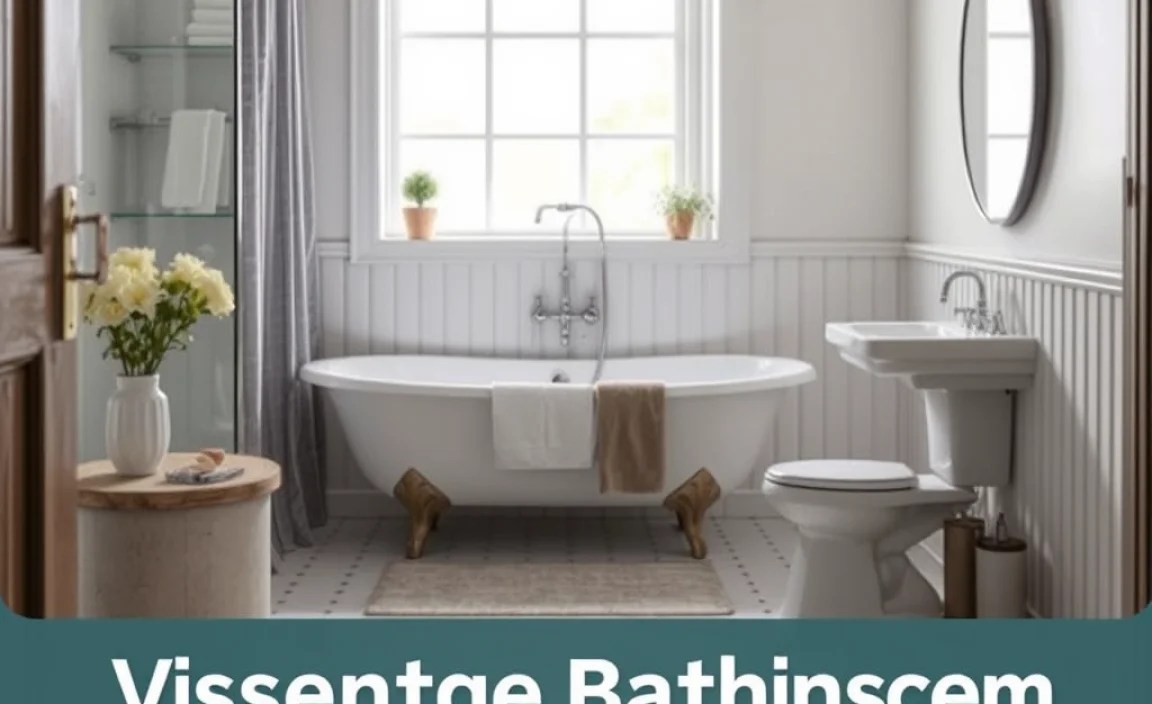
To truly master vintage bathroom decor, it helps to understand the distinct eras and styles that have shaped this look. Each offers a unique personality and a set of signature elements. Here, we’ll dive into some of the most popular and achievable styles for your DIY project.
1. Victorian Elegance: Ornate and Opulent
Victorian-era bathrooms (roughly 1837-1901) are all about grandeur, detail, and a touch of romanticism. If you love intricate patterns, rich colors, and a feeling of historical luxury, this style is for you. It evokes a sense of old-world charm and sophistication.
Key Elements of Victorian Decor:
- Fixtures: Clawfoot tubs are the quintessential Victorian centerpiece. Look for pedestal sinks with elegant, perhaps brass, faucets. Toilets often featured high tank flush mechanisms, though modern replicas maintain the aesthetic.
- Colors: Deep jewel tones like emerald green, sapphire blue, burgundy, and even black were common, often paired with crisp white for contrast. Damask and floral patterns are also characteristic.
- Materials: Marble, dark woods (like mahogany or walnut), intricate tilework (often hexagonal or subway mosaics), and polished metals (brass, nickel) are hallmarks.
- Accessories: Ornate mirrors with gilded frames, vintage-style lighting fixtures (sconces or chandeliers), antique-looking storage solutions (like linen cabinets or vanity tables), and plush towels.
- Tile Work: Geometric patterns, intricate borders, and subway tiles are excellent choices. Black and white patterns are particularly iconic for a classic Victorian feel.
When incorporating Victorian elements, it’s easy to go overboard. The key is to select a few statement pieces that capture the essence without making the space feel cluttered. For instance, a beautiful clawfoot tub paired with classic subway tiles and a vintage-inspired mirror can set a strong Victorian tone.
2. Art Nouveau Charm: Flowing Lines and Natural Motifs
Emerging in the late 19th and early 20th centuries, Art Nouveau is characterized by its organic, flowing lines, inspired by nature. Think of artistic, sculptural forms and a strong emphasis on craftsmanship.
Key Elements of Art Nouveau Decor:
- Fixtures: Sinks and tubs with curved, asymmetric designs. Metals like bronze or aged brass with decorative details.
- Colors: Soft, muted palettes often featuring creams, pale greens, blues, and lavenders, sometimes accented with richer earth tones.
- Motifs: Whimsical natural forms like flowers (irises, lilies), insects, and flowing, sinuous lines are central. Stained glass with these motifs is also a common feature.
- Materials: Glass (often iridescent or stained), wrought iron, and fine ceramics.
- Accessories: Decorative hardware with nature-inspired patterns, artistic mirrors, and subtly patterned textiles.
Art Nouveau can add a delicate, artistic touch to a bathroom. It’s less about opulence and more about graceful design and artistic expression, making it a sophisticated choice for those who appreciate fine art in their home.
3. Reviving the Roaring Twenties: Art Deco Glamour
The Art Deco style of the 1920s and 30s is synonymous with glamour, symmetry, and bold geometric patterns. If you love a bit of jazz-age sparkle and modern sophistication, this is your style.
Key Elements of Art Deco Decor:
- Fixtures: Sleek, geometric shapes for sinks and tubs. Chrome and polished nickel are prominent metals.
- Colors: Strong contrasts like black and white, gold and black, or deep blues and creams.
- Patterns: Concentric circles, chevrons, zigzags, and sunburst motifs are iconic.
- Materials: Polished chrome, glass, mirror, lacquered wood, and exotic materials like marble.
- Accessories: Geometric mirrors, streamlined lighting, vanity mirrors with stepped designs, and streamlined cabinetry.
Art Deco bathrooms exude confidence and modern luxury. The clean lines and bold geometric patterns can make a dramatic statement in any bathroom, creating a space that feels both elegant and a little bit daring.
4. Mid-Century Modern Revival: Simple, Clean Lines
Mid-Century Modern (roughly 1945-1965) embraces functionality, minimalist design, and a connection to nature. It’s characterized by clean lines, organic shapes, and a mix of materials.
Key Elements of Mid-Century Modern Decor:
- Fixtures: Simple, functional sinks and tubs. Think rounded corners and basic ceramic. Chrome or brushed nickel fixtures are common.
- Colors: Often features earthy tones like avocado green, mustard yellow, teal, and slate blue, paired with neutrals like white, grey, and wood tones.
- Materials: Wood (especially teak or walnut), laminate, plastic, and glass.
- Patterns: Abstract, geometric, and atomic-inspired patterns.
- Accessories: Retro-inspired lighting, simple mirrors, and functional storage solutions.
Mid-Century Modern offers a clean, uncluttered aesthetic that’s very popular today. It prioritizes form and function beautifully, creating a space that feels both stylish and practical.
5. Farmhouse Charm: Cozy and Rustic
The Farmhouse style brings rustic charm and a sense of homey comfort to the bathroom. It’s about embracing simple, practical elements with a touch of weathered beauty.
Key Elements of Farmhouse Decor:
- Fixtures: Apron-front sinks (also called farm sinks), pedestal sinks with simpler designs, and freestanding tubs. Matte black or brushed nickel fixtures work well.
- Colors: Predominantly whites, creams, grays, and natural wood tones. Accents of soft blues and greens can add a touch of color.
- Materials: Natural wood, shiplap or beadboard walls, enamel, galvanized metal, and distressed finishes.
- Patterns: Gingham, subtle floral prints, or simple stripes.
- Accessories: Open shelving, antique-inspired mirrors, vintage signage, galvanized buckets or baskets for storage, and galvanized lighting fixtures.
Farmhouse style is incredibly versatile and can be adapted to various spaces. Its emphasis on natural materials and cozy textures makes any bathroom feel warm and inviting. Visit This Old House’s bathroom section for inspiration on classic and renovated spaces.
Creating Your Vintage Bathroom: Essential Elements and Tips
Now that you have a sense of the different styles, let’s get down to brass tacks about incorporating vintage decor into your bathroom. It’s about picking the right elements that speak to you and blend harmoniously.
Choosing Your Fixtures: The Foundation of Your Design
Fixtures are the workhorses of your bathroom and play a huge role in establishing its vintage character. Consider these key items:
The Bathtub: The Star of the Show
- Clawfoot Tub: The undisputed icon of Victorian and Edwardian bathrooms. Available in various materials like cast iron or acrylic, they come in freestanding or corner styles.
- Pedestal Sink: A staple in many vintage styles, offering a classic look without taking up too much space. Look for models with ornate bases or simple, elegant lines depending on your chosen era.
- Apron-Front (Farm) Sink: Ideal for a farmhouse aesthetic, these sinks have a distinctive large, exposed front.
When selecting sinks and tubs, pay attention to the faucets. Vintage-inspired faucet designs often feature porcelain handles, cross or lever handles, and finishes like polished brass, oil-rubbed bronze, or nickel. A great resource for understanding faucet types and finishes can be found on government sites like ENERGY STAR’s guidance on low-flow faucets, which also often showcase design styles.
Toilets: Function Meets Form
While modern toilets are highly efficient, you can find vintage-inspired options. High-tank toilets are a dramatic statement for Victorian bathrooms, but readily available modern, water-efficient models with classic ceramic exteriors can seamlessly integrate into most vintage designs.
Tile and Flooring: Setting the Tone
The right tiles can transform your bathroom. They are durable, water-resistant, and crucial for the overall aesthetic.
Popular Vintage Tile Choices:
- Subway Tiles: Classic, versatile, and found in most vintage eras, especially Victorian and Art Deco. Their simple rectangular shape is timeless.
- Hexagonal Tiles: A popular choice for floors, especially in smaller bathrooms, and often seen in Mid-Century Modern and Victorian styles.
- Penny Tiles: Small, round tiles that offer a vintage feel, great for shower floors or as an accent.
- Patterned Tiles: Geometric patterns (Art Deco), floral motifs (Victorian/Art Nouveau), or simple checkerboard designs (classic eras) can add significant character.
When considering flooring, remember that slip resistance is important, especially in a bathroom. Many vintage-style tiles are available with textured surfaces to improve grip.
Color Palettes: Painting Your Vintage Masterpiece
Color sets the mood for your vintage bathroom. Here’s how to leverage palettes for different styles:
Color Scheme Guide by Style:
| Style | Dominant Colors | Accent Colors | Common Motifs/Patterns |
|---|---|---|---|
| Victorian | Deep Jewel Tones (Emerald, Burgundy), White | Gold, Black | Floral, Damask |
| Art Nouveau | Pastels (Cream, Pale Green, Lavender) | Earthy Tones, Iridescent Hues | Flowing Lines, Natural Motifs (Flowers, Insects) |
| Art Deco | Black, White, Gold, Deep Blues | Silver, Chrome | Geometric (Chevrons, Sunbursts) |
| Mid-Century Modern | Earthy Tones (Avocado, Mustard, Teal), Neutrals | Wood Tones | Abstract Geometric, Atomic |
| Farmhouse | Whites, Creams, Grays, Natural Wood | Soft Blues, Greens | Gingham, Subtle Florals |
Don’t be afraid to experiment with wallpaper, especially for walls or accent areas. Vintage floral, damask, or geometric patterns can add depth and historical accuracy.
Lighting and Accessories: The Finishing Touches
These elements might seem small, but they are critical for bringing your vintage vision to life and ensuring the space is safe and functional.
Lighting: Setting the Ambiance
- Sconces: Wall-mounted lights, often flanking a mirror, are a classic choice. Look for designs with glass shades, metal details, or vintage-inspired bulbs.
- Pendant Lights: Can add a touch of elegance or industrial charm depending on the design.
- Vanity Lights: Streamlined fixtures positioned above the mirror are essential for practical lighting.
- Bulb Choice: Opt for warm-toned LED bulbs that mimic incandescent light to create a cozy atmosphere.
Safety is paramount with lighting, especially in a bathroom. Ensure all fixtures are rated for damp locations and installed correctly. Consulting a professional electrician for complex installations is always recommended.
Accessories: Where Personality Shines
- Mirrors: A vintage-style mirror, whether framed, ornate, or simple and round, can be a focal point.
- Hardware: Drawer pulls, knobs, and towel bars in vintage finishes (brass, nickel, oil-rubbed bronze) tie the look together.
- Storage: Antique cabinets, open shelving made of reclaimed wood, or vintage-inspired baskets can provide functional and decorative storage.
- Textiles: Plush cotton towels, bath mats with subtle patterns, or even a vintage-inspired shower curtain can complete the look.
- Decorative Accents: Consider antique-style soap dispensers, toothbrush holders, and even displaying vintage bottles or artwork that fits your chosen era.
When sourcing accessories, explore antique shops, flea markets, and online marketplaces. You might find unique treasures that perfectly fit your vintage theme.
DIY Project Spotlight: Creating a Victorian-Inspired Vanity

Let’s walk through a simple DIY project that captures the essence of Victorian bathroom decor: revitalizing an old dresser or console into a vintage-style vanity. This is a fantastic way to add bespoke character.
Tools and Materials You’ll Need:
- An old dresser or console table (check thrift stores or online marketplaces)
- A new or salvaged sink (pedestal or undermount)
- A faucet with vintage detailing
- A countertop material (marble remnant, butcher block) or waterproof sealant
- Plumbing supplies (drain, P-trap, supply lines)
- Sandpaper or electric sander
- Primer and paint (high-quality bathroom paint recommended)
- Wood filler (if needed)
- Screwdriver, drill with appropriate bits
- Measuring tape
- Safety glasses and gloves
- Caulking gun and bathroom-grade caulk
- Optional: New hardware (knobs, pulls)
Step-by-Step Guide:
- Prepare the Furniture: Clean the dresser thoroughly. Repair any damaged areas with wood filler. Sand all surfaces smooth, paying attention to edges and corners. This step is crucial for paint adhesion.
- Paint or Finish: Apply a primer designed for furniture. Once dry, paint with your chosen color. For a Victorian look, consider a deep tone or a classic white. Apply two coats for durability. You can also opt to stain or seal raw wood for a natural look.
- Cut for the Sink: Measure and mark the exact location for your sink on the countertop or the top of the dresser. Be precise!
- Install Countertop (if separate): If using a separate countertop, secure it to the dresser. Seal edges with caulk if necessary.
- Cut Opening for Sink: Carefully cut out the marked opening for your sink using a jigsaw. Ensure the edges are smooth.
- Install the Sink: Place the sink into the opening, ensuring it sits flush. Follow the manufacturer’s instructions for securing it (often with clips underneath).
- Install the Faucet: Mount the faucet according to its instructions, typically before placing the sink if it’s an undermount or drop-in style.
- Connect Plumbing: This is where it gets technical. Install the drain assembly in the sink, then connect the P-trap and supply lines to the faucet and your bathroom’s water valves. This might require consulting a plumber if you’re unsure. Understanding basic plumbing terms, like what a P-trap does (it prevents sewer gases from entering your home), is helpful. Resources like This Old House’s guide on sink drains can be invaluable.
- Seal and Test: Apply a bead of bathroom-grade caulk around the edge of the sink where it meets the countertop. Turn on the water supply to check for any leaks at all connections. Fix any leaks promptly.
- Add Hardware: Install your chosen vintage-style knobs or pulls on the dresser drawers/doors.
This DIY project breathes new life into an old piece of furniture and creates a custom vanity that is both functional and brimming with vintage character.
Tips for Sourcing Vintage Bathroom Decor

Finding the perfect vintage pieces is part of the fun! Here are some ideas:
Where to Look:
- Antique Stores & Flea Markets: Goldmines for unique finds. Be prepared to hunt and haggle.
- Architectural Salvage Yards: Excellent for finding original fixtures, tiles, and hardware from old buildings.
- Online Marketplaces: Websites like Etsy, eBay, and Chairish offer a vast selection of vintage items, often with detailed descriptions and shipping options.
- Estate Sales: Often have a treasure trove of older home goods.
- Reclaimed Materials Suppliers: For more specific items like vintage tiles or wood.
What to Look For:
- Quality Craftsmanship: Look for solid construction and durable materials.
- Timeless Design: Pieces that aren’t overly trendy and have a classic appeal.
- Your Style: Don’t force a piece just because it’s vintage; ensure it fits the aesthetic you’re aiming for.
- Condition: Check for significant damage, rust, or missing parts. Some refurbishment is expected, but avoid pieces that are beyond repair.
- Functionality: Ensure the piece can be adapted for modern use if needed (e.g., plumbing compatibility for sinks).
Conclusion
Creating a vintage bathroom is a rewarding journey that allows you to blend history, personal style, and functional design. Whether you’re drawn to the opulent details of Victorian elegance, the clean lines of Mid-Century Modern, or the cozy charm of Farmhouse style, there are countless ways to achieve a timeless look.
By carefully selecting key elements like fixtures, tiles, color palettes, and accessories, and by embracing the thrill of the hunt for unique pieces, you can transform your bathroom into a beautiful and inviting sanctuary. Remember, patience and a clear vision are your greatest tools. Step-by-step, focus on one area at a time, and don’t be afraid to let your personality shine through. Your dream vintage bathroom awaits!
Frequently Asked Questions (FAQs)
Q1: Can I mix different vintage styles in one bathroom?
Yes, absolutely! A common and stylish approach is to pick one dominant vintage style (like Victorian) and then introduce elements from another complementary style for a unique, layered look. For example, pairing a Victorian clawfoot tub with mid-century modern-inspired geometric tile can be very effective.
Q2: How do I incorporate vintage decor on a budget?
Focus on smaller accents like hardware, mirrors, and lighting fixtures. Repaint existing cabinets or furniture, use affordable vintage-inspired tiles, and hunt for deals at flea markets and salvage yards. DIY projects, like the vanity example above, can also save a lot.
Q3: Are vintage fixtures still functional?
Many original vintage fixtures, especially porcelain and cast iron, are incredibly durable and can be restored to full functionality with proper cleaning, sealing, and potentially replacing worn parts like washers or gaskets. Modern reproductions are also widely available and offer the vintage look with updated performance.
Q4: What are the best colors for a small vintage bathroom?
For small bathrooms, lighter colors often work best to make the space feel larger. Think soft whites, creams, pale blues, or gentle grays, which are common in Farmhouse and Mid-Century Modern styles. You can add vintage character with patterned tiles or vintage-inspired accessories.
Q5: How do I maintain vintage bathroom elements?
Gentle cleaning with mild, non-abrasive cleaners is key. For metal fixtures, use polishes appropriate for the material (brass polish for brass, etc.). For painted surfaces, touch up as needed. For delicate tiles or materials, seek specific care instructions to preserve their beauty and longevity.
Q6: What are some modern amenities that can be hidden in a vintage bathroom?
You can integrate modern essentials discreetly. For example, sleek, modern shower systems can be installed behind vintage-style shower curtains, or in-wall toilet tanks can be hidden behind decorative panels. The goal is to maintain the vintage aesthetic while enjoying contemporary convenience.
