
Creating beautiful vintage bathroom decor that’s also waterproof is totally achievable! Focus on moisture-resistant materials like porcelain tiles, sealed wood, and appropriate sealants. Choose vintage-inspired fixtures and accessories designed for high-humidity areas to ensure lasting style and protection.
Vintage Bathroom Decor: Waterproof Essentials for Timeless Style

Dreaming of a bathroom that whispers of a bygone era, but worried about water damage? You’re not alone! Many beautiful vintage styles, from charming subway tiles to classic pedestal sinks, can be susceptible to moisture. But don’t let that deter you. With the right materials and a few clever choices, you can achieve that lovely vintage look without compromising your bathroom’s integrity. We’ll guide you through selecting waterproof essentials that bring timeless elegance and lasting durability to your space. Get ready to transform your bathroom into a stylish sanctuary that stands the test of time and humidity!
Why Waterproofing Matters in Vintage Bathroom Design

Bathrooms are inherently wet environments. Showers, baths, sinks, and even humidity from hot water can wreak havoc on materials that aren’t properly protected. For vintage bathroom decor, this is especially crucial. Many authentic vintage materials might not have been designed with modern waterproofing standards in mind. Ignoring waterproofing can lead to serious issues like mold growth, peeling paint, warped wood, and structural damage. This not only ruins the aesthetic but can also become a costly repair. The goal is to marry the charm of the past with the resilience of present-day materials and techniques.
By understanding which materials and finishes best handle moisture, you can confidently select items that evoke a vintage feel while being practical for a bathroom setting. We’ll explore everything from flooring and wall coverings to fixtures and accessories, making sure every choice contributes to a beautiful, durable, and waterproof vintage bathroom.
Flooring: The Foundation of a Water-Resistant Vintage Bathroom

Your bathroom floor takes the brunt of splashes and spills. Choosing the right flooring is the first and most critical step in ensuring your vintage bathroom is both beautiful and waterproof.
Porcelain and Ceramic Tiles: Classic Charm, Modern Durability
These are your best friends for vintage bathroom flooring. They offer incredible durability and excellent resistance to water.
- Porcelain Tiles: Denser and less porous than ceramic, porcelain is an outstanding choice for bathrooms. It’s highly resistant to stains, chips, and water absorption. Many porcelain tiles are made to mimic natural stone, aged wood, or classic patterns like hexagonal or penny tiles, fitting perfectly with a vintage aesthetic.
- Ceramic Tiles: A slightly more budget-friendly option, ceramic tiles are also a great choice. Ensure they have a glazed finish, as this creates a waterproof barrier. They come in a vast array of colors and designs that can replicate vintage styles beautifully.
Installing and Grouting for Waterproofing
Even the best tiles need proper installation and maintenance to be fully waterproof.
- Waterproof Underlayment: Before laying tiles, install a waterproofing membrane or underlayment board. Products like Schluter- Ditra or RedGard are excellent options that create a seamless barrier between the subfloor and the tiles, preventing water from seeping through and damaging the subfloor.
- Grout Sealing: Grout lines are porous and can absorb moisture. After the grout has cured, apply a high-quality grout sealer. This is a vital step for preventing stains and mold. Reapply sealer as recommended by the product manufacturer, typically every 6-12 months. For extra peace of mind, consider epoxy grout, which is inherently waterproof and stain-resistant, although it can be more challenging to work with for beginners.
Natural Stone: Elegant, But Requires Careful Sealing
Natural stone like marble, slate, or travertine can offer unparalleled vintage luxury. However, they are porous and require diligent sealing to be suitable for a bathroom.
- Marble: Classic and elegant, marble can be used in bathrooms, but it’s susceptible to etching from acidic cleaners and stains. It requires regular sealing and should be cleaned with pH-neutral cleaners.
- Slate: Slate offers a rustic, earthy vintage look. It’s naturally slip-resistant but also porous. Proper sealing is essential, and some types of slate can flake over time if not treated.
- Travertine: This limestone often features a pitted surface, giving it a romantic, aged appearance. Travertine needs to be filled and sealed to prevent water penetration.
For any natural stone, look for honed or tumbled finishes, which often have a more matte appearance and can be more forgiving of minor scratches or wear, adding to the vintage charm. Always choose a penetrating sealer designed for your specific stone type to ensure maximum protection.
Water-Resistant Laminate and Vinyl Flooring
While not traditional vintage material, modern luxury vinyl plank (LVP) or high-quality water-resistant laminate can be excellent alternatives if you’re looking for a more DIY-friendly and budget-conscious option that mimics vintage styles.
- Luxury Vinyl Plank (LVP): Many LVP products are 100% waterproof and come in designs that convincingly replicate the look of aged wood or classic tile. They are easy to install, durable, and easy to clean. Look for options with a thick wear layer and a good warranty.
- Water-Resistant Laminate: Some modern laminates are designed with water-repellent cores and locking systems that offer significant resistance to moisture. Always check the manufacturer’s specifications for water resistance, as not all laminate is suitable for bathrooms.
When choosing these options, pay close attention to the texture and finish to ensure they align with your desired vintage aesthetic. A pre-attached underlayment can also add an extra layer of moisture protection and comfort underfoot.
Walls: Protecting Surfaces with Vintage Flair

Your bathroom walls are exposed to steam, splashes, and humidity. Choosing the right materials and finishes is key to preventing moisture-related damage while adding character.
Subway Tiles: The Quintessential Vintage Choice
Subway tiles are a staple of vintage bathroom design, originating from early 20th-century New York subway stations. They are practical, easy to clean, and incredibly versatile.
- Material: Ceramic or porcelain subway tiles are ideal. They are non-porous (especially when glazed) and stand up well to bathroom conditions.
- Installation: Ensure tiles are installed with an appropriate adhesive suitable for wet areas, and that a waterproofing membrane is used behind them in shower areas.
- Grouting: As with floors, sealing grout lines is vital. Consider darker grout for a more authentic vintage look, but be aware it may require more diligent sealing to prevent staining from soap scum or mildew. Epoxy grout is also an option for ultimate waterproofing.
Consider slightly irregular, handmade-look subway tiles for a more authentic vintage feel. Laying them in a traditional brick pattern or stacked vertically can enhance the period charm.
Wainscoting and Beadboard: Classic Protection
Wainscoting and beadboard panels offer a decorative and protective layer to your lower walls, a common feature in bathrooms from the Victorian and Edwardian eras.
- Material: Opt for materials specifically designed for moist environments. Moisture-resistant MDF (Medium Density Fiberboard), PVC, or solid wood treated for bathroom use are good choices. Solid wood requires thorough priming and multiple coats of high-quality bathroom paint.
- Waterproof Finishes: Always use a moisture-resistant primer followed by at least two coats of a durable, water-based bathroom paint or semi-gloss/gloss enamel. These finishes create a protective barrier against steam and splashes.
- Installation: Ensure panels are installed correctly, ideally over a waterproof vapor barrier if you’re concerned about extreme moisture. Seal all seams and edges with a paintable, waterproof caulk for a seamless, protected finish.
Beadboard offers a simple cottage or farmhouse vintage look, while more ornate wainscoting styles fit a grander Victorian aesthetic. Painting these in classic white, cream, or subtle pastels can truly evoke a vintage bathroom.
Water-Resistant Paint and Wallpaper
For areas not covered by tiles or wainscoting, or for the entire wall in less splash-prone zones, choose appropriate wall treatments.
- Paint: Use a high-quality bathroom-specific paint. These paints contain mildewcides to prevent mold growth and are formulated to withstand humidity and frequent cleaning. A satin or semi-gloss finish is best for reflectivity and ease of cleaning compared to matte finishes.
- Wallpaper: If you love vintage patterns, look for vinyl-coated or “washable” wallpapers. These are designed to tolerate humidity and can be wiped clean. Ensure proper primer and adhesive are used for optimal adhesion and longevity. For shower areas, tile is always a more reliably waterproof option.
Fixtures and Hardware: Timeless Style Meets Functionality
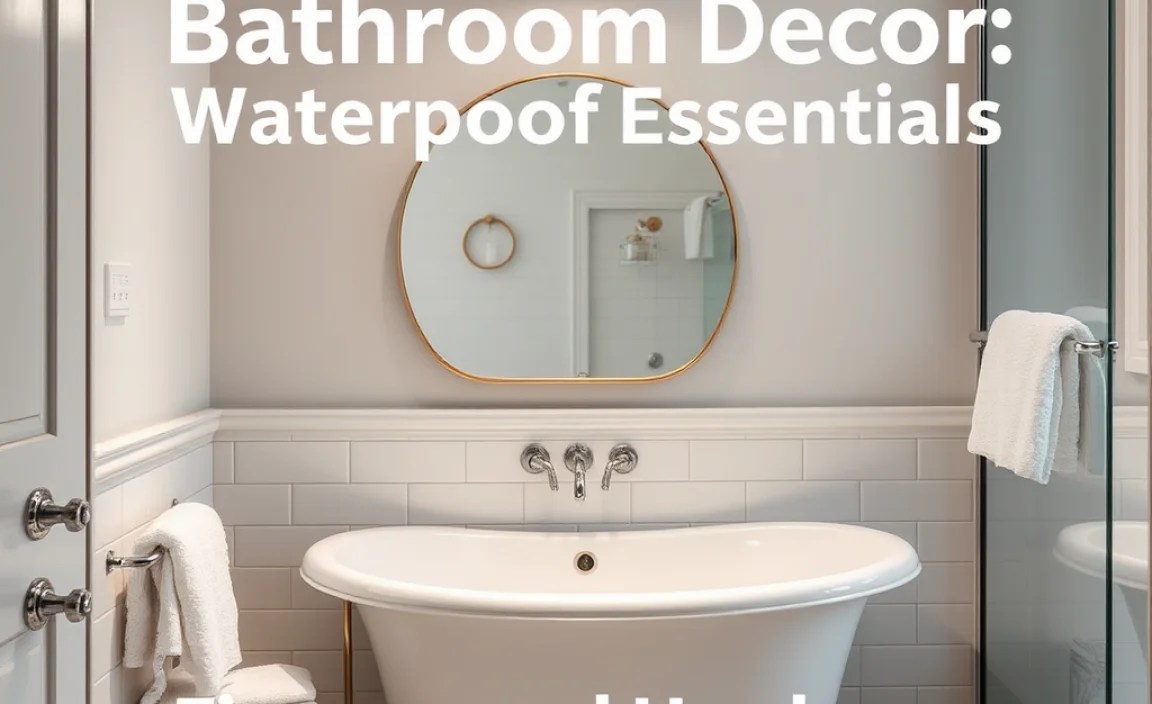
The right fixtures can make or break your vintage bathroom’s aesthetic. Fortunately, many stylish options are also built to withstand bathroom conditions.
Sinks and Toilets: Durability in Classic Designs
When selecting sinks and toilets, prioritize materials that are inherently waterproof and easy to maintain.
- Porcelain/Vitreous China: The vast majority of classic pedestal sinks, console sinks, and toilets are made from porcelain or vitreous china. These are non-porous, easy to clean, and incredibly durable, making them perfect for any bathroom.
- Pedestal Sinks: These iconic vintage fixtures offer a timeless appeal. Ensure the mounting is secure, and consider a backsplash or tiling behind the sink to protect the wall from splashes.
- Console Sinks: These often feature a ceramic basin with metal legs, offering an airy, vintage look. Again, wall protection is key.
- Toilets: Traditional two-piece or one-piece toilets in white or bone china are standard. Look for models with smooth, easy-to-clean surfaces and ensure the tank-to-bowl seal and wax ring are properly installed for leak-free operation.
Faucets and Showerheads: Finishes that Last
The finish on your faucets and showerheads is critical for both appearance and longevity in a wet environment.
- Materials: Solid brass is a durable and high-quality material for faucets, often plated with various finishes. Stainless steel is also a reliable choice. Avoid materials that are prone to rust or corrosion easily.
- Finishes: For vintage appeal, consider finishes like polished nickel, brushed nickel, oil-rubbed bronze, or chrome. These finishes, when properly applied and maintained, offer good resistance to water spots and corrosion.
- Maintenance: Even durable finishes benefit from regular cleaning with a soft cloth to prevent mineral deposits from building up.
When choosing faucets, look for ceramic disc valves, which are highly durable and reliable, preventing leaks and drips—a common frustration and potential water source.
Bathtubs: Clawfoot Charm and Modern Protections
The freestanding clawfoot tub is the epitome of vintage bathroom luxury. Luckily, modern versions and proper installation ensure they can be enjoyed for years.
- Cast Iron Tubs: Traditionally made of cast iron with a porcelain enamel coating, these tubs are incredibly durable and hold heat well. The enamel finish is waterproof and easy to clean.
- Acrylic Tubs: Modern replicas of clawfoot tubs are often made from acrylic. While lighter and less expensive than cast iron, they are still very water-resistant and can be a great option. Ensure the base is well-supported.
- Installation: Proper sealing around the base of the tub where it meets the floor is essential. For tubs with integral shower surrounds, ensuring all seams are caulked with a high-quality bathroom caulk is paramount.
Consider a tub with a built-in shower ring and curtain or a glass shower enclosure to contain water, especially in smaller vintage bathrooms.
Accessories: The Finishing Touches
Even small accessories can contribute to or detract from your bathroom’s waterproof integrity.
Lighting and Electrical
Safety is paramount when it comes to electricity in a bathroom.
- Enclosed Fixtures: Opt for lighting fixtures with enclosed globes or shades to protect the bulbs and electrical components from moisture and steam.
- Bathroom-Rated Fixtures: Ensure all light fixtures, fan housings, and any electrical outlets are rated for use in damp or wet locations as per local building codes. Resources like the U.S. Department of Energy provide insights into electrical safety standards.
- Placement: Avoid placing electrical outlets or switches directly within reach of the shower or tub.
Medicine Cabinets and Shelving
The materials used for storage also need to withstand humidity.
- Moisture-Resistant Materials: Look for medicine cabinets made of metal (stainless steel, aluminum) or sealed wood. If opting for wood, ensure it has a good quality sealant or paint.
- Glass Shelving: Glass shelves are a stylish and water-resistant option that fits a vintage aesthetic well. Ensure they are securely mounted.
- Ventilation: Good ventilation, either through an exhaust fan or an opening window, helps reduce overall humidity, protecting all surfaces and accessories.
Window Treatments
Windows can be a source of moisture and drafts.
- Water-Resistant Materials: If using fabric curtains or blinds, choose materials that are water-repellent or designed for bathrooms. Washable fabrics are a good idea.
- Vinyl or Faux Wood Blinds: These are excellent choices for bathrooms as they are highly resistant to moisture and easy to clean.
- Consistent Use: Open curtains or pull up blinds after showering to allow moisture to dissipate and prevent prolonged dampness against the glass.
Waterproofing: When in Doubt, Seal It Up!
The term “waterproof” can be debated, but in a bathroom context, it means creating a barrier against moisture and preventing it from causing damage.
| Area/Material | Waterproofing Method | Why It’s Important | Vintage Style Connection |
|---|---|---|---|
| Tile Grout Lines (Floor & Walls) | High-quality grout sealer; consider epoxy grout. | Prevents water absorption, stains, mold, and mildew. | Maintains the clean look of classic tile patterns. |
| Subfloor/Wall Substrate (Under Tile) | Waterproofing membrane (e.g., Schluter-Ditra, RedGard). | Protects subflooring and structure from leaks and moisture. | Ensures longevity of chosen vintage flooring. |
| Wainscoting/Beadboard (Wood/MDF) | Moisture-resistant primer + 2-3 coats of bathroom paint (satin/gloss); seal all seams with caulk. | Protects wood from swelling, warping, and rot. | Replicates classic paneling styles found in older homes. |
| Natural Stone (Floors/Walls) | Penetrating stone sealer (regular application). | Prevents staining, etching, and water absorption. | Adds luxury and authentic period charm. |
| Around Tub/Shower Base | 100% Silicone or high-quality bathroom caulk. | Seals gaps to prevent water from seeping behind fixtures or into walls. | A practical necessity for any bathroom setup. |
Caulking: Your Water’s Last Defense
High-quality bathroom caulk is essential for sealing any gaps or seams where water might penetrate.
- Types of Caulk: For wet areas, use 100% silicone caulk or a siliconized acrylic caulk specifically designed for bathrooms. These offer excellent flexibility and water resistance.
- Where to Apply: Caulk is critical around the edges of tubs, shower bases, sinks, toilets, and where walls meet floors or countertops.
- Proper Application: Ensure the surfaces are clean and dry. Cut the caulk tube tip at an angle and apply a consistent bead. Smooth it with a damp finger or caulking tool for a clean, watertight seal. Old caulk should be removed and replaced regularly. For more on home repairs and maintenance, resources from government sites like Consumer Product Safety Commission (CPSC) can offer valuable safety tips.
Ventilation: The Unsung Hero of Waterproofing
Excellent ventilation is crucial for managing moisture in any bathroom, and especially so when you’re aiming for a vintage look that might involve less inherently waterproof materials.
- Exhaust Fans: Install a properly sized exhaust fan in your bathroom. Run it during showers and for at least 30 minutes afterward to remove humid air. Look for fans with a high CFM (Cubic Feet per Minute) rating appropriate for your bathroom size. Some modern fans are designed to be quiet, so they won’t disrupt your vintage ambiance.
- Opening Windows: If you have a window, open it during and after showers to allow fresh air to circulate and moisture to escape.
- Ventilation Accessories: Consider decorative vent covers that can complement your vintage style while allowing for efficient airflow.
Good ventilation doesn’t just prevent moisture damage; it also helps keep your bathroom smelling fresh and can deter mold and mildew growth, which are detrimental to both your home’s health and its aesthetics.
Frequently Asked Questions
Q1: Can I use wood in a vintage bathroom if it’s waterproofed?
Yes, with proper waterproofing! Use moisture-resistant wood, seal it thoroughly with a marine-grade varnish or a high-quality bathroom paint, and ensure all.
