
A wet room structure in plumbing creates a fully waterproof bathroom space where the shower area isn’t enclosed. This guide explains how to build a proper wet room base and drainage system, ensuring it’s leak-free, safe, and a beautiful addition to your home.
Tackling a bathroom renovation can feel like a big project, especially when you’re looking at something as unique as a wet room. A wet room is essentially a completely waterproof bathroom, often with the shower area blending seamlessly into the rest of the space. This can make a small bathroom feel much larger and more luxurious.
However, if not built correctly, a wet room can lead to serious water damage in your home. Don’t worry, though! This guide will break down the essential plumbing structure of a wet room into simple, manageable steps. We’ll cover everything you need to know to create a safe, functional, and beautiful wet room, starting with the crucial foundation – the subfloor and drainage.
Understanding Wet Room Plumbing: The Basics

Building a wet room might seem intimidating, but at its heart, it’s about smart planning and ensuring water goes where it’s supposed to – straight down the drain, not into your floor joists! Unlike a traditional bathroom with a shower tray or cubicle, a wet room allows water to flow freely across a designated area. This means the entire bathroom floor needs to be waterproofed, and the drain system is a critical component. Getting the wet room structure in plumbing right from the start is key to preventing leaks and costly repairs down the line. We’ll focus on the structural elements that make a wet room function, ensuring your DIY project is a success.
Why Proper Wet Room Structure Matters

A well-constructed wet room isn’t just about aesthetics; it’s fundamentally about preventing catastrophic water damage. Water is incredibly persistent. If membranes aren’t sealed correctly, or if the fall of the floor isn’t right, water can seep into walls, subfloors, and even lower levels of your home. This can lead to:
- Rotting floor joists and structural timber
- Mold and mildew growth, posing health risks
- Damage to ceilings and walls below
- Expensive repairs and potential insurance complications
Therefore, understanding the wet room structure in plumbing, particularly how to create a waterproof base and effective drainage, is not optional – it’s essential for a safe and durable bathroom.
Key Components of a Wet Room Plumbing Structure

The success of your wet room hinges on a few critical elements working together seamlessly. Think of them as the building blocks for your waterproof sanctuary. Here are the main components you’ll be dealing with:
- The Floor Structure: This is your foundation. It needs to be solid, stable, and capable of supporting the weight of tiles, water, and people.
- The Drainage System: This is the part where the water actually disappears. It needs to be efficient, correctly sloped, and reliably connected.
- Waterproofing Membranes: This is your invisible shield against leaks. It’s a specialized material that prevents water from penetrating your subfloor and walls.
- Floor Fall (Sloping): To guide water towards the drain, the floor must be deliberately sloped.
We’ll dive into each of these in detail, making sure you have a clear picture of what needs to be done.
Step 1: Preparing the Floor – Creating a Solid Foundation
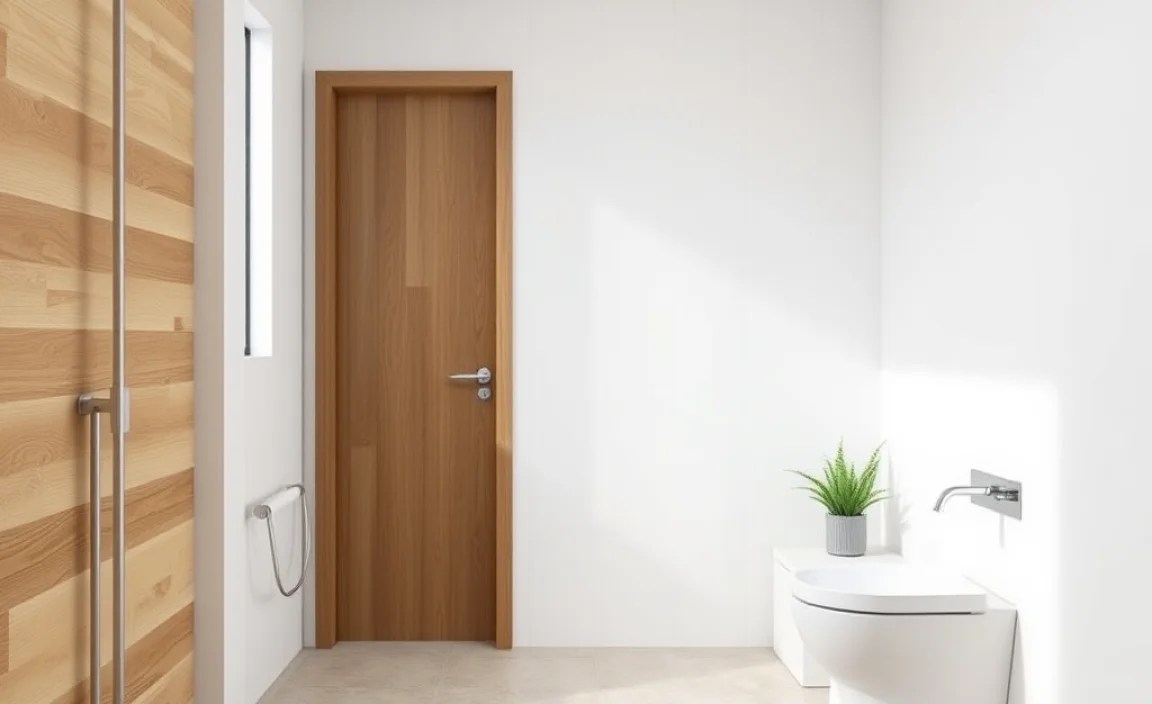
Before you can even think about drains or waterproofing, you need a robust floor structure. If you have a concrete subfloor, it’s usually in good shape. However, if you have a wooden subfloor (common in many homes), you’ll need to ensure it’s strong enough. Wet rooms involve a lot of water, and a flexible or weak floor will eventually cause problems with your waterproofing and tiling.
For Wooden Subfloors:
You might need to enhance the existing floor structure. This often involves adding extra joists or bracing to make the floor completely rigid. The goal is to eliminate any bounce or flex. According to the International Residential Code (IRC), proper floor joist sizing and spacing are critical for structural integrity. If your floor feels spongy, it’s definitely not ready for a wet room application.
For Concrete Subfloors:
Concrete is a great base, provided it’s sound. Check for cracks or crumbling areas. Small cracks can usually be repaired with appropriate concrete patching compounds. Ensure the surface is clean and free of dust or debris before proceeding.
The Squaring & Levelling Process
Once your subfloor is solid, ensure it’s as level as possible. While you’ll be creating a slope later, starting from a relatively flat plane makes the process much easier and more predictable. You might use self-levelling compound on concrete or shims on wooden joists if significant adjustments are needed.
Step 2: Installing the Drain – The Heart of Your Wet Room

The drain is arguably the most critical component of your wet room structure in plumbing. It’s what keeps your bathroom dry and functional. There are several types of lineal and point drains suitable for wet rooms. A lineal drain (often called a trough drain) runs along a wall or in a straight line, while a point drain is a single grate in the floor.
Choosing Your Drain:
For beginners, a point drain placed in the center of the shower area might seem simpler. However, lineal drains are often preferred in modern wet rooms because they can handle higher volumes of water and can be more aesthetically integrated, especially when placed against a wall.
Drain Height and Positioning:
The top of the drain needs to be positioned correctly relative to the finished floor level. This is crucial. The drain flange (the part that connects to the waste pipe) should sit at the level of your final finished floor. This means you’ll need to account for the thickness of your subfloor, any levelling compound, your screed or wet room former, and your tiles.
Connecting to the Waste Pipe:
This is where plumbing know-how is essential. The drain connects to the existing or new waste pipe using appropriate fittings. Ensure solvent-welded joints are secure and watertight. Venting the waste pipe is also vital. A properly vented system allows air to enter the system, preventing a vacuum from forming, which can suck water out of traps and allow sewer gases to enter your bathroom. Consult local building codes or a professional plumber if you’re unsure about venting requirements.
Tip: Many modern wet room drain systems come with pre-attached traps and water seals. These are designed to simplify installation and ensure a watertight seal. Look for models with built-in, removable traps for easy cleaning.
External Link:
For guidance on plumbing systems and drainage, the EPA’s WaterSense program offers valuable insights into efficient and safe water systems, though specific wet room construction details are best found in specialized building guides.
Step 3: Creating the Floor Fall (Slope)
Water needs to flow downhill to the drain. In a wet room, you need to create a specific slope on the floor. The standard recommendation is a fall of 1 in 40 for at least the shower tray area, meaning for every 40 inches the floor travels horizontally, it drops 1 inch vertically. Some regulations may suggest 1 in 80 or 1 in 100 for the entire bathroom floor. We recommend aiming for a minimum of 1 in 40 in the immediate shower zone for optimal drainage.
Methods for Creating the Slope:
- Screeding: This involves applying a layer of sand and cement screed to the subfloor. The screed is carefully troweled to create the precise slope before it dries. This is a traditional and robust method but requires skill to get the fall exactly right.
- Wet Room Formers/Trays: These are pre-formed boards made from high-density polystyrene or similar waterproof materials. They are manufactured with the correct slope already built-in and are designed to be installed directly onto the subfloor, cut to size, and then tiled over. This is often the easiest and most reliable method for DIYers. Companies like Wet Room Showers offer various former systems.
Slope Calculation:
Let’s say you’re installing a linear drain along one wall. The floor would need to slope from the point furthest from the drain down towards that wall. If the shower area is 6 feet (72 inches) wide, and you want a 1 in 40 fall, the floor at the furthest point would need to be 72 inches / 40 = 1.8 inches lower than the edge by the drain.
Important Note: Ensure the slope doesn’t create an awkward or dangerous surface. The slope should be subtle enough to walk on comfortably but significant enough to direct water efficiently.
Step 4: Waterproofing – The Invisible Shield
This is where the magic happens – turning a potentially leaky space into a completely waterproof environment. Waterproofing in wet rooms is typically achieved using a liquid-applied membrane or a sheet membrane system.
Liquid-Applied Membranes:
These are rolled or troweled onto the subfloor, walls, and any upstands. They dry to form a seamless, flexible, waterproof layer. You’ll usually apply two coats, ensuring complete coverage and paying extra attention to corners, joints, and around the drain.
Sheet Membranes:
These are large sheets of waterproof material (often polyethylene or similar polymers) that are bonded together at the seams and sealed at edges with special tapes and adhesives. They are laid over the subfloor and up the walls.
Key Areas to Waterproof:
- The Entire Floor: Even outside the immediate shower zone, the floor needs to be waterproofed.
- Shower Area Walls: Walls should be waterproofed up to at least a height of 1.5m (approx. 5 feet) or higher, depending on the showerhead placement. In a wet room, it’s often recommended to waterproof the walls much higher, ideally up to the ceiling in the showering zone.
- Corners and Joints: These are critical failure points. Use waterproof corner tape and extra membrane reinforcement at all wall-to-wall and wall-to-floor junctions.
- Around the Drain: The seal between the drain flange and the membrane is paramount. Specialized sealing collars or liquid membranes are used here.
Types of Waterproofing Systems:
Many manufacturers offer complete wet room waterproofing systems that include membranes, tapes, sealants, and primers. Using a system from a single manufacturer can increase reliability, as all components are designed to work together. Popular brands include Schlüter-Systems and BAL.
Step 5: Tiling and Finishing – The Visible Layer
Once your subfloor is prepped, the drain installed, the slope created, and the waterproofing fully cured, you’re ready for tiling. This is what gives your wet room its look and feel.
Tile Choice:
Choose non-slip tiles for the floor. Materials like porcelain or natural stone with a textured finish are excellent choices. Avoid highly polished tiles, as they can become extremely slippery when wet.
Tile Installation:
Use a flexible tile adhesive suitable for wet environments and your chosen tile type. Apply it evenly, ensuring good coverage, especially on the floor. If using large format tiles, plan your layout to minimize cuts and ensure they flow with the floor slope.
Grouting:
Grout is porous, so it’s crucial to use a high-quality, waterproof grout. Epoxy grout is an excellent, albeit more challenging, option for wet rooms as it’s non-porous and highly resistant to stains and water. If using cementitious grout, ensure it’s well-sealed after application and periodically thereafter.
Silicone Sealant:
Apply a generous bead of 100% waterproof silicone sealant around the perimeter where the walls meet the floor (if not tiled to the ceiling), around any fixtures, and where walls meet each other.
Table: Wet Room Structure – Key Considerations vs. Traditional Shower
Understanding the differences helps highlight why wet room plumbing structures are unique:
| Feature | Wet Room Plumbing Structure | Traditional Shower Plumbing Structure |
|---|---|---|
| Waterproofing | Entire room floor and lower walls waterproofed as a single unit. | Waterproofing primarily focused within the shower enclosure; sealed shower tray/cubicle walls. |
| Drainage | Floor sloped to a drain within the main bathroom floor; often lineal or strategically placed point drains. | Drain integrated into a pre-formed shower tray or cubicle base. |
| Floor Structure | Requires a rigid, stable subfloor capable of supporting a screed or former and robust waterproofing. | Requires a stable subfloor, but the primary watertight barrier is the shower tray/cubicle itself. |
| Tiling | Requires non-slip floor tiles and careful grouting/sealing; walls tiled to a height or full ceiling. | Floor tiles (if any) are under the shower tray; wall tiles within the enclosure are standard. |
| Complexity for DIY | Higher: Requires careful slope creation, extensive waterproofing, and precise drain integration. | Lower: Simpler as the tray/cubicle contains most water; less extensive waterproofing required. |
Tools and Materials Checklist
To help you get started, here’s a list of essential tools and materials for building your wet room structure. Always check the specific requirements of your chosen drain and waterproofing system.
Tools:
- Spirit level
- Measuring tape
- Notched trowel (for adhesive)
- Bucket (for mixing adhesive/grout)
- Mixing paddle (for drill)
- Utility knife
- Caulking gun
- Buckets and sponges
- Safety glasses
- Gloves
- Dust mask
- Floor scraper (if needed)
- Screed tools (if screeding)
- Tile cutter
Materials:
- Structural timber/supports (if reinforcing wooden subfloor)
- Self-levelling compound (if needed)
- Wet room former boards (optional, but recommended for DIY)
- Wet room drain (point or lineal)
- Waterproof waste pipe fittings and solvent glue
- Waterproofing membrane system (liquid or sheet)
- Waterproof corner tape and reinforcement strips
- Tile adhesive (flexible, suitable for wet areas)
- Waterproof grout
- Non-slip floor tiles
- Wall tiles
- 100% waterproof silicone sealant
- Primer (as recommended by membrane manufacturer)
- Cleaners and degreasers
Frequently Asked Questions (FAQ)
Q1: Can I install a wet room over a wooden floor?
Yes, but with crucial enhancements. Wooden subfloors must be made exceptionally rigid to prevent flexing, which can compromise waterproofing. This might involve adding extra joists or bracing. For ultimate peace of mind, consider using waterproof structural plywood or cement backer boards over the original subfloor before installing a wet room former or screed. Always ensure the floor can handle the weight of the finished bathroom and water.
Q2: How high should the walls be waterproofed in a wet room?
While building regulations often specify waterproofing up to 1.5m (approx. 5ft) for standard showers, wet rooms are different. It’s best practice to waterproof all walls within the wet room area to at least ceiling height, especially around the showering zone. This prevents moisture from penetrating behind tiles and into wall structures over time, even if the shower isn’t directly aimed at the wall.
Q3: What is the best type of drain for a wet room?
Both point drains and lineal drains can work, but lineal drains are often preferred for wet rooms. They can handle higher water flow rates and can be integrated more discreetly along a wall, making floor sloping simpler. Modern lineal drains often include water traps and hair filters for easier maintenance.
Q4: How do I ensure the floor has the correct slope?
The ideal slope is a fall of 1 in 40 towards the drain, especially in the immediate shower area. This can be achieved by building up the subfloor with a screed mixture or, more commonly for DIYers, by using a pre-sloped wet room former (tray). Ensure you measure the fall accurately from the furthest point to the drain.
Q5: What kind of tiles should I use on the wet room floor?
Safety is key here. Opt for tiles with a high slip-resistance rating. Textured porcelain tiles, natural stone with a honed or brushed finish, or specific anti-slip ceramic tiles are excellent choices. Avoid glossy or polished finishes, as they become very dangerous when wet.
