
Caulking creates a watertight and airtight seal, preventing drafts, moisture, and pests. Understand how it works by learning about sealant types, proper application, and preparation for a professional finish every time. This guide makes caulking simple, effective, and confidence-boosting for any DIYer.
Ever notice a small gap between your bathtub and the wall, or around a window frame? These little spaces might seem insignificant, but they can let in cold air, let out warm air, and even allow water to sneak inside. That’s where caulking comes in! It’s a super handy material that seals up these gaps, making your home more comfortable and energy-efficient.
It might sound a bit technical, but I promise, understanding how caulk works and how to use it is totally doable. We’ll break it all down, step by step, so you can tackle those gaps with confidence. Get ready to learn a skill that will save you money and make your home feel that much better!
What Exactly is Caulking, and Why Does It Matter?

At its heart, caulking is the process of filling gaps and cracks with a flexible, waterproof material. Think of it as a flexible sealant that bridges those awkward spaces. It’s essential for several reasons:
- Moisture Control: Prevents water from seeping into walls, under floors, or around fixtures, which can cause rot, mold, and mildew.
- Energy Efficiency: Seals air leaks around windows, doors, and pipes, keeping your heated or cooled air inside and reducing energy bills.
- Pest Prevention: Blocks entry points for insects and rodents.
- Aesthetics: Creates clean, finished lines where surfaces meet, giving a polished look to your home.
Understanding how it works of caulking means realizing its simple yet powerful function: to create a physical barrier that is also somewhat forgiving. Unlike rigid materials that might crack with movement, caulk has elasticity, allowing it to expand and contract slightly with temperature changes and building shifts without breaking its seal.
The Science Behind the Seal: How Caulking Works

Caulking relies on a few key properties to do its job effectively:
- Adhesion: Caulk needs to stick firmly to the surfaces it’s applied to. This is achieved through specific chemical compounds that bond with materials like wood, tile, metal, and drywall.
- Flexibility: Once cured (dried or hardened), caulk remains pliable. This allows it to accommodate the natural movement of building materials without cracking apart.
- Durability: Good caulk can withstand environmental factors like UV rays, moisture, and temperature fluctuations for years.
- Waterproofing/Airtightness: The cured caulk forms a continuous barrier, preventing the passage of water and air.
The magic happens as the caulk cures. Most modern caulks are water-based (like acrylic latex) or solvent-based (like silicone). Water-based caulks typically dry by evaporation, leaving behind the solid sealant. Solvent-based caulks cure through a chemical reaction, often involving evaporation of the solvent. This curing process transforms a soft paste into a tough, flexible seal.
Types of Caulking and Their Applications
Not all caulks are created equal. Choosing the right type for the job is crucial for a long-lasting, effective seal. Here’s a look at the most common types you’ll encounter:
| Caulk Type | Key Ingredients | Pros | Cons | Best For |
|---|---|---|---|---|
| 100% Silicone | Silicone polymers | Excellent water resistance, highly flexible, durable, great adhesion to non-porous surfaces. | Difficult to paint over, can be messy to apply, strong odor during application. | Bathrooms, kitchens, around sinks, tubs, tiles, glass, and metal fixtures. |
| Acrylic Latex (with or without silicone) | Acrylic polymers and latex | Easy to apply and clean up with soap and water, paintable once cured, low odor. | Less flexible and durable than pure silicone, can shrink more, not as waterproof. | Interior trim, baseboards, window and door frames (where paint is desired), drywall cracks. Often referred to as “painter’s caulk.” |
| Polyurethane | Polyurethane polymers | Extremely durable, flexible, adheres to a wide range of surfaces (porous and non-porous), good water resistance, paintable. | Can have a strong odor, requires mineral spirits for cleanup, can be more expensive. | Exterior applications, windows, doors, siding, gutters, concrete, masonry. |
| Butyl Rubber | Butyl rubber and solvents | Excellent adhesion to metal, good waterproofing, flexible. | Can be messy, strong odor, not always paintable, can degrade in direct sunlight over time. | Roof flashing, gutters, RVs, mobile homes, and other metal sealing applications. |
Tip: Always check the label for specific application recommendations and cleanup instructions. For most general home use, an acrylic latex caulk with silicone is a great all-rounder. For high-moisture areas like showers or exterior gaps, 100% silicone or polyurethane are usually the better choices.
Getting Started: Essential Tools and Materials
Before you dive in, gather your supplies. Having everything ready ensures a smoother process. Here’s what you’ll need:
Tools:
- Caulking Gun: This is the tool that holds the caulk tube and allows you to dispense it smoothly. There are different types, but a basic dripless model is great for beginners.
- Utility Knife or Caulk Cutter: To cut the nozzle of the caulk tube and open it.
- Putty Knife or Scraper: For removing old caulk.
- Damp Cloths or Sponges: For cleaning up excess caulk and smoothing the bead.
- Painter’s Tape (Optional but Recommended): Creates clean, straight lines and protects surrounding surfaces.
- Small Screwdriver or Wire Hanger: To puncture the inner seal of the caulk tube.
Materials:
- Caulk: Your chosen type of caulk (see above for guidance).
- Isopropanol Alcohol or Mild Detergent: For cleaning surfaces before caulking.
- Gloves: To protect your hands.
The Proven Process: How to Caulk Like a Pro

Now, let’s get to the core of how it works of caulking – the application! Follow these steps for a perfect seal every time. We’ll focus on applying new caulk to a clean gap.
Step 1: Prepare the Area – The Foundation for Success
This is arguably the MOST important step. A clean and dry surface ensures the caulk will adhere properly and last. If there’s old caulk,
Removing Old Caulk:
Old, cracked, or moldy caulk needs to go. It prevents the new caulk from getting a good grip. Use a utility knife or a dedicated caulk removal tool to carefully cut along the edges of the old caulk. Then, gently pull it away. For stubborn bits, a putty knife or scraper can help.
Once the old caulk is removed, clean the area thoroughly. Wipe away any dust, debris, soap scum, or mildew. For bathrooms and kitchens, a solution of mild detergent and water or a diluted bleach solution can help kill mold spores. If you used bleach, rinse thoroughly with plain water. For best results, allow the area to dry completely. For more on mold remediation, consult resources like the U.S. Environmental Protection Agency’s (EPA) Mold page.
Step 2: Prep the Caulk Tube – Getting Ready to Squeeze
It’s time to prep your caulk tube. Here’s how:
- Cut the Nozzle: Using a utility knife, cut the tip of the caulk nozzle at a 45-degree angle. Start with a small opening – you can always cut more off if needed. A smaller opening gives you more control and is perfect for beginners.
- Puncture the Seal: Most caulk guns have a built-in poker, or you can use a long nail, screwdriver, or a straightened wire hanger to puncture the inner seal of the tube. This allows the caulk to flow out.
- Load the Gun: Pull back the plunger on the caulking gun, insert the caulk tube (nozzle first), and push the plunger forward until it’s snug against the back of the tube.
Step 3: Applying Painter’s Tape (Optional but Highly Recommended)
For perfectly straight lines, painter’s tape is your best friend.
- Apply a strip of high-quality painter’s tape along one edge of the gap you’re filling.
- Apply another strip of tape parallel to the first, creating a clean channel for the caulk. The distance between the two tapes should be slightly wider than the bead of caulk you aim to apply.
- Press the tape down firmly to ensure a tight seal, preventing caulk from seeping underneath.
Step 4: Applying the Caulk Bead – The Main Event
This is where how it works of caulking comes to life. Steady hands and consistent pressure are key.
- Position the Gun: Hold the caulking gun at a 45-degree angle to the gap, with the nozzle tip pointing into the crack.
- Start Squeezing: Gently squeeze the trigger of the caulking gun. Apply steady, consistent pressure. As you apply caulk, move the gun smoothly along the gap at a steady pace. Aim for a consistent bead size.
- Maintain the Bead: Try to fill the gap completely without leaving excess caulk on the surface. It’s better to have a slightly imperfect bead than too much or too little.
- Release Pressure: Most caulking guns have a release trigger or lever. When you stop squeezing the main trigger, press this release to stop the flow of caulk and prevent it from oozing out.
Pro Tip: Practice on a piece of cardboard first if you’re feeling nervous. Get a feel for the trigger pressure and the speed needed to create a smooth bead.
Step 5: Smoothing the Bead – Creating a Professional Finish
Now it’s time to tool the bead – that’s the fancy term for smoothing it out!
- Remove Tape (if used): If you used painter’s tape, remove it immediately after applying the caulk bead. Pull the tape away slowly at a 45-degree angle, away from the fresh caulk. This prevents pulling the caulk out of the gap.
- Smoothing: Dip your finger in a cup of water (for latex caulk) or use a damp cloth or a caulk-smoothing tool. Gently run your finger or the tool along the caulk bead. This pushes the caulk into the gap and creates a smooth, curved surface that blends with the surrounding materials.
- Wipe Away Excess: Use a damp cloth to wipe away any excess caulk that gets on your finger or smoothing tool. Clean up any stray caulk on the surrounding surfaces. For silicone caulk, you might need rubbing alcohol or a specialized silicone caulk remover.
Important Note: Work in manageable sections, especially if you’re new to this. It’s easier to smooth a bead of caulk while it’s still wet, so don’t let it dry before smoothing!
Step 6: Curing and Cleanup
Almost there! Now you let the caulk do its work.
- Drying Time: Check the caulk tube for the manufacturer’s recommended drying and curing times. This can range from a few hours to 24 hours or more, depending on the type of caulk and environmental conditions (humidity and temperature). Avoid getting the caulked area wet during this period.
- Final Cleanup: Once the caulk is fully cured, you can do a final wipe-down of the area. If you used paintable caulk and plan to paint, ensure it’s fully cured before painting over it.
Troubleshooting Common Caulking Issues
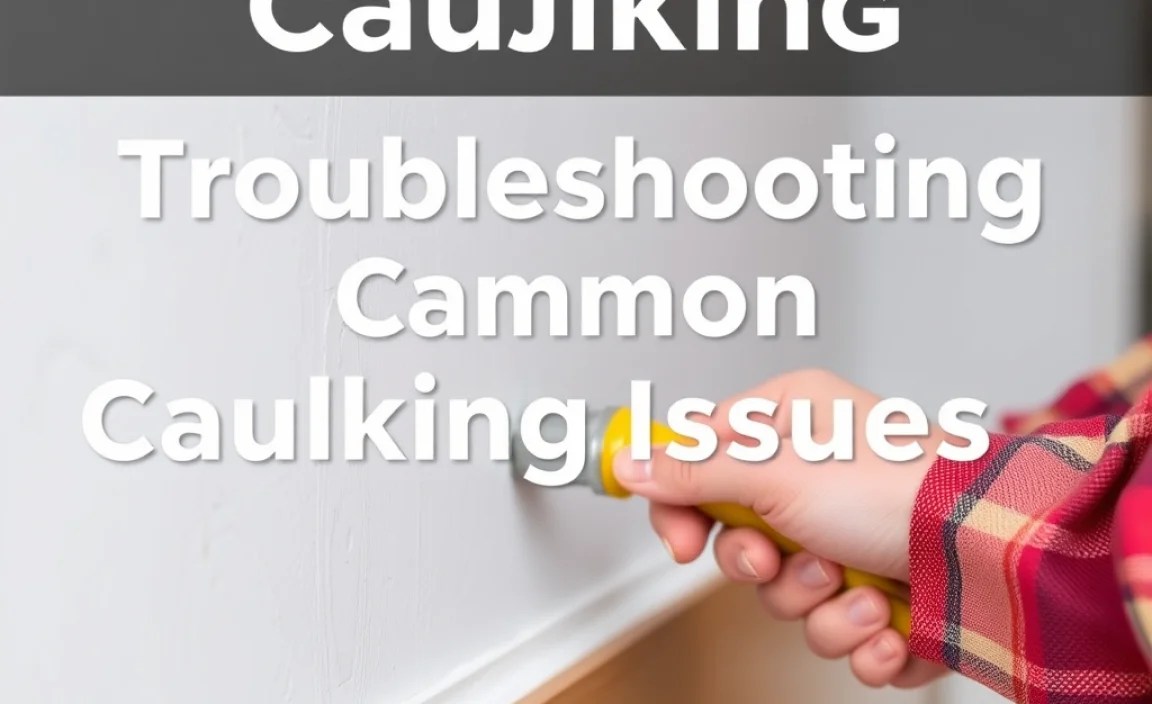
Even with the best intentions, sometimes things don’t go perfectly. Here are a few common problems and how to fix them:
Problem: Uneven or Gappy Caulk Bead
Solution: Don’t panic! If the caulk is still wet, you can try smoothing it again with your finger or a caulk-smoothing tool. If it’s already starting to set, you can carefully scrape away the offending section with a utility knife and reapply caulk to that area. For a more drastic fix, remove the entire bead and start over. It’s all part of the learning process!
Problem: Caulk Not Sticking
Solution: This usually means the surface wasn’t clean or dry enough, or there’s a compatibility issue with the material. Remove the loose caulk, re-clean and dry the area thoroughly, and try applying again. If it’s a continuous adhesion problem, you might need to switch to a different type of caulk that’s better suited for the surface (e.g., using silicone on a steamy bathroom surface). For more on surface preparation, check out this guide on This Old House on surface preparation.
Problem: Mold or Mildew on Caulk
Solution: In wet areas, using a caulk specifically formulated for bathrooms and kitchens, often containing mildewcides, is essential. If mold appears, clean it immediately with a diluted bleach solution or a mold remover. For persistent problems, remove the old caulk, clean the area, ensure proper ventilation or fix any underlying moisture issues, and reapply a mildew-resistant caulk.
When to Call a Professional
While caulking is a fantastic DIY project, there are times when professional help might be wise:
- Large or Complex Areas: If you have extensive cracks or gaps that require a lot of caulk, or if the area is difficult to access.
- Structural Issues: If the gaps are very large or seem to be related to structural problems with your home, it’s best to consult a professional contractor.
- Specific Material Needs: Some materials, like certain types of natural stone or specialized siding, might require specific caulk types or installation techniques that a professional would be familiar with.
- Lack of Confidence: If you’ve tried and are consistently unhappy with the results, a professional can achieve a flawless finish.
Frequently Asked Questions about Caulking
Q1: How do I know which type of caulk to buy?
Answer: Consider the location and function. For bathrooms and kitchens (high moisture), use 100% silicone or a silicone-enhanced acrylic latex. For interior trim and painting, acrylic latex (painter’s caulk) is best. For exterior use, polyurethane or a good quality exterior acrylic latex are recommended.
Q2: My caulk gun is leaking caulk even when I’m not pulling the trigger. What should I do?
Answer: Make sure you are releasing the pressure on the plunger rod by pushing the small lever on the back of the caulking gun each time you pause or finish applying caulk. If it still leaks, the gun might be faulty, or the caulk tube might be compromised.
Q3: Can I caulk over old caulk?
Answer: It’s generally not recommended. Old caulk may not adhere well, can crack, and might harbor mold or mildew. It’s best to remove all old caulk for a clean and durable seal.
Q4: How long does caulk typically last?
Answer: The lifespan varies depending on the type of caulk, the quality of application, and the environmental conditions. High-quality silicone or polyurethane caulk in protected areas can last 10–20 years, while interior acrylic latex might need refreshing every 5–10 years.
Q5: What’s the best temperature for caulking?
Answer: Most caulks perform best when applied in temperatures between 40°F and 90°F (4°C to 32°C). Check the product label for specific recommendations, as extreme cold or heat can affect adhesion and curing.
