
Understanding plumbing traps is key to a functional home. These U-shaped pipes prevent sewer gases from entering your home by holding a small amount of water, acting as a barrier. This guide breaks down the basics of traps, their importance, and how they work, empowering you for home maintenance.
Dealing with strange smells from your drains? Or perhaps you’ve noticed water pooling around your fixtures after use? These can often point to an issue with a fundamental but often overlooked part of your home’s plumbing: the trap. Don’t worry if the term “plumbing trap” sounds a bit technical; it’s a simple concept once you understand its job. These clever U-shaped pipes are your first line of defense against unpleasant odors and health hazards that can come from your drainage system. They are essential for a healthy and comfortable living environment.
This guide will walk you through the basics of plumbing traps. We’ll explain what they are, why they’re so important, and how they work their magic. You’ll learn about the different types you might encounter and how to spot potential problems. By the end, you’ll feel more confident in your home’s plumbing and ready to tackle any questions that arise.
What Exactly is a Plumbing Trap?

At its core, a plumbing trap is a specially shaped section of pipe, typically forming a U- or S-shape, designed to hold a small amount of water. This water acts as a seal, creating a barrier that prevents unpleasant and potentially harmful sewer gases from rising up through your drains and into your living space. Imagine it like a tiny pond living inside your pipes, blocking the way for any unwanted guests from the sewer line.
Every fixture connected to your home’s drainage system—sinks, toilets, showers, bathtubs, even washing machines—should have its own trap. Without these traps, your home would constantly be filled with the foul odors of stagnant water and decomposing waste from the sewer system. This isn’t just unpleasant; these gases can also contain bacteria and methane, which can be detrimental to your health.
The Magic Behind the Water Seal
The genius of a plumbing trap lies in its simplicity. The U-shaped bend in the pipe is designed to permanently hold a small volume of water after each use of the fixture. When water flows down the drain, it fills the lowest part of the U-bend. Some of this water remains after the main flow stops, thanks to gravity and the shape of the pipe.
This retained water, known as the “trap seal,” is crucial. It forms a liquid barrier that blocks the passage of sewer gases. These gases, which include hydrogen sulfide (responsible for the rotten egg smell) and methane, are naturally present in sewer lines. The trap seal prevents them from making their way back up the pipe and into your home. It’s a passive system; it works continuously without any moving parts or electricity, relying solely on the principles of physics.
However, this water seal can be compromised. If a fixture isn’t used for a long time, the water in the trap can evaporate, breaking the seal. Plumbing systems also have venting mechanisms that are designed to equalize pressure, preventing the water seal from being siphoned out by negative pressure or pushed out by positive pressure. Understanding these dynamics is key to appreciating why traps are so effective and how they maintain their function.
Why Are Plumbing Traps So Important?

The importance of plumbing traps cannot be overstated. They are a critical component of any sanitary plumbing system, contributing directly to the health, comfort, and safety of your home. Let’s break down their essential roles:
- Odor Prevention: This is their most obvious function. Sewer gases are not only rank but can also be quite pungent and pervasive. Traps keep these odors contained within the drainage system.
- Health Protection: Sewer gases can contain harmful bacteria and pathogens. By blocking these gases, traps help prevent the spread of airborne contaminants that could cause illness.
- Pest Control: A properly functioning trap seal can also prevent small pests, like insects, from climbing up your drain pipes from the sewer system.
- System Integrity: Traps work in conjunction with the plumbing vent system. The vents ensure that air pressure in the drain lines remains balanced, which is essential for preventing the trap seal from being siphoned out or blown out. This balance is vital for the overall efficient operation of your plumbing.
Without effective traps, your home would become an unpleasant and potentially unhealthy environment. The constant influx of sewer gases would make living spaces unbearable and pose significant health risks. They are a low-tech, high-impact solution that homeowners often take for granted until something goes wrong.
Common Types of Plumbing Traps

While they all serve the same basic purpose, plumbing traps come in several shapes and designs. The type of trap used often depends on the fixture it’s serving and local plumbing codes. Here are the most common types you’ll encounter:
1. P-Trap
The P-trap is by far the most common type of trap found in residential plumbing. Its name comes from its shape, which resembles the lowercase letter ‘P’ laid on its side – a horizontal outlet pipe connected to a U-bend. This U-bend is what holds the water seal.
Where you’ll find it: Almost everywhere! P-traps are standard for sinks (kitchen, bathroom), bathtubs, and showers. They are effective and relatively easy to install and maintain.
A P-trap consists of three main parts: the inlet (connected to the fixture’s drain tailpiece), the U-bend (where the water seal is formed), and the outlet (connecting to the main drain pipe). The shape ensures that even after water drains away, a sufficient amount is retained in the lowest point of the U-bend to create the necessary seal. For DIYers, working with P-traps is often the first plumbing task they undertake, as they are usually accessible under sinks and relatively straightforward to replace or repair if they leak.
2. S-Trap
Similar in concept to the P-trap but with a different configuration, the S-trap consists of a U-bend followed by another curved section that exits downwards, resembling the letter ‘S’ (or a backward ‘S’). This design was more common in older homes but is now often prohibited by modern plumbing codes in many areas.
Why it’s less common now: The primary concern with S-traps is their susceptibility to siphonage. The additional downward curve can create a strong siphoning action as water drains, potentially pulling the water seal out of the U-bend. This loss of the water seal would allow sewer gases to enter the home. Modern plumbing systems rely on vents to prevent this siphonage, but the design of an S-trap makes it inherently more prone to seal loss.
If you have an S-trap, especially one directly connected to a drain pipe without a proper vent, it’s a good idea to have it inspected by a professional plumber. They might recommend replacing it with a P-trap and ensuring a proper venting system is in place for safety and code compliance. You can find information on venting requirements from resources like the International Plumbing Code (IPC) or your local building department.
3. Drum Trap
A drum trap is a larger, cylindrical-shaped trap that encloses the trap water within a sealed drum. It typically has an inlet from the fixture and an outlet to the drain. The drum shape holds a larger volume of water than a P-trap, which can be beneficial in reducing evaporation, but it also has drawbacks.
Where you might find it: Drum traps were historically used in some older installations, particularly for bathtubs and showers, and sometimes for appliances like washing machines. They can also be found as a central trap serving multiple fixtures in very old homes.
Pros: Larger water seal capacity can prevent seal loss due to evaporation.
Cons: Can be difficult to clean and prone to clogging because debris can accumulate in the drum. Accessing and repairing them can be more complex than with a P-trap. Many modern codes are phasing these out in favor of more easily maintained and accessible traps.
4. Running Trap (or Continuous Trap)
A running trap is essentially a P-trap installed in a horizontal waste line, typically serving multiple fixtures that drain into that line. It’s designed to maintain a water seal in a horizontal pipe run.
Where you might find it: More common in commercial settings or older residential buildings where a horizontal drain line serves several fixtures like multiple basement sinks or floor drains.
Like other traps, its effectiveness relies on the water seal remaining intact. Proper venting is crucial for running traps to prevent siphonage or back pressure that could disrupt the seal.
How Plumbing Traps Work: A Closer Look
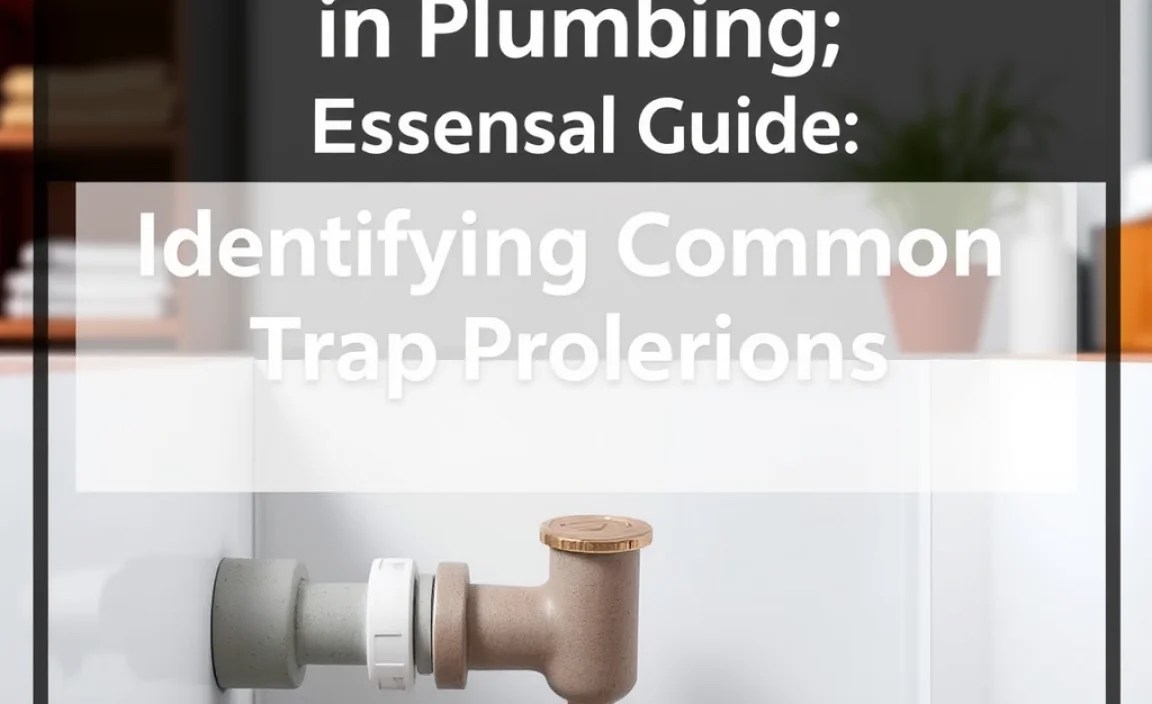
Let’s revisit the mechanics of how these traps function, focusing on the P-trap as our primary example. The process involves several stages: drainage, seal formation, and maintenance of the seal.
1. Draining and Seal Formation
When you run water in a sink or flush a toilet, the wastewater flows down the drainpipe. This water then enters the P-trap. As the water fills the U-bend, it eventually reaches the outlet pipe and continues down the main drainage line. Once the flow stops, gravity naturally causes some of the water to remain in the deepest part of the U-bend, creating the essential water seal. The amount of water left is determined by the trap’s geometry and how much water was initially present in the fixture.
2. Maintaining the Water Seal
The water seal needs to be consistently maintained to do its job. This is where the plumbing vent system becomes critical. Vents are openings in the drainage system that allow air to enter and escape. They serve two main purposes:
- Preventing Siphonage: As water rushes down a drain, it can create a vacuum or negative pressure behind it. Without a vent, this vacuum could pull the water seal right out of the trap, leaving it dry. The vent allows air to enter the pipe, relieving this negative pressure and protecting the seal.
- Preventing Back Pressure: When multiple fixtures drain simultaneously or when a large volume of water flows through the system, it can create positive pressure. A vent allows this pressurized air to escape up through the roof, preventing it from pushing foul air back up through the trap seal.
External authoritative resources, like those from the U.S. Environmental Protection Agency (EPA) on water sense and plumbing systems, often highlight the interconnectedness of drainage, venting, and trap seals for an efficient and healthy plumbing setup.
If your traps are losing their water seal due to evaporation (long periods of disuse) or improper venting, you’ll likely start noticing sewer odors. This is a sign that the barrier protecting your home is compromised.
Identifying Common Trap Problems
Even the best-designed traps can run into issues. Recognizing these problems early can save you from bigger headaches and potential health risks. The most common indicators that your plumbing trap isn’t working correctly are:
- Foul Odors: This is the most direct sign. If you smell sewer gas, especially when a fixture hasn’t been used for a while, the trap seal might be dry. If the smell persists even after using the fixture, a more serious issue like lack of venting or a cracked trap might be present.
- Slow Draining Fixtures: While often associated with clogs, slow draining can sometimes be a symptom of improper venting. If air can’t escape the drain lines properly, it can impede the flow of wastewater, making drains sluggish.
- Gurgling Sounds: Strange gurgling noises coming from drains, particularly when water is emptying from another fixture, often indicate an issue with the vent system. Air is trying to escape or enter the pipe through the only available path – the trap water itself.
- Water Pooling in the Trap: If you notice a fixture, like a shower or tub, that consistently holds water in the trap even after draining, it might be a sign of a blockage further down the line or an improperly designed trap that isn’t allowing for full drainage.
- Visible Leaks: P-traps, especially those under sinks, are often made of plastic or metal and connected with slip nuts. These connections can loosen over time or the trap itself can crack, leading to leaks. Any sign of water dripping from beneath your sink or around a fixture’s drain is a red flag.
Troubleshooting a Dry Trap Seal
If you suspect a dry trap seal due to disuse (e.g., in a guest bathroom or basement sink not used frequently), the fix is usually very simple:
- Run Water: Pour a pint or two of water directly down the drain. This will refill the trap seal.
- Continue Running Water: Let the water run for a minute or two to ensure the trap is adequately filled and that the water has passed through to the main drain.
- Check for Odors: After a few hours or the next day, check to see if the odors have returned.
If the problem persists after refilling, it suggests a more significant issue like inadequate venting or a trap that’s too shallow, which might require professional attention.
DIY vs. Professional Plumbing Trap Work
When it comes to plumbing traps, some tasks are manageable for a DIY enthusiast, while others are best left to the pros. Understanding this distinction is key to safety and effectiveness.
DIY-Friendly Tasks
- Refilling a Dry Trap: As mentioned, simply pouring water down a seldom-used drain is an easy fix.
- Tightening Loose Slip Nuts: Under a sink, the plastic or metal nuts connecting the P-trap components can sometimes loosen. You can often tighten these by hand or with channel-lock pliers. Be careful not to overtighten, especially with plastic parts, as they can crack.
- Replacing a Standard P-Trap Under a Sink: If your P-trap is leaking at the connections or you suspect a crack, replacing it is a common DIY project. Make sure to purchase the correct size and type of trap, and have a bucket ready to catch any residual water.
When to Call a Professional Plumber
- Suspected S-Traps or Drum Traps: If you believe you have an older, potentially non-compliant trap type, a professional can assess its safety and recommend modern alternatives. They are better equipped to handle the complexities of these systems.
- Persistent Odors or Gurgling: If refilling the trap doesn’t solve odor issues, or if you hear frequent gurgling, it usually points to problems with the vent system. Venting involves working with pipes that run through walls and to the roof, which requires expertise and knowledge of building codes.
- Leaks from Walls or Floors: If you notice leaks that don’t seem to originate from an accessible trap connection, the problem is likely internal and requires professional diagnosis.
- Complex Installations: Installing new traps for new fixtures or appliances, or rerouting drain lines, should ideally be done by a plumber to ensure everything is up to code and functions correctly.
- Dealing with Unusual Plumbing Systems: Older homes might have outdated plumbing materials or configurations that require specialized knowledge to repair safely and effectively.
For a comprehensive understanding of plumbing codes and best practices, consulting resources from organizations like the International Association of Plumbing and Mechanical Officials (IAPMO) can be very informative.
Table: Common Trap Issues and Solutions
Here’s a quick reference guide to common plumbing trap problems and their general solutions:
| Problem | Likely Cause | DIY Solution | When to Call a Pro |
|---|---|---|---|
| Foul Odors (after disuse) | Dry trap seal (evaporation) | Pour water down the drain to refill the seal. | If odors persist after refilling. |
| Foul Odors (persistent) | Improper venting, cracked trap, other drain issues | None reliably. May cause further damage if mishandled. | Diagnosis and repair of venting system or trap. |
| Gurgling Drains | Improper venting (air trapped) | None. | Inspection and repair of vent system. |
| Slow Draining | Partial clog or venting issue | Try a plunger or drain snake for minor clogs. | Persistent slow draining may indicate venting issues or deeper clogs. |
| Visible Leaks (e.g., under sink) | Loose connections, cracked trap | Tighten slip nuts; replace plastic P-trap. | Leaks from pipes within walls/floors. |
Maintaining Your Plumbing Traps
While plumbing traps are designed to be low-maintenance, a few simple practices can help ensure they function correctly and last longer:
- Regular Use: The best way to maintain most traps is to simply use the fixtures they serve regularly. This ensures the water seal is consistently replenished. Even a quick flush of water down unused drains every few weeks can prevent evaporation.
