
Your shower journey starts with understanding the best options for your home. From classic showerheads to innovative alternatives, this guide breaks down shower types and their most effective substitutes, helping you choose wisely for comfort, style, and practicality. Get ready to upgrade your daily routine with confidence.
Types of Shower vs Alternative: Your Essential Guide

Feeling overwhelmed by shower options? You’re not alone! Picking the right shower setup can seem complicated, but it doesn’t have to be. Whether you’re renovating your bathroom or just looking for an upgrade, understanding the different types of showers and their clever alternatives will make this decision a breeze. We’ll guide you through each option, from the familiar rainfall showerhead to exciting new possibilities, so you can create a shower experience that’s perfect for you.
Let’s dive in and discover the best way to transform your bathroom into a personal oasis!
Understanding the Basics: What Makes a Shower?

At its core, a shower is a system designed to spray water over you for washing. The “type” of shower usually refers to the main component that delivers the water and how it’s controlled. Common elements include a water source, a valve to control temperature and flow, and a fixture that disperses the water. The variety comes from the design and functionality of that water-dispersing fixture, and whether it’s integrated into a complete enclosure or a standalone unit.
The Classic Choice: Standard Showerheads

The most common type of showerhead, the standard adjustable showerhead, is usually mounted on a pivot ball, allowing you to tilt and angle the spray. They offer basic functionality, and many models come with multiple spray patterns. These are often the most budget-friendly option and are easy to install or replace.
Pros of Standard Showerheads:
- Affordability: Generally the least expensive option.
- Ease of Installation: Simple to swap out for an upgrade or replacement.
- Wide Variety: Available in countless designs and with different spray patterns.
Cons of Standard Showerheads:
- Basic Experience: May lack the luxurious feel of other types.
- Water Pressure: Can sometimes feel less powerful depending on the model and your home’s plumbing.
- Coverage: Might not provide as wide a spray as larger showerheads.
The Luxury Upgrade: Rainfall Showerheads
Rainfall or rain showerheads are designed to mimic the sensation of rain. They are typically larger in diameter and mounted overhead, either from the ceiling or an extended shower arm. The water descends in a broad, gentle spray, offering a spa-like experience. They often require specific plumbing for ceiling mounts but can also be adapted with longer shower arms for wall mounting.
Showerhead Types: A Quick Comparison
| Showerhead Type | Typical Mount | Experience | Best For |
|---|---|---|---|
| Standard Adjustable | Wall arm | Functional, customizable spray direction | Budget-conscious renovations, quick upgrades |
| Rainfall | Ceiling or extended wall arm | Gentle, wide, overhead spray | Spa-like feel, relaxation, larger showers |
| Handheld | Wall-mounted bracket, flexible hose | Versatile, easy to direct, good for rinsing | Bathing children/pets, cleaning the shower, accessibility |
| High-Pressure | Wall arm | Strong, invigorating spray | Homes with low water pressure, invigorating showers |
| Dual/Combination | Wall arm | Offers both handheld and fixed spray options | Flexibility, couples with different preferences |
Pros of Rainfall Showerheads:
- Luxurious Feel: Provides a relaxing, spa-like showering experience.
- Soothing Sensation: The widespread, gentle spray can be very calming.
- Full Body Coverage: Excellent for rinsing soap and shampoo.
Cons of Rainfall Showerheads:
- Installation Complexity: Ceiling mounts require plumbing modifications.
- Water Usage: Larger heads may use more water if not designed for efficiency.
- Water Temperature: Water can cool slightly on its journey from the head to you, especially with ceiling mounts.
To ensure optimal performance and water conservation with any showerhead, consider looking for models with WaterSense labels from the EPA.
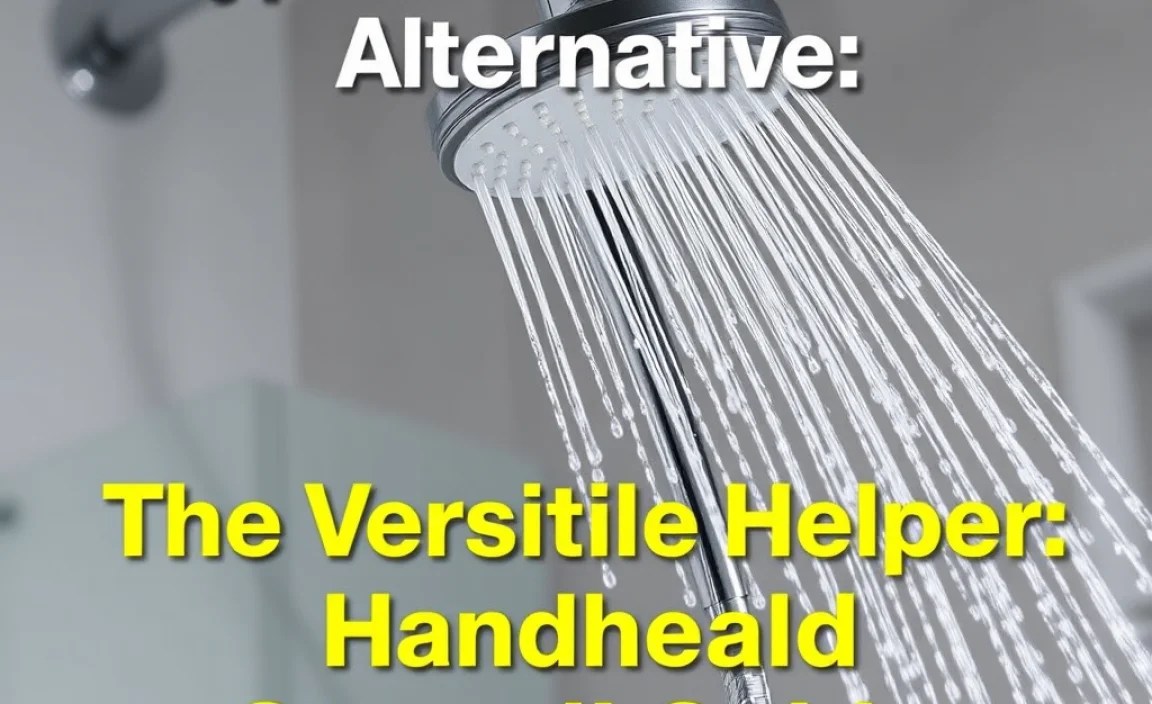
The Versatile Helper: Handheld Showerheads
Handheld showerheads feature a showerhead attached to a long, flexible hose, usually mounted on a bracket. This offers incredible flexibility, allowing you to direct the water exactly where you need it. They are fantastic for rinsing hard-to-reach areas, cleaning the shower enclosure, or assisting with bathing children and pets. Many modern shower systems combine a fixed showerhead with a handheld one.
Pros of Handheld Showerheads:
- Versatility: Can be aimed precisely for targeted rinsing or cleaning.
- Accessibility: Great for individuals with mobility issues or for bathing children and pets.
- Easy to Use: Simple to operate and control the water flow.
Cons of Handheld Showerheads:
- Hose Management: The hose can sometimes get tangled or create clutter.
- Bracket Stability: The bracket needs to be sturdy to hold the showerhead securely.
- Potential Leaks: Like any hose connection, there’s a small risk of drips or leaks over time.
The Powerhouse: High-Pressure Showerheads
If you suffer from low water pressure in your home, a high-pressure showerhead might be your solution. These are engineered to create a stronger, more forceful spray even with less incoming water. They often use smaller nozzles or internal mechanisms to accelerate the water flow, providing an invigorating shower experience. It’s important to ensure your home’s plumbing can handle the increased pressure intensity.
Pros of High-Pressure Showerheads:
- Invigorating Spray: Provides a powerful, massage-like feel.
- Effective for Low Pressure: A great fix for homes with weak water flow.
- Faster Rinsing: The strong spray can help rinse soap and shampoo more quickly.
Cons of High-Pressure Showerheads:
- Water Consumption: Some models may use more water to achieve high pressure.
- Noise: Can be noisier than other types due to the forceful spray.
- Intensity: May be too intense for some users or for sensitive skin.
The Best of Both Worlds: Dual or Combination Showerheads
Combination shower systems offer the best of both worlds by including both a fixed showerhead (often a rainfall or standard type) and a handheld showerhead. A diverter valve allows you to switch between the two, use them simultaneously, or use just one. This provides maximum flexibility to suit different needs and preferences.
Pros of Dual Showerheads:
- Ultimate Flexibility: Caters to various showering preferences at the same time.
- Convenience: Easily switch between overhead spray and targeted rinsing.
- Versatility: Excellent for families with different needs (e.g., parents bathing young children).
Cons of Dual Showerheads:
- Higher Cost: Typically more expensive than single showerhead systems.
- More Complex Installation: Can involve more parts and potentially more intricate plumbing.
- Water Pressure Impact: Using both simultaneously can reduce pressure from each head.
Beyond the Showerhead: Alternative Shower Systems
While showerheads are the most common way to deliver water in a shower, there are more elaborate and integrated systems that offer a completely different experience. These alternatives often repurpose existing plumbing or require dedicated setups but can transform a basic shower into a multi-functional bathing area.
1. Body Sprays and Jets
These are small, often adjustable spray heads installed directly into the shower walls. They are designed to spray water horizontally onto the body, providing a massage-like effect that complements the overhead shower. A “shower panel” system often integrates body sprays with a primary showerhead and controls. They require additional plumbing runs and careful sealing to prevent leaks behind the walls.
Steps to Installing Body Sprays (Simplified Overview):
- Plan Placement: Determine desired height and location for each spray, typically at different heights for men and women.
- Access Walls: This usually involves opening up the wall behind the shower, which can be done from the other side if it’s a shared wall, or from within the shower enclosure if it’s enclosed.
- Run Plumbing: Install new water supply lines from your existing shower valve manifold to each body spray location. This is the most complex part and often requires a plumber.
- Install Valve Manifold: A special valve system is needed to control the flow to multiple sprays and the main showerhead.
- Mount Sprays: Secure the body spray fixtures into their niches or holes in the shower wall.
- Seal and Finish: Ensure all connections are watertight before closing up walls and finishing the shower enclosure with tiling or other waterproof materials.
Exploring resources from organizations like the National Association of Home Builders (NAHB) can provide insights into plumbing best practices, though professional installation is highly recommended for this type of system.
2. Steam Showers
Steam showers are enclosed shower units equipped with a steam generator that heats water and infuses the enclosure with moist vapor. They offer a therapeutic and detoxifying experience akin to a personal sauna. These systems require a dedicated, sealed shower enclosure and importantly, a steam generator unit, controls, and specialized plumbing. They can be a significant upgrade and often involve professional installation.
3. Bathtub Shower Combinations
This is a very common setup where a showerhead and controls are installed above a bathtub. It offers the flexibility of a bath and a shower in one space. The key components are the tub itself, a shower valve, a showerhead, and a shower curtain or glass doors to contain the water. This setup is highly practical for most bathrooms.
Components of a Bathtub Shower Combination:
- Bathtub: The base receptacle for water.
- Shower Valve: Controls water temperature and flow, with a diverter to send water to the showerhead or tub spout.
- Showerhead: Delivers the water for showering.
- Tub Spout: Fills the tub.
- Shower Curtain or Doors: Prevents water from escaping the tub area.
4. Walk-in Showers
Walk-in showers are open-concept shower enclosures that do not have a tub. They are designed for easy entry and often feature a curbless design, making them highly accessible. These require a sloped floor to direct water to a drain and a waterproof enclosure. They offer a minimalist look and can make a small bathroom feel larger.
5. Shower Panels
Shower panels are vertical units that often integrate multiple shower functions into a sleek, modern design. They can include a rainfall showerhead, body jets, and a handheld shower wand, all controlled by a central valve system. These are typically mounted directly to the wall and can be a less invasive alternative to installing individual body sprays, often requiring just a single water supply connection point.
Choosing the Right Shower Type for Your Home
Your decision will likely come down to a few key factors:
- Budget: Standard showerheads and handhelds are most affordable. Steam showers and systems with multiple jets are the most expensive.
- Space: Larger rainfall heads or steam enclosures need more room. Standard or handheld showers are more forgiving in smaller spaces.
- Plumbing: Adding body jets or ceiling-mounted rainfall showers might require significant plumbing work. Simple showerhead replacements are usually straightforward.
- Lifestyle: Do you love a powerful massage spray, a gentle rain, or need flexibility for family needs? This will guide your functional choice.
- Water Pressure: Low home water pressure might necessitate a high-pressure head or a system designed to enhance flow.
DIY vs. Professional Installation: When to Call the Experts
While replacing a standard showerhead is a simple DIY task for most homeowners, more complex installations require a professional touch:
- DIY Friendly:
- Replacing a standard showerhead.
- Installing a new handheld showerhead kit.
- Swapping out a shower valve (if you’re comfortable with basic plumbing).
- Professional Recommended:
- Installing ceiling-mounted rainfall showerheads.
- Adding body sprays or a multi-function shower panel.
- Installing a steam shower generator and system.
- Major bathroom renovations involving new plumbing runs.
Working with water and electricity (in the case of steam generators) requires precision. Mistakes can lead to leaks, water damage, and safety hazards. For anything beyond a simple swap, consulting a licensed plumber or contractor is a wise investment to ensure the job is done safely and correctly.
Conclusion
Choosing the right shower type or alternative is a significant step in upgrading your bathroom and enhancing your daily routine. From the simple elegance of a rainfall showerhead to the versatile practicality of a handheld model, or the advanced luxury of a steam system, each option offers unique benefits. By understanding the differences, considering your home’s specific needs, and knowing when to seek professional help, you can confidently select and install a shower system that brings comfort, style, and functionality to your home for years to come.
Frequently Asked Questions (FAQ)
Q1: What is the difference between a rainfall showerhead and a standard showerhead?
A rainfall showerhead is typically larger, mounted overhead, and delivers a wide, gentle spray that mimics rain. A standard showerhead is usually smaller, wall-mounted on an arm, and offers more directed spray patterns that can be adjusted.
Q2: Can I install a rainfall showerhead myself?
If you’re replacing an existing showerhead with one that mounts to the same wall arm, yes, it’s usually a DIY project. However, if you want a ceiling-mounted rainfall showerhead, it will likely require cutting into the ceiling and running new plumbing, which is best left to a professional plumber.
Q3: Are handheld showerheads good for saving water?
Handheld showerheads themselves don’t inherently save water, but their versatility allows for shorter shower times and targeted rinsing. Look for models with a low flow rate (e.g., 1.8 gallons per minute or less) or WaterSense certification to ensure water efficiency.
Q4: What is a steam shower and how is it different from a regular shower?
A steam shower is a fully enclosed shower stall with a steam generator that produces moist, hot vapor for a spa-like, therapeutic experience. A regular shower simply sprays water for washing, offering no steam function.
Q5: How do I know if my home has low water pressure?
Signs of low water pressure include a weak flow from faucets and showerheads, water pooling in the tub spout, or reduced performance when multiple fixtures are used simultaneously. You can also use a pressure gauge attached to an outdoor hose bib to measure your home’s PSI.
Q6: What are the benefits of body sprays?
Body sprays provide a massaging sensation by spraying water horizontally onto your body from the walls. They can offer a more luxurious and therapeutic showering experience, targeting different areas of the body for enhanced relaxation and hydrotherapy.
Q7: Is a walk-in shower a good alternative to a bathtub?
Yes, a walk-in shower is an excellent alternative, especially for accessibility as it’s easy to enter and exit, often with no curb. It can also make a small bathroom feel more spacious and offer a sleek, modern look. However, it doesn’t offer the bathing option for those who prefer soaking in a tub.
