
Understanding bathtub jargon and finding accessible alternatives is key to making informed choices for your bathroom upgrade. This guide breaks down common terms and offers easy-to-understand options, empowering you to confidently select the right bathtub for your needs and style, without the confusion.
Bathtub Jargon vs. Alternative: Your Essential Beginner’s Guide

Renovating or even just refreshing your bathroom can feel like learning a new language. Suddenly, you’re confronted with terms that sound like they belong in a mechanic’s workshop or an architect’s blueprint. Phrases like ‘alcove installation,’ ‘slip-resistant surface,’ or ‘gauge thickness’ can make choosing a simple bathtub seem like a monumental task.
It’s frustrating when you just want a relaxing soak, but instead, you’re deciphering a list of jargon. But don’t worry! This guide is here to demystify those confusing terms and present you with clear, straightforward alternatives. We’ll break down what these common bathtub phrases really mean and help you find the perfect fit for your bathroom, your budget, and your lifestyle.
Decoding the Lingo: Common Bathtub Terms Explained
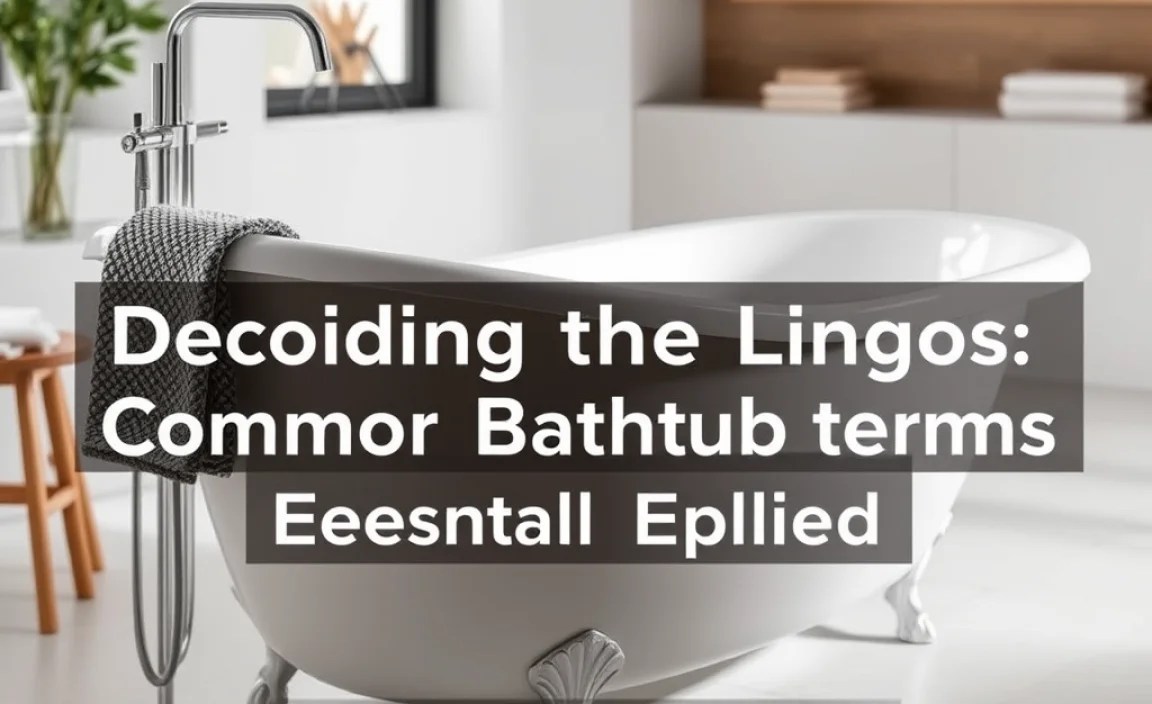
Let’s dive into some of the most common terms you’ll encounter when shopping for a bathtub. We’ll explain them in plain English and offer the practical meaning behind them.
Bathtub Types & Installation Styles
This is often the first hurdle. Bathtub styles refer to how they are built and installed in your bathroom.
- Alcove Bathtub: This is probably the most common type. It’s designed to fit into a three-walled recess (an alcove) in your bathroom. The front of the tub is usually finished, while the sides are meant to be tiled into the walls. Think of it as a bathtub with a built-in front panel or skirt.
- Freestanding Bathtub: As the name suggests, this tub stands on its own, not attached to any walls. They can be placed anywhere in a bathroom, becoming a beautiful focal point. They often have a more luxurious feel and can come with ornate feet or a sleek, modern design.
- Drop-in Bathtub (Undermount): This type of tub is designed to be installed into a deck or a custom-built surround. You’ll see the rim of the tub sitting on top of the surrounding material (like tile or stone). It’s like a sink that sits on the counter, but for a bathtub.
- Undermount Bathtub: Similar to a drop-in, but the rim of the tub is installed under the surrounding deck. This gives a very clean, seamless look, as the countertop material flows directly into the tub’s edge. It’s a more integrated and high-end installation.
- Corner Bathtub: These tubs are designed to fit into a corner. They often come in larger sizes, sometimes with a rounded or triangular shape, to maximize the space in the corner of your bathroom.
Material Matters: What Your Tub is Made Of
The material of a bathtub significantly affects its durability, weight, cost, and feel. Here’s a breakdown of the most popular options:
- Acrylic: This is a very popular choice. Acrylic tubs are made from vacuum-formed sheets of acrylic plastic that are reinforced with fiberglass. They are lightweight, relatively inexpensive, and can be molded into almost any shape. They’re also pretty easy to repair if scratched.
- Fiberglass: Similar to acrylic but often considered a bit less durable and can be more prone to staining or scratching over time. Fiberglass tubs are usually the most budget-friendly option. They are also very lightweight, making installation easier.
- Cast Iron: These tubs are made from iron that’s melted and poured into a mold. They are then coated with a thick layer of porcelain enamel. Cast iron tubs are incredibly durable, luxurious, and retain heat exceptionally well, making for a wonderfully warm bath. However, they are extremely heavy and expensive.
- Steel (Enameled Steel): These are made from sheet steel that is stamped into shape and then coated with porcelain enamel. They are less expensive than cast iron but still quite durable. They can be prone to chipping if something heavy is dropped on them, and they don’t hold heat as well as cast iron.
- Solid Surface: This category includes materials like cultured marble, solid cultured stone, and engineered composites. These are less common for whole tubs but offer a seamless, non-porous, and attractive finish. They can be quite heavy and are often more expensive.
Key Features and Specifications
Beyond the basic type and material, there are other terms to understand:
- Slip-Resistant Surface: This refers to the texture on the bottom of the tub designed to provide extra grip and prevent slips. Many tubs come with this feature built-in for safety.
- Suction Cups: Often found on standalone bath Mats, these are small rubber cups that stick to the tub surface to hold the mat in place, adding slip resistance. When talking about the tub itself, it usually means the texture is deliberately coarser.
- Gauge Thickness: This term is most often associated with enameled steel tubs. It refers to the thickness of the steel sheet used. A higher gauge number means thinner steel (like for paper), while a lower gauge number means thicker steel. For tubs, a lower gauge number (e.g., 14-gauge) indicates a sturdier, more durable tub.
- Skirt/Apron: This is the decorative panel that covers the front and sometimes the sides of an alcove or freestanding tub. It hides the plumbing and the underside of the tub, giving a finished look.
- Roll-Top Rim: This is a specific style of rim on some freestanding tubs where the edge is rounded and rolled over, creating a comfortable and often more decorative finish to lean against.
- Integral Drain: This is a drain assembly that is built directly into the tub’s design, often creating a sleeker look and easier cleaning compared to traditional drain assemblies that can sometimes stick out or have multiple parts.
- Overflow Drain: This is a safety feature. It’s a hole located near the top of the tub that allows excess water to drain away if the tub is filled too high, preventing water from spilling onto the bathroom floor.
Comparing Bathtub Materials: Pros and Cons Table

Choosing the right material is crucial for both functionality and aesthetics. Here’s a quick comparison to help you weigh your options:
| Material | Pros | Cons | Best For |
|---|---|---|---|
| Acrylic | Lightweight, versatile shapes, good repairability, wide price range, good heat retention. | Can scratch or fade over time if not maintained, less luxurious feel than cast iron. | Most homeowners, easy installation, budget-conscious remodels. |
| Fiberglass | Very lightweight, least expensive option, easy to install. | Least durable, prone to scratching and cracking, can stain easily. | Budget renovations, rental properties, quick replacements. |
| Cast Iron | Extremely durable, excellent heat retention (long, warm soaks), luxurious feel, classic beauty. | Very heavy (may require floor reinforcement), expensive, limited shape options, can chip enamel. | Luxury bathrooms, lasting investments, homeowners prioritizing warmth and durability. |
| Enameled Steel | Durable, less expensive than cast iron, good gloss finish. | Can chip or crack if impacted, doesn’t hold heat as well as cast iron, heavier than acrylic/fiberglass. | Mid-range renovations, standard bathtub replacements needing durability. |
| Solid Surface | Sleek, seamless look, non-porous, easy to clean, can be repaired. | Heavy, expensive, can be prone to scratching in certain formulations. | Modern, high-end bathrooms, custom designs. |
Bathtub Styles Explained: Which is Right for You?

The style of your bathtub impacts not only its look but also how it fits into your bathroom space and your daily routine. Let’s break down the most common styles and what makes them unique.
Alcove Bathtubs: The Workhorse of Bathrooms
These are the most common tubs you’ll find, largely because they are designed to fit snugly into a standard three-walled recess. They are practical, space-efficient, and come in a wide variety of materials and sizes.
- Installation: They are installed between three walls. Typically, the front edge is finished (often with a skirt or apron), while the sides are meant to be butted up against or tiled into your bathroom’s walls.
- Pros: Space-saving, versatile, affordable, easy to find, can incorporate shower surrounds.
- Cons: Limited placement options within the bathroom, can feel less luxurious than freestanding models.
- Perfect for: Most standard bathrooms, families, especially when combined with a shower. If you have a standard tub cutout in your bathroom, an alcove tub is likely what you’ll replace it with.
Freestanding Bathtubs: The Statement Piece
If you’re dreaming of a spa-like bathroom, a freestanding tub might be your ultimate goal. They aren’t attached to any walls, allowing for flexible placement and, due to their unhindered design, often become a stunning centerpiece.
- Installation: These tubs are completely separate and require plumbing to be brought up through the floor. They don’t need to be tucked into a corner, offering design freedom.
- Pros: Aesthetic appeal, can be a focal point, flexible placement, variety of styles (clawfoot, modern, etc.).
- Cons: Can be more expensive, require significant floor space, installation can be more complex (requiring floor plumbing), cleaning around them can be tricky.
- Perfect for: Larger bathrooms, creating a luxury or vintage look, homeowners who want a dramatic design element.
Drop-In & Undermount Bathtubs: For Custom Designs
Both drop-in and undermount tubs are designed to be installed within a custom-built deck or surround. This allows for a highly integrated and personalized look, often featuring tile, stone, or wood finishes around the tub.
Drop-In (or Top-Mount) Bathtubs
- Installation: A hole is cut into a pre-built deck or surround, and the tub is lowered into it. The rim of the tub rests on the deck.
- Pros: Customizable look, can integrate with other bathroom materials, relatively easier installation than undermount.
- Cons: The visible rim can collect grime, installation requires a surrounding deck which adds to cost and complexity.
- Perfect for: Bathrooms where a custom deck, like a tiled surround, is desired.
Undermount Bathtubs
- Installation: Similar to a drop-in, but the tub is installed beneath the deck. The countertop material flows directly to the edge of the tub, creating a sleek, seamless transition with no visible rim.
- Pros: Extremely clean look, easy to wipe down (no rim to catch dirt), modern and high-end appearance.
- Cons: Most complex installation, most expensive option due to labor and materials, plumber and contractor coordination is critical.
- Benefits of an Integral Overflow Drain: Many modern undermount tubs feature an integral overflow drain, which is a channel within the tub wall that connects to the main drain pipe. This creates a very clean look by eliminating the traditional overflow plate and is easy to keep clean. You can learn more about plumbing best practices at resources like the EPA WaterSense program, which promotes water-efficient fixtures.
- Perfect for: High-end renovations, modern and minimalist bathrooms where a seamless aesthetic is paramount.
Corner Bathtubs: Making the Most of Space
These tubs are designed specifically to fit into the corner of a room. They often have a larger bathing area than standard tubs despite being in a corner and can come in various shapes to fit the space perfectly.
- Installation: They fit into a corner, usually with two sides against adjacent walls. Some have a triangular shape to fill the corner most effectively.
- Pros: Can offer a deeper or wider bathing area in a compact footprint, utilizes often-underused corner space, can be a sculptural element in the bathroom.
- Cons: May require specific measurements to fit the corner precisely, can feel larger than necessary in smaller bathrooms.
- Perfect for: Bathrooms with limited space but a desire for a larger tub, or for creating a distinct bathing zone.
Bathtub Features: What to Look For Beyond the Basics

Once you’ve narrowed down the style and material, consider these functional features:
Slip Resistance: Safety First
This is non-negotiable for most households, especially those with children or elderly members. A slip-resistant surface means the bottom of the tub has a texture designed to provide better traction when wet.
- Built-in Texture: Most modern tubs, especially acrylic and fiberglass, have a molded, slightly rough texture on the bottom.
- Applied Mats: If your tub doesn’t have sufficient texture, you can always use a good quality rubber bath mat with strong suction cups for added safety. Ensure the mat is cleaned regularly to prevent mildew.
Ergonomics and Comfort: Your Soaking Experience
Think about how you use your bathtub. Do you like to lean back? Do you need leg support? Many tubs are designed with:
- Lumbar Support: Ergonomically curved backrests provide comfort for longer soaks.
- Armrests: Some tubs feature sculpted armrests for added relaxation.
- Depth: Deeper tubs allow for a more immersive soak.
- Sloped Ends: A well-sloped end provides comfortable seating or lounging.
Accessibility Features
For those with mobility challenges, accessibility features are paramount. These can include:
- Grab Bars: Integrated or add-on grab bars offer steady support.
- Lower Thresholds: Some tubs are designed with a lower profile to make entering and exiting easier.
- Built-in Seats: For easier showering or bathing.
Bathtub Plumbing and Installation: What Beginners Need to Know
Understanding the basic plumbing and installation can save you from surprises and ensure a smooth process. When we talk about “bathtub jargon vs alternative,” this is where the practical alternatives really shine.
The Drain and Overflow
Every tub needs a way to drain the water and prevent overflow. The standard setup includes:
- Drain Flange and Shoe: This is the part at the bottom of the tub where water goes down. Often, you’ll see a stopper here.
- Overflow Plate: This is the plate with holes positioned higher up on the tub wall. When water reaches this level, it flows through these holes into a pipe connected to the main drain, preventing flooding.
- The “Foot” or “Spud”: This is the threaded part that connects the drain flange to the drain shoe under the tub.
Alternative for Ease: Look for tubs with “integrated drain systems” or “toe-touch drains” which can simplify the mechanism and often offer a cleaner look. Some modern designs even hide the overflow within a subtle slot.
The Faucet and Spout
This is how water enters your tub. Common types include:
- Wall-Mounted Faucets: Traditional, with the spout and controls coming directly from the wall above the tub.
- Deck-Mounted Faucets: Installed on the rim of a drop-in or undermount tub, or a custom deck.
- Freestanding or Floor-Mounted Faucets: For freestanding tubs, these are installed on the floor beside the tub, offering a luxurious look.
Alternative for Simplicity: For standard alcove tubs, a simple wall-mounted faucet is often the most straightforward and cost-effective option. For smaller spaces, consider a single-handle faucet for easier temperature control.
Installation Considerations
This is where professional help is often recommended, especially for heavy tubs like cast iron or complex installations like undermount ones.
- Weight: Cast iron tubs can weigh hundreds of pounds. Ensure your floor can support this weight. You might need to reinforce joists. This is a critical part of what structural engineers consider when advising on bathroom renovations, and you can find general guidelines on building codes from resources like the International Code Council (ICC).
- Plumbing Access: Make sure there’s adequate space behind the walls or below the floor for plumber to connect the drain.
