
Understanding bathtub jargon is key to making informed repair, replacement, or upgrade decisions. This guide breaks down common bathtub terms simply so you can confidently discuss projects with professionals or DIY with ease.
Thinking about upgrading your bathroom or tackling a leaky tub? You might find yourself lost in a sea of technical terms. Words like ‘glazing,’ ‘skirting,’ and ‘overflow plate’ can make even simple tasks feel complicated. But don’t worry! Understanding basic bathtub jargon is easier than you think. This guide will demystify the common terms you’ll encounter, helping you feel more confident when talking about your tub.
We’ll cover everything from the parts of your bathtub to the different materials and types of tubs. By the end, you’ll be speaking like a pro, ready to explain your needs clearly and make smart choices for your bathroom.
Common Bathtub Parts and Their Purpose

Your bathtub might seem like a simple fixture, but it has several distinct parts that all work together. Knowing these parts will help you identify issues and understand repair guides or professional advice.
The Basin
This is the main part of the bathtub where the water collects. It’s the part you sit or lie in during a bath. The basin’s shape and depth can significantly impact the bathing experience. Some are deep for luxuriating, while others are shallower for easier access.
The Rim (or Edge)
The rim is the top, finished edge of the bathtub. It’s what you often lean on or what sits flush with the surrounding wall or deck. The material and design of the rim can affect how easy it is to step over the side and can also contribute to the overall aesthetic of the tub.
The Drain Assembly
This is crucial for emptying the tub. It typically includes several components:
- Drain Flange: The part you see at the bottom of the tub that covers the actual drain opening.
- Strainer: Often integrated into the flange, this catches hair and debris to prevent clogs.
- Drain Shoe: Located beneath the tub, this connects the tub’s drain opening to the P-trap and waste pipe.
- Pivot Rod and Stopper: This mechanism, often operated by a lift rod or a stopper you press, seals the drain to fill the tub and opens it to let water out.
The Overflow
Every bathtub has an overflow system to prevent flooding. It’s a small hole located on the tub wall, usually positioned just below the rim. When the water level gets dangerously high, it flows into this hole, down a pipe, and into the main drain system. The overflow component typically includes:
- Overflow Plate: The decorative plate on the tub wall with the overflow opening. This often houses the mechanism for the stopper.
- Overflow Tube: The pipe connecting the overflow plate to the drain assembly.
The Skirt (or Apron)
This is the finished, vertical panel that extends down from the front edge of certain types of bathtubs, like alcove and some freestanding models. It hides the bathtub’s support structure and plumbing, providing a cleaner look.
The Drain Stopper
As mentioned, this is the part that physically blocks the drain opening to hold water in the tub. There are various types, including:
- Toe-Touch Stopper: You push it down with your toe to close and open.
- Lift-and-Turn Stopper: You lift it and turn it to open or close.
- Pop-Up Stopper: Operated by a lever or knob near the faucet, or sometimes by a plunger mechanism.
Bathtub Materials Explained
The material of your bathtub affects its durability, cost, appearance, and how it feels to use. Here’s a breakdown of common bathtub materials:
Acrylic
Acrylic tubs are made from vacuum-formed sheets of acrylic, reinforced with fiberglass. They are a popular choice due to their affordability, light weight, and versatility in design. Acrylic is non-porous and resistant to chipping and cracking.
Pros:
- Lightweight and easy to install.
- Relatively inexpensive.
- Available in a wide range of shapes, sizes, and colors.
- Warm to the touch.
- Non-porous, so it resists staining and is easy to clean.
Cons:
- Can scratch more easily than other materials if not cared for properly.
- Less durable than cast iron or stone resin over the very long term.
- May flex or creak if not properly supported during installation.
Fiberglass (often with a Gelcoat Finish)
Similar to acrylic but typically less dense, fiberglass tubs are also reinforced with resin. They are a budget-friendly option but are more prone to scratching and cracking than acrylic.
The gelcoat finish adds a smooth, glossy surface. While it provides a nice look, it can become dull or crack over time.
Pros:
- Very lightweight and easy to handle.
- One of the most budget-friendly options.
- Easy to repair minor damage.
Cons:
- Less durable than acrylic, prone to cracking and fading.
- The surface can be porous if the gelcoat wears down, leading to staining.
- Not as good at retaining heat as other materials.
Cast Iron
These tubs are made by pouring molten iron into a mold and then coating it with a thick layer of porcelain enamel. Cast iron tubs are exceptionally durable, luxurious, and excellent at retaining heat.
Pros:
- Extremely durable and long-lasting.
- Excellent heat retention means water stays warmer for longer.
- The porcelain enamel finish is resistant to scratches and stains and easy to clean.
- Classic, high-end aesthetic.
Cons:
- Extremely heavy, requiring reinforced flooring and careful installation.
- More expensive than acrylic or fiberglass.
- Can be susceptible to chipping if a heavy object is dropped on it.
- Limited in design flexibility compared to acrylic.
Steel (Enameled Steel)
Similar to cast iron, these tubs are made from steel and coated with porcelain enamel. They are lighter than cast iron but still quite durable. However, the steel base makes them more susceptible to damage if the enamel coating is compromised.
Pros:
- More affordable than cast iron.
- Lighter than cast iron, making installation easier.
- Smooth, easy-to-clean enamel surface.
Cons:
- Less heat retention than cast iron or acrylic.
- The steel can rust if the enamel chips or cracks.
- More prone to denting than cast iron.
Solid Surface (e.g., Cultured Marble, Stone Resin)
These are composite materials made from natural stone dust (like marble or granite) mixed with resins, or from proprietary blends. They offer a high-end look and feel, are durable, and can be molded into various shapes. They are also seamless and non-porous.
Pros:
- Luxurious appearance and feel.
- Durable and resistant to stains and scratches.
- Seamless construction means less chance of leaks or mildew.
- Non-porous and easy to clean.
- Good heat retention.
Cons:
- Can be expensive.
- Heavy, similar to cast iron, requiring careful installation.
- May require specialized cleaners to avoid damage.
Types of Bathtubs

Beyond materials, bathtubs come in different styles and configurations, each suited for various bathroom layouts and needs.
Alcove Tub
This is the most common type of bathtub. It’s designed to fit into a three-walled recess (an alcove). Often, these tubs have flanges on the sides and back that are attached to the wall studs for easy waterproofing and installation. They typically have a built-in skirt on the front end.
For more information on installation and common issues, the U.S. Department of Energy provides excellent guidance on home energy efficiency, which can relate to proper fixture installation: Energy Star Home Energy Audits.
Drop-In Tub (or Undermount Tub)
A drop-in tub is designed to be installed into a pre-cut hole in a deck or surround. The tub itself has a built-in flange that rests on the deck, and the edges of the deck surround conceal the tub’s rim. This creates a clean, built-in look. Undermount tubs are similar, with the rim hidden completely by the deck.
Freestanding Tub
Freestanding tubs are not attached to any walls. They can be placed anywhere in the bathroom, making them a focal point. Popular styles include clawfoot tubs and modern, sleek designs. These offer great design flexibility but require more space and careful plumbing consideration.
Corner Tub
As the name suggests, these tubs are designed to fit into a corner of the bathroom. They often have a triangular shape or a quarter-circle design to maximize space or create a spa-like feel. Some corner tubs are large enough for two people.
Walk-In Tub
These tubs are specifically designed for individuals with mobility issues or for those who want enhanced safety. They feature a low-threshold door that allows easy entry and exit. They typically include built-in seating and grab bars.
Common Bathtub Problems and Jargon
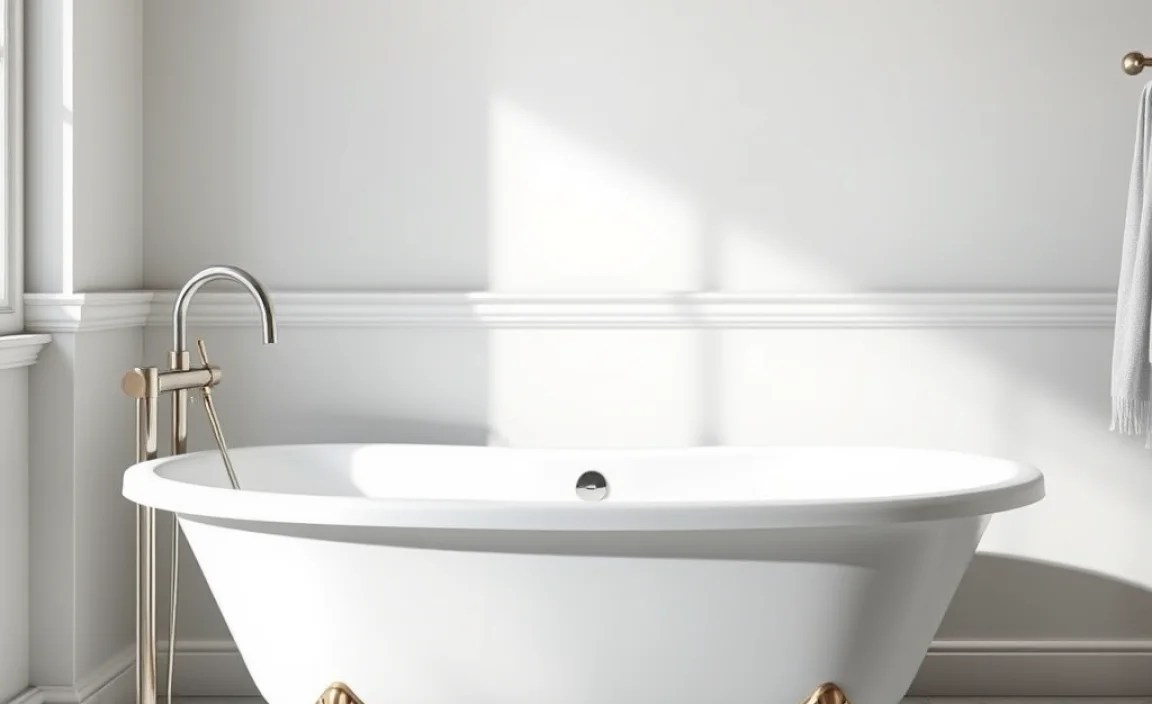
Even the best bathtub can encounter issues. Knowing the terms associated with these problems will help you communicate effectively with a plumber or find DIY solutions.
Leaking Drain
This is a common and frustrating problem. A leaking drain can be caused by a worn-out gasket, a loose drain flange, or a crack in the drain shoe. If you notice water pooling around the base of the tub after use, the drain assembly is a prime suspect.
Overflow Leak
If you see water seeping from behind the overflow plate when the tub is full, the overflow tube or its seal might be compromised. The overflow plate itself might also be cracked.
Cracked or Chipped Tub Surface
This usually occurs due to impact with a heavy object. Acrylic and fiberglass are more prone to this than cast iron or solid surface. Minor chips can sometimes be repaired with a special epoxy or repair kit, but significant cracks may necessitate tub replacement. The National Association of Home Builders (NAHB) offers resources for homeowners on various building-related topics, including maintenance and repair: NAHB Homeowner Resources.
Grout and Caulk Deterioration
The grout and caulk around the edges of your tub provide a watertight seal. Over time, these materials can crack, crumble, or develop mold. Re-grouting or re-calking is a common DIY maintenance task that prevents water from seeping behind the walls.
Grout: The cement-like material used to fill the spaces between tiles if your tub surround is tiled.
Caulk: A flexible, waterproof sealant used along the joint where the tub meets the wall or floor, and around fixtures.
Discoloration and Staining
Some bathtub materials, especially older porcelain enamel or less dense fiberglass, can develop stubborn stains from hard water, rust, or mildew. Non-porous materials like acrylic and solid surface are much more resistant to staining.
Loose or Worn Faucet Handles/Levers
The handles that control your hot and cold water can become loose over time due to worn threads or internal components. Replacing internal cartridges or tightening handles is a common fix.
Bathtub Installation & Repair Jargon

When undertaking a bathroom project, you’ll encounter terms related to the installation and repair process.
Rough-In
This refers to the installation of the basic plumbing system (water supply lines, drain pipes, vent pipes) within the walls and floor before the walls and fixtures are finished.
Plumbing Valves
These are the devices that control the flow of water to your faucet. Key valves related to a tub include:
- Cartridge: A component within the faucet handle that mixes hot and cold water and controls the flow.
- Mixing Valve: A valve that blends hot and cold water to achieve a desired temperature.
- Shut-off Valve: Individual valves, usually located behind an access panel, that can stop water flow to specific fixtures for repairs.
Subfloor
The structural layer of flooring that lies directly beneath the finished floor material (like tile or vinyl). For heavy tubs like cast iron, the subfloor may need reinforcement.
Backer Board
A rigid sheet material, often cement board or a foam-based product, installed over the subfloor and wall studs to provide a stable, water-resistant base for tile or other wall finishes around the tub.
Waterproofing
Applying a membrane or coating to surfaces in the bathroom, especially around the tub and shower, to prevent water damage to the walls and subfloor.
Glazing
In the context of porcelain enamel tubs, ‘re-glazing’ or ‘refinishing’ refers to applying a new coating to worn or damaged surfaces to restore their appearance and protect the underlying material. This is an alternative to full replacement.
P-Trap
A U-shaped section of pipe located under the drain that holds a small amount of water. This water creates a seal that prevents sewer gases from entering your bathroom.
Table: Common Bathtub Jargon Cheat Sheet
Here’s a quick reference table for some of the most common terms you’ll encounter:
| Term | Definition | Why it Matters |
|---|---|---|
| Basin | The main part of the tub where water collects. | Determines comfort and bathing experience. |
| Rim | The top edge of the bathtub. | Affects stepping ease and visual aesthetics. |
| Drain Assembly | System that allows water to exit the tub. | Essential for emptying; prone to clogs and leaks. |
| Overflow | Safety feature to prevent flooding. | Protects against water damage to your bathroom. |
| Skirt/Apron | Decorative panel on the front of some tubs. | Hides plumbing and structure, adds to appearance. |
| Acrylic | A lightweight, common bathtub material. | Affordable, versatile, easy to clean. |
| Cast Iron | A heavy, durable bathtub material with enamel coating. | Luxurious, excellent heat retention, very long-lasting. |
| Alcove Tub | Tubs designed for a three-walled recess. | Most common type, easy to install in many homes. |
| Freestanding Tub | A tub not attached to any walls. | Offers design freedom, can be a bathroom focal point. |
| Rough-In | Installation of basic plumbing before finishing. | Crucial stage for plumbing system integrity. |
| P-Trap | U-shaped pipe under the drain. | Prevents sewer odors from entering the bathroom. |
Frequently Asked Questions About Bathtub Jargon
Q1: What is the most common problem with bathtubs?
The most frequent issues are usually leaking drain assemblies and deteriorated caulk or grout around the tub’s edges. Both can lead to water damage if not addressed promptly.
Q2: Is cast iron or acrylic better for a bathtub?
It depends on your priorities. Cast iron is extremely durable and retains heat well but is very heavy and expensive. Acrylic is lighter, more affordable, versatile in design, and easier to install, though it can scratch more easily.
Q3: What does ‘rough-in plumbing’ mean for a bathtub?
Rough-in plumbing refers to the installation of the water supply lines, drain pipes, and vent pipes inside the walls and floor before any finished surfaces like drywall or tile are put up. It’s the foundational work for your tub and faucet.
Q4: How can I tell if my bathtub is leaking?
Look for signs like dampness or water stains on the ceiling or floor below the bathroom, mold or mildew growth around the tub, or water pooling around the tub base after use. Also, check if the water level.
