
Bidet installation is a straightforward DIY project that can enhance bathroom hygiene and reduce toilet paper use. This guide breaks down the advantages and disadvantages, offering clear steps for a successful setup, empowering you to decide if a bidet is right for your home.
Ever wondered about bidets? You’re not alone! Many homeowners are curious about this bathroom upgrade, often feeling unsure if it’s worth the effort or how to even get started. Bidets promise a cleaner, fresher feeling, but the idea of installation can seem daunting. Don’t worry; we’re here to demystify the process. In this guide, Bryan Lee will walk you through the fantastic benefits and potential drawbacks of installing a bidet. You’ll learn everything you need to know to make an informed decision and, if you choose to proceed, how to tackle the installation yourself with confidence. Get ready to transform your bathroom experience!
Bidet Installation: Pros & Cons Revealed


Installing a bidet can be a game-changer for your bathroom. It’s more than just a trendy addition; it’s about upgrading your hygiene, comfort, and even your home’s eco-friendliness. But like any home improvement, it’s wise to weigh the good against the not-so-good. Let’s dive into the pros and cons of bidet installation so you can decide if it’s the right fit for you.
The Upsides: Why You Might Love a Bidet
Bidets offer a refreshing and effective way to clean yourself after using the toilet. They utilize a targeted stream of water, providing a more thorough clean than toilet paper alone. This leads to a feeling of enhanced cleanliness and can be particularly beneficial for those with certain health conditions. Beyond personal hygiene, bidets offer several other compelling advantages.
1. Superior Personal Hygiene
This is the number one reason people opt for bidets. Water cleans more effectively than dry paper. Think about it: if you got mud on your hands, would you just wipe it with a dry paper towel, or would you wash them with water? Water leaves you feeling cleaner, fresher, and more confident.
- Reduces the risk of irritation and infections caused by incomplete cleaning.
- Provides a gentle yet thorough cleansing experience.
- Offers a more comfortable option for individuals with sensitive skin or certain medical conditions like hemorrhoids or postpartum recovery.
2. Environmental Benefits
Using a bidet significantly reduces your reliance on toilet paper. This might seem small, but the impact adds up. Manufacturing toilet paper consumes vast amounts of trees, water, and energy. By cutting down on toilet paper usage, you’re making a more sustainable choice for the planet.
- Saves trees: Less demand for paper means fewer trees cut down.
- Conserves water: While bidets use water, the amount used is generally far less than the water required to produce toilet paper.
- Reduces waste: Less toilet paper flushed means less strain on sewer systems and septic tanks.
According to the EPA, conserving water is a critical aspect of sustainable living, and reducing your household’s water footprint is a commendable goal.
3. Long-Term Cost Savings
While there’s an initial investment for a bidet, it can save you money over time. The constant purchase of toilet paper adds up significantly each month and year. Reducing or eliminating toilet paper purchases can lead to noticeable savings in your household budget.
- Lower recurring expenses on toilet paper.
- Reduces the risk of clogged toilets from excessive toilet paper use.
4. Enhanced Comfort and Accessibility
Bidets can offer a more comfortable and dignified experience, especially for the elderly, individuals with mobility issues, or those recovering from surgery. They reduce the need for strenuous wiping and make personal care easier and more accessible.
- Gentle water spray is often more comfortable than abrasive toilet paper.
- Can be easier to use for people with limited dexterity or reach.
- Adds a touch of spa-like luxury to your bathroom.
5. Reduced Plumbing Issues
Overusing toilet paper is a common culprit behind clogged toilets and messy plumbing problems. By using less or no toilet paper, you can significantly reduce the chances of encountering these frustrating and potentially costly issues.
- Less toilet paper means less bulk going down the drain.
- Helps prevent clogs, especially in older or less robust plumbing systems.
The Downsides: What to Consider Before Installation
While bidets offer many benefits, it’s important to be aware of the potential drawbacks. Understanding these points will help you make a well-rounded decision and prepare adequately for the installation and usage.
1. Initial Cost
The price of bidets can vary widely, from simple attachments to full-featured smart toilets. You might find basic bidet attachments for under $50, while advanced bidet seats or full bidet toilets can cost several hundred to over a thousand dollars. This upfront expense is a significant consideration for many.
- Basic bidet attachments: $30 – $100
- Bidet seats (non-electric): $100 – $300
- Electric bidet seats: $200 – $1000+
- Full bidet toilets: $500 – $3000+
2. Installation Complexity (Varies by Type)
While many bidets are designed for easy DIY installation, some types might require a bit more effort or even professional help. Electric models, for instance, need a nearby GFCI outlet, which might not be conveniently located in all bathrooms. Plumbers’ tape and some basic tools are usually necessary.
- Non-electric attachments and seats: Typically easy DIY with basic tools.
- Electric bidet seats: Require an electrical outlet and may need careful alignment and connection.
- Full bidet toilets: Install like a standard toilet but with added water line connections.
For electrical safety, always ensure your outlet is a Ground Fault Circuit Interrupter (GFCI) protected outlet, especially near water. You can learn more about electrical safety in the home from the U.S. Consumer Product Safety Commission.
3. Water Temperature and Pressure
Not all bidets offer warm water. Basic models use cold water from your existing toilet’s water line. While some find this refreshing, others might find a blast of cold water unpleasant, especially in colder climates. Electric models often have integrated heaters, but these can increase the price and cost of electricity.
- Cold water only: Can be a shock for some users.
- Warm water options: Usually available on electric bidet seats or higher-end models. Requires connection to hot water supply or an internal heater.
- Water pressure: Needs to be adequate from your home’s supply.
4. Space Considerations
Traditional standalone bidets require significant extra bathroom space, which is often impractical in smaller homes. Bidet attachments and seats, which fit onto your existing toilet, are much more space-efficient. However, even these can add a bit of bulk to the toilet seat area.
- Standalone bidets: Require dedicated space.
- Bidet attachments/seats: Minimal extra space needed, compatible with most standard toilets.
5. Maintenance and Cleaning
Like any bathroom fixture, bidets need regular cleaning to maintain hygiene. Nozzles, in particular, need to be kept clean to prevent buildup. Some models have self-cleaning features, but regular wiping down is usually still recommended.
- Nozzles require periodic cleaning.
- Water connection points need to be checked for leaks.
- Electric models have components that need to function correctly.
6. Electricity Requirement for Advanced Features
If you desire advanced features like heated seats, warm water, air dryers, or adjustable pressure, you’ll likely need an electric bidet. This means ensuring you have a properly installed GFCI electrical outlet within reach of your toilet. If you don’t have one, it may require an electrician, adding to the installation cost and complexity.
- GFCI outlet is essential for safety.
- May require hiring an electrician if an outlet isn’t available.
Types of Bidets and Their Installation

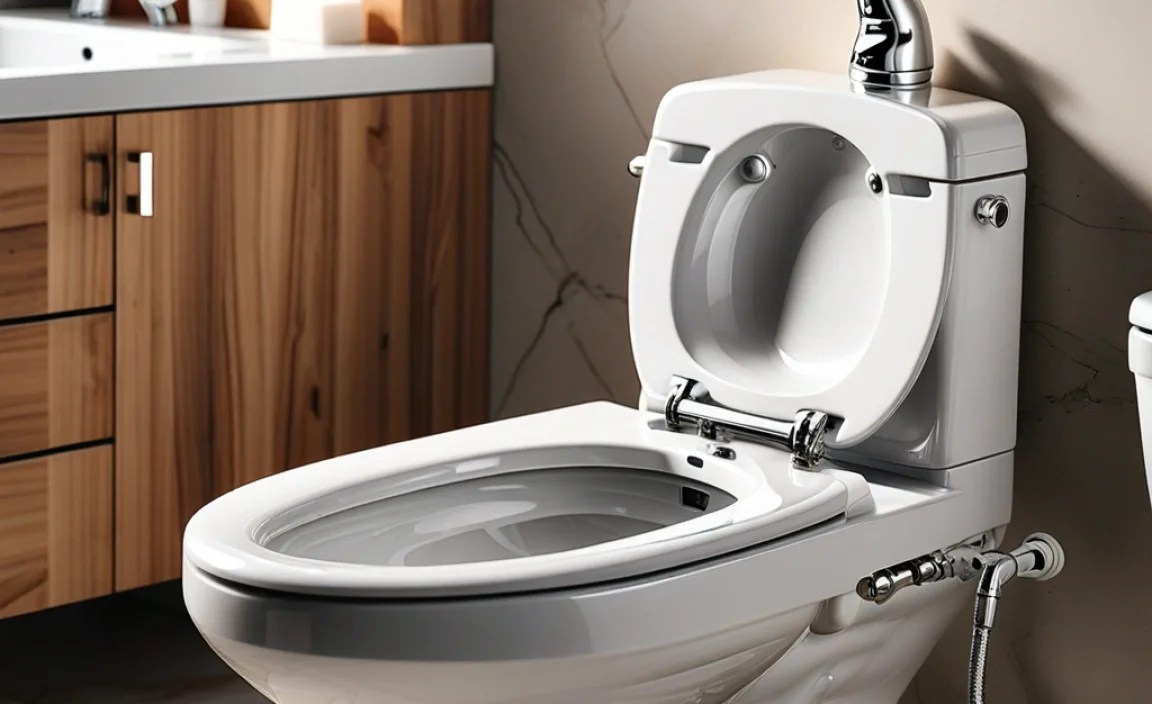
Understanding the different types of bidets is crucial for assessing installation difficulty and making the right choice for your bathroom. Bidets aren’t one-size-fits-all; they range from simple add-ons to luxurious integrated units.
1. Bidet Attachments
These are the most basic and affordable bidet options. They fit underneath your existing toilet seat. Installation usually involves disconnecting the toilet tank’s water supply, attaching a T-valve, and then reconnecting the water line through the bidet attachment.
Installation Difficulty: Easy. Most can be installed in 15-30 minutes with basic tools like a wrench and a screwdriver.
2. Bidet Seats
Replacing your current toilet seat, bidet seats offer more features, including adjustable water pressure, aim, and sometimes warm water. Electric bidet seats add heated water, heated seats, and air dryers.
Installation Difficulty: Easy to Moderate. Non-electric versions install similarly to attachments. Electric versions require a nearby GFCI outlet in addition to the water connections.
3. Bidet Faucets (Standalone)
These are the traditional bidets that stand alone next to the toilet. They have their own faucet and basin and are plumbed into your bathroom’s water system. This is the most involved installation.
Installation Difficulty: Difficult. Requires professional plumbing work to connect water lines and drainage. It also demands significant floor space.
4. Handheld Bidet Sprayers (Shattaf)
These are essentially a spray nozzle attached to a hose, connected to the toilet’s water supply. They offer manual control over aiming and pressure.
Installation Difficulty: Easy. Similar to bidet attachments, involving a T-valve connection. Needs a place to mount the sprayer next to the toilet.
5. Integrated Bidet Toilets
These are high-end, all-in-one units where the bidet functionality is built directly into the toilet itself. They offer the most features but are also the most expensive.
Installation Difficulty: Moderate to Difficult. Installs like a standard toilet but requires a nearby GFCI outlet for electric models. Plumbing is more complex than with seats or attachments.
DIY Bidet Installation: Step-by-Step Guide (for a Bidet Seat/Attachment)
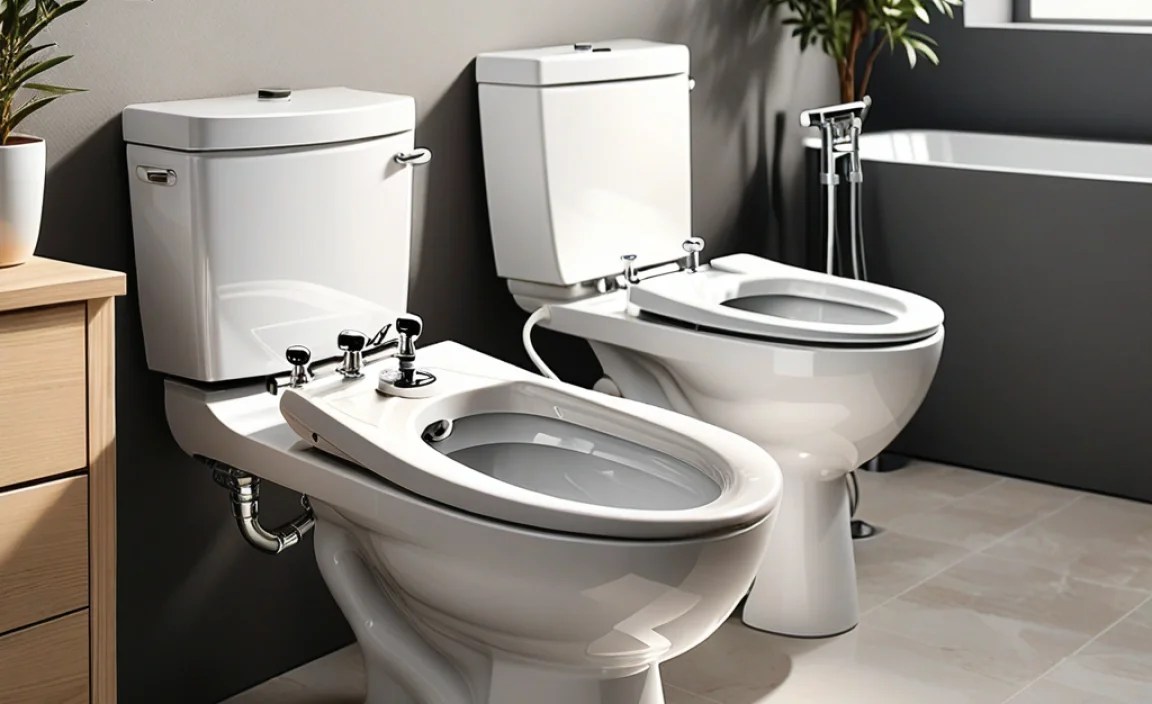
Installing a bidet seat or attachment is a common DIY project that most homeowners can tackle. Here’s a general guide. Always refer to your specific bidet model’s instructions.
Tools and Materials You’ll Likely Need:
- Your new bidet attachment or seat
- Adjustable wrench
- Screwdriver (Phillips head and flathead)
- Plumber’s tape (Teflon tape)
- Bucket or towel (to catch any drips)
- GFCI outlet (if installing an electric bidet and one isn’t readily available)
Step-by-Step Installation:
- Turn off the water supply: Locate the water shut-off valve behind your toilet (usually on the wall or floor). Turn it clockwise until it stops.
- Flush the toilet: Flush the toilet to empty the tank and hold down the handle to drain any remaining water from the tank.
- Disconnect the supply line: Place a bucket or towel under the connection point. Unscrew the water supply hose from the bottom of the toilet tank. Some water may drip out.
- Install the T-valve: Screw the provided T-valve onto the threaded fill valve opening at the bottom of the toilet tank. Ensure the threads are clean. Hand-tighten, then use a wrench for a quarter to a half turn, but don’t overtighten. Wrap plumber’s tape around the threads of both the fill valve and the T-valve if the instructions recommend it.
- Connect the bidet hose: Attach one end of the flexible bidet hose to the outlet on the T-valve. Then, attach the other end of the hose to the inlet on your bidet attachment or seat. Hand-tighten, and then give it a slight snug with a wrench. Again, avoid overtightening.
- Install the bidet seat/attachment:
- For Attachments: Loosen the bolts holding your existing toilet seat. Lift off the old seat. Place the bidet attachment onto the toilet bowl rim, aligning the holes. Reinstall your toilet seat on top of the bidet attachment, securing it with the original bolts or new ones provided.
- For Bidet Seats: Remove the old toilet seat by loosening its mounting bolts. Clean the area. Place the new bidet seat onto the toilet bowl, aligning the mounting holes. Insert the mounting bolts from the top or bottom (depending on the seat design) and secure them with the provided brackets and nuts.
- Turn the water supply back on: Slowly turn the water shut-off valve counter-clockwise. Water will begin to fill the tank.
- Check for leaks: Carefully inspect all connections (T-valve, bidet hose, toilet tank connection) for any signs of leaks. Tighten gently if any leaks are detected.
- Test the bidet: Once the tank is full and there are no leaks, test the bidet’s functions according to its manual. This usually involves pressing a button or lever to activate the water stream.
- For Electric Bidet Seats: Plug the bidet seat into the GFCI outlet. Test its electronic features.
Remember to always consult your specific product manual, as installation steps can vary slightly between manufacturers and models.
Bidet Installation Cost Comparison
The cost of a bidet can vary significantly based on the type and features. Here’s a general breakdown to help you budget:
| Bidet Type | Estimated Cost Range (USD) | Typical Installation DIY? | Notes |
|---|---|---|---|
| Bidet Attachment | $30 – $100 | Yes (Easy) | Most affordable, basic cleaning. |
| Handheld Bidet Sprayer | $30 – $80 | Yes (Easy) | Manual control, versatile. |
| Non-Electric Bidet Seat | $100 – $300 | Yes (Easy) | Replaces seat, more features than attachments. |
| Electric Bidet Seat | $200 – $1000+ | Yes (Moderate) | Heated water, seat, air dryer. Requires GFCI outlet. |
| Standalone Bidet (Plumbed) | $200 – $800+ (fixture only) | No (Professional Plumber Recommended) | Requires dedicated space and plumbing. |
| Integrated Bidet Toilet | $500 – $3000+ | Moderate (Can be DIY if experienced, but often professional) | All-in-one luxury unit, requires GFCI for electric versions. |
Keep in mind that these are estimates. Prices can fluctuate based on brand, features, and sales. Professional installation for plumbed bidets or when adding electrical outlets can add $100 – $500+ to the total cost.
FAQ: Your Bidet Installation Questions Answered
You’ve got questions, and we’ve got answers! Here are some common queries about bidet installation that beginners often have.
Q1: Do I need a plumber to install a bidet?
A: For most bidet attachments and bidet seats (both electric and non-electric), you do not need a plumber. These are designed for easy DIY installation, typically taking less than an hour with basic tools. You would need a plumber for standalone, fully plumbed bidets or if you need to install a new electrical outlet for an electric bidet. Always check your specific model’s installation requirements.
Q2: Can I install a bidet if I have a septic system?
A: Yes, bidets are generally safe for septic systems. In fact, they can be beneficial. By reducing the amount of toilet paper used, you decrease the amount of solid material entering your septic tank, which can help extend the life of your system and reduce the frequency of pumping. Ensure you use only a minimal amount of specialized septic-safe toilet paper if any.
