
Have you ever wondered how to make your home look neat? Caulking can help. It’s a simple tool that seals gaps. Caulking basics, pros and cons can be your guide. Even kids can learn to caulk safely with an adult’s help. Let’s explore how caulking works and why it matters.
Imagine a house without caulking. Wind could whistle through the windows. Water might sneak into walls. Caulking keeps everything snug and tight. It’s like the glue that helps your home stay strong. Are you curious about caulking basics, pros and cons? Read on to find out more!
Key Takeaways
- Caulking seals gaps to prevent drafts and leaks.
- There are different types of caulk for many surfaces.
- Caulking is easy to learn and can save energy.
- Pros include cost savings and better home comfort.
- Learn caulking basics, pros and cons to decide its benefits.
Understanding Caulking Basics
Caulking is about sealing gaps in your home. It helps keep out water, air, and bugs. There are various types, such as silicone and acrylic. Silicone is good for bathrooms. It stays strong even when wet. Acrylic is great for windows and doors. It can be painted over to match your home.
- Protects from water damage.
- Keeps drafts out.
- Prevents insect entry.
- Reduces noise.
- Increases home value.
Did you know that anyone can learn caulking? With some practice, it’s simple. You’ll need a caulking gun and the right type of caulk. Make sure the surface is clean and dry. Then, apply caulk in a steady line. Smooth it with your finger or a tool. It’s like squeezing toothpaste, but more helpful for your home.
Fun Fact: The word “caulk” comes from the Old Northern French “cauquer,” meaning ‘to press down’.
Types of Caulk
What types of caulk are there? Each serves a different need. Silicone caulk is flexible and water-resistant. It’s perfect for bathrooms and kitchens. Acrylic caulk is paintable and best for dry areas. Butyl rubber is strong and great for outdoor use. How do you choose? Consider the area and the conditions.
Caulking Tools You Need
Ever seen a caulking gun? It’s the main tool for caulking. You also need a utility knife to cut the tube open. A caulk smoother helps make everything neat. Do you have a damp cloth? Use it to clean mistakes. With these tools, caulking becomes a simple task. Just take your time, and you’ll get better with practice.
Steps to Caulk Like a Pro
Want to caulk like a pro? First, clean the area. Remove old caulk with a scraper. Next, cut the caulk tube’s tip. Fit it into the caulking gun. Apply caulk in a smooth line. Use your finger or tool to smooth it out. Finally, clean up any extra caulk. It’s simple, but it needs a steady hand to do well.
Pros Of Using Caulk
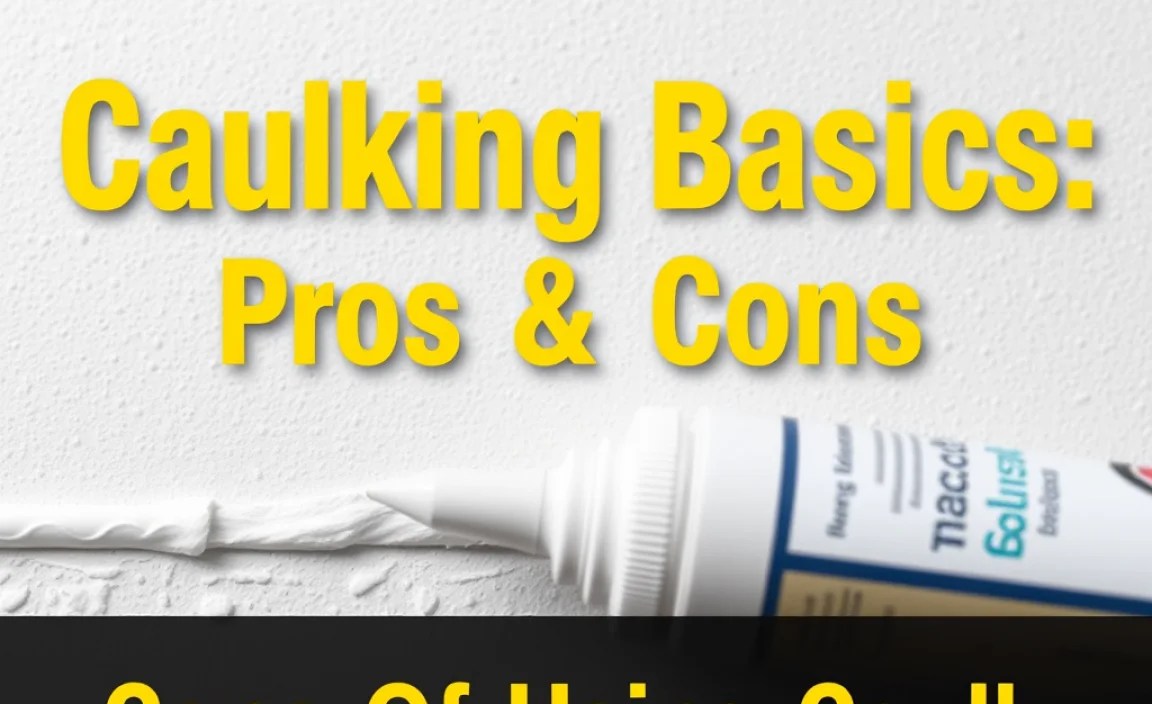
Why use caulk in your home? There are many pros. Firstly, it saves energy. No more drafts, so your home stays warm. It also prevents water damage. Who wants moldy walls or floors? Caulk keeps your house dry. It even stops insects from entering through cracks. Sounds pretty amazing, right?
- Saves on energy bills.
- Prevents moisture damage.
- Keeps pests out.
- Easy to apply.
- Enhances property value.
Adding caulk to your home makes sense. It’s a small task with big benefits. Imagine saving money on energy bills. Or walking into a room without feeling a cold draft. Caulk offers comfort and peace of mind. With regular maintenance, it can last for years. Start with caulking basics, pros and cons, and see the difference.
Fun Fact: Proper caulking can save up to 10% on heating and cooling bills.
Saving Money With Caulk
Did you know caulking can save money? Sealing gaps keeps the cold out. Your heater works less, saving energy. This means lower bills. Have you ever felt a cold breeze inside? Caulking can fix that. It’s a simple job that pays off. You don’t need to be an expert. Just follow the steps and enjoy savings.
Protecting Against Water Damage
Water damage is a big problem. It can ruin walls and floors. But caulk can help. How? By sealing gaps where water might sneak in. Imagine a rainy day. Water tries to find its way inside. With caulk, your house stays dry. It’s like having a raincoat for your home. Don’t wait for a leak. Start caulking today!
Stopping Pests With Caulk
Do you like bugs in your house? Most people don’t. Caulk can keep them out. Tiny gaps are like front doors for insects. By sealing these, pests can’t enter. It’s an easy solution to a big problem. Next time you see a bug, think about caulking. It’s a simple way to keep your home bug-free.
Cons Of Using Caulk
While caulking has many benefits, it does have some drawbacks. First, it requires regular maintenance. Over time, caulk can crack or peel. You need to replace it. Another con is that not all caulk is paintable. So, it might not match your decor. Also, applying caulk takes practice. It can be tricky to get a neat finish.
- Needs regular upkeep.
- Can crack or peel.
- Some types are not paintable.
- Requires practice to apply neatly.
- Initial cost for tools and materials.
Caulking isn’t perfect. It’s important to understand the cons too. While it saves energy, it takes time to apply and maintain. Some caulks don’t blend well with certain paints. This might affect your home’s look. Remember, practice makes perfect. As you learn caulking basics, pros and cons, you’ll get better results.
Fun Fact: The earliest caulks were made from natural materials like wax and clay.
Maintaining Caulked Areas
After you caulk, maintenance is key. Check your caulked areas regularly. Look for cracks or peeling. These need fixing to keep your home safe. How often should you check? Once or twice a year is good. Keeping an eye on caulk saves trouble later. Remember, small repairs now prevent big problems later.
Choosing The Right Caulk
There are many types of caulk. Which should you choose? Focus on your needs. Silicone for wet areas, acrylic for dry. Butyl rubber for outside. Each has its pros and cons. Always read labels. They tell you where and how to use them. Picking the right caulk makes your job easier. It ensures the best results.
Practicing Caulk Application
Applying caulk takes practice. Ever tried drawing a straight line? Caulking is similar. Take your time. Perfect practice makes perfect. Start with small projects. As you gain confidence, tackle bigger ones. Don’t worry about mistakes. Everyone makes them. Just learn from them and keep improving.
Comparing Different Caulk Types
Not all caulks are the same. They serve different purposes. Silicone is flexible and resists water. Acrylic is paintable and easy to clean. Butyl is tough for outdoor use. Each has strengths and weaknesses. Knowing these helps you choose the right one. Let’s compare them in a table for clarity.
| Type | Best Use | Paintability | Water Resistance |
|---|---|---|---|
| Silicone | Bathrooms, Kitchens | No | High |
| Acrylic | Windows, Doors | Yes | Low |
| Butyl | Outdoor | No | Medium |
| Polyurethane | Floors | Yes | Medium |
- Silicone is water-resistant.
- Acrylic is paintable.
- Butyl is strong for outdoors.
- Polyurethane is good for floors.
- Each has pros and cons.
Choosing the right caulk matters. It affects how well the caulk works. Silicone might be best for bathrooms. Acrylic might be needed for windows. This table helps you decide. With the right choice, your caulking project will succeed. Understand caulking basics, pros and cons for the best results.
Fun Fact: Silicone caulk can last up to 20 years if applied correctly.
When To Use Silicone
Silicone caulk is great for bathrooms and kitchens. Why? It resists water. Imagine a shower leaking into the walls. Silicone stops that. It’s flexible too. This helps it last despite water and heat. Remember, it can’t be painted. So, use it where looks don’t matter. Silicone is strong, lasting, and perfect for wet spots.
When To Use Acrylic
Acrylic caulk shines in dry areas. It’s paintable, blending with surroundings. Picture a window frame needing caulk. Acrylic does the job. It’s easy to apply and clean. Though not water-resistant, it’s perfect for indoor use. Acrylic is versatile and user-friendly. It offers a neat finish wherever you need it.
When To Use Butyl
Butyl caulk is tough. It’s ideal for outdoor use. Think about sealing a shed or fence. Butyl handles the weather well. It’s strong and durable. While not paintable, it doesn’t need to be. Its main job is protection. Butyl is your go-to for tough outdoor tasks. It stands up to the elements.
Conclusion
Caulking is a useful skill for your home. Learning caulking basics, pros and cons helps you decide if it’s right for you. It can prevent drafts and save energy. While it needs practice, the benefits are worth it. So, get started with caulking and enjoy a more comfortable home.
FAQs
Question: What are caulking basics, pros and cons?
Answer: Caulking basics involve sealing gaps to prevent drafts and leaks. Pros include saving energy and protecting against water damage. Cons involve regular maintenance and the need for practice to apply correctly. Understanding these helps you decide if caulking is right for your home.
Question: How often should I check caulked areas?
Answer: Check caulked areas once or twice a year. Look for cracks or peeling. Regular checks prevent bigger problems. Maintaining caulked areas ensures they work effectively. Regular upkeep is key to enjoying the benefits of caulking.
Question: Why is choosing the right caulk important?
Answer: Choosing the right caulk is crucial for best results. Different caulks serve different needs. Silicone is great for wet areas, while acrylic is better for dry, paintable surfaces. Butyl is strong for outdoor use. Picking the right type ensures your project is successful and long-lasting.
Question: What tools do I need for caulking?
Answer: You need a caulking gun, a utility knife, a caulk smoother, and a damp cloth. These tools help apply caulk neatly and clean up any mistakes. With the right tools, caulking becomes easier and more effective.
Question: Can I paint all types of caulk?
Answer: Not all caulk is paintable. Acrylic caulk can be painted, making it suitable for many indoor applications. Silicone caulk, however, cannot be painted. It’s best used in areas where looks don’t matter, like bathrooms and kitchens.
Question: How does caulking save energy?
Answer: Caulking seals gaps, preventing drafts. This keeps homes warm in winter and cool in summer. By stopping air leaks, heating and cooling systems work less, saving energy and reducing bills. Learning caulking basics, pros and cons helps maximize these benefits.
