
Can’t understand cistern terms? This beginner-friendly glossary breaks down essential cistern vocabulary, making it easy to learn about water storage systems and maintenance. Master your cistern with clear explanations and helpful tips for homeowners.
Understanding your home’s water system can sometimes feel like learning a new language, especially when it involves specialized equipment like a cistern. If you’ve ever faced a cistern issue or are considering one, you’ve likely encountered terms that sound like a foreign tongue. Don’t worry! It’s normal to feel a bit lost at first. This guide is here to demystify all those plumbing and storage terms.
We’ll walk you through the most common cistern jargon in a way that’s easy to grasp, even if you’ve never even seen a cistern before. Our goal is to make you feel confident and informed about your water storage. Get ready to understand your cistern like a pro!
Understanding Cistern Essentials: Your Glossary
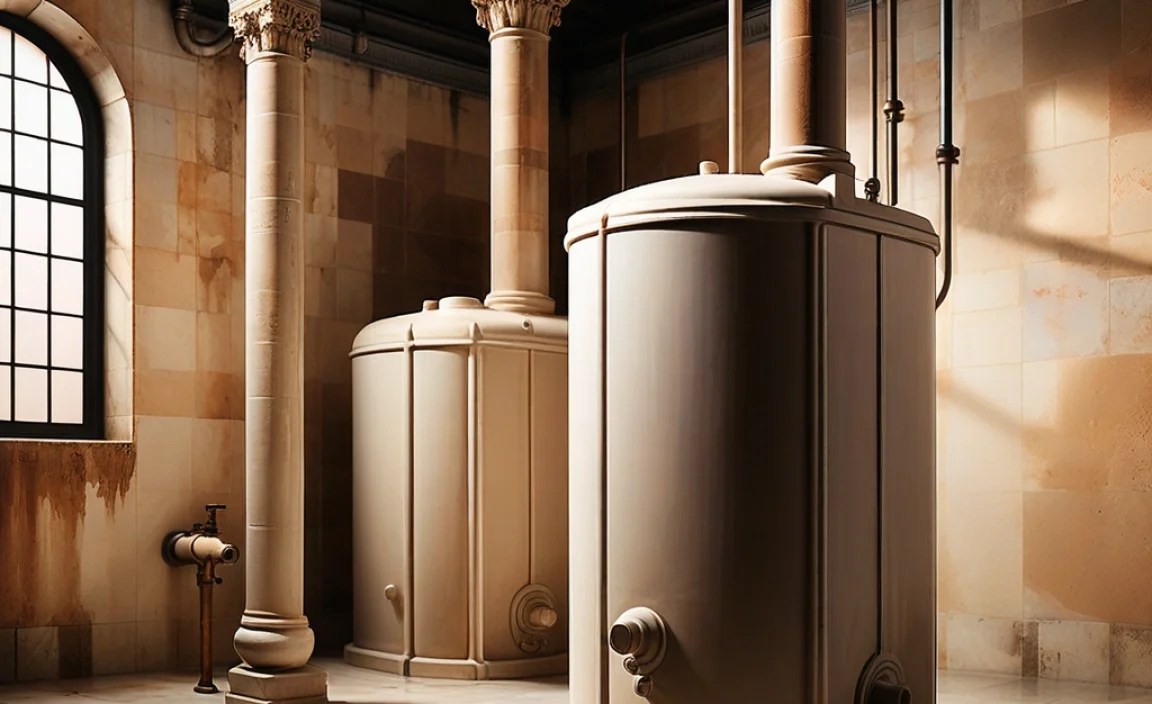
Welcome to the world of cisterns! These smart systems capture and store water, offering a sustainable and often cost-effective solution for various household needs. But before you can harness their power, you need to know the lingo. This glossary is your roadmap to understanding cistern components, functions, and common terms. Let’s dive in!
The Basics: What Makes a Cistern Work
At its heart, a cistern is a water storage vessel. But a functional system involves several interconnected parts working together. Understanding these core components is your first step to mastering cistern operations.
Cistern
A container or tank used to store water. Cisterns can be made from various materials like concrete, fiberglass, plastic, or metal and can be located above ground, underground, or integrated into a building’s structure.
Water Storage System
This is the overall setup designed to collect, store, and distribute water. A cistern is a key component of a water storage system.
Water Collection
The process of gathering water, most commonly rainwater, from surfaces like roofs. This collected water is then typically channeled towards the cistern.
Water Distribution
The process of supplying stored water from the cistern to where it’s needed, such as toilets, garden taps, or washing machines. This often involves a pump and plumbing connections.
Key Cistern Components and Features
Every cistern system has specific parts that enable its function. Knowing what each part does will help you understand how your system operates and what to look for during maintenance.
Inlet
The pipe or opening where water enters the cistern. For rainwater harvesting systems, this is where water from your roof gutters usually flows in.
Outlet
The pipe or opening where water leaves the cistern to be used. This is connected to your home’s plumbing or a specific watering system.
Overflow Pipe
A safety feature. When the cistern is full, excess water exits through this pipe, preventing the tank from bursting or flooding the surrounding area. It’s often routed to a drainage system or a suitable area away from your foundation.
Vent
An opening that allows air to enter or exit the cistern. This is crucial for proper flow; without it, air pressure can prevent water from entering or exiting smoothly.
Access Hatch/Manhole
A removable cover that allows you to inspect, clean, or service the inside of the cistern. It’s important this is kept securely closed to prevent contamination.
Sediment Collection Zone
Many cisterns are designed with a lower area where sediment and debris naturally settle. This helps keep the water in the upper portion cleaner. Regular cleaning of this zone is vital.
Filter
A device that removes impurities, debris, or sediment from the water. Filters can be placed at the inlet, within the cistern, or before the water reaches its point of use.
Pump
If the cistern is below the point of use or if pressure is needed, a pump is used to move water from the cistern to where it’s required. Submersible pumps are placed inside the cistern, while external pumps are located outside.
Float Valve / Level Sensor
These devices monitor the water level in the cistern. A float valve can control the inflow of water, while a level sensor can signal when the level is low or high, often informing an automated system.
Water Level Indicator
A gauge or display that shows how much water is currently in the cistern. This helps you manage your water usage.
Types of Cisterns and Materials
Cisterns come in various forms and are constructed from different materials, each with its own advantages. Understanding these options can help you identify what you have or what might be best for your needs.
Underground Cistern
A cistern buried beneath the ground. This is common for saving space, maintaining a consistent water temperature, and protecting the tank from sunlight (which can encourage algae growth). They often require professional installation.
Above-Ground Cistern
A cistern that sits on the surface. These are typically easier to access for maintenance and repair.
Concrete Cistern
Durable and long-lasting, concrete cisterns are a traditional choice, often built in place or as pre-cast sections. They are strong and can be constructed to large capacities.
Fiberglass Cistern
Lightweight, corrosion-resistant, and relatively easy to install, fiberglass tanks are a popular modern option. They are strong and don’t leach chemicals into the water.
Plastic/Polyethylene Cistern
Affordable and widely available, these are often used for smaller-scale rainwater harvesting. They are UV-resistant if treated and are lighter than concrete or fiberglass.
Metal Cistern
Galvanized steel or stainless steel tanks are also used. They are strong but can be prone to rust if not properly maintained or if the coating is damaged.
Cistern Operation and Concepts
Beyond the physical parts, certain processes and concepts are central to how cisterns function and are integrated into your home.
Rainwater Harvesting
The practice of collecting rainfall, usually from roofs, and channeling it for storage in a cistern. This is a key method for filling cisterns for sustainable water use. Find out more about the principles from the EPA’s WaterSense program on rainwater conservation.
First Flush Diverter
A device that diverts the initial, dirtiest water from a roof during a rainfall away from the cistern. This collected “first flush” often contains leaves, dust, and debris from the roof surface. Diverting it helps keep the stored water cleaner.
Cistern Cleaning
The process of removing accumulated sediment, sludge, and debris from inside the cistern. This is essential for maintaining water quality and extending the life of the cistern and its components. It typically involves emptying the tank, scrubbing the interior, and rinsing.
Water Filtration
Using various filter media to remove suspended solids, organic matter, and other contaminants from the stored water. Different stages of filtration (e.g., sediment filters, carbon filters) can be employed.
Water Treatment
Processes used to make stored water safe for a specific purpose, especially if intended for potable use. This can include UV sterilization, chlorination, or other methods to kill bacteria and viruses.
Potable Water
Water that is safe to drink and use for cooking and other domestic purposes. While cisterns can store potable water, achieving and maintaining this standard requires rigorous filtration, treatment, and regular testing.
Non-Potable Water
Water that is not safe for drinking or cooking. Cistern water, especially rainwater not treated to drinking standards, is often classified as non-potable and is suitable for gardening, toilet flushing, and laundry.
Siphon
A principle of fluid dynamics where liquid is transferred over a barrier without the need for a pump, using atmospheric pressure. While less common for bulk distribution, siphon principles can be involved in some water transfer systems.
Pressure Tank
Often used in conjunction with a cistern and pump system. The pressure tank stores water under pressure, which helps to regulate the pump’s operation, reduce its cycling, and provide consistent water pressure to the outlets.
Common Cistern Problems and Solutions
Even well-maintained cisterns can encounter issues. Knowing the common problems and their related terms will help you troubleshoot effectively.
Sediment Buildup
An accumulation of dirt, silt, leaves, and other particles at the bottom of the cistern. This occurs over time and can affect water quality and storage capacity. Regular cleaning is the primary solution.
Algae Growth
Green or slimy growth that can form in cisterns exposed to sunlight. Algae can affect water taste and odor. Solutions include ensuring the cistern is light-proof (especially underground tanks) and using filters.
Contamination
The presence of harmful bacteria, viruses, chemicals, or debris in the cistern water, making it unsafe. Sources can include animal droppings, insects, damaged seals, or improper cover seals. Regular inspection and water testing are key.
Leaks
Cracks or breaches in the cistern walls, pipes, or seals that allow water to escape or unwanted water/contaminants to enter. Inspecting for damp spots or unusual water level drops can indicate leaks.
Clogged Filters
When filters become saturated with debris, they reduce water flow and can become ineffective. Regular filter inspection and replacement are necessary. Learn more about water filtration from resources like the Water Quality Association.
Maintenance and Safety Terms
Keeping your cistern running safely and efficiently involves a few key terms related to upkeep and protective measures.
Cistern Inspection
A routine check of the cistern and its components for any signs of damage, leaks, sediment buildup, or contamination. This is a crucial part of preventative maintenance.
Water Testing
Analyzing a sample of water from the cistern to check for the presence of bacteria, chemicals, or other contaminants. This is especially important if the water is intended for potable use.
Disinfection
A process to kill harmful microorganisms in the water, often done after cleaning or if contamination is suspected. Methods can include chlorination or UV treatment.
Backflow Prevention
Measures taken to prevent stored water from flowing backward into the main municipal water supply, which could contaminate the public system. Most plumbing codes require this when a private water source is connected to a public one.
A Quick Look at Cistern Capacity and Common Uses
Cisterns vary greatly in size and what they’re best suited for. Here’s a table to give you a general idea:
| Cistern Style/Size | Typical Capacity | Common Uses | Material Examples |
|---|---|---|---|
| Small Garden Cistern | 50-250 Gallons | Watering small gardens, individual plant beds. | Upcycled barrels, small plastic tanks. |
| Residential Rainwater Cistern | 250-5,000 Gallons | Toilet flushing, garden irrigation, laundry. | Polyethylene, Fiberglass, small concrete. |
| Large Household/Farm Cistern | 5,000-50,000+ Gallons | Supplementing whole-house water supply, emergency backup, large-scale irrigation. | Large concrete tanks, large fiberglass/steel tanks. |
Essential Tools for Cistern Maintenance
While you might not need a full professional toolkit, a few key items can make cistern maintenance tasks manageable and safe.
- Wrench Set: For tightening or loosening pipe fittings.
- Hose and Nozzle: For rinsing the cistern interior during cleaning.
- Scrub Brush or Squeegee with Extension Pole: To agitate and remove sediment from tank walls.
- Bucket: For collecting debris or water samples.
- Safety Gloves and Goggles: To protect yourself from dirt, chemicals, and splashes.
- Ladder: If accessing an above-ground cistern or manhole. Ensure it’s stable!
- Water Testing Kit: For simple, at-home water quality checks.
- Water Pump (Submersible): For efficiently draining the cistern if needed.
Putting It All Together: From Term to Task
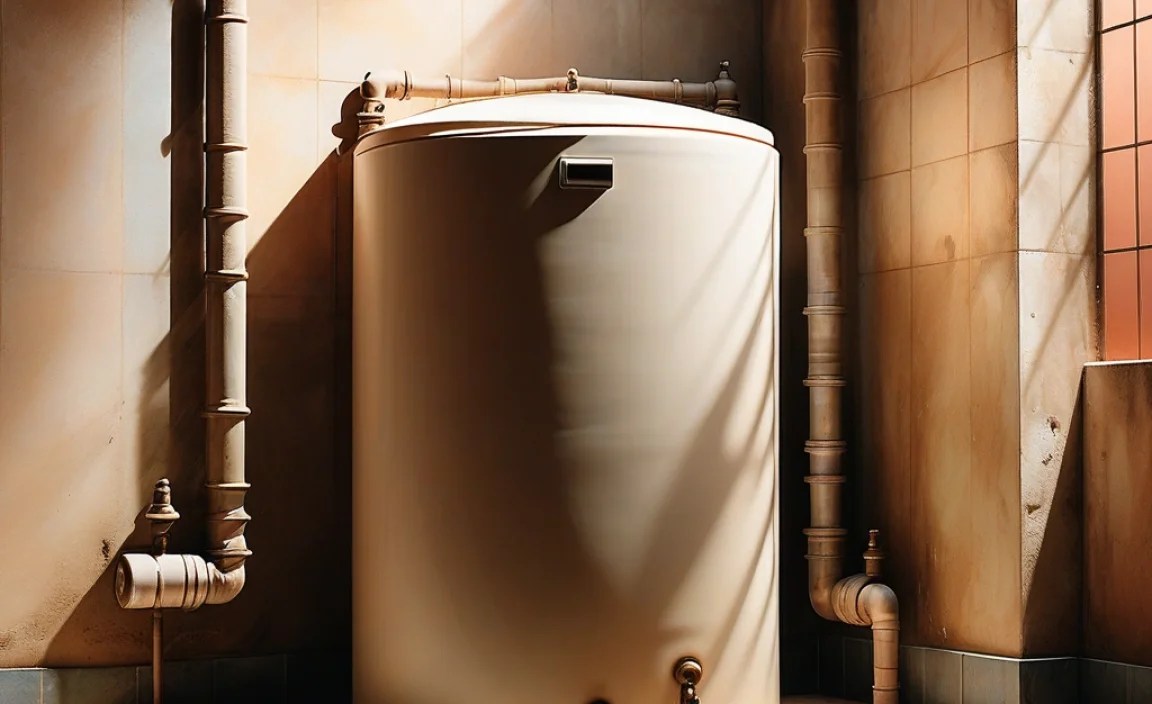

Now that you’re familiar with the lingo, let’s connect these terms to real-world scenarios. Imagine you notice your toilet isn’t flushing very strongly. You might suspect a water flow issue from your cistern.
First, you’d check the water level in your cistern. If it’s low, you’d look at your inlet to see if rainwater (if it’s a rainwater harvesting system) is flowing from the gutters and through the first flush diverter. If the water level is fine, you’d check the outlet.
Frequently Asked Questions About Cisterns
What exactly is a cistern?
A cistern is a tank or container used for storing water. It can hold rainwater, well water, or even municipal water for later use, often for non-potable purposes like flushing toilets or irrigating gardens.
Is a cistern the same as a water tank?
While often used interchangeably, a cistern typically refers to a storage container designed to hold a large volume of water, often underground or integrated into a building’s structure. A water tank can be any container for water, including smaller, above-ground units.
What are the common uses for a cistern?
Common uses include rainwater harvesting for landscape irrigation, supplementing toilet flushing, and emergency water supply. In some regions, cisterns are essential for providing water where municipal supply is unreliable or unavailable.
Are cisterns safe for drinking water?
Cisterns can store potable water if properly designed, maintained, and sealed to prevent contamination. However, without strict water quality monitoring and treatment, stored water is generally considered non-potable and best used for other purposes.
How do I maintain a cistern?
Maintenance typically involves regular inspections for leaks, sediment buildup, and water quality. Periodic cleaning and a check of filtration systems are crucial to ensure water purity and system efficiency.
What is rainwater harvesting?
Rainwater harvesting is the process of collecting and storing rainwater, usually from rooftops, for later use. This collected water can then be directed into a cistern.
Can a cistern help reduce my water bill?
Yes, by using collected rainwater for non-potable uses like garden watering and toilet flushing, you can significantly reduce your reliance on treated municipal water, leading to lower water bills.
