
Have you ever faced a clogged toilet? It’s frustrating, right? A simple trip to the bathroom can turn into chaos. But don’t worry! The clogged toilet plunger technique is the hero we need.
Imagine this: You’re rushing, and suddenly, the toilet won’t flush. What do you do? Panic won’t help, but knowing how to use a plunger can! This handy tool can save the day, but you have to know the right way to use it.
Did you know that the right plunger technique can fix your toilet in minutes? Yes, it’s true! With just a few simple steps, you can become an expert. Let’s dive into the world of plunging and make your bathroom visits stress-free again!
Mastering The Clogged Toilet Plunger Technique For Success


Clogged Toilet Plunger Technique

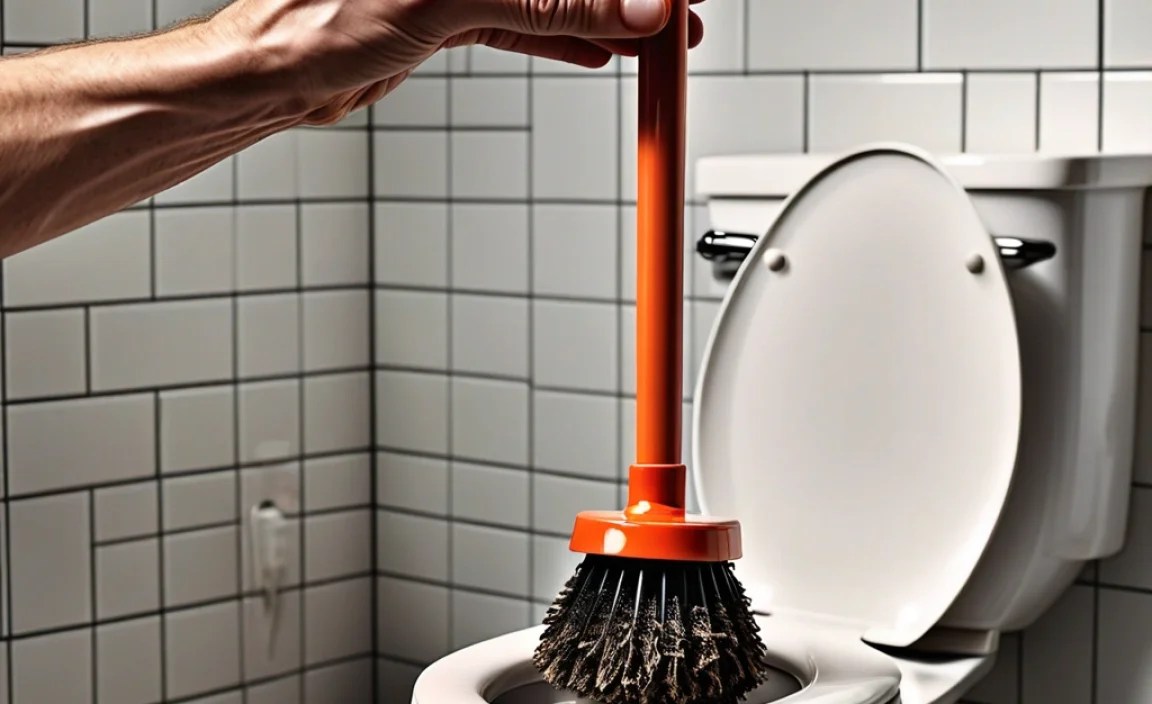
Facing a clogged toilet can be frustrating. Did you know the right plunger technique can save the day? First, choose a flange plunger for the best seal. Insert it deep into the toilet and push down gently, then pull up quickly. This creates suction to dislodge the blockage. Repeat until the water drains. Remember, patience is key! With this simple technique, you can tackle clogs like a pro, turning a messy situation into a quick fix.
Understanding How a Toilet Gets Clogged

Common causes of toilet clogs. Signs that indicate a clog is forming.
Many factors can cause a toilet to clog. Common reasons include flushing too much toilet paper, diapers, or foreign objects. Hair and soap scum can also build up over time. Signs of a clog beginning to form include slow drainage and gurgling sounds. If you notice these signs early, you can prevent a bigger issue.
What are common causes of toilet clogs?
Common causes of toilet clogs include:
- Excessive toilet paper
- Foreign objects
- Diapers or wipes
- Hair and soap buildup
What signs indicate a clog is forming?
Signs of an upcoming clog are:
- Slow draining water
- Gurgling noises
Choosing the Right Plunger

Differences between a flange plunger and a cup plunger. Tips for selecting a quality plunger.
Not all plungers are the same. Two popular types are the flange plunger and the cup plunger. The flange plunger has a soft rubber flap at the end. This flap helps seal better in toilet drains. The cup plunger is simple, with a rounded rubber end, great for sinks and tubs.
When choosing a quality plunger, look for:
- Durability: Strong materials last longer.
- Comfort: A sturdy handle makes plunging easier.
- Size: Ensure it fits your needs.
What is the best type of plunger for toilets?
The best type for toilets is a flange plunger. It seals better and clears clogs more effectively.
Choose wisely to make your plumbing tasks easier. The right plunger can save you time and frustration!
Preparing to Use the Plunger
Gathering necessary tools and materials. Proper attire and safety precautions.
Before tackling a clogged toilet, gather everything you’ll need. You’ll need a good-quality plunger and safety gloves. Consider wearing old clothes, just in case. Make sure to cover your floor with a towel or mat to catch spills.
- Tools: Plunger, safety gloves
- Attire: Old clothes, protective wear
- Precautions: Towel or mat on the floor
Your safety is important. This preparation will help you work more easily and keep your space clean.
What should I wear while plunging a toilet?
Wear old clothes that you don’t mind getting dirty and protective gloves to keep your hands clean.
Step-by-Step Guide to the Plunger Technique
The initial positioning and grip of the plunger. The correct pumping motion for maximum effectiveness.
Start with your plunger positioned right over the toilet hole. Make sure to grip the handle firmly; it shouldn’t go flying off like a rocket! Now, dip the rubber end into the water for a good seal. This helps create suction. With the right stance—feet shoulder-width apart—give those handles a good up-and-down pump. Think of it like a mini workout; get your heart rate going! Aim for about 10 to 15 pumps. You’ll be flushing success shortly!
| Step | Action |
|---|---|
| 1 | Position the plunger |
| 2 | Grip it tight |
| 3 | Pump with rhythm |
Additional Techniques for Stubborn Clogs
Utilizing hot water and dish soap in conjunction. How to use a closet auger if plunging fails.
Have you ever faced a stubborn clog? Sometimes, plunging doesn’t work. Try using hot water and dish soap first. Pour hot water down the toilet and add some soap. This helps to break down the blockage. If that doesn’t work, grab a closet auger. It’s a handy tool that pushes the clog away. Here’s how to use it:
- Insert the auger into the toilet bowl.
- Crank the handle clockwise.
- Keep pushing until you feel resistance.
- Pull it out and clean the tool.
These methods are simple and can save you time and trouble!
What is the best way to clear tough toilet clogs?
The best way to clear tough clogs is to use hot water and dish soap first. If that fails, use a closet auger for better results.
Preventative Measures for Future Clogs
Tips for maintaining toilet health. Items to avoid flushing down the toilet.
To keep your toilet happy and healthy, avoid flushing anything that isn’t biodegradable. Think of your toilet as a picky eater; it prefers only what it can digest! Some sneaky items to skip include paper towels, feminine hygiene products, and toys—yes, even the rubber duck! Regular check-ups and a friendly toilet scrub can help too. Here are some tips:
| Safe to Flush | Not Safe to Flush |
|---|---|
| Toilet paper | Paper towels |
| Human waste | Wipes (even those labeled “flushable”) |
| Biodegradable items | Food scraps |
Remember: a well-maintained toilet is a happy toilet. And a happy toilet means fewer plunger workouts!
When to Call a Professional Plumber
Indications that a clog is beyond DIY solutions. Pros and cons of hiring a plumber for severe issues.
Sometimes, a clog is too tough for home tools. Watch for these signs that you may need help:
- Water drains very slowly.
- Repeated clogs happen often.
- Bad smells linger around.
Hiring a plumber can have its ups and downs:
- Pros: They can find tough clogs and fix them fast.
- Cons: Repairs might cost more money.
Knowing when to call a pro can save time. A skilled plumber can solve stubborn problems that tools can’t. Don’t hesitate if you feel stuck!
When should I call a plumber for a clogged toilet?
Call a plumber if you’ve tried a plunger and it didn’t work, or if the toilet keeps backing up. They have better tools and training for tough problems.
Conclusion
In summary, mastering the clogged toilet plunger technique helps you clear blockages quickly. Remember to use a good-quality plunger, create a strong seal, and push firmly. When done right, you can fix your toilet easily. We encourage you to practice this technique at home. For more tips, check out articles on toilet maintenance and plumbing basics!
FAQs
What Is The Most Effective Technique For Using A Plunger On A Clogged Toilet?
To use a plunger on a clogged toilet, first, make sure you have a good toilet plunger. Next, put the plunger into the toilet bowl, covering the hole completely. Push down gently at first, then pull up quickly. Repeat this a few times. If you see water going down, you did it!
How Do You Properly Position A Plunger To Ensure Maximum Suction And Effectiveness?
To use a plunger the right way, you should first make sure the cup is completely covering the drain. Press down gently at first to push out air. Then, pull up quickly to create a strong suction. Make sure to keep the seal tight around the drain. Repeat this a few times until the clog is gone!
Are There Different Types Of Plungers, And Which One Is Best For Unclogging Toilets?
Yes, there are different types of plungers! The best kind for unclogging toilets is a flange plunger. It has a special rubber part that fits into the toilet’s drain. This helps create a good seal and pushes harder to clear the blockage. You will find it easier to use than other types.
What Common Mistakes Should Be Avoided When Using A Plunger On A Clogged Toilet?
When you use a plunger, don’t forget to get the right type. A flange plunger works best for toilets. Make sure there’s enough water in the bowl to cover the rubber part of the plunger. Push down hard and pull up quickly to create a strong seal. Finally, avoid using too much force, or you might splash water everywhere!
How Can You Tell If The Clog Is Too Severe For A Plunger And May Require Professional Assistance?
You can tell a clog is too severe for a plunger if water doesn’t go down at all. If you used the plunger a lot and it still doesn’t work, it might be time for help. Also, if you see water overflowing, that’s a sign it’s serious. If you smell bad odors from the drain, call a professional.
