
A bathtub is a large, deep basin designed for bathing, while alternatives offer various ways to get clean, often prioritizing space, speed, or accessibility. Understanding these definitions helps you choose the best option for your home and needs.
A sparkling clean feeling is a wonderful way to start or end your day. For many, the image of a relaxing soak comes to mind with the word “bathtub.” But what exactly defines a bathtub, and what happens if you don’t have one, or if it’s not the right fit for your lifestyle? You might be surprised by the variety of bathing options available beyond the traditional tub. We’re here to break down the specifics in simple terms, making it easy for you to understand the difference between a bathtub and its many alternatives. Get ready to explore your choices and find the perfect solution for your bathroom needs!
Defining the Bathtub
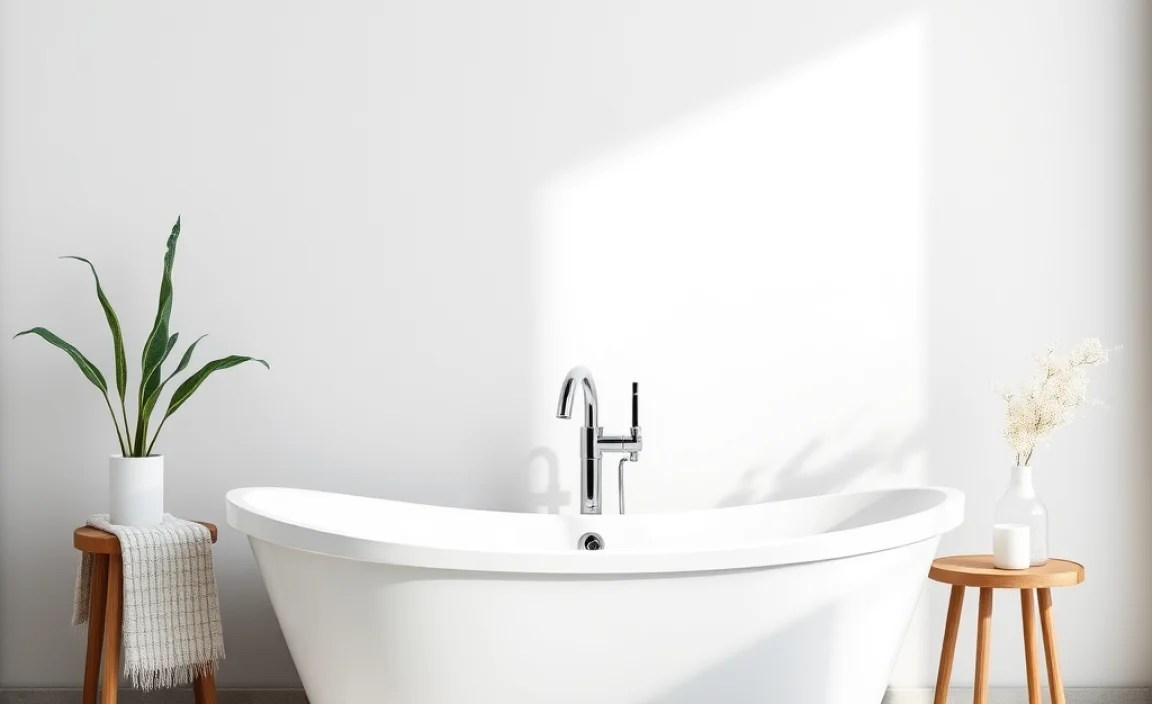
At its core, a bathtub is a receptacle, usually fixed in a bathroom, designed to hold enough water for a person to bathe in while sitting or reclining. They are a staple in many homes, offering a space for relaxation and a thorough clean.
What Makes a Bathtub a Bathtub?
Several key features distinguish a bathtub:
- Shape and Size: Bathtubs are typically rectangular, oval, or sometimes corner-shaped, but they are always large enough to allow a person to sit down comfortably.
- Depth: They are designed to hold a significant volume of water, allowing for immersion.
- Material: Common materials include acrylic, porcelain-enameled cast iron, fiberglass, and sometimes stone or copper for a more luxurious feel.
- Plumbing: They require a water supply (hot and cold) and a drain system to remove used water.
- Purpose: Primarily for bathing and soaking, often associated with relaxation and therapeutic benefits.
Common Bathtub Types
While the basic definition holds, bathtubs come in various styles:
- Alcove Bathtub: The most common type, built into a three-walled recess. They usually have a shower head or shower enclosure.
- Drop-in Bathtub: Installed into a deck or frame, often seen in larger bathrooms or as a more integrated look.
- Freestanding Bathtub: Stands alone, making it a focal point in the bathroom. These can be placed anywhere with proper plumbing access.
- Corner Bathtub: Designed to fit snugly into a corner, often larger and deeper than alcove tubs, providing a spa-like feel.
- Soaking Tub: Deeper than standard tubs, designed purely for soaking, not typically for showering.
- Whirlpool or Jetted Tub: Features jets that circulate water, offering a massage-like experience.
What Are Bathtub Alternatives?

Bathtub alternatives are bathing solutions that don’t involve a traditional, deep basin designed for reclining immersion. These options often serve different needs, such as saving space, promoting independence, or facilitating quicker clean-ups.
Why Consider a Bathtub Alternative?
There are many reasons why a bathtub alternative might be a better choice:
- Space Constraints: Smaller bathrooms might not accommodate a standard tub comfortably.
- Accessibility Needs: For individuals with mobility issues, stepping into a deep tub can be challenging and unsafe.
- Time Efficiency: A quick shower is often preferred when time is limited.
- Water Conservation: Showers generally use less water than a full bath.
- Cost: Some alternatives can be more budget-friendly to install or renovate with.
- Personal Preference: Some people simply prefer showering over bathing.
The Most Common Bathtub Alternative: The Shower

The shower is by far the most prevalent alternative to a bathtub, and it offers its own range of styles and benefits.
Understanding Shower Enclosures
A shower typically involves a dedicated space with a shower head and a drainage system. They can be integrated into a bathtub unit or be a standalone fixture.
- Standard Shower Stall: This is a self-contained unit, often a cubicle with walls and a door, designed specifically for showering.
- Walk-in Shower: These are designed with minimal or no threshold, making them incredibly accessible. They often feature a tiled base with a linear drain.
- Shower-Tub Combo: This is when a bathtub has a shower head installed above it, allowing you to either fill the tub or use it as a shower. This is the most common setup in many homes.
Shower Features to Consider
When opting for a shower, think about these elements:
- Shower Heads: From basic fixed heads to luxurious rain shower heads and adjustable handheld options, the shower head significantly impacts the experience.
- Controls: Simple knobs or more advanced thermostatic controls that maintain a precise water temperature.
- Enclosures: Glass doors (framed or frameless), curtains, or even open-concept designs with careful tiling to direct water.
- Drainage: Standard floor drains or sleek linear drains, which are often preferred for modern aesthetics and accessibility.
Beyond the Shower: Other Bathtub Alternatives

While showers are the primary alternative, other solutions cater to specific needs and preferences.
1. The Wet Room
A wet room is an entirely waterproofed bathroom space where the whole area, or a significant portion of it, is designed to get wet.
- Definition: Unlike a standard bathroom with a shower enclosure, a wet room is constructed with waterproof materials and features a shower area that is not separated by a screen or door. The floor is usually sloped towards a central drain.
- Pros:
- Excellent for accessibility, especially for those using wheelchairs or with limited mobility.
- Creates a spacious, minimalist look.
- Easy to clean as there are fewer nooks and crannies.
- Ideal for small or awkwardly shaped bathrooms.
- Cons:
- Requires professional waterproofing to prevent leaks, which can be costly.
- The entire bathroom can become damp after showering if ventilation is poor.
- Less privacy if the entire bathroom is open.
- Best For: Modern renovations, accessible bathrooms, small spaces, and those seeking a spa-like, open feel.
For a deeper dive into wet room design and functionality, resources like Build.co.uk offer comprehensive guides on construction and materials.
2. The Japanese Ofuro (Soaking Tub)
While a Japanese ofuro is technically a type of bathtub, its design and intended use set it apart from Western bathtubs. It’s a deep, often wooden tub designed for soaking and ritualistic cleansing before bathing.
- Definition: The ofuro is a deep, narrow soaking tub, traditionally made of wood (like hinoki cypress), where bathers sit upright. Cleansing is usually done by washing the body outside the tub first, then entering the ofuro to soak.
- Pros:
- Promotes deep relaxation and mindfulness.
- Uses less water than a standard Western tub due to its smaller size and upright seating.
- The wooden material offers a natural, aromatic, and warm bathing experience.
- Can be a beautiful, artisanal addition to a bathroom.
- Cons:
- Requires a specific ritual of washing before entering the tub, as the water is often reused for multiple household members.
- Higher cost due to specialized materials and craftsmanship.
- Requires careful maintenance to prevent mold and preserve the wood.
- Not suitable for showering within the tub itself.
- Best For: Those seeking a traditional, meditative bathing experience and who appreciate natural materials.
3. The Shower System with a Low-Profile Base
This isn’t just a standard shower; it’s about advanced shower systems that focus on a luxurious, efficient showering experience without a high threshold.
- Definition: This involves a tiled shower floor with a very low or flush-mounted shower base and a sophisticated shower head system. Think of a high-end walk-in shower.
- Pros:
- Highly accessible and safe, with minimal tripping hazards.
- Modern and sleek aesthetic.
- Customizable to fit any bathroom space.
- Can incorporate features like thermostatic controls, multiple shower heads, and steam functions.
- Cons:
- Requires proper waterproofing and a sloped floor, demanding skilled installation.
- May require a wall or a partial glass screen to prevent water splashing.
- Can be more expensive than a basic shower stall.
- Best For: Homeowners looking to update their bathroom with modern, accessible, and spa-like features.
4. The Bidet Shower/Handheld Bidet Sprayer
While not a primary bathing method, these hand-held sprayers are often seen as a complementary fixture that can reduce reliance on toilet paper and offer a unique cleansing option.
- Definition: A small, handheld nozzle connected via a hose to the toilet’s water supply, used for personal cleansing after using the toilet.
- Pros:
- Hygeinic and effective personal cleansing.
- Reduces toilet paper consumption.
- Easy to install as a toilet accessory.
- Versatile for cleaning toilet bowls and other tasks.
- Cons:
- Not a full bathing solution.
- Requires careful handling to avoid spraying water inappropriately.
- Potential for leaks if not installed or maintained properly.
- Best For: Enhancing bathroom hygiene, reducing waste, and as a personal cleansing tool.
For best practices and installation tips on plumbing fixtures like handheld sprayers, the Plumbing America Association provides valuable industry insights.
5. The Portable Bathtub or Shower
For temporary solutions or very specific needs, portable options exist.
- Definition: These are freestanding, non-permanent units that can be set up and disassembled as needed. Some fold away, while others are inflatable or modular.
- Pros:
- Ideal for short-term use, such as during bathroom renovations or for elderly individuals needing temporary assistance.
- Can be used in any room with access to water and drainage.
- More affordable than permanent installations.
- Cons:
- May not offer the same stability or comfort as a permanent fixture.
- Setup and takedown can be cumbersome.
- Waterproofing and drainage can be less sophisticated.
- Best For: Temporary situations, limited budgets, or specific health/mobility needs.
Comparison: Bathtub vs. Key Alternatives
To make the decision clearer, let’s compare the traditional bathtub with its most common alternative, the shower, and the accessible walk-in shower.
| Feature | Traditional Bathtub (Alcove) | Standard Shower Stall | Walk-in Shower |
|---|---|---|---|
| Primary Function | Soaking, bathing, reclining cleaning. | Quick cleansing via water spray. | Accessible cleansing via water spray. |
| Space Requirement | Moderate to large; typically 5 ft x 30-32 inches. | Can be compact; 32×32 inches upwards. | Variable; can be compact or spacious, no door swing needed. |
| Accessibility | Can be a barrier for those with mobility issues. | Moderate; step-over threshold may exist, but easier than tub. | Excellent; very low or no threshold. |
| Installation Complexity | Moderate to high; involves plumbing, wall support. | Moderate; plumbing and enclosure installation. | High; requires precise sloping, waterproofing, and tiling. |
| Water Usage (Average) | Approx. 30-50 gallons for a full bath. | Approx. 2-5 gallons per minute for a shower. | Approx. 2-5 gallons per minute for a shower. |
| Relaxation Factor | High (for soaking). | Moderate (for quick clean). | Moderate to High (can be designed for spa-like feel). |
| Renovation Cost | Moderate to high, depending on material and features. | Moderate for a basic stall. | Moderate to high, depending on size, materials, and features. |
Choosing the Right Option for You
Deciding between a bathtub and its alternatives depends entirely on your personal circumstances and preferences.
Ask Yourself These Questions:
- What is the primary use? Do you love long soaks, or do you need to get in and out quickly?
- Who will be using the bathroom? Consider the needs of children, elderly family members, or anyone with mobility challenges.
- How much space do you have? Measure your bathroom and explore layouts that maximize functionality.
- What is your budget? Installation costs can vary significantly between different types of bathing solutions.
- What is your style? Do you prefer a classic look, a modern spa-like feel, or something ultra-minimalist?
- Are there any local building codes or regulations to consider? For example, some renovation projects might need to comply with accessibility standards. The Americans with Disabilities Act (ADA) provides important guidelines for accessible design.
By honestly answering these questions, you can narrow down the options and make an informed choice that will enhance your daily routine and your home.
Maintaining Your Chosen Bathing Solution
Once you’ve made your decision, proper maintenance will ensure longevity and hygiene.
Bathtub Maintenance Tips:
- Regular Cleaning: Use mild, non-abrasive cleaners suitable for your tub material (acrylic, enamel, etc.) to prevent scratches and dulling.
- Address Mold and Mildew: Clean grout lines and seals regularly. Ensure good ventilation in the bathroom.
- Check for Leaks: Periodically inspect the faucet, drain, and surrounding seals for any signs of leaks and repair them promptly.
- Protect the Surface: Avoid harsh chemicals or abrasive scrubbing pads that can damage the finish.
Shower Maintenance Tips:
- Clean Shower Doors/Curtains: Wipe down glass doors after each use to prevent water spots. Wash or replace curtains regularly.
- Keep Drains Clear: Remove hair and debris from the drain to prevent clogs.
- Descale Shower Heads: Mineral buildup can reduce water flow. Soak shower heads in vinegar periodically to remove deposits.
- Inspect Grout and Caulking: Re-grout or re-caulk as needed to prevent water from seeping into walls and subfloors.
Wet Room Maintenance:
- Ensure Proper Drainage: Regularly check that the floor drain is clear and functioning efficiently.
- Ventilation is Key: Use exhaust fans during and after showering to minimize humidity.
- Check Waterproofing: While professional installation is crucial, occasional visual checks around seams and edges can spot potential issues early.
Frequently Asked Questions (FAQ)
Q1: What is the main difference between a bathtub and a shower stall?
The main difference is that a bathtub is a deep basin for soaking and bathing, while a shower stall is a smaller, enclosed space designed for standing and washing under a spray of water.
Q2: Can I install a shower in a space that currently has a bathtub?
Yes, it’s very common to convert a bathtub into a shower. This often involves removing the tub, installing a shower base or tiling a floor, adding a shower surround or tile, and installing a shower head and valve. It’s a popular renovation project!
Q3: Are walk-in showers really better for accessibility?
Absolutely. Walk-in showers have a very low or no threshold, making it easy and safe for people with mobility issues, seniors, and even those using wheelchairs to enter and exit without stepping over a high wall.
Q4: Do showers use more or less water than a bathtub?
Generally, showers use less water than a bathtub. A typical bath can use 30-50 gallons of water, while a 5-minute shower using a low-flow showerhead might use only 15-25 gallons.
