
In construction, a “bidet” typically refers to a plumbing fixture or fixture attachment designed for washing the perineal area after using the toilet. It’s often integrated into bathroom designs for hygiene and comfort, distinct from its residential bathroom counterpart, though the underlying principle of water-based cleansing remains the same.
Let’s talk about bathrooms. Sometimes, when you’re renovating or building, you might hear a word that seems a bit out of place in a construction context: “bidet.” What does that even mean when you’re dealing with pipes, walls, and building codes? The word itself can sound a little fancy or confusing, especially if you’re new to the home improvement world. But don’t worry! Understanding what a bidet means in construction is straightforward, and it’s becoming more common. We’ll break down exactly what it signifies and why it’s important for modern bathroom layouts.
This guide will demystify the concept of a bidet in a construction setting. We’ll cover its purpose, types, installation considerations, and how it fits into the bigger picture of plumbing and building design. By the end, you’ll feel confident discussing and planning for bidets in any construction project.
What is a Bidet in Construction?

When we talk about a “bidet in construction,” we’re not just talking about the familiar standalone fixture found in some homes, although that’s part of it. In a broader construction sense, it refers to the inclusion of facilities or provisions for a water cleansing device in a bathroom space. This can range from a dedicated plumbing rough-in for a traditional bidet to the preparation for integrated bidet toilet seats or even bidet shower sprayers.
The primary goal is always to provide a hygienic method of washing the perineal area using water after using the toilet. Construction professionals need to understand these requirements to ensure the space is adequately plumbed, drained, and supported, regardless of the specific bidet type chosen.
The Traditional Bidet Fixture
The classic bidet is a standalone ceramic fixture, resembling a low sink or a small toilet bowl, positioned next to the toilet. It has its own taps for hot and cold water and a drain. In construction, this means:
- Requiring dedicated hot and cold water supply lines.
- Needing a drain connection, similar to a toilet or sink.
- Allocating sufficient floor space for the fixture itself and for comfortable use.
- Ensuring the floor is properly waterproofed around the fixture.
While less common in new residential construction in some regions due to space and cost, traditional bidets are still specified in certain high-end projects or renovations where historical accuracy is desired.
Bidet Toilet Seats and Attachments
This is where the term “bidet in construction” becomes particularly relevant for modern projects. Bidet toilet seats and attachments are devices that either replace a standard toilet seat or add functionality to an existing toilet. They offer varying levels of features, from simple water sprayers to advanced models with heated seats, warm water, air dryers, and remote controls.
For construction purposes, the key considerations are:
- Water Supply: Most electric bidets require a nearby electrical outlet and a connection to the toilet’s water supply. Non-electric versions only need the water supply. The plumbing must be positioned correctly to connect to the bidet’s intake.
- Electrical Outlet: If an electric bidet is planned, a GFCI-protected electrical outlet (Ground Fault Circuit Interrupter) must be installed within easy reach of the toilet, following local electrical codes. This is a critical safety consideration, as bathrooms are wet environments. You can find more information on electrical safety from resources like the U.S. Consumer Product Safety Commission.
- Space: Unlike traditional bidets, these attachments generally don’t require extra floor space.
Bidet Shower Sprayers (Handheld Bidets)
These are essentially handheld shower heads connected to the toilet’s water supply. They are a simple and cost-effective solution for adding bidet functionality. In construction, this means:
- Water Supply: A T-valve is used to split the water supply line going to the toilet tank, allowing water to flow to both the tank and the sprayer.
- Mounting: A bracket is usually provided to mount the sprayer on the wall or the side of the toilet tank.
- Simplicity: This is the least complex option to integrate during construction or even as a retrofit.
Why Bidet Integration is Important in Construction

As awareness of hygiene and personal care grows, so does the demand for bidets. Integrating them into construction plans offers several benefits:
- Enhanced Hygiene: Water cleaning is generally considered more hygienic than using toilet paper alone.
- Comfort: Features like warm water and heated seats can significantly improve user comfort.
- Environmental Benefits: Reducing toilet paper consumption can have positive environmental impacts.
- Accessibility: For individuals with mobility issues or certain medical conditions, bidets can greatly improve independence and hygiene.
- Modern Appeal: A well-integrated bidet system adds a modern, spa-like touch to bathrooms, increasing property value and appeal.
Key Construction Considerations for Bidet Installation
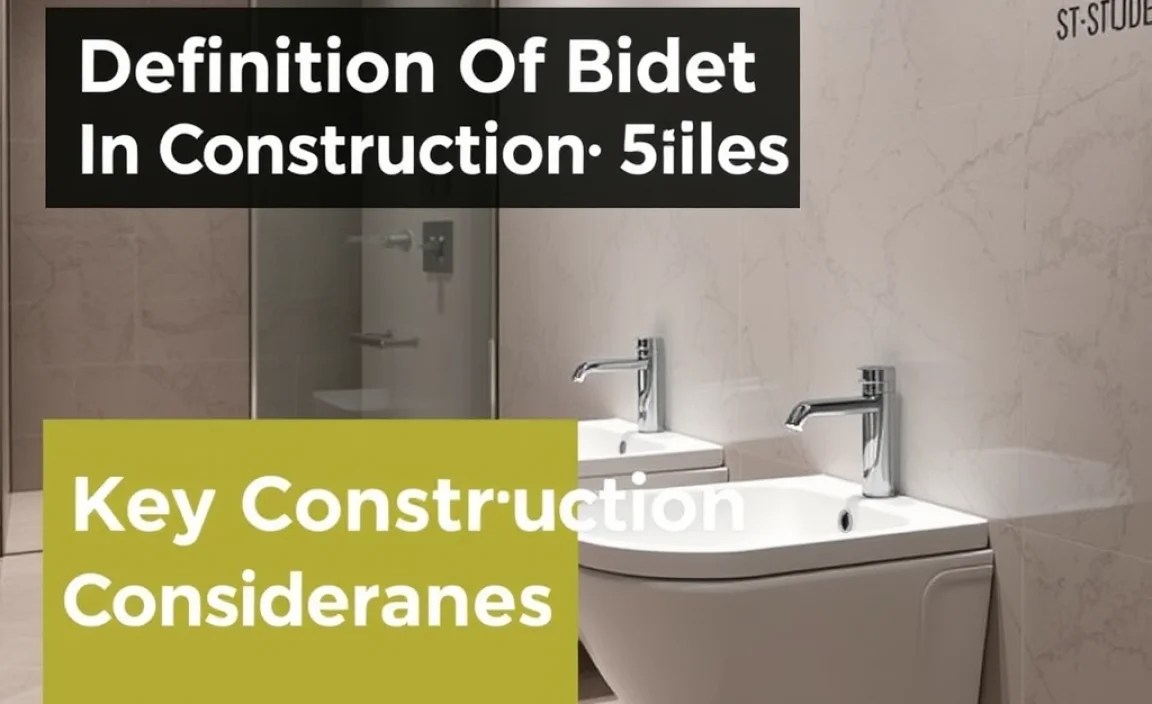
For any construction project involving bidets, whether it’s a new build or a renovation, several key factors need careful planning and execution by plumbers and builders.
1. Plumbing and Water Supply
This is the most critical aspect. The type of bidet dictates the plumbing requirements.
- Water Pressure: Ensure the home’s water pressure meets the bidet’s minimum requirements. Standard household water pressure typically ranges from 40 to 80 PSI (pounds per square inch). A pressure regulator might be needed if pressure is too high, to protect fixtures and connections.
- Water Temperature: Many modern bidets offer instant warm water. This requires connecting to both the hot and cold water supply. If a hot water line isn’t readily available near the toilet, it might need to be extended, adding complexity and cost. Some electric bidets have internal heating elements, eliminating the need for a hot water line connection but requiring electricity.
- Drainage: Traditional bidets need their own drain line connected to the main waste system. Bidet toilet seats and attachments typically use the existing toilet drain.
- Shut-off Valves: Easy access to shut-off valves for both hot and cold water lines is essential for maintenance and in case of leaks.
2. Electrical Requirements (for Electric Bidets)
Electric bidet seats and integrated bidet toilets have power requirements:
- GFCI Outlet: A Ground Fault Circuit Interrupter (GFCI) protected outlet is mandatory in bathrooms for safety. It’s designed to shut off electricity quickly if it detects a fault, preventing shocks in wet environments. According to the National Fire Protection Association (NFPA), GFCI protection is a vital safety standard in damp locations like bathrooms.
- Placement: The outlet should ideally be located out of direct splash zones but within reach of the bidet’s power cord. This often means positioning it on an adjacent wall or behind the toilet tank.
- Dedicated Circuit: For high-end bidet units with multiple features (heater, dryer), it might be advisable to have it on a dedicated circuit to avoid overloading existing circuits, especially if sharing with other bathroom appliances. Consult with a qualified electrician for proper load calculation.
3. Space and Layout Planning
The design of the bathroom is crucial, especially if a traditional bidet fixture is involved.
- Traditional Bidets: Require significant floor space, similar to a toilet or a small vanity. The layout must accommodate the fixture, ensuring comfortable access and proximity to the toilet.
- Bidet Seats/Attachments: These are much easier to incorporate as they fit standard toilet sizes. However, ensure there’s enough clearance around the toilet for the seat to open and close properly, and for users to access controls if they are on the side of the seat.
- Accessibility: Consider ADA (Americans with Disabilities Act) guidelines for clearances and heights if accessibility is a requirement for the project. Proper planning ensures the space is functional for all users.
4. Material and Waterproofing
Bathrooms are inherently wet environments. Proper waterproofing is essential to prevent water damage.
- Flooring: Waterproof flooring materials like tile or vinyl are standard.
- Wall Substrate: Cement board or a specialized waterproofing membrane should be used behind tile in wet areas.
- Fixture Bases: Ensure the base of a traditional bidet is properly sealed to the floor to prevent water seeping underneath.
5. Local Building Codes and Regulations
All plumbing and electrical work must comply with local building codes. Codes dictate:
- Types of pipes allowed
- Drainage and venting requirements
- Electrical safety standards (e.g., GFCI requirements)
- Fixture installation guidelines
It’s imperative for the construction team to be aware of and adhere to these regulations to ensure safety and pass inspections. Local building departments or experienced contractors can provide specific code requirements.
Types of Bidet Installations and Their Construction Differences

Let’s break down the construction differences for the most common bidet installations:
Table 1: Bidet Installation Types & Construction Impact
| Bidet Type | Key Construction Needs | Plumbing Complexity | Electrical Needs | Space Requirement | Cost Implication (Installation) |
|---|---|---|---|---|---|
| Traditional Bidet Fixture | Dedicated space, plumbing rough-in for water & drain, potential hot water line extension. | Moderate to High | None | High (requires dedicated area) | Moderate to High |
| Bidet Toilet Seat (Electric) | Standard toilet footprint, access to water supply, GFCI electrical outlet nearby. | Low (connects to existing toilet supply) | High (requires GFCI outlet) | Minimal (fits standard toilet) | Low to Moderate |
| Bidet Toilet Seat (Non-Electric) | Standard toilet footprint, access to water supply. | Low (connects to existing toilet supply) | None | Minimal (fits standard toilet) | Low |
| Bidet Sprayer (Handheld) | Standard toilet footprint, access to toilet’s water supply, mounting bracket space. | Very Low (uses T-valve on toilet supply) | None | Minimal | Very Low |
| Integrated Bidet Toilet | Full toilet replacement, requires plumbing & electrical rough-in for integrated features (heating, drying, etc.). | Moderate (if extending lines for specific features) | High (for comprehensive units, often requires dedicated GFCI) | Standard toilet footprint | High |
Detailed Look at Installation Steps (Conceptual for Builders/Plumbers)
While the homeowner might perform simple retrofits, major installations or integrations during construction require skilled professionals. Here’s a conceptual overview:
Scenario: Rough-in for an Electric Bidet Seat during New Construction
- Electrical Planning: Coordinate with the electrician to install a plumbed-in GFCI outlet behind the toilet location. Ensure it meets the specific voltage and amperage requirements if known for the intended bidet model, though most are standard household voltage.
- Water Supply Rough-in: Install a shut-off valve for both hot and cold water lines at the correct height and location to supply the toilet. Ensure adequate pressure. If only cold water is planned initially (for a non-electric bidet seat), ensure the hot water line is capped safely nearby in case an upgrade is desired later.
- Drain Rough-in: Install the toilet flange and drain pipe according to local plumbing codes, ensuring proper slope for waste removal.
- Wall Preparation: Ensure the wall behind the toilet is standard construction (e.g., drywall) with space for the electrical box and water lines.
Scenario: Installing a Traditional Bidet Fixture in a Renovation
- Demolition and Space Preparation: Remove existing flooring and lower wall sections where the bidet will sit. Verify the subfloor is sound.
- Plumbing Rough-in: Cap off or reroute unnecessary existing plumbing. Install new hot and cold water supply lines with shut-off valves specifically for the bidet, positioned according to the fixture’s specifications. Connect a new drain line from the bidet’s intended location to the main waste pipe, ensuring proper trap and venting.
- Waterproofing: Apply a waterproofing membrane to the subfloor and lower walls surrounding the bidet area.
- Tiling/Finishing: Install finished flooring and wall treatments.
- Fixture Installation: Set the bidet fixture in place, connect water supply lines and the drain, and seal the base to the floor.
- Testing: Turn on water and check thoroughly for leaks at all connections.
Tools and Materials Checklist for Construction Integration
Builders and plumbers will typically use a standard set of tools, but specific bidet requirements might add a few items. Below is a general list for professional installation:
Table 2: Common Tools & Materials for Bidet Integration
| Category | Tools | Materials | Notes |
|---|---|---|---|
| Plumbing | Pipe cutters, PEX crimpers or sweat fittings tools, adjustable wrenches, pipe wrenches, basin wrench, plumber’s tape, pipe dope, level, tape measure, bucket. | Copper or PEX tubing, appropriate fittings (elbows, couplings), shut-off valves (angle stops), drain pipe (ABS or PVC), toilet flange, wax ring (for toilet replacement scenarios). | Ensure all materials meet local plumbing codes. |
| Electrical (for Electric Bidets) | Wire strippers, voltage tester, screwdriver set, fish tape (if running wire through walls). | GFCI outlet, appropriate gauge electrical wire, junction box, wire nuts. | Must be performed by a licensed electrician. |
| General Construction/Finishing | Drill/driver, utility knife, stud finder, hammer, trowel (for mortar/adhesives), safety glasses, work gloves. | Cement board, waterproofing membrane, tile, grout, sealant, caulk. | Essential for bathroom environments to prevent water damage. |
Future Trends and Considerations in Bidet Construction
The integration of bidets in construction is evolving. We are seeing a shift towards more seamless and technologically advanced solutions.
- Smart Bathrooms: Future bathrooms might be designed with built-in smart home capabilities, including integrated bidet toilets controlled by voice commands or apps. This requires planning for robust Wi-Fi and power infrastructure.
- Water Conservation: As water becomes a more precious resource, bidet designs are focusing on efficiency. Construction plans might need to account for water-saving fixtures and systems. The EPA’s WaterSense program promotes water-efficient products and practices.
- Universal Design: Incorporating bidets aligns with the principles of universal design, making spaces more accessible and comfortable for people of all ages and abilities. Construction projects increasingly emphasize this approach.
- Modular Bathroom Pods: In large-scale construction, pre-fabricated bathroom pods might include integrated bidet solutions, simplifying installation and ensuring consistency.
Frequently Asked Questions (FAQs)
What is a bidet in construction?
In construction, a bidet refers to the planning, plumbing, and electrical provisions for installing a water-cleansing fixture in a bathroom. This can range from a traditional standalone bidet to preparing for an electric bidet seat or a handheld sprayer.
Do I need special plumbing for a bidet seat?
Generally, no. Most bidet seats connect to your existing toilet’s cold water supply line. Electric models also need a nearby GFCI electrical outlet. Non-electric models only require the water connection.
