
Quick Summary: A vanity in plumbing refers to the bathroom cabinet that typically houses a sink. It’s the focal point of your bathroom, combining storage, a countertop, and a basin to create a functional and stylish space. Understanding its components is key to proper maintenance and upgrades.
Is the word “vanity” in plumbing throwing you off? You’re not alone! Many homeowners hear it and picture something more decorative than functional. But in the world of pipes and faucets, a vanity is actually a pretty straightforward and essential part of your bathroom.
Think of it as the central hub of your bathroom’s activity. It’s where you brush your teeth, wash your hands, and get ready for your day. It’s a piece of furniture that incorporates a sink and often provides valuable storage space.
This guide will break down exactly what a plumbing vanity is, why it’s important, and what you need to know to keep yours looking great and working perfectly. We’ll make understanding plumbing terms simple and give you the confidence to tackle any questions you might have about your bathroom’s heart.
What Exactly is a Plumbing Vanity?

At its core, a plumbing vanity is a piece of bathroom furniture that includes a sink and a countertop, typically with cabinets or drawers for storage underneath. It’s the main fixture in most bathrooms, serving both a practical and aesthetic purpose. While the term “vanity” might sound fancy, it simply refers to this combined unit. It’s where your plumbing fixtures, like faucets and drains, connect to the water supply and wastewater system.
Historically, vanities evolved from simple washstands used in bedrooms. As indoor plumbing became more common, these washstands integrated sinks and plumbing, eventually transforming into the sophisticated and functional units we see in bathrooms today. They are designed to be a self-contained unit that makes bathroom use more convenient and organized.
Key Components of a Bathroom Vanity
Understanding the different parts of your vanity will help you in maintenance, repair, or when you’re thinking about an upgrade. Here are the main components:
- Cabinet/Base: This is the main body of the vanity, usually made from wood or composite materials. It’s designed to hold the countertop, sink, and provide storage space. The style and finish of the cabinet significantly impact the overall look of your bathroom.
- Countertop: This is the surface that sits on top of the cabinet and around the sink basin. Countertops come in a wide variety of materials, from durable quartz and granite to more budget-friendly laminate or solid surface options. They provide a functional space for toiletries and can be a major design element.
- Sink/Basin: This is the bowl-shaped fixture where water collects. Sinks can be undermounted (installed beneath the countertop), drop-in (sitting on top of the countertop), or vessel sinks (sitting entirely on top of the countertop). Materials vary from porcelain and ceramic to stainless steel and composite.
- Plumbing Fixtures: This includes the faucet, drain assembly, and P-trap. The faucet delivers hot and cold water, the drain assembly allows water to flow out, and the P-trap (a U-shaped pipe) prevents sewer gases from entering your bathroom.
- Hardware: These are the finishing touches like drawer pulls, cabinet knobs, and decorative elements. They add to the vanity’s style and functionality, making it easier to open drawers and doors.
The Purpose and Functionality of a Plumbing Vanity

A vanity is much more than just a place to wash your hands. It’s designed to optimize bathroom usage and contribute to the room’s overall flow and appeal. Let’s dive into its primary functions:
1. Water Delivery and Drainage Hub
The most critical function of a vanity from a plumbing perspective is housing the connections for your water supply and drainage system. The pipes bringing fresh water feed into your faucet, and the drain assembly connected to your sink carries wastewater away. This interconnectedness ensures that water flows safely and efficiently from your tap to your drain, preventing leaks and backups. The space within the vanity cabinet is crucial for housing these pipes and the P-trap, which is essential for hygiene and odor control.
A properly installed P-trap is vital. It works by holding a small amount of water, creating a seal that blocks sewer gases from rising up through the drain and into your home. You can learn more about the importance of proper drainage and vent systems from resources like the U.S. Environmental Protection Agency’s guidance on plumbing systems.
2. Storage and Organization
Bathrooms are often where we store a multitude of personal care items, cleaning supplies, and spare linens. Vanities, with their integrated cabinets and drawers, provide essential storage solutions. This helps keep your bathroom clutter-free, making it a more pleasant and functional space. The size and configuration of the storage can vary greatly, from narrow pedestal vanities with minimal space to large double-sink vanities with extensive drawer and cabinet systems.
Good organization can make a big difference in your daily routine. Having a dedicated place for everything means less time searching for items and a more serene environment. For tips on maximizing bathroom storage, you might find resources from home organization experts helpful, though we’ll focus on the plumbing and DIY aspects here.
3. Aesthetic Focal Point
The vanity is often the largest piece of furniture in a bathroom and significantly impacts its overall style and design. Available in countless styles, from modern and minimalist to traditional and ornate, the vanity can set the entire tone for your bathroom. The choice of countertop material, sink style, faucet finish, and cabinet hardware all contribute to its visual appeal. A well-chosen vanity can elevate a bathroom from purely functional to a beautifully designed space.
The design choices you make for your vanity can also influence perceived space. For instance, a wall-mounted vanity can make a small bathroom feel more open, while a dark, heavy vanity might make a room feel more enclosed. The interplay between form and function is what makes a vanity such a critical element in bathroom design.
4. Functional Workspace
Beyond storing items, the countertop surface of the vanity provides a practical workspace. It’s where you can place items temporarily while preparing to use the sink, such as toothbrushes, makeup, or shaving cream. The ample surface area on larger vanities, especially double-sink models, makes it easy for multiple people to use the bathroom simultaneously without feeling cramped.
When considering a new vanity, think about how you use your bathroom. Do you need space for multiple users? Do you have a lot of toiletries? The design and scale of the countertop can greatly enhance the usability of your bathroom for everyday tasks.
Types of Bathroom Vanities

Not all vanities are created equal! The type of vanity you choose can dramatically affect your bathroom’s layout, storage, and style. Here’s a look at some common types:
Freestanding Vanities
These are the most traditional type. They stand on their own on the floor, much like any other piece of furniture. They are often easier to install as they don’t require special mounting to the wall (though they usually attach to the wall for stability and to connect plumbing).
- Pros: Wide variety of styles and sizes, relatively easy to install, often come with integrated tops and sinks.
- Cons: Can take up more floor space, might not be ideal for very small bathrooms where a wall-mounted option is better.
Wall-Mounted (Floating) Vanities
These vanities are attached directly to the wall, suspending the cabinet off the floor. This creates a “floating” effect, which can make a bathroom feel larger and more modern.
- Pros: Creates a sense of spaciousness, makes cleaning the floor underneath easier, offers a contemporary look.
- Cons: Requires secure wall mounting (often into studs), installation can be more complex, plumbing might be more visible or require wall access.
Pedestal Sinks
While not a full vanity in the traditional sense (they lack extensive storage), pedestal sinks are a common bathroom fixture. They consist of a sink basin supported by a single pedestal leg. They are space-saving and classic in appearance.
- Pros: Very space-efficient, affordable, simple and elegant design.
- Cons: Very little to no storage space, plumbing is often exposed.
Consoles Vanities
Similar to pedestal sinks but often wider, console vanities have a countertop supported by legs (usually two or four). They offer a bit more surface area than a pedestal sink but still provide limited storage underneath.
- Pros: Open and airy feel, offers some countertop space, stylish and can be a design statement.
- Cons: Limited storage, plumbing is still often visible.
Single vs. Double Sink Vanities
This distinction is about the number of basins. Single sink vanities are standard for most bathrooms. Double sink vanities, typically found in larger bathrooms or master suites, feature two sinks and faucets, allowing two people to use the vanity simultaneously.
- Single Sink: Best for smaller bathrooms, powder rooms, or when only one person typically uses the space.
- Double Sink: Ideal for master bathrooms or shared family bathrooms, maximizing efficiency.
The Plumbing Behind the Vanity: What You Need to Know
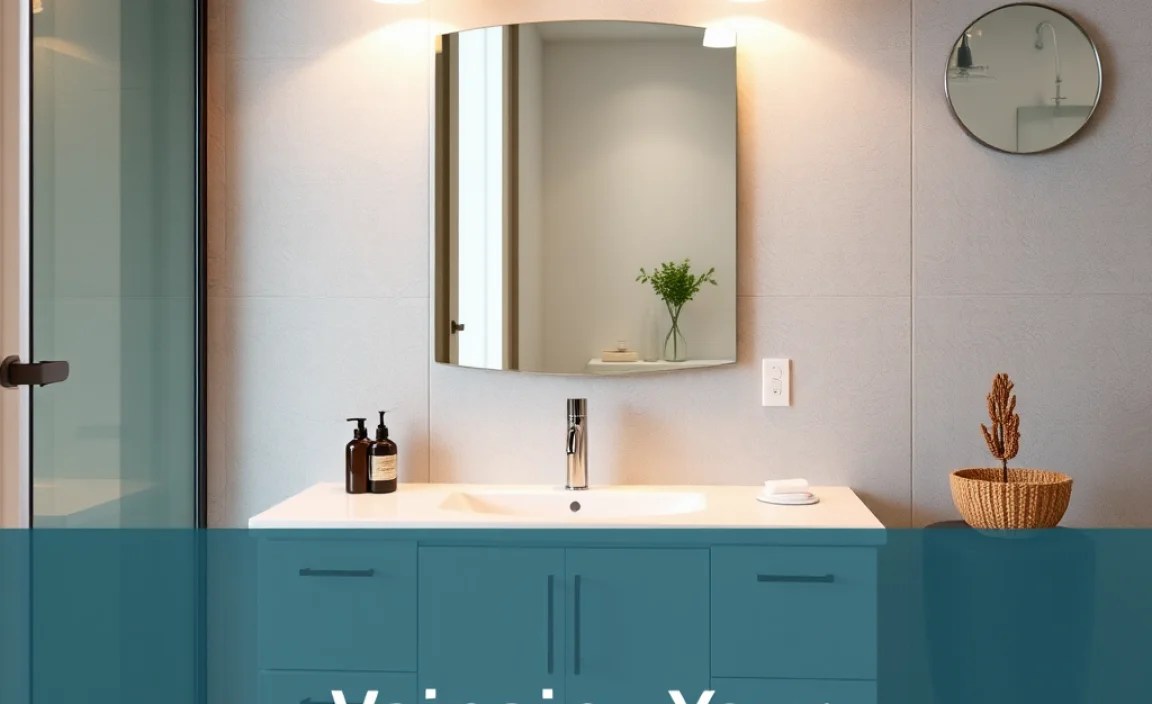
The vanity is where the magic (or sometimes, the mess!) of plumbing happens. Here’s a simplified look at the essential plumbing aspects involved.
Water Supply Lines
These are the flexible or rigid pipes that bring hot and cold water from your main plumbing system directly to your faucet. They are usually connected to shut-off valves located under the vanity. These valves are crucial – they allow you to turn off water to the sink for repairs or emergencies without shutting off water to the entire house.
Always look for shut-off valves that feel sturdy and operate smoothly. If they are corroded or difficult to turn, it’s a good idea to have them replaced by a plumber. For more on residential plumbing systems, the Department of Housing and Urban Development (HUD) offers detailed information.
Drain Assembly and P-Trap
Once you’re done with the water, it needs a way to escape. The drain assembly is the component at the bottom of your sink that collects wastewater. Below the drain flange, you’ll find the tailpiece, which connects to the P-trap. The P-trap is the U-shaped pipe that, as mentioned, retains water to block sewer gases from entering your home. From the P-trap, a waste line carries the water away to your home’s main sewer or septic system.
| Component | Function | Implications for Vanity |
|---|---|---|
| Water Supply Lines (Hot & Cold) | Deliver water from main supply to faucet. | Require access for connection and shut-off valves, routed within or behind vanity. |
| Faucet | Controls water flow and temperature. | Mounted on countertop or sink, connects to supply lines and drain. |
| Drain Flange and Tailpiece | Starts wastewater flow from sink. | Located under sink basin, connects to P-trap. |
| P-Trap | Blocks sewer gases with a water seal. | U-shaped pipe requiring space within vanity cabinet, essential for odor control. |
| Waste Line Connection | Carries wastewater away from P-trap. | Connects to the main drainage system, typically through the wall or floor behind the vanity. |
Ventilation
While you don’t see it directly integrated into the vanity itself, your bathroom’s plumbing system relies on vents. These vents connect to your drain lines and run up through your roof. Their purpose is to allow air into the system. This is crucial for proper water flow and to prevent siphoning (where the water seal in the P-trap is pulled out by negative pressure, allowing sewer gases in). Without adequate venting, your drains will gurgle, flow slowly, and you’ll be susceptible to unpleasant odors.
If you experience slow drains consistently, it might be an indication of a venting issue rather than a clog in the trap itself. Ensuring your home’s plumbing is properly vented is part of safe and functional plumbing design.
Maintaining Your Plumbing Vanity
Regular maintenance can prevent costly repairs and keep your vanity looking its best. Here are some essential tips:
Inspecting for Leaks
This is the most critical plumbing-related maintenance. Periodically, check under and around your vanity for any signs of moisture, water stains, warped wood, or puddles. Pay close attention to the connections of the supply lines, shut-off valves, and the P-trap.
How to Inspect:
- Clear out everything from under the vanity so you have a full view of the pipes and floor.
- Use a flashlight to thoroughly inspect all connections.
- Turn on the faucet and let the water run for about 30 seconds, observing for any drips or leaks.
- Fill the sink partially and then let it drain, watching the P-trap area closely.
- Feel around pipe joints with a dry paper towel; any dampness will be obvious.
Checking Shut-Off Valves
Make sure your shut-off valves under the sink are functional. Once a year, gently try to turn them. If they are stiff or won’t move, they might need lubrication or replacement. Forcing a stuck valve can break it, leading to a major leak.
Cleaning and Sealing
Keep the countertop clean and free of harsh chemicals that can damage the material. For natural stone countertops (like granite or marble), re-sealing them periodically is important to prevent stains and etching. Wood cabinets should be cleaned with appropriate wood cleaners and, if necessary, treated or sealed to protect them from moisture.
Preventing Clogs
Avoid pouring grease, coffee grounds, or harsh chemicals down the drain. Use a drain strainer to catch hair and debris. If you notice slow draining, try using a plunger or a homemade baking soda and vinegar solution before resorting to chemical drain cleaners, which can damage pipes over time.
Common Vanity Plumbing Issues and Solutions (DIY Friendly)
Even with good maintenance, you might encounter a few common plumbing problems. Here’s how to handle them:
1. Leaky Faucet
A dripping faucet is annoying and wastes water. Often, the culprit is a worn-out washer or O-ring inside the faucet handle. For most common compression faucets, replacing these parts is a manageable DIY task.
- Tools Needed: Adjustable wrench, Phillips head screwdriver, replacement washer/O-ring kit (know your faucet model if possible).
- Steps:
- Turn off the water supply using the shut-off valves under the vanity.
- Open the faucet to drain residual water.
- Carefully disassemble the faucet handle (usually a screw under a decorative cap).
- Remove the old washer/O-ring and install the new one.
- Reassemble the faucet.
- Turn water back on slowly and check for leaks.
2. Slow or Clogged Drain
If water isn’t draining properly, it’s usually a clog. This is often caused by hair, soap scum, or toothpaste buildup.
- DIY Solutions:
- Plunger: Ensure a good seal around the drain, fill the sink with a few inches of water, and plunge vigorously.
- Baking Soda and Vinegar: Pour about 1/2 cup of baking soda down the drain, followed by 1/2 cup of white vinegar. Let it fizz for 15-30 minutes, then rinse with hot water.
- Cleaning the P-Trap: Place a bucket under the P-trap. Unscrew the slip nuts on either side of the trap and remove it. Clean out any debris, then reassemble. This is a bit more involved but very effective for deeper clogs.
Note: If these methods don’t work, the clog may be further down the line and might require a plumber.
3. Leaky P-Trap Connections
The slip nuts that hold the P-trap together can loosen over time. If you see drips from these connections, try tightening them by hand. If that doesn’t work, use a pipe wrench, but be careful not to overtighten, which can crack the plastic fittings.
4. Loose Shut-Off Valves
If a shut-off valve is dripping, it might need tightening or replacement. First, try gently tightening the packing nut (the nut where the handle stem enters the valve body). If this doesn’t stop the leak, the valve.
