
A wet room is a fully waterproofed bathroom where the shower area isn’t enclosed by a tray or cubicle, allowing water to flow freely around a designated zone. It’s a clever design for small spaces or contemporary aesthetics, requiring specific waterproofing techniques to prevent leaks.
A wet room bathroom might sound a bit unusual at first, but it’s a smart design choice for many homes. If you’ve ever struggled with cramped bathrooms or wanted a more modern, streamlined look, you’re in the right place. We’ll break down exactly what a wet room is, how it works, and what you need to know if you’re considering one for your home. Forget confusing jargon; we’re here to make it simple and clear, step-by-step. Let’s dive in!
What Exactly is a Wet Room?

So, what is a wet room? Simply put, it’s a bathroom designed so that water can flow freely around a specific area, usually the shower space, without being contained by a shower tray or cubicle. Think of it as a completely waterproofed room where the shower isn’t a separate unit but an integrated part of the bathroom floor. This often means the shower area is slightly sloped towards a drain, and the entire floor and lower walls are meticulously waterproofed. It’s a design that’s becoming increasingly popular for its modern look and efficient use of space.
Key Characteristics of a Wet Room
Let’s break down the defining features that make a bathroom a wet room:
- No Shower Tray or Cubicle: Unlike a traditional shower, there’s no raised tray holding the water. The shower is essentially part of the floor.
- Integrated Drainage: A dedicated drain, usually a linear channel or a circular grate, is built into the floor to remove water efficiently.
- Complete Waterproofing: This is crucial! The entire floor and a good portion of the walls (especially around the shower area) are waterproofed using specialized membranes and sealants.
- Sloped Floor: The floor around the shower area is typically sloped gently towards the drain to ensure water flows away quickly.
- Water-Resistant Materials: Materials like large-format tiles, stone, or specialized waterproof panels are often used for their durability and aesthetic.
- Open-Plan Shower Area: The shower space is generally open, sometimes separated by a glass screen or simply defined by the tiling and floor slope.
Why Choose a Wet Room? The Pros and Cons

Like any home improvement, a wet room has its advantages and disadvantages. Understanding these will help you decide if it’s the right choice for you.
The Advantages (Pros)
Wet rooms offer a host of benefits that can significantly enhance your bathroom experience and home:
- Space Efficiency: They are fantastic for smaller bathrooms! By removing a bulky shower cubicle, you free up valuable floor space, making the room feel larger and more open.
- Modern Aesthetics: The minimalist, sleek design of a wet room adds a touch of contemporary luxury to any home. It looks clean, seamless, and high-end.
- Easy Cleaning: With fewer nooks and crannies for mold and grime to hide, a wet room can be much easier to clean and maintain.
- Accessibility: For individuals with mobility issues, a wet room is a game-changer. The absence of a raised shower tray makes it easy to step into the showering area, improving independence and safety. This often aligns with universal design principles.
- Versatility: They can be installed in various types of rooms, including en-suites, family bathrooms, or even guest bathrooms, adapting to different needs and styles.
- Increased Property Value: A well-designed and professionally installed wet room can be a desirable feature for potential buyers, potentially adding value to your home.
The Disadvantages (Cons)
It’s important to be aware of the potential downsides as well:
- Waterproofing is Paramount: If the waterproofing isn’t done correctly, it can lead to serious water damage to your subfloor, walls, and even downstairs ceilings. This is the most critical aspect.
- Requires Professional Installation: While DIY is possible, getting the waterproofing and drainage right often requires specialist knowledge. Errors can be costly to fix.
- Potential for Splashing: If not designed carefully, water can splash further out of the shower zone, potentially onto your toilet or vanity. A strategically placed glass screen can help.
- Heating Challenges: Without an enclosed shower space, heat can escape more easily, making the room feel cooler. Effective heating solutions are important.
- Cost: Due to the specialized materials and labor involved, installing a wet room can sometimes be more expensive than a standard shower installation.
- Not for All Homes: Older homes with specific joist constructions might require additional structural work to support the necessary slopes and waterproofing.
Wet Room vs. Traditional Bathroom: A Quick Comparison

Let’s see how a wet room stacks up against more conventional bathroom setups.
| Feature | Wet Room | Traditional Bathroom (with Shower Tray) | Traditional Bathroom (with Bathtub) |
|---|---|---|---|
| Shower Design | Waterproofed floor, no tray, open shower area. | Enclosed shower cubicle with a raised tray. | Typically a bathtub with a shower head. |
| Waterproofing Needs | Full floor and lower wall waterproofing essential. | Waterproofing around the tray and cubicle is sufficient. | Waterproofing around the tub and splash areas. |
| Space Usage | Excellent for small spaces, feels open. | Can be bulky, defines a specific zone. | Takes up significant floor space. |
| Cleaning | Generally easier due to fewer crevices. | Tray edges can be prone to mold. | Tub corners and edges need regular cleaning. |
| Accessibility | Highly accessible, step-free entry. | Requires stepping over a tray, can be a barrier. | Difficult for those with mobility issues. |
| Aesthetics | Modern, minimalist, seamless. | Functional, varied styles. | Classic, can be space-consuming. |
| Installation Complexity | High due to waterproofing requirements. | Moderate. | Moderate. |
How Does a Wet Room Work? The Essential Components

Understanding the components is key to appreciating the design and functionality of a wet room. It’s all about managing water effectively.
1. Waterproofing Membrane
This is the unsung hero of a wet room. A specialized waterproof membrane is applied to the subfloor and lower sections of the walls. This acts as a barrier, preventing any moisture from seeping into the building structure. It’s typically a liquid-applied or sheet-based system. For example, products like those from}Schlüter Systems{ are designed specifically for wet room applications, ensuring a robust seal.
2. Drainage System
The drain is where all the water goes! There are a few common types:
- Linear Drains: These are long, slim channels, often placed against a wall or in the middle of the shower area. They are very efficient at removing large volumes of water.
- Point Drains: These are circular drains placed in the lowest part of the sloped floor. They are a more traditional drainage solution.
The key is that the drain must be properly connected to your plumbing system and the floor must be sloped correctly to direct water towards it.
3. Floor Slope
A gentle slope, typically around 1-2%, is created in the floor around the shower area. This ensures that water naturally flows towards the drain and doesn’t pool on the floor. This slope is usually achieved by building up the subfloor or using a screed material.
4. Waterproof Sealants and Tapes
Specialized sealants are used at all junctions, corners, and around any penetrations (like pipes). Waterproofing tapes are often embedded within the liquid membrane at these critical points to create an extra layer of protection.
5. Ventilation
Good ventilation is essential in any bathroom, but especially in a wet room. An efficient extractor fan helps to remove moisture from the air, preventing condensation and the growth of mold. You might consider a fan with a timer or humidity sensor to ensure it runs for the necessary duration.
Designing Your Wet Room: Practical Tips
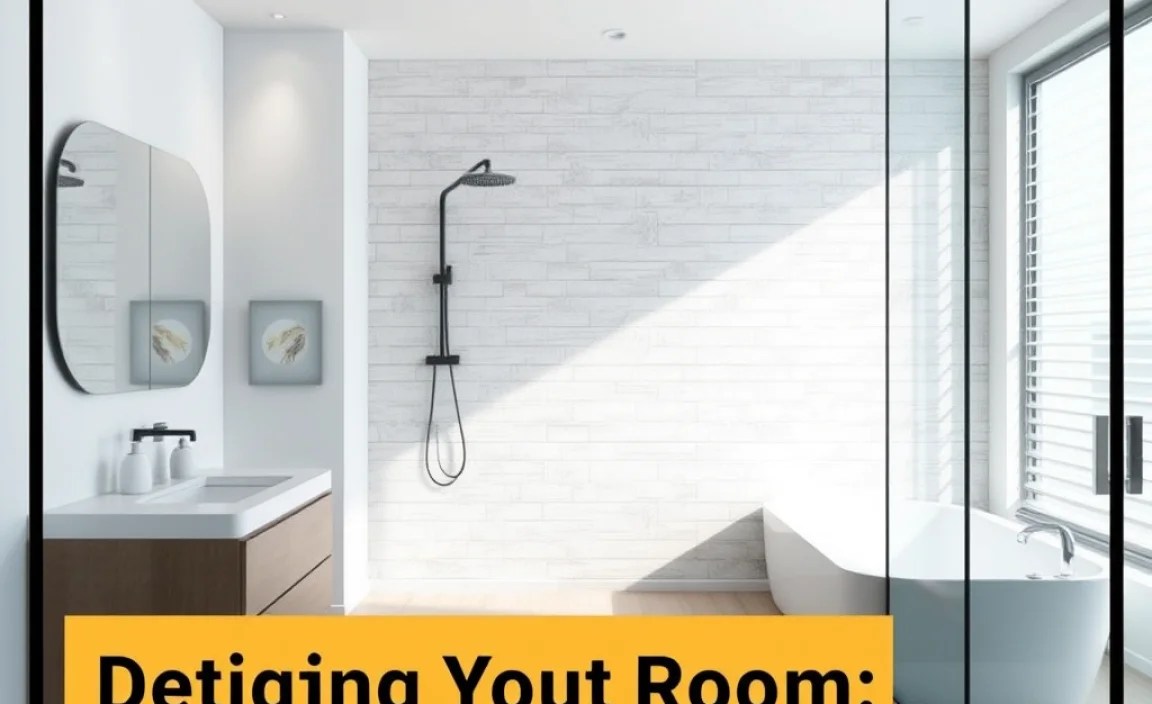
Creating a functional and beautiful wet room involves careful planning. Here are some tips to get you started:
Choosing the Right Location
Existing Bathroom: The most common scenario is converting an existing bathroom.
En-suite Conversions: Small en-suites can be transformed into stylish wet rooms.
New Builds: Incorporating a wet room from the design stage offers the most flexibility.
Defining the Shower Area
Glass Screens: A frameless glass screen is a popular choice. It helps to contain splashes without visually breaking up the space.
Partial Walls: A low wall or partition can define the shower zone.
No Separation: In very small rooms, you might opt for no physical separation, relying solely on the floor slope and drain.
Selecting Materials
Durability and water resistance are key.
- Tiles: Large-format, non-slip tiles are ideal for floors and walls. Smaller tiles mean more grout lines, which can be more prone to moisture.
- Stone: Natural stone can be beautiful but requires proper sealing.
- Waterproof Panels: These are a modern alternative, offering a seamless look and quick installation.
When selecting tiles, look for a sufficient Coefficient of Friction (CoF) rating to ensure they are non-slip.
Lighting and Ventilation
Waterproof Lighting: Ensure any lighting fixtures in the wet room area are rated for use in damp environments.
Adequate Ventilation: Invest in a powerful extractor fan. The Building Regulations Part F for Ventilation{ provides guidance on ventilation requirements in dwellings.
The Installation Process: What to Expect
Understanding the installation process can help you communicate effectively with professionals or prepare for your DIY project.
Step 1: Preparation and Subfloor
The existing floor needs to be prepared. This might involve removing old tiles, levelling the surface, and ensuring the subfloor is sound. Any existing plumbing for the drain is also routed at this stage.
Step 2: Creating the Floor Slope
A screed (a concrete mixture) is laid to create the necessary slope towards the drain location. This screed needs to cure properly before proceeding.
Step 3: Applying the Waterproofing Membrane
This is the most critical stage. The chosen waterproofing membrane is carefully applied to the entire floor and up the walls to a sufficient height (usually at least 1.5-2 meters around the shower). All corners, edges, and pipe penetrations are meticulously sealed with specialized tapes and sealants.
Step 4: Installing the Drain
The drain assembly is fitted and connected to the waste pipe. It needs to be integrated seamlessly with the waterproofing membrane.
Step 5: Tiling or Final Finish
Once the membrane is fully cured and tested (sometimes with a water test), the tiles or your chosen wall finish can be installed. Use a flexible, waterproof tile adhesive and grout suitable for wet areas.
Step 6: Installing Fixtures and Ventilation
Finally, the shower head, any glass screens, vanity units, toilet, and the extractor fan are installed. Ensure all fixtures are securely sealed to prevent water ingress.
DIY vs. Professional Installation
Deciding whether to tackle a wet room installation yourself or hire a professional is a big decision.
DIY Considerations
DIY is possible for experienced individuals with a keen eye for detail. You’ll need:
- Thorough Research: Understand the waterproofing systems inside and out.
- Specialized Tools: Including trowels for screed, applicators for membranes, and proper cutting tools for tiles.
- Patience and Precision: Mistakes in waterproofing are extremely difficult and expensive to fix later.
- Time Commitment: This is not a weekend job.
If you are considering a DIY approach, training or courses on waterproofing systems can be invaluable.
Professional Installation
Hiring professionals, particularly plumbers and bathroom fitters experienced with wet rooms, offers several advantages:
- Expertise: They know the best materials and techniques for a watertight finish.
- Warranty: Many professional installations come with a guarantee on their workmanship.
- Efficiency: They can often complete the job faster and with fewer errors.
- Peace of Mind: Knowing it’s done right can save you a lot of worry down the line.
When hiring, always ask for references and examples of their previous wet room projects.
Maintaining Your Wet Room
With the right care, your wet room will remain a beautiful and functional space for years to come.
- Daily Rinsing: After showering, it’s a good idea to briefly rinse down the walls and floor in the shower area with clean water to wash away any soap residue.
- Regular Cleaning: Use a non-abrasive, pH-neutral cleaner for regular cleaning. Avoid harsh chemicals that can degrade sealants or grout.
- Ventilation is Key: Always use your extractor fan during and after showering. Open a window if possible to allow trapped moisture to escape.
- Check for Leaks: Periodically inspect the seals around screens, drains, and any wall penetrations for signs of wear or damage.
- Wipe Down Surfaces: Mildew can form in damp conditions. Giving walls and shower screens a quick wipe down after use can prevent buildup.
Understanding Tile and Grout Maintenance
Even with the best waterproofing, grout lines can absorb moisture over time. Using epoxy grout or a high-quality, waterproof sealant on traditional cementitious grout can significantly improve longevity and reduce maintenance. Regular sealing of natural stone surfaces is also vital.
Conclusion
So, there you have it – a comprehensive look at the definition of a wet room. It’s a design that offers a blend of modern aesthetics, practical space-saving solutions, and enhanced accessibility. The key takeaway is the absolute necessity of professional-level waterproofing. When done correctly, a wet room is a beautiful, functional, and long-lasting addition to your home. Whether you’re drawn to its sleek, minimalist look or its practical benefits for smaller spaces or easier accessibility, understanding the core principles – meticulous waterproofing, effective drainage, and careful material selection – is your first step towards creating your own dream wet.
Frequently Asked Questions (FAQ)
Q1: Is a wet room suitable for any bathroom size?
Yes, wet rooms are particularly excellent for small bathrooms as they make the space feel larger. However, they can also be incorporated into larger bathrooms for a luxurious, spa-like feel.
Q2: Do I need a special type of drain for a wet room?
Yes, you need a drain specifically designed for wet rooms, either a linear channel drain or a point drain with a clamping flange that can be integrated with the waterproofing membrane effectively. Proper installation ensuring a watertight seal is paramount.
Q3: Can I install a wet room over a wooden floor?
Yes, you generally can install a wet room over a wooden floor. However, the subfloor needs to be structurally sound, rigid, and able to support the weight of the screed and tiles. Additional strengthening or backer boards might be necessary before applying the waterproofing membrane.
Q4: What kind of tiles are best for a wet room floor?
For a wet room floor, you need non-slip tiles with a good Coefficient of Friction (CoF) rating. Large-format porcelain or ceramic tiles are popular choices because they have fewer grout lines, which can be prone to issues in wet environments. Always use flexible, waterproof tile adhesives and grouts.
Q5: How high do the walls need to be waterproofed in a wet room?
Typically, the walls around the shower area should be waterproofed to a height of at least 1.5 to 2 meters. If the entire bathroom is designed as a wet room, the whole floor and lower sections of all walls should be waterproofed to a height of at least 150mm to create a watertight ‘tray’.
Q6: How long does a wet room installation typically take?
The installation time can vary significantly depending on the complexity, size of the room, and whether it’s a renovation or new build. However, not including tiling and finishing, the waterproofing and screeding process alone can take several days to allow for proper curing of materials. A full installation might take anywhere from 5 days to 2 weeks.
