
The structure of a drain is surprisingly simple yet ingeniously designed to efficiently carry away wastewater. Understanding its key components—like pipes, traps, and vents—empowers you to tackle clogs and understand your home’s plumbing system better. This guide reveals these essential designs in an easy-to-understand way, helping you maintain your drains with confidence.
Drains are unsung heroes in our homes, quietly working to whisk away used water and keep our living spaces clean and sanitary. But when they gurgle, back up, or smell funny, they can turn into a homeowner’s biggest headache. Don’t worry! Understanding the basic structure of a drain isn’t rocket science. We’re here to break down exactly how these essential systems work, from the tiny holes in your sink to the complex network hidden behind your walls. Get ready to demystify your drains and feel more in control of your home maintenance!
Why Does Drain Structure Matter for Homeowners?

Knowing the structure of a drain might sound a bit technical, but it’s incredibly practical for anyone who owns a home. Think of it like knowing how your car engine works – a little knowledge goes a long way in preventing small problems from becoming big, expensive ones. When you understand how water flows, where it goes, and what keeps bad smells out of your home, you can:
- Prevent Clogs More Effectively: Understanding what can and cannot go down a drain helps you avoid common blockages.
- Troubleshoot Issues Faster: When a drain is acting up, knowing its parts helps you pinpoint the likely cause.
- Communicate Better with Plumbers: You’ll be able to describe the problem more accurately, saving time and money.
- Maintain Your Plumbing System: Simple checks and understanding can prolong the life of your pipes.
- Feel More Confident: DIY maintenance becomes less intimidating when you know the basics!
Let’s dive into the core components that make your drains function smoothly.
The Essential Components of a Drain System

At its heart, a drain system is designed to move water from where it’s used (sinks, showers, toilets) to where it needs to go—ultimately, the sewer or septic system. While the specific setup can vary, most residential drain systems share these fundamental parts:
1. The Inlet (The Part You See)
This is the part of the drain you interact with daily. It’s the opening where water enters the drainage system.
- Sink Strainers/Drains: These are the grates or plugs in your sink, bathtub, or shower. They prevent large debris from entering the pipes. Some have removable strainers for easy cleaning.
- Floor Drains: Commonly found in basements, garages, or bathrooms, these are openings in the floor designed to catch spills or excess water.
- Toilet Drains: The opening at the base of the toilet bowl is connected to the main drainpipe.
2. The P-Trap: The Smelly-Odor Stopper
This is arguably the most important part of the visible drain structure for preventing unpleasantness. It’s the curved section of pipe located directly beneath sinks and showers (though sometimes hidden below the floor). Its shape is crucial.
How it Works: The P-trap is designed to hold a small amount of water after each use. This water seal acts as a barrier, preventing sewer gases (which are smelly and potentially harmful) from rising up through the drain and into your home. When you run water, the new water pushes the old water out and refills the trap.
Why it’s a Clog Culprit: Because of its shape, the P-trap is also a common place for clogs to form, as hair, grease, and debris can easily get caught in its curve.
For more detailed information on plumbing traps, the U.S. Environmental Protection Agency (EPA) offers insights into plumbing system efficiency and design, which often touches upon the importance of trap seals: EPA WaterSense – Plumbing Fixtures.
3. The Drainpipe (The Hidden Highway)
Once water leaves the P-trap, it enters the drainpipe. This is a network of pipes that carries wastewater away from your house.
- Branch Lines: These smaller pipes collect wastewater from individual fixtures (sinks, toilets, showers) and lead them to larger pipes.
- Main Drain Line: This is the larger pipe that carries all the wastewater from your home to the outside. It’s usually sloped to allow gravity to assist in moving the water.
Material Matters: Drainpipes can be made from various materials. Older homes might have cast iron pipes, while newer construction often uses durable PVC (polyvinyl chloride) or ABS (acrylonitrile butadiene styrene) plastic pipes. Each has its pros and cons in terms of durability, cost, and ease of installation.
4. The Vent System: The Air Breather
This is a less visible but absolutely vital part of the drain structure. The vent system is a network of pipes that typically runs from your drainpipes up through your roof. It sounds counterintuitive, but vents do two critical jobs:
- Allow Air In: As water flows down a drainpipe, it creates suction. Without air to replace the displaced volume, the water flow would be sluggish. The vent system allows air to enter the pipes, balancing the pressure and allowing water to flow freely and quickly. This is why you sometimes hear gurgling sounds – it’s the air trying to get through!
- Let Sewer Gases Escape: The vent pipes carry sewer gases up and out of your home through your roof, preventing them from accumulating and entering your living spaces. This complements the P-trap’s function.
A properly functioning vent system is essential for preventing slow drains and foul odors. If you’ve ever smelled sewer gas in your bathroom, an improperly vented or blocked drain system is a likely culprit.
Types of Drain Designs and Their Structures

While the core components remain similar, different areas of your home might have specific drain designs tailored to their needs. Understanding these variations can help you better maintain them.
Sink Drains
Sink drains in kitchens and bathrooms share a common structure: an inlet (strainer), a P-trap, and a connection to a branch drain line. Kitchen sinks often have garbage disposals integrated into the drain assembly, which grind food waste before it enters the drainpipe. This requires a slightly sturdier setup and proper usage to avoid jams.
Key Feature: The P-trap is almost always visible or easily accessible for clearing clogs involving grease and food particles.
Shower and Bathtub Drains
These drains are designed to handle larger volumes of water and often deal with hair and soap scum. Shower drains can be a simple pop-up stopper or a more involved drain assembly with an overflow pipe.
Structure:
- Drain Flange: The visible grate where water enters.
- Stopper Mechanism: Operates the plug to hold water for baths.
- Trap: A P-trap or a different type of trap, often integrated into the subfloor.
- Overflow (Bathtubs): A secondary opening near the top of the tub that connects to the drainpipe, preventing the tub from overflowing if the stopper is closed.
Toilet Drains
The toilet itself is a complex fixture, but its connection to the drain system is relatively direct. When you flush, a large volume of water and waste is pushed through a larger trap within the toilet and then into the main drain line.
Structure:
- S-Trap or P-Trap (Internal): Toilets have an integrated trap in their design to prevent sewer gases.
- Floor Flange: Connects the toilet to the main waste line.
- Waste Line: Connects to the building’s main drain.
Floor Drains
Found in basements, garages, laundry rooms, and sometimes bathrooms, floor drains catch surface water. They typically consist of a drain body set into the floor, a grate cover, and a trap below to prevent odors.
Structure:
- Grates: Allow water to enter the drain.
- Drain Body: Holds the grate and connects to the trap.
- Trap Seal: Similar to a P-trap, it holds water to block sewer gases. Some basement floor drains might be connected to a sump pump system, bypassing the sewer and discharging water outside.
Understanding Different Trap Types
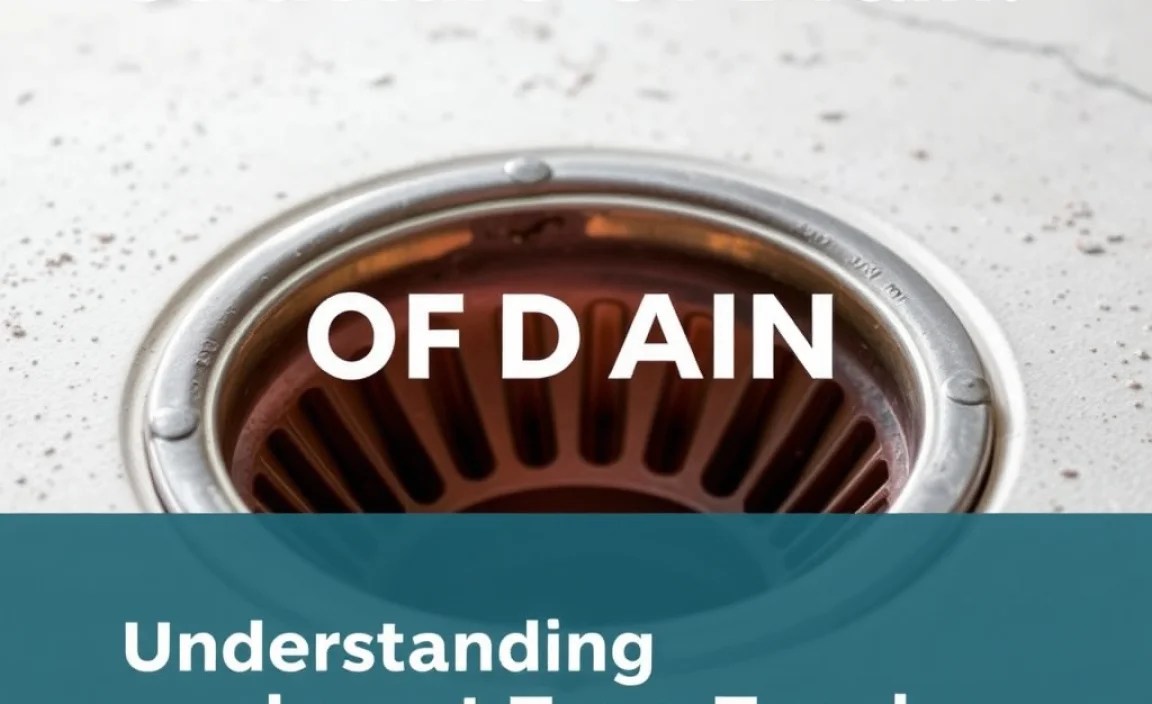
While the P-trap is the most common, plumbing codes allow for other types of traps as long as they provide an adequate water seal. Understanding these can be helpful, especially when troubleshooting or inspecting older plumbing.
The Anatomy of a P-Trap
Let’s break down the P-trap’s components. The name comes from its shape, resembling the letter “P” when viewed from an angle.
| Part | Description | Function |
|---|---|---|
| Inlet Pipe | Connects to the fixture pipe (e.g., from the sink tailpiece). | Carries wastewater towards the trap’s bend. |
| Trap Bend (or Dip) | The U-shaped curve in the pipe. | Collects and retains water to form the seal against sewer gases. |
| Outlet Pipe | Connects from the trap bend to the waste line. | Carries the water away after it has passed the water seal. |
Other Common Trap Designs
- S-Trap: Shaped like an “S,” this trap is less common in modern installations due to potential siphonage issues (where the water seal can be pulled out by a strong flow of water). It connects directly to a vertical waste stack.
- Bottle Trap: A more compact, cylindrical trap often used where space is limited, like under pedestal sinks or in certain vanity setups. They work by using internal baffles or chambers to hold water.
- Integral Traps: Some fixtures, like toilets, have the trap built directly into their ceramic design.
The International Residential Code (IRC) provides guidelines for plumbing system design and materials, including requirements for trap seals to ensure safety and functionality. You can often find relevant sections by searching for “IRC plumbing requirements.”
Drain Pipe Materials: What’s Under Your Sink?

The material of your drain pipes impacts their durability, how they handle different temperatures and chemicals, and how prone they are to clogs and corrosion. Knowing what you have can help in maintenance and repair.
Common Drain Pipe Materials
- Cast Iron: A traditional material, very durable and fire-resistant. However, it’s heavy, expensive to install, and can eventually corrode and clog with rust and sediment. Common in older homes.
- PVC (Polyvinyl Chloride): Lightweight, inexpensive, and easy to work with. It’s resistant to corrosion and most chemicals. White in color, widely used in modern residential plumbing for drain, waste, and vent (DWV) systems.
- ABS (Acrylonitrile Butadiene Styrene): Similar to PVC but typically black. It’s also lightweight, durable, and resistant to corrosion. ABS can be more resistant to freezing temperatures than PVC and some plumbers prefer it for its ease of solvent welding.
- Copper: Primarily used for water supply lines, but sometimes found in older vent pipes. It’s durable but expensive and can corrode over time, especially with certain water chemistries.
| Material | Pros | Cons | Typical Use |
|---|---|---|---|
| Cast Iron | Durable, fire-resistant, sound-dampening | Heavy, expensive, prone to corrosion over long periods | Older homes, main sewer lines |
| PVC | Lightweight, inexpensive, corrosion-resistant, easy to install | Can be damaged by extreme heat or certain chemicals, can degrade in direct sunlight | Newer homes, DWV systems (venting, drains) |
| ABS | Lightweight, durable, corrosion-resistant, good for cold climates | Can be more expensive than PVC, can degrade in direct sunlight | Newer homes, DWV systems |
In many modern homes, you’ll find a combination of materials. For instance, the main sewer line leaving your house might be PVC, while older vent pipes could be metal.
The Role of Slope and Gravity in Drainage
One of the most fundamental principles governing drain systems is gravity. Drainpipes aren’t laid perfectly flat; they are installed with a specific downward slope.
- How Slope Works: This slope ensures that wastewater flows continuously from your fixtures towards the main sewer line. Without adequate slope, water could pool, leading to slow drains, blockages, and potential odors as stagnant water decomposes.
- Standard Slope: For most residential drainage pipes (like PVC or ABS), a standard slope of 1/4 inch per linear foot (or approximately 2% grade) is recommended. For larger pipes (4 inches and up), the slope might be slightly less.
This gentle angle allows gravity to do most of the work, assisted by the flushing action of water and the air pressure balance provided by the vent system. Understanding slope is crucial for anyone planning new plumbing work or dealing with persistent drainage issues, as an improper slope is a major underlying cause of problems.
Why Proper Venting is Critical
We touched on venting earlier, but it’s worth re-emphasizing just how critical this part of the drain structure is. A well-designed vent system is your first line of defense against more than just bad smells.
Consequences of Poor Venting
- Slow Drainage: Without air entering the system to equalize pressure, the flow of water is severely restricted, leading to very slow drains.
- Siphoning of Traps: A strong rush of water can create a vacuum that pulls the water seal right out of your P-traps. Once the trap is dry, sewer gases can freely enter your home – a serious health and odor issue.
- Gurgling Noises: These sounds often indicate that air is struggling to enter the system, and the water is working against the vacuum.
- Toilet Flush Problems: A poorly vented toilet might flush weakly, take a long time to refill, or even bubble and gurgle when other fixtures are used.
The main vent pipe typically terminates above your roofline, far from fresh air intakes to prevent any gases from re-entering the house. Plumbing codes are very specific about vent pipe sizing and placement to ensure they function correctly.
Troubleshooting Drain Structures: Common Issues and Solutions
Even with well-designed systems, drains can encounter problems. Knowing the structure helps you identify and fix many common issues yourself.
Issue: Gurgling Sounds and Slow Drains
- Likely Cause: Blockage in the drainpipe or a venting issue. The gurgling is trapped air trying to escape.
- DIY Solution:
- Start with a simple plunger, ensuring a good seal around the drain.
- If that doesn’t work, try a drain snake or auger to reach further into the pipe.
- For sinks, try disassembling and cleaning the P-trap. Wear gloves and have a bucket ready!
- If multiple fixtures are affected, it might indicate a blockage in the main drain line or a venting issue.
Issue: Foul Odors
- Likely Cause: The water seal in the P-trap has evaporated or been siphoned out, or there’s a buildup of debris in the pipes.
- DIY Solution:
- Run water in the affected fixture for a minute or two to refill the P-trap. This is especially common for infrequently used drains like guest bathroom sinks or floor drains.
- Pour a mixture of baking soda and vinegar down the drain, followed by hot water, to help clean out minor buildup.
- For persistent odors, clean the P-trap thoroughly.
- Ensure all vents to the outside are clear (e.g., no bird nests blocking a roof vent).
Issue: Water Backing Up into Other Fixtures
- Likely Cause: A significant blockage in the main drain line serving multiple fixtures.
- DIY Solution:
- If a toilet backs up when you run the sink, or vice versa, it’s a strong sign of a main line clog.
- Use a longer drain snake designed for main lines.
