
Quick Summary: This guide breaks down essential bathroom details for beginners, covering key fixtures, plumbing basics, and simple maintenance. Learn how to identify common parts, understand simple fixes, and build confidence in managing your bathroom.
Let’s face it, your bathroom can sometimes feel like a mystery. Understanding its basic parts might seem daunting, especially for newbies tackling home maintenance. Leaks, strange noises, or knowing which tool to grab can be frustrating. But don’t worry! This guide is here to demystify your bathroom. We’ll walk through the essential components and simple upkeep in easy-to-understand terms. You’ll gain the knowledge and confidence to handle common bathroom tasks like a pro.
Understanding Your Bathroom: A Beginner’s Layout
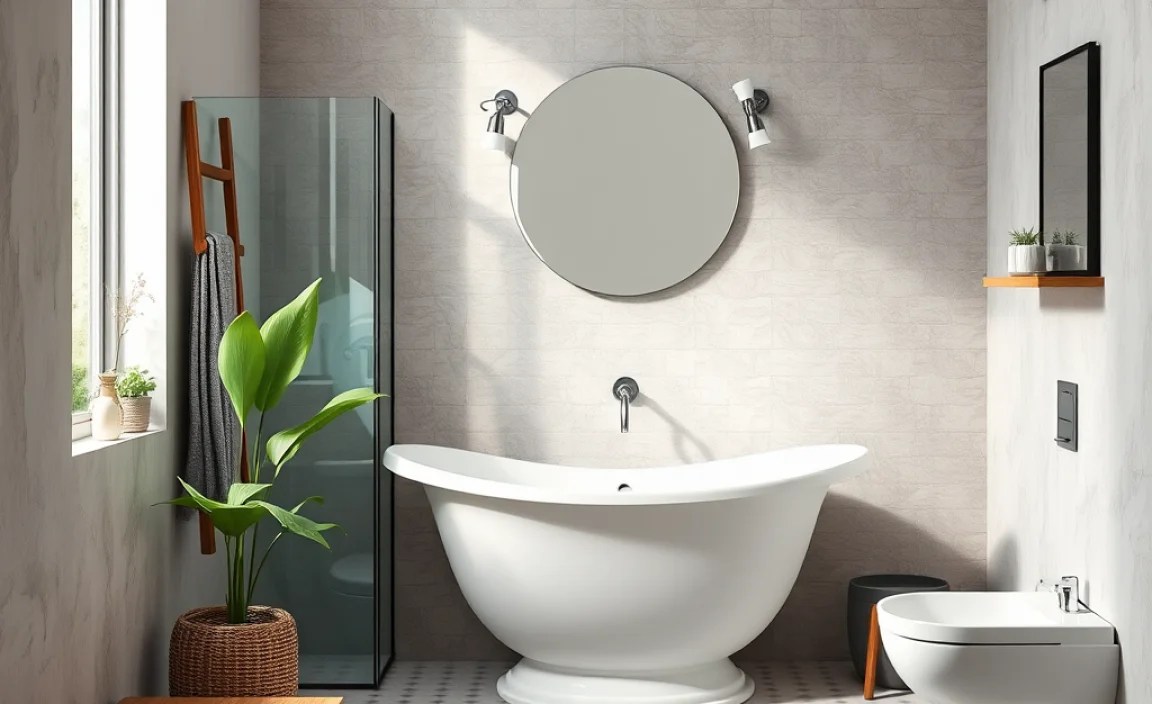
When you step into your bathroom, it’s more than just a room with a sink and a toilet. It’s a carefully designed space with several key components working together. For beginners, knowing these parts is the first step to understanding how they function and, importantly, how to maintain them. We’ll cover the main fixtures and the systems that keep them running smoothly.
The Core Fixtures: Sink, Toilet, and Shower/Tub
These are the heroes of your bathroom. Each has its own set of components that are good to recognize.
The Sink (Lavatory)
Your sink is where you wash your hands, brush your teeth, and more. It might look simple, but a few things are happening under the surface.
- Basin: This is the main bowl where water collects.
- Faucet (Tap): This controls the flow of hot and cold water. You’ll typically see handles or a single lever.
- Aerator: A small screen at the tip of the faucet that mixes air with water. This reduces splashing and saves water.
- Drain: The hole at the bottom of the basin that lets water out.
- Strainer/Stopper: This is the piece that fits into the drain to stop water from flowing out or to catch debris. It can be a pop-up stopper, a lift-and-turn, or a simple plug.
- P-Trap: Located beneath the sink, this curved pipe is crucial. It holds a small amount of water to create a seal that prevents sewer gases from coming up into your bathroom.
The Toilet (Water Closet)
The toilet is a marvel of simple mechanics, but its parts can be confusing. Knowing these will help if you ever need to troubleshoot.
- Tank: The back part of the toilet that holds water for flushing.
- Lid and Seat: The parts you lift to use the toilet.
- Bowl: The main part of the toilet where waste goes. A small amount of water always sits in the bowl.
- Flush Handle/Button: Activates the flushing mechanism.
- Internal Tank Components: These are hidden under the lid but are key to flushing. They include:
- Flapper: A rubber seal that lifts to allow water from the tank into the bowl.
- Fill Valve (Ballcock): This refills the tank with water after each flush and stops the water when the tank is full.
- Float Ball/Cup: Attached to the fill valve, it rises with the water level and signals the valve to shut off.
- Water Supply Line: The flexible hose connecting the wall’s water shut-off valve to the toilet tank.
- Shut-off Valve: Usually located on the wall behind the toilet, this valve stops water flow to the toilet. It’s essential for repairs.
The Shower or Bathtub
Whether you prefer a quick shower or a long bath, these fixtures have their own set of important parts.
- Tub: The basin that holds water for bathing.
- Showerhead: Where the water comes out during a shower.
- Faucet/Valve: Controls the water temperature and flow for both the showerhead and, if applicable, the tub spout.
- Diverter: A mechanism (often a knob or lever) that directs water from the tub spout to the showerhead.
- Drain: Located at the bottom of the tub, it allows water to escape.
- Overflow Drain: A safety feature above the main drain that prevents the tub from overflowing. Water that goes into the overflow drain also goes down the main drainpipe.
The Invisible Plumbing: What Makes it Work
While you see the fixtures, a network of pipes is silently working behind your walls and floors. Understanding the very basics of plumbing can demystify many common issues.
- Supply Lines: These pipes bring fresh, clean water from your home’s main water source to your fixtures (sink, toilet, shower). They are usually made of copper, PEX (cross-linked polyethylene), or CPVC (chlorinated polyvinyl chloride).
- Drain Pipes: These pipes carry wastewater away from your fixtures to your home’s sewer system or septic tank. They are typically larger in diameter and slope downwards to allow gravity to do the work.
- Vents: These are crucial for your plumbing system to function correctly. Vent pipes connect to your drain pipes and run up to the roof. They allow air into the drain system, which helps wastewater flow smoothly and prevents the vacuum effect that can suck water out of your P-traps. This is why you don’t smell sewer gas! You can learn more about how plumbing systems work from resources like the EPA’s WaterSense Plumbing Basics.
Essential Bathroom Upkeep for Beginners

Taking care of your bathroom doesn’t require being a master plumber. A few regular checks and simple steps can prevent big problems and keep your bathroom running efficiently.
Preventative Maintenance: Your Best Friend
The easiest way to deal with bathroom issues is to prevent them from happening in the first place. Here are some simple habits:
- Wipe Up Spills: Immediately clean up any water that spills around the sink, toilet, or tub. This prevents water damage to floors and cabinets.
- Check for Leaks Regularly: Take a quick look under your sink and behind your toilet every few weeks. Do you see any drips or damp spots?
- Don’t Flush Inappropriate Items: Only toilet paper and human waste should go down the toilet. Wipes, paper towels, feminine hygiene products, and “flushable” wipes can clog your system.
- Clean Drains: Regularly clean away hair and soap scum from sink and shower drains to prevent clogs.
- Test Your Toilet Flapper: If you suspect your toilet is constantly running, a simple test can help. Put a few drops of food coloring into the toilet tank and wait 15-20 minutes without flushing. If color appears in the bowl, your flapper is leaking, and you’ll need to replace it.
Simple Fixes You Can Tackle
Some common bathroom annoyances have straightforward solutions that don’t require extensive tools or knowledge.
Dealing with a Clogged Drain
A slow or clogged drain is a common bathroom problem. Before calling a professional, try these steps:
- Clear Visible Debris: Remove any visible hair or gunk from the drain opening.
- Use Hot Water: Pour a kettle of boiling water down the drain. This can help dissolve soap scum and grease. Be cautious with boiling water if you have PVC pipes; warm to hot water is safer and often effective.
- Baking Soda and Vinegar: Pour about a cup of baking soda down the drain, followed by a cup of white vinegar. Let it fizz for about 30 minutes, then flush with hot water.
- Plunger Power: For toilets and sink drains, a plunger can be very effective. Ensure there’s enough water in the sink or bowl to cover the plunger cup. Create a tight seal and plunge vigorously.
- Drain Snake (Auger): For tougher clogs, a simple hand-crank drain snake can be helpful. You can rent or buy these at most hardware stores. Gently feed the snake into the drain until you reach the clog, then crank to break it up or pull it out. Consult resources like This Old House for detailed instructions on using a drain snake.
A Running Toilet
A toilet that won’t stop running is not only annoying but also a waste of water. Often, the culprit is the flapper inside the tank.
- Lift the Tank Lid: Gently remove the lid of the toilet tank.
- Check the Flapper: Look at the flapper at the bottom of the tank. Is it sealing properly? Is the chain connected to it too tight, preventing a full seal?
- Adjust or Replace the Flapper: If the chain is too tight, try adjusting its length. If the flapper itself looks worn or damaged, it’s inexpensive and easy to replace. You’ll need to turn off the water supply using the shut-off valve, flush the toilet to empty the tank, remove the old flapper and chain, and install the new one according to the package instructions. Turn the water back on and test.
Fixing a Dripping Faucet
A small drip can waste a surprising amount of water. The solution often depends on the type of faucet you have (compression, cartridge, ball, or ceramic disk).
For many common types, the issue is a worn-out washer or O-ring. The process generally involves:
- Turn off the water: Find the shut-off valves under the sink (usually small knobs) and turn them clockwise until they stop.
- Disassemble the Faucet: This varies by faucet type, but typically involves removing decorative caps, unscrewing handles, and then accessing the internal parts like cartridges or stems.
- Identify and Replace Worn Parts: Look for rubber washers or O-rings that appear cracked, brittle, or flattened. Take the old part to the hardware store to ensure you get an exact match.
- Reassemble: Put everything back together in reverse order.
- Turn on water and test: Slowly turn the shut-off valves back on and check for leaks.
If you’re unsure about your faucet type, a quick search for “how to fix a dripping [your faucet brand/type] faucet” can provide specific instructions and videos.
Essential Tools for Beginner Bathroom Maintenance
You don’t need a massive toolbox to handle basic bathroom tasks. A few well-chosen tools will cover most needs.
| Tool | Purpose | Beginner Tip |
|---|---|---|
| Adjustable Wrench | Tightening or loosening nuts and bolts of various sizes (e.g., on supply lines or faucet connections). | Start with the jaws wide open, then slowly adjust them to fit snugly on the nut or bolt to avoid stripping it. |
| Plumber’s Wrench (Pipe Wrench) | Gripping and turning pipes. Use sparingly as it can damage finishes. | Usually best reserved for tasks where a strong grip is needed on a pipe, like some P-trap adjustments. |
| Screwdriver Set (Phillips and Flathead) | Removing faucet handles, toilet seats, or other components. | Ensure the screwdriver head is the correct size and type for the screw to prevent damage. |
| Plunger | Clearing clogs in toilets and drains. | Have a dedicated toilet plunger (with a flange) and a cup plunger for sinks/showers. |
| Pliers (Slip-joint or Channel-lock) | Gripping, bending, or cutting. Useful for holding small parts or turning slightly corroded nuts. | Channel-lock pliers offer more grip and adjustability. |
| Bucket | Catching drips or water during repairs. | Essential for any work involving draining pipes. |
| Rag or Towels | Cleaning up messes, protecting surfaces. | Keep plenty on hand! |
| Utility Knife | Cutting caulk or other materials. | Use with extreme caution to avoid cuts. |
Common Bathroom Terminology Explained
As you tackle maintenance, you’ll encounter terms that might sound technical. Here’s a quick breakdown to help you feel more comfortable.
- PSI: Pounds per square inch. This is a measure of water pressure. Normal household water pressure is typically between 40-60 PSI. Too high, and it can damage your pipes; too low, and you’ll have weak flow. You can test your home’s water pressure with a simple water pressure gauge.
- GPM: Gallons per minute. This measures the flow rate of water. Water-saving fixtures aim to reduce GPM.
- Shut-off Valve: A device that can stop the flow of water to a specific fixture or an entire house. Knowing where these are is vital for emergencies.
- Thread Seal Tape (Teflon Tape): A white, non-adhesive tape that plumbers wrap around threaded pipe connections to create a watertight seal and make disassembly easier later.
- Caulk: A flexible sealant used to fill gaps and cracks, especially around tubs, sinks, and toilets, to prevent water from seeping into walls or floors.
- Fixture: Any plumbed device in your bathroom, such as a toilet, sink, shower, or faucet.
- O-Ring: A rubber ring used as a seal in faucets and other plumbing connections.
- Cartridge: A valve mechanism found in many modern faucets that controls water flow and temperature.
When to Call a Professional

While this guide empowers you to handle many common tasks, it’s important to know your limits. Some issues are best left to the experts.
- Major Leaks Under Pressure: If you have a leak from a supply line or a valve that you can’t shut off, or if water is spraying forcefully, turn off your home’s main water supply immediately and call a plumber.
- Sewer Line Backups: If multiple drains in your house are backing up, or if your toilet is backing up and won’t clear with a plunger, it could indicate a blockage in your main sewer line.
- Unusual Noises: Banging, knocking (water hammer), or persistent shrieking sounds from your pipes could signal more significant plumbing problems.
- Persistent Clogs: If you’ve tried all the DIY drain-clearing methods and the clog remains, a professional plumber has specialized equipment to resolve it.
- Water Heater Issues: Problems with hot water supply or the water heater itself are usually best handled by a qualified technician.
- Mold or Mildew: Extensive mold growth can be a health hazard and may indicate underlying water intrusion issues that need professional assessment.
Consulting organizations like the National As
