
Have you ever wondered how toilets work? They are more than just a seat and a flush! Toilets are a key part of plumbing in our homes. They use a fascinating mix of science and design. Understanding the details of toilets in plumbing helps us appreciate their importance. Let’s explore more about these amazing fixtures!
Key Takeaways
- Toilets are essential in every home for sanitation.
- They operate using water and gravity.
- The details of toilet in plumbing include pipes and valves.
- Proper maintenance prevents clogs and leaks.
- Modern toilets save water and are eco-friendly.
How Toilets Use Water and Gravity

Toilets use a clever mix of water and gravity. When you flush, water from the tank rushes into the bowl. This water pushes waste down the drain. The design relies on gravity to help the waste flow through pipes. Understanding this helps us see why toilets rarely clog. Water in the tank is stored at a higher level than the bowl. This height difference is key to the process. When you press the lever, it opens a valve. This releases water swiftly, creating a powerful flush.
- Water fills the tank after each flush.
- Gravity helps waste flow down.
- The lever opens the flush valve.
- The siphon effect helps empty the bowl.
- A refill tube adds water to the bowl.
The toilet’s design uses simple physics. The flush valve, or flapper, lifts and releases water. This water rushes into the bowl, pushing waste away. After flushing, the flapper closes. Then, fresh water fills the tank again. This cycle repeats each time you flush. Toilets may seem simple, but they are engineering marvels. They combine water dynamics and gravity to stay efficient.
Fun Fact or Stats : The average toilet uses around 1.6 gallons per flush.
The Importance of Toilet Design
Why is toilet design important? It’s all about efficiency and comfort. The right design can save water and prevent clogs. Engineers design toilets with curves and angles for a smooth flush. These shapes help waste flow easily. Old toilets use more water, while new ones use less. Choosing a well-designed toilet can save money and help the environment.
Understanding the Flush Mechanism
The flush mechanism is the heart of the toilet. Did you know it’s controlled by a handle, chain, and flapper? When you pull the handle, it lifts the chain. This action raises the flapper, letting water pour into the bowl. Understanding these parts helps you fix simple problems. Have you ever needed to jiggle the handle? This often fixes a loose chain.
Types of Toilets and Their Features
Did you know there are different types of toilets? Each has unique features. There’s the standard gravity toilet, which uses simple flushing. Pressure-assisted toilets use air pressure for a stronger flush. Dual-flush toilets let you choose a half or full flush. This choice saves water. Picking the right toilet can improve your bathroom experience.
Pipes and Valves in Toilet Plumbing

Toilets connect to a network of pipes and valves. These parts direct water to and from the toilet. The pipes carry waste away. Valves control water flow to the tank. Good plumbing is key to a working toilet. If a pipe leaks, it can cause problems. Regular checks can prevent these issues. Pipes and valves are like the veins and arteries of your toilet system.
- Pipes carry waste from the toilet.
- Valves control water flow to the tank.
- Pipes and valves need regular maintenance.
- Leaking pipes can cause water damage.
- Proper plumbing ensures an efficient toilet.
Understanding pipes and valves helps prevent plumbing problems. The pipes are usually hidden behind walls. Valves are often near the toilet. If a toilet doesn’t refill, check the valve. Sometimes, turning it off and on fixes the issue. Knowing what each part does helps you keep your toilet in top shape.
Fun Fact or Stats : The world’s longest plumbing line was 3 miles long!
The Role of the Fill Valve
What does a fill valve do? It’s crucial for refilling the tank. After each flush, the fill valve opens. It lets water flow into the tank. When the tank is full, the valve closes. This action stops the water. If the fill valve breaks, the tank won’t fill. Regular check-ups ensure it works well. A faulty fill valve can waste water.
Exploring Waste Pipes
Have you ever thought about waste pipes? They transport waste away quickly. These pipes connect to the toilet’s base. They slope downward to use gravity. This slope helps waste move without clogging. Pipes are usually made of strong materials. They withstand years of use. Maintaining them is important for a clean home.
Understanding the Shut-off Valve
The shut-off valve is a small but vital part. Have you seen it near the toilet? It controls water flow to the toilet. Turning it off stops leaks during repairs. It’s handy during emergencies. If a toilet overflows, the valve stops the flow. Learning to use it is quite helpful. It’s a simple way to prevent water damage.
Water-Saving and Eco-Friendly Toilets

Modern toilets are designed to save water. They help protect our environment. Eco-friendly toilets use less water per flush. This saves resources and lowers water bills. Dual-flush toilets offer a choice between half and full flushes. This feature reduces water use. Composting toilets do not use water at all. They turn waste into compost.
- Eco-friendly toilets reduce water bills.
- Dual-flush toilets save water.
- Composting toilets create soil from waste.
- Water-saving toilets are better for the environment.
- Using less water helps conserve resources.
Switching to a water-saving toilet benefits everyone. It lowers water use, saving money and the planet. Many new homes install these toilets. They are a smart choice for modern living. Over time, they make a big difference. Investing in eco-friendly options helps create a sustainable future.
Fun Fact or Stats : A dual-flush toilet can save up to 4,000 gallons a year!
Benefits of Dual-Flush Toilets
Why are dual-flush toilets popular? They offer two flush options. You choose a half flush for liquid waste. This option saves water. A full flush clears solid waste. Dual-flush toilets are great for homes and schools. They help save water daily. They are simple to use and very effective.
How Do Composting Toilets Work?
Have you heard of composting toilets? They don’t need water. Instead, they turn waste into compost. This is great for remote areas. How do they work? Waste falls into a composting chamber. Microbes break it down. Over time, it becomes usable soil. This process is eco-friendly and sustainable.
Choosing the Right Water-Saving Toilet
How do you pick a water-saving toilet? Look for ones with a WaterSense label. This label means it meets strict water-saving rules. Consider the flush type, too. Dual-flush and low-flow toilets are good choices. Visit a store to see models in action. Choosing the right toilet helps conserve water and save money.
Common Toilet Problems and Solutions
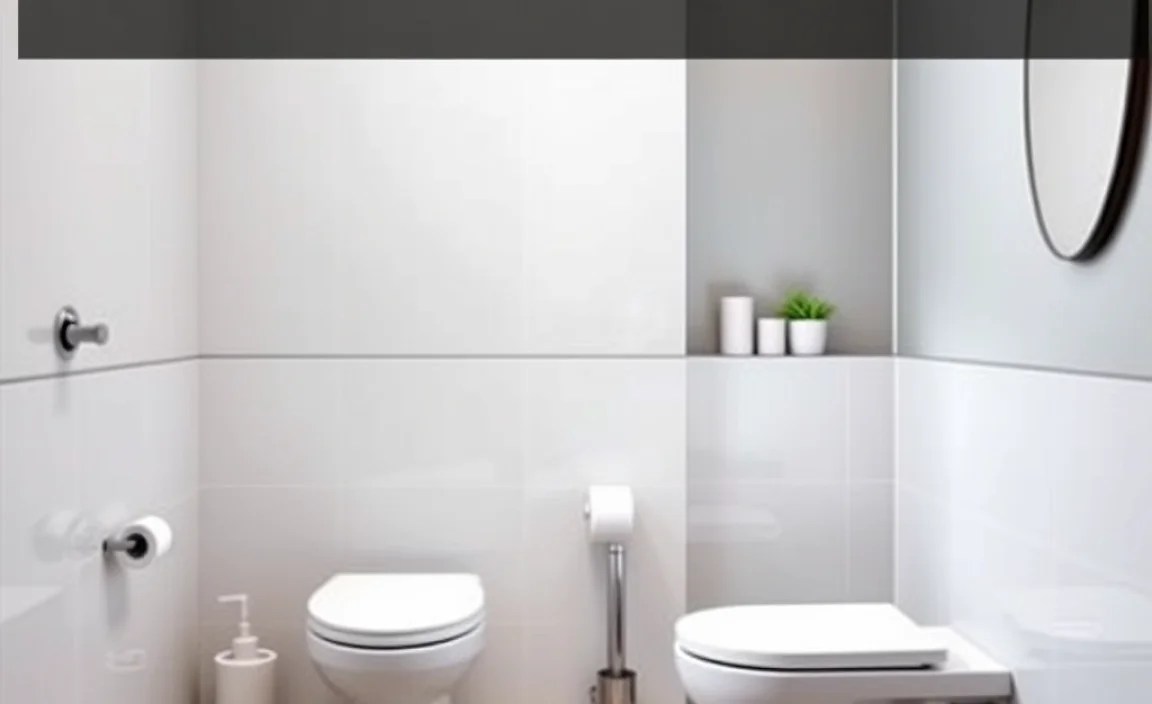
Toilets sometimes have problems. Knowing how to fix them is important. A common issue is a running toilet. This happens when the flapper doesn’t seal. Replacing the flapper often fixes it. Another problem is a clog. Plungers are great for this. Sometimes, toilets won’t flush fully. This may be due to low water levels.
- Running toilets waste water.
- Clogs need a good plunger.
- Low water levels affect flushing.
- Check for leaks regularly.
- Fixing small issues saves money.
Knowing how to fix minor toilet issues saves time and money. It also prevents bigger problems. Always check your toilet after noticing unusual sounds. Look for leaks around the base. Regular maintenance helps keep toilets in top condition.
Fun Fact or Stats : Toilets use 30% of a household’s indoor water!
Fixing a Running Toilet
What causes a running toilet? Often, it’s a worn flapper. The flapper is the rubber part that seals the tank. Over time, it can wear out. Replacing it is simple. Turn off the water. Remove the old flapper and attach a new one. This quick fix stops the toilet from wasting water.
Solving Toilet Clogs
Has your toilet ever clogged? It can be frustrating. A plunger is your best tool. Use it to push and pull on the clog. This breaks it up. Avoid flushing more than the toilet can handle. Flush only toilet paper and waste. This prevents future clogs and keeps pipes clear.
Why Toilets May Not Flush Properly
Ever had a toilet that won’t flush well? Check the water level first. It should be just below the overflow tube. If it’s low, adjust the float. This lets more water into the tank. A proper water level ensures a strong flush. It’s a quick fix that makes a big difference.
| Problem | Solution | Prevention |
|---|---|---|
| Running Toilet | Replace flapper | Regular checks |
| Clogged Toilet | Use plunger | Flush only waste |
| Poor Flushing | Adjust water level | Maintain water level |
| Leaking Base | Replace wax ring | Tighten bolts |
Conclusion
Toilets are a vital part of our plumbing systems. Understanding the details of toilet in plumbing helps us fix problems. With proper care, they last a long time. Modern toilets save water, which helps the environment. Remember to check your toilet regularly. This ensures it works well and saves resources. Toilets are fascinating fixtures that make our lives easier.
FAQs
Question: How does a toilet flush?
Answer: A toilet flushes using water and gravity. When you press the lever, it opens a valve. This releases water from the tank into the bowl. The water pushes waste down the drain using gravity.
Question: What causes a toilet to run?
Answer: A running toilet often has a worn flapper. The flapper is the rubber part that seals the tank. If it doesn’t seal properly, water will keep flowing. Replacing the flapper usually solves the problem.
Question: How do I fix a clogged toilet?
Answer: Use a plunger to unclog a toilet. It pushes and pulls on the clog, breaking it up. Make sure to flush only toilet paper and waste to prevent future clogs. Regular maintenance helps keep pipes clear.
Question: What is a dual-flush toilet?
Answer: A dual-flush toilet offers two flush options: a half flush for liquid waste and a full flush for solid waste. This feature helps save water by using less when you only need to flush liquids.
Question: Why is my toilet not flushing properly?
Answer: If a toilet doesn’t flush well, check the water level. It should be just below the overflow tube. Adjusting the float can ensure a proper water level. This quick fix often improves flushing strength.
Question: What are the details of toilet in plumbing?
Answer: The details of toilet in plumbing include the pipes, valves, and flush mechanism. These parts work together to ensure a smooth and efficient flush. Regular maintenance can prevent leaks and clogs, keeping the toilet in good working order.
