
A bathtub is a key bathroom fixture designed for personal bathing. Essential bathtub design elements include its shape, material, size, and placement, all contributing to comfort, function, style, and bathing experience. Understanding these aspects helps you choose the perfect tub for your needs and bathroom.
Ever felt a bit lost when looking at different bathtubs? It’s easy to get overwhelmed by all the options! Bathtubs might seem straightforward, but their design involves several important factors that can make a big difference in your bathroom’s look and your bathing comfort. Don’t worry, though! We’re here to break down the essential design elements of bathtubs in a way that’s super easy to understand. We’ll cover everything you need to know to appreciate bathtub design and make smart choices for your home. Get ready to feel confident about your bathroom’s most relaxing feature!
Understanding Bathtub Essentials: What Makes a Tub Work?

At its core, a bathtub is a vessel designed to hold water for bathing. But “essential design” means looking beyond just the water-holding aspect. It involves thoughtful planning that impacts everything from how comfortable you feel while soaking, to how well the tub fits into your bathroom space, and even how easy it is to clean and maintain. Think of it like buying a comfy chair – you consider its size, cushioning, and how it looks in your living room. A bathtub is similar, but with added considerations for water, plumbing, and durability.
These essential design elements work together to create a functional and aesthetically pleasing part of your bathroom. They guide decisions on everything from the type of bathtub you might choose to its final placement against a wall or as a standalone piece. Understanding these components will help you appreciate the thought that goes into every bathtub, whether you’re renovating or just curious.
Key Bathtub Design Elements Explained
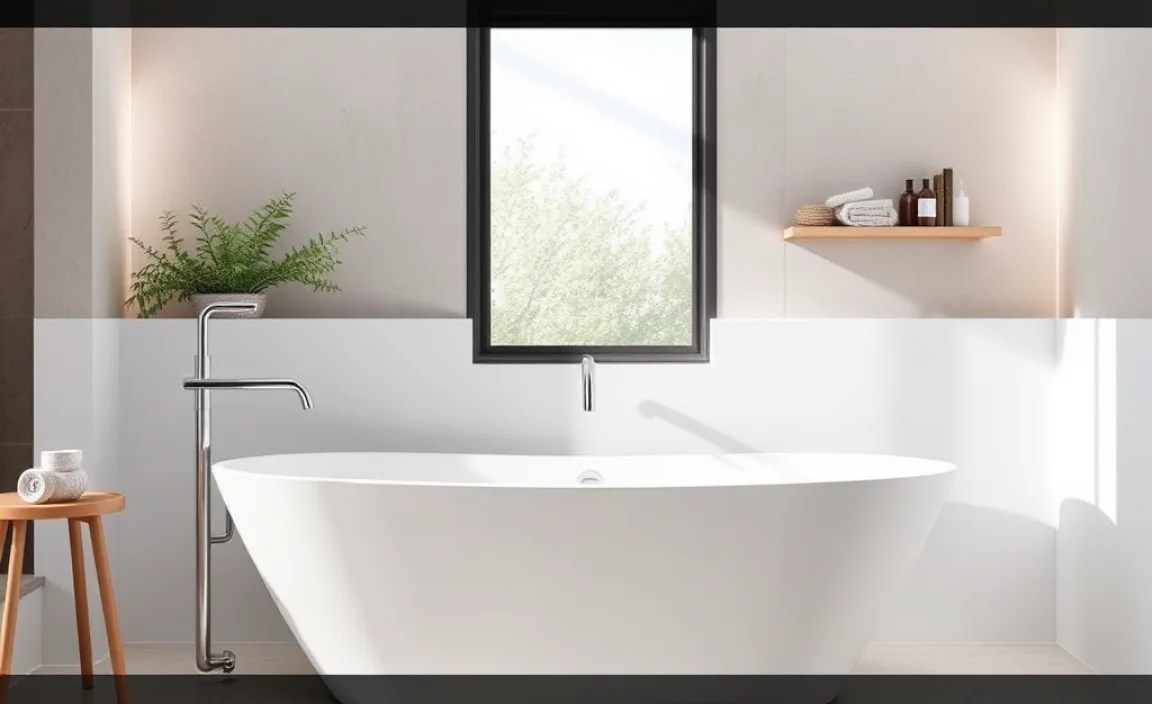
Let’s dive into the specific features that make up a bathtub’s design. These are the building blocks that determine its look, feel, and performance.
1. Bathtub Shapes
The shape of a bathtub isn’t just about looks; it directly affects comfort and how well it fits in your bathroom. Different shapes are suited for different needs and spaces.
- Rectangular/Standard Tubs: This is the most common shape, mimicking the shape of most bathrooms. They are space-efficient and offer a familiar bathing experience.
- Oval Tubs: Often seen in freestanding designs, oval tubs provide a more luxurious and cohesive look, with smooth curves that can be very comfortable for lounging.
- Corner Tubs: Designed to fit into a corner, these tubers can be triangular, square, or even curved to maximize bathroom space, especially in smaller bathrooms.
- Round Tubs: Less common, round tubs are often built-in or designed as soaking tubs, offering a unique look and a spacious feel.
- Slipper Tubs: These have one sloping side, allowing for a more reclined and comfortable soaking position. They often evoke a classic, elegant feel.
- Japanese Soaking Tubs (Ofuro): These are typically deeper and smaller than standard tubs, designed for sitting upright and immersing the body in hot water for relaxation rather than full reclining.
2. Bathtub Materials
The material of a bathtub significantly influences its durability, heat retention, weight, cost, and appearance. Each material has its own set of pros and cons.
Common Bathtub Materials & Their Properties
| Material | Pros | Cons | Typical Cost Range (USD) |
|---|---|---|---|
| Acrylic | Lightweight, durable, good heat retention, easy to mold into various shapes, affordable. Often reinforced with fiberglass. |
Can scratch or fade over time, not as durable as solid stone or cast iron, some cheaper versions can feel flimsy. | $300 – $2,000+ |
| Fiberglass (with Gel Coat) | Lightweight, inexpensive, easy to install. | Less durable, prone to scratches and cracks, poor heat retention, can fade. | $200 – $1,000 |
| Cast Iron (Enameled) | Extremely durable, excellent heat retention, beautiful glossy finish, classic look. | Very heavy, requires strong floor support, can be expensive, enamel can chip if impacted. | $1,000 – $3,500+ |
| Steel (Enameled) | More affordable than cast iron, reasonably durable, lighter weight than cast iron. | Enamel can chip easily, can rust if chipped, not as good heat retention as cast iron. | $400 – $1,500 |
| Solid Surface (e.g., Engineered Stone, Cultured Marble) | Durable, non-porous (hygienic), seamless look, good for custom shapes, can be repaired. | Can be heavy, generally more expensive, may show scratches more readily than acrylic if not maintained. | $1,500 – $5,000+ |
| Natural Stone (e.g., Marble, Granite) | Luxurious, unique natural beauty, highly durable, excellent thermal mass (retains heat well). | Extremely heavy and expensive, requires sealing, can be porous and stain-prone if not properly sealed, challenging to install. | $3,000 – $10,000+ |
When choosing a material, consider your budget, the aesthetic you’re aiming for, and the structural capabilities of your bathroom floor. For instance, a heavy cast-iron tub might require reinforcing your floor joists. For more information on bathroom renovation considerations, check out resources like US Consumer Product Safety Commission for safety guidelines.
3. Bathtub Size and Depth
The dimensions of a bathtub are crucial for both comfort and fitting into your available space. Standard tubs are generally around 60 inches long and 30-32 inches wide, with a depth of about 14-18 inches. However, variations are common.
- Soaking Depth: This refers to how high the water level can reach when the tub is filled. Deeper tubs offer a more immersive and relaxing experience.
- Internal Dimensions: This is what really matters for comfort. A wider tub allows you to stretch out more, while a longer tub accommodates taller individuals.
- External Dimensions: These determine if the tub will physically fit into your bathroom alcove or space. Always measure your doorway and hallway clearances to ensure delivery is possible!
When considering size, think about who will be using the tub most often. A family with young children might prioritize a wider, more accessible tub. A single person seeking a luxurious retreat might prefer a deeper, more enclosed soaking tub.
4. Bathtub Installation Types
How a bathtub is installed also defines its design and its impact on the bathroom’s layout. The main types are:
- Alcove Tubs: These are the most common and are designed to fit into a three-walled enclosure (an alcove). They usually have one finished front side.
- Drop-In Tubs: These are installed into a deck or surround that is already built. The tub “drops” into a prepared opening, with the rim resting on the deck.
- Undermount Tubs: Similar to drop-in tubs, but the rim of the tub is installed beneath the deck, creating a sleek, seamless look.
- Freestanding Tubs: These tubs are not attached to any walls and can be placed anywhere in the bathroom. They often serve as a focal point and come in various styles like clawfoot or modern minimalist designs.
- Corner Tubs: As mentioned earlier, these are designed to fit snugly into a bathroom corner, often featuring a triangular or curved front.
5. Ergonomics and Comfort Features
Beyond basic shape and size, modern bathtub design incorporates ergonomic considerations to enhance comfort.
- Sloped Backrests: A well-angled backrest allows you to recline comfortably.
- Armrests: Integrated armrests provide support and a place to relax your arms.
- Foot Rests: Some tubs feature contoured areas for your feet to rest naturally.
- Tanning Ledges: In some larger tubs, a shallow ledge at one end can be used to sit on the edge while soaking or to rest a book or drink.
These features transform a simple basin into a more supportive and therapeutic bathing experience. High-end tubs might even include built-in pillows or contoured seating.
6. Water Jets and Air Systems (Whirlpool and Air Baths)
While not strictly part of the basic structural design, these features are significant design additions that enhance the bathing experience dramatically.
- Whirlpool Tubs: These feature water jets that propel water and air around your body, providing a powerful massage. They are great for muscle relaxation and hydrotherapy.
- Air Tubs (Air Baths): These tubs have numerous small jets that release warm air, creating thousands of tiny bubbles for a gentle, effervescent massage. It’s a more subtle and soothing experience than a whirlpool.
The placement, number, and power of these jets are all part of the design to ensure optimal therapeutic benefit and comfort. For detailed information on plumbing and water systems in your home, consider resources from the EPA WaterSense program regarding water efficiency.
7. Drain and Overflow Placement
Even seemingly minor details like drain and overflow positions are carefully considered in bathtub design.
- Drain Location: Typically at the foot of the tub, but some designs place it at the head for specific soaking postures. The drain should be easily accessible for cleaning.
- Overflow Outlet: This safety feature prevents the tub from overflowing. Its placement and design can also contribute to the overall aesthetic. Some modern designs integrate the overflow into the drain assembly for a cleaner look.
8. Faucet and Fixture Compatibility
The design of a bathtub often dictates where faucets and other fixtures can be installed. Some tubs have pre-drilled holes, while others are designed for wall-mounted or deck-mounted faucets.
- Deck-Mounted: Faucets are installed on the rim or deck of the tub. Common with drop-in or freestanding tubs.
- Wall-Mounted: Faucets are installed on the wall behind the tub. Often used with alcove tubs.
- Freestanding Faucets: Special faucets designed to stand independently next to a freestanding tub, often a design statement in themselves.
The style and placement of these fixtures are integral to the overall bathroom design and require careful coordination with the bathtub’s design.
The Aesthetics of Bathtub Design

Beyond function, bathtub design is heavily influenced by aesthetics, aiming to complement and elevate the overall style of the bathroom.
Classic vs. Modern Aesthetics
- Classic: Often features clawfoot designs, cast iron materials, and traditional finishes. These evoke a sense of vintage luxury and can be paired with ornate fixtures.
- Modern: Characterized by clean lines, minimalist designs, and materials like acrylic or solid surface. They often pair well with sleek, contemporary fixtures and can be square, rectangular, or have unique organic shapes.
Color and Finish Choices
While white remains the most popular color for bathtubs due to its association with cleanliness, a vast array of colors and finishes are available. From subtle pastels to bold hues, and finishes like matte, gloss, or even textured surfaces, color and finish play a significant role in the bathtub’s visual impact.
Choosing the Right Bathtub for Your Home

Selecting a bathtub involves balancing these design elements with your personal needs, bathroom space, and overall style.
Considerations for Selection:
- Bathroom Size and Layout: Measure your space carefully. An alcove tub is ideal for standard bathrooms, while a freestanding tub can become a statement piece in a larger space.
- Intended Use: Will it be for quick rinses, long soaking sessions, or family baths? This influences the ideal depth, length, and width.
- Budget: Materials, features (like jets), and brand can greatly affect the price.
- Installation Requirements: Consider weight (especially for cast iron or stone), plumbing access, and whether the floor can support the fixture.
- Maintenance: Some materials and finishes are easier to clean and maintain than others.
- Personal Preference: What style do you love? What feels most comfortable to you?
When in doubt, consult with a professional bathroom designer or a reputable plumber. They can offer expert advice tailored to your specific situation. Resources like the HGTV website offer great visual inspiration and practical tips for home renovation projects.
Conclusion
Understanding the essential design of bathtubs empowers you to make informed decisions for your home. From the crucial role of shape and material in comfort and durability, to the impact of installation type and aesthetic details on your bathroom’s overall look, each element contributes to the final bathing experience. Whether you’re drawn to the classic elegance of a clawfoot tub, the space-saving efficiency of an alcove design, or the modern luxury of a deep soaking tub, there’s a design out there perfect for you.
By considering your available space, budget, and how you envision using your bathtub, you can confidently select a fixture that not only serves its purpose but also enhances your daily routine and the beauty of your home. Armed with this knowledge, you’re well-equipped to choose a bathtub that brings comfort, style, and relaxation to your bathroom for years to come.
FAQs
Q1: What is the most popular bathtub material?
Acrylic is currently the most popular material due to its affordability, durability, lightweight nature, and versatility in design. It offers a good balance of features for most homeowners.
Q2: What’s the difference between a whirlpool tub and an air bath?
A whirlpool tub uses powerful water jets for a deep muscle massage. An air bath uses numerous small jets to release warm air, creating a gentle, effervescent bubbling sensation.
Q3: How much space do I need for a freestanding bathtub?
Freestanding tubs require more space. You’ll need enough room around the tub to walk and clean, typically at least 12-18 inches on most sides, plus clearance for fixtures and doors.
Q4: Can I put a bathtub in a small bathroom?
Yes! Corner tubs, smaller alcove tubs (around 48-54 inches), or even specialized compact soaking tubs can be great options for small bathrooms. Careful planning is key.
Q5: What does “soaking depth” mean for a bathtub?
Soaking depth refers to the height of the water that can fill the tub before it reaches the overflow drain. A deeper soaking depth means you can submerge more of your body for a more comfortable and relaxing bath.
Q6: Are clawfoot tubs hard to maintain?
Clawfoot tubs, often made of cast iron with an enamel finish, can be durable. However, the enamel can chip over time if not treated carefully. Regular cleaning with non-abrasive cleaners is recommended to keep the finish pristine.
Q7: What installation type is best for a modern bathroom?
Modern bathrooms often benefit from the clean lines of undermount or drop-in tubs integrated into a sleek deck, or minimalist freestanding tubs with contemporary shapes. The choice depends on the overall design aesthetic.
