
Understanding faucet descriptions is key to choosing the right one for your home. This guide breaks down essential faucet terms, types, and features in simple terms, empowering you to make confident purchasing decisions for any kitchen or bathroom project.
Tired of staring at bewildering faucet descriptions, wondering what “cartridge,” “aerator,” or “pull-down” even means? You’re not alone! Navigating the world of faucets can feel like learning a new language, especially when you just want to fix a leaky tap or upgrade your sink. This guide is here to change that. We’ll translate the jargon into plain English, helping you understand exactly what you’re looking at. Get ready to feel confident and in control as we demystify faucet descriptions, one simple term at a time. Let’s dive in, and soon you’ll be a faucet pro!
Understanding Faucet Basics: What’s What?

Before we get into the nitty-gritty of descriptions, let’s get familiar with the main parts of a faucet. Knowing these will make understanding those descriptions much easier.
The Key Components of a Faucet
- Spout: This is the part where the water comes out. It can be high, low, curved, or straight, depending on the faucet’s style and purpose.
- Handle(s): These control the water flow and temperature. You might have one handle for both hot and cold, or separate handles for each.
- Valve/Cartridge: This is the inner mechanism that controls the water. It’s the heart of the faucet, responsible for turning water on/off and mixing hot and cold.
- Base/Escutcheon: This is the decorative plate or ring that covers the hole where the faucet is mounted, providing a clean finish.
- Aerator: A small screen at the tip of the spout that mixes air with water. This reduces splashing and conserves water while maintaining pressure.
Decoding Faucet Descriptions: Essential Terms Explained
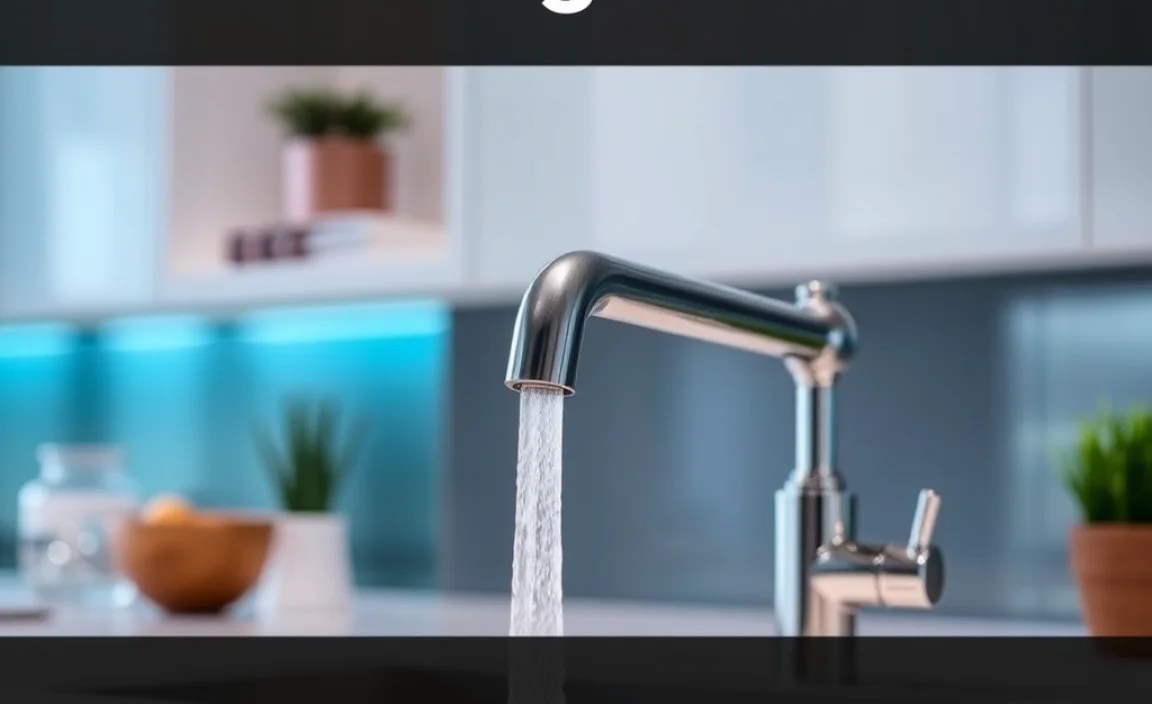
Faucet descriptions are packed with terms that might sound technical, but are actually quite straightforward once you know what they mean. Let’s break down the most common ones you’ll encounter.
Faucet Types and Configurations
When you see a faucet description, the first thing you’ll usually find is its type. This refers to how the faucet is designed to be installed and operated.
Popular Faucet Styles to Know:
- Single-Handle Faucet: Features one lever that controls both water flow and temperature. These are very common in kitchens and bathrooms for their ease of use, especially by children or those with limited mobility. Look for descriptions like “single-hole” or “single-handle widespread” to understand mounting.
- Double-Handle Faucet: Has two separate handles, usually one for hot water and one for cold. These offer more precise temperature control. They are often described by their mounting configuration, such as “centerset,” “widespread,” or “wall-mount.”
- Centerset Faucet: All hot handle, cold handle, and spout are mounted on a single base plate, typically fitting a 4-inch hole spread on sinks. Descriptions might be “3-hole, 4-inch centerset.”
- Widespread Faucet: The spout and handles are separate pieces, designed to be installed with a wider distance between them (typically 8 inches or more). This offers a more luxurious look and is common on larger sinks or countertops. Descriptions will often state “3-hole, 8-inch widespread.”
- Wall-Mount Faucet: Installed directly onto the wall behind the sink, rather than through the sink or countertop. This is a space-saving option that can give a minimalist or modern look. Usually found in kitchens, but can also be in bathrooms.
- Bridge Faucet: A style where the spout connects to the handles via a horizontal pipe or “bridge.” Often associated with a vintage or farmhouse aesthetic.
- Pull-Down vs. Pull-Out Faucets: This distinction applies to faucets with a spray head.
- Pull-Down: The spray head pulls straight down from the spout. These are common in kitchens and provide a good range of motion.
- Pull-Out: The spray head pulls straight out towards you. They often have a more compact design.
- Commercial/Commercial-Style Faucet: These often have a high arching spout with a pull-down or pull-out spray, and sometimes a separate “pre-rinse” spray. They give a professional kitchen look and are designed for heavy use. Terms like “pot filler” or “spring spout” might be used.
Material Matters: Durability and Finish
The materials used in a faucet affect its durability, appearance, and price. Descriptions will often highlight these.
Common Faucet Materials:
- Brass: A very common and durable material, especially solid brass. It’s resistant to corrosion. Often plated with other finishes.
- Stainless Steel: Excellent for corrosion resistance and durability. Gives a modern, clean look.
- Zinc Alloy: A more budget-friendly option, though it can be less durable and prone to corrosion over time compared to brass or stainless steel.
- Plastic/ABS: Often used in more affordable faucets or for internal components. Less durable and can look less premium.
Finishes: The Look and Feel
The finish is the outer coating of the faucet. It affects both its appearance and how well it resists scratches and tarnishing. Here are some popular finishes:
| Finish Name | Description | Pros | Cons |
|---|---|---|---|
| Chrome | Shiny, reflective, silver-toned. | Durable, easy to clean, affordable, widely available. | Shows water spots and fingerprints easily. |
| Brushed Nickel | Satin, matte finish with a greyish tone. | Hides water spots and fingerprints well; warm, neutral look. | Can be slightly more expensive than chrome; may have a slight yellow undertone. |
| Polished Nickel | Shiny, warm, golden hue; similar to polished brass but with a silver undertone. | Luxurious look, good durability. | Can be pricier; may show smudges. |
| Matte Black | Deep, non-reflective black. | Modern and stylish, hides water spots well. | Can show mineral deposits if not cleaned properly; quality varies significantly by brand. |
| Bronze (Oil-Rubbed, Venetian, etc.) | Varies from dark brown to coppery tones, often with red or gold undertones. Has an antique or rustic look. | Hides water spots and smudges well; unique aesthetic. | Can be more expensive; finish can wear over time, revealing brass underneath (which some people like for an antique look). |
| Gold/Brass (Polished or Brushed) | Ranges from bright, shiny gold to a softer, brushed brass. | Adds a touch of luxury and warmth; can be very durable. | Can be expensive; bright gold can look dated if not chosen carefully. |
Internal Workings: What Makes it Flow?
The “guts” of the faucet are crucial for its performance and longevity. Descriptions might hint at these mechanisms.
Understanding Valve Types:
- Compression Valve: An older, more traditional type. Uses rubber washers that compress to stop water flow. Prone to leaks over time as washers wear out. Usually found in very basic or older faucets.
- Cartridge Valve: The most common type today. Uses a self-contained cartridge (often plastic or ceramic) that moves to control water flow and temperature. Generally durable and easy to replace if needed. Descriptions will often mention “ceramic disc cartridge” for enhanced durability and smoothness.
- Ball Valve: Uses a metal or plastic ball with ports to control water. Often found in kitchen faucets. Can be durable but may require more specific parts for repair.
- Ceramic Disc Valve: A type of cartridge that uses two ceramic discs that slide against each other to control water. Extremely durable, smooth operation, and highly resistant to leaks and wear. Many modern, higher-end faucets use this. This is a good indicator of quality!
Features and Functionality
Beyond the basics, faucets come with various features designed to enhance convenience and performance.
Common Features You’ll See Described:
- Aerator: As mentioned, this is the screen at the spout tip. Descriptions might mention its flow rate (see below) or if it’s removable for cleaning.
- High-Arc Spout: The spout is tall and curved, creating more clearance underneath for filling large pots or washing bulky items.
- Swivel Spout: The spout can pivot from side to side, useful for double-basin sinks.
- Integrated Sprayer/Side Sprayer: A separate spray hose and nozzle, usually mounted next to the faucet, for rinsing dishes or the sink. Pull-down and pull-out spouts have replaced many of these.
- Touch-On/Touchless Faucets: These faucets activate water flow when you touch a specific part of the faucet or when they sense your hands nearby, respectively. Great for hygiene and convenience.
- Temperature Limiter/Anti-Scald Device: A safety feature, often adjustable, that prevents the water from getting too hot, protecting against burns. Crucial for families with young children or the elderly.
- Flow Rate (GPM): Stands for Gallons Per Minute. This specifies how much water the faucet uses. Federal regulations in the U.S. limit kitchen faucets to 2.2 GPM and bathroom faucets to 1.5 GPM (unless it’s a primary bathroom faucet, which can be up to 2.2 GPM). WaterSense certified faucets use even less. Look for EPA WaterSense labels for water-saving models. Higher GPM means faster filling but more water use.
Putting It All Together: Reading Real Faucet Descriptions

Let’s take a look at how these terms might appear in an actual product description and what they tell you.
Example 1: Kitchen Faucet
“Single-Handle Pull-Down Kitchen Faucet with Docking System and High-Arc Spout, Brushed Nickel Finish”
- Single-Handle: Easy to operate with one hand.
- Pull-Down: The spray head pulls down from the spout.
- Kitchen Faucet: Designed for kitchen sinks, usually with a higher flow rate and more features than a bathroom faucet.
- Docking System: A magnetic system that securely holds the spray head in place when not in use.
- High-Arc Spout: Provides plenty of clearance under the spout for large items.
- Brushed Nickel Finish: A matte, silvery finish that hides fingerprints and water spots well.
What this tells you: This is a modern, functional kitchen faucet that’s easy to use, offers good clearance, has a convenient spray function that stays put, and comes in a practical finish.
Example 2: Bathroom Faucet
“Widespread Bathroom Faucet with Ceramic Disc Valves, Roman Tub Spout, and Polished Chrome Finish – 8-Inch Center Faucet”
- Widespread: The spout and two handles will come as separate pieces.
- Bathroom Faucet: Designed for bathroom sinks, typically with a lower flow rate.
- Ceramic Disc Valves: Indicates durable, smooth operation and good leak resistance. A sign of quality.
- Roman Tub Spout: This is a bit of a misnomer for a bathroom sink, but it usually means a spout that’s wider or designed for a more decorative appearance, perhaps to match a Roman tub faucet style. It’s still for a sink, not a tub.
- Polished Chrome Finish: A shiny, reflective metallic finish.
- 8-Inch Center Faucet: This indicates the distance between the center of the handles. Widespread faucets are typically 8 inches or more on center.
What this tells you: This is a more decorative and potentially larger bathroom faucet. It’s designed for sinks with three separate mounting holes spaced 8 inches apart. The ceramic disc valves suggest it’s built for durability and smooth operation. The polished chrome finish is classic but may require frequent cleaning.
Choosing and Installing Your Faucet: Tips for Beginners

Now that you understand the descriptions, let’s talk about making a choice and getting it installed.
Consider Your Needs
Before you even look at descriptions, think about:
- Where is it going? Kitchens, bathrooms, laundry rooms all have different needs regarding style, functionality, and water flow.
- How many holes are in your sink/countertop? This is crucial! Modern sinks are often “pre-drilled.” A 4-inch centerset faucet needs 3 holes (or a single hole with an integrated base plate). A widespread faucet needs 3 separate holes spaced wider apart. A single-hole faucet only needs one hole.
- What’s your budget? Faucets range from under $50 to over $500.
- What style do you prefer? Modern, traditional, farmhouse, industrial?
- Do you need special features? Touchless, pull-down sprayer, high arc?
Installation Basics & When to Call a Pro
Installing a faucet can be a rewarding DIY project, but it’s important to know your limits. For basic replacement, it’s often manageable. However, if you’re drilling new holes in a countertop, dealing with complex plumbing, or encountering leaks you can’t fix, it’s best to call a qualified plumber. Resources like the HomeTips plumbing section offer great DIY advice, but safety and proper sealing are paramount.
Basic Installation Steps (General):
- Turn off the water supply! Find the shut-off valves under the sink and turn them clockwise until they stop. Turn on the old faucet to drain any residual water and relieve pressure.
- Disconnect water supply lines. Use a wrench to unscrew the flexible water lines from the shut-off valves and the faucet. Have a bucket ready for any drips.
- Remove the old faucet. Look under the sink for nuts or mounting hardware holding the faucet in place. Unscrew these and lift the old faucet out from above.
- Clean the sink surface. Remove any old putty or sealant.
- Install the new faucet. Follow the manufacturer’s instructions carefully. This usually involves placing the new faucet through the sink holes, securing it from underneath with its mounting hardware, and connecting the new water supply lines.
- Turn water supply back on. Slowly turn the shut-off valves counter-clockwise.
- Check for leaks. Turn the faucet on and off, checking all connections under the sink for any drips.
- Test the faucet. Ensure hot and cold water run correctly, and all features (like the sprayer) work as expected.
FAQ: Your Faucet Questions Answered
Q1: What does “flow rate” on a faucet mean?
A1: Flow rate, measured in Gallons Per Minute (GPM), tells you how much water the faucet uses when it’s fully on. Lower GPM means water conservation. The U.S. EPA’s WaterSense program (epa.gov/watersense) certifies faucets that use at least 20% less water than federal standards, saving money and resources.
Q2: What’s the difference between cartridge and ceramic disc valves?
A2: Both are modern valve types that use a cartridge to control water. Ceramic disc valves are a type of cartridge that uses two extremely hard ceramic discs that slide against each other. They are known for exceptional durability, smooth operation, and resistance to leaks, making them a superior choice for longevity.
Q3: My faucet description says “3-hole, 4-inch centerset.” What does that mean for my sink?
A3: This means the faucet is designed to fit a sink or countertop with three holes drilled. The “4-inch centerset” indicates that the distance between the center of the outer two holes (usually for the handles) is 4 inches. The spout is typically in the middle. This is a common configuration for many standard bathroom sinks and some kitchen sinks.
