
Understanding faucet system pros and cons is crucial for homeowners. Choosing the right system impacts water efficiency, maintenance ease, and overall cost. We’ll break down the benefits and drawbacks of common faucet types to help you make an informed decision.
Hey there, DIYers and homeowners! Bryan Lee here, ready to tackle a common household puzzle: your faucet system. Ever felt a bit lost when it comes to understanding the ins and outs of faucet types? It’s a common frustration, especially when you’re looking to upgrade or troubleshoot. You want something that works great, looks good, and doesn’t break the bank or your spirit trying to maintain it.
That’s perfectly achievable! This guide is here to demystify faucet systems, breaking down the good and the not-so-good. We’ll equip you with the knowledge to make smart choices for your home, ensuring comfort and efficiency. Get ready to feel confident about your next faucet decision!
Understanding Faucet Systems: More Than Just a Handle


When we talk about a “faucet system,” we’re really referring to the entire setup that delivers water to your sink, shower, or tub. It’s not just the shiny part you see; it includes the internal workings, the connection to your home’s plumbing, and the way water flow is controlled.
Different types of faucet systems have unique ways of managing water temperature and pressure, and each comes with its own set of advantages and disadvantages. For beginners, it’s easy to get overwhelmed by terms like “cartridge,” “ball,” or “compression,” but understanding these basics can save you a lot of headaches and money down the line. Our goal is to make this straightforward, so you can confidently choose, install, or repair your faucet.
Common Faucet System Types and Their Characteristics
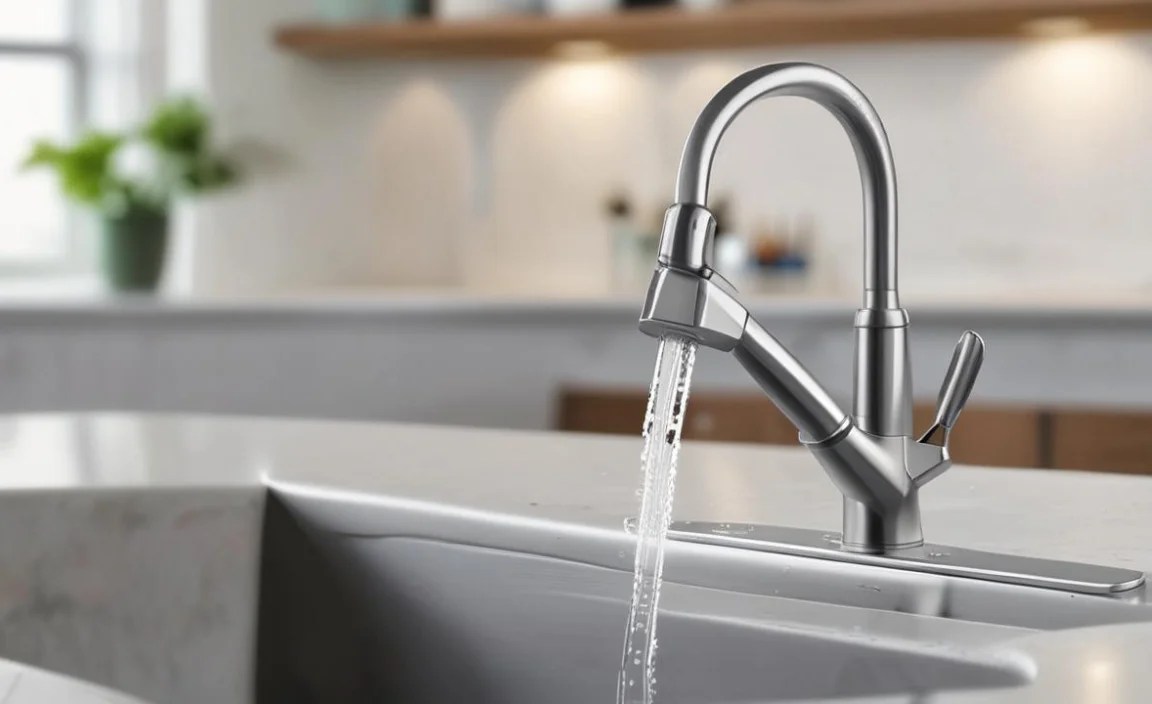
The world of faucets might seem vast, but most systems can be categorized into a few main types. Each type operates differently, affecting how they perform, how easy they are to fix, and their overall lifespan. Let’s dive into the most common ones you’ll encounter:
- Compression Faucets: These are the oldest and most traditional type. They work by using two separate handles (one for hot, one for cold) that tighten down with rubber washers to stop water flow. Think of it like a tiny gatekeeper with a screw mechanism.
- Ball Faucets: Recognizable by a single handle that moves over a rounded cap, ball faucets use a rotating cylindrical ball with internal ports to control water. They were popular for their simplicity but can sometimes develop leaks.
- Cartridge Faucets: These are very common in modern homes and apartments. They feature a single handle that controls both water flow and temperature by moving a stem cartridge up and down and side-to-side. They offer a smooth operation and are generally reliable.
- Ceramic Disk Faucets: The newest and often considered the most durable type. They use two ceramic disks that move against each other, allowing water to pass through or stopping it completely. They are known for their longevity and resistance to leaks.
The Heart of the Matter: Pros and Cons of Each Faucet System

Now, let’s get down to the nitty-gritty. Every faucet system has its good points and its drawbacks. Knowing these can make all the difference when you’re facing a repair, a replacement, or just want to understand what you have. We’ll break it down simply:
1. Compression Faucets: The Classic Choice
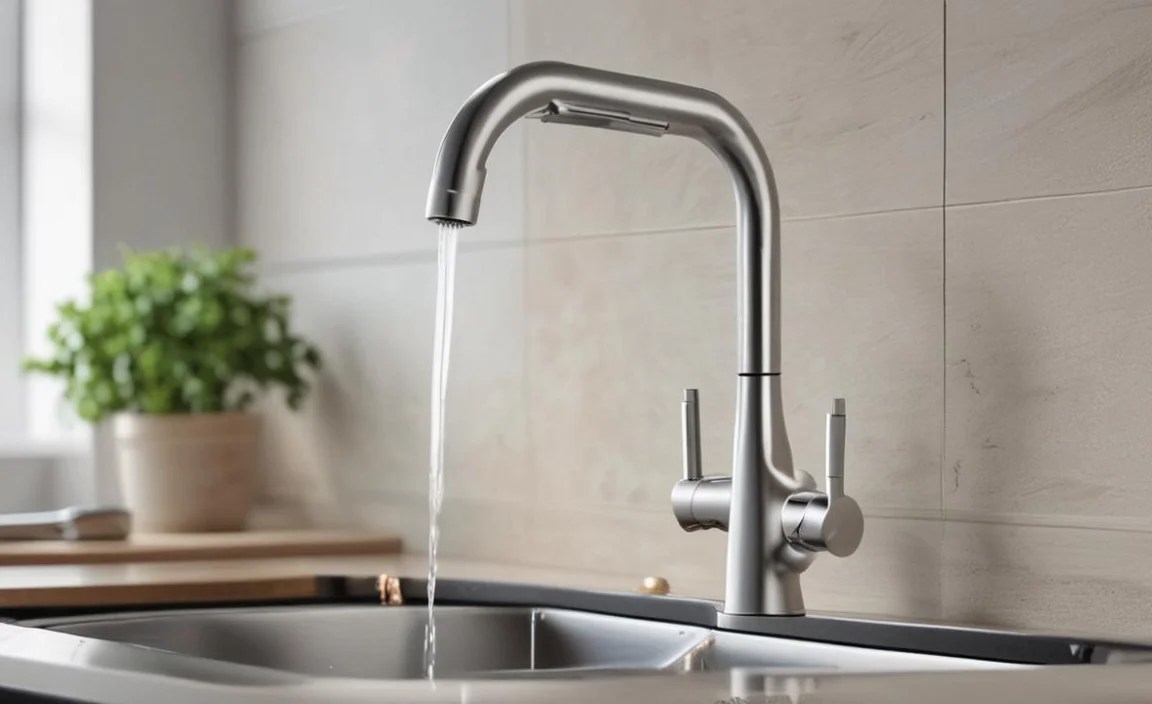
These are the workhorses you’ll often find in older homes because they’ve been around for ages. They have separate hot and cold handles, and you tighten them to stop the water. The charm lies in their simplicity, but that simplicity also has its downsides.
Pros of Compression Faucets:
- Affordability: They are generally the least expensive type of faucet to purchase.
- Easy to Understand: The mechanism is straightforward – a stem, a washer, and a seat.
- Parts Readily Available: Because they’re old-school, replacement washers and other simple parts are easy to find at any hardware store.
- Simple Repairs: For many common issues, like a dripping washer, repairs are often a DIY-friendly job.
Cons of Compression Faucets:
- Frequent Washer Replacement: The rubber washers are prone to wear and tear, leading to drips and leaks that require regular replacement. This is their most common failure point.
- Can Be Difficult to Operate: For those with less hand strength, the need to tighten handles firmly can be an issue.
- Potential for Overtightening Damage: If tightened too much, you can damage the washer or the valve seat, leading to more significant leaks.
- Water Splashing: They don’t offer as precise control over water flow as newer designs, which can sometimes lead to splashing.
2. Ball Faucets: The Single-Handle Transitional Style
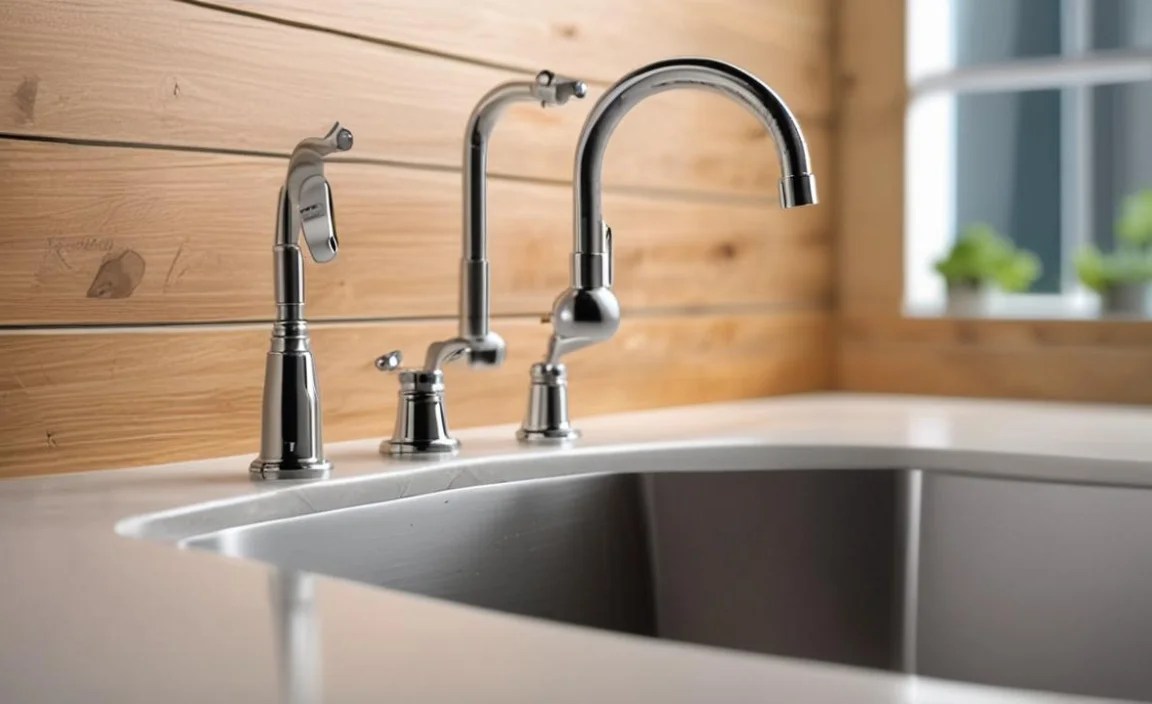
Ball faucets brought a more modern look with a single handle that controls both water volume and temperature. They use a slotted, dome-shaped cap and a ball mechanism inside. They were incredibly popular, especially in kitchens, for a time.
Pros of Ball Faucets:
- Single Handle Control: Easy to operate with one hand, which is convenient when your hands are full.
- Adjustable Handles: Many models allow you to adjust the handle tension.
- Variety of Styles: Available in many different finishes and designs to match your decor.
Cons of Ball Faucets:
- Complex to Repair: The internal parts, especially the spring-loaded seals, can be tricky for beginners to reassemble correctly.
- Prone to Leaks: The seals and springs within the ball mechanism can wear out, leading to leaks around the handle or spout.
- More Expensive than Compression: Generally cost more than basic compression faucets.
- Requires Special Kits: Repair kits for ball faucets often contain many small parts and can be specific to the brand, making them a bit more specialized.
3. Cartridge Faucets: The Modern Standard

Cartridge faucets have become a go-to for many homeowners due to their smooth operation and reliability. They use a cartridge – a self-contained valve unit – that manages water flow and temperature. If the handle feels stiff or leaks, it usually means the cartridge needs replacing.
Pros of Cartridge Faucets:
- Smooth Operation: The single handle glides easily for precise control of water.
- Durability: Cartridges are designed to last and generally hold up well against regular use.
- Easy to Replace Cartridge: While you’re not fixing individual parts, replacing the entire cartridge is usually a straightforward DIY task.
- Good Water Shut-off: They typically shut off water cleanly and effectively.
- Leak Resistance: Less prone to the constant drips associated with compression faucets.
Cons of Cartridge Faucets:
- Can Be More Expensive: Both the initial purchase price and replacement cartridges are usually more costly than compression types.
- Cartridge-Specific: You need to ensure you get the correct replacement cartridge for your faucet model and brand.
- Cartridge Can Be Tricky to Remove: Sometimes, the cartridge can become stuck or difficult to pull out, requiring a bit of persuasion or a specialized tool.
4. Ceramic Disk Faucets: The Premium Powerhouses

These are often considered the top-tier faucet system. Ceramic disk faucets use two highly polished ceramic disks that glide against each other. They are incredibly durable, smooth, and resistant to wear and tear. They are built to last and require minimal maintenance.
Pros of Ceramic Disk Faucets:
- Exceptional Durability: Ceramic disks are very hard and extremely resistant to mineral buildup and scratches, making them the longest-lasting option.
- Superior Leak Prevention: Their design provides an excellent seal, making leaks very rare.
- Smooth Operation: The handle moves with effortless precision.
- Minimal Maintenance: They require very little maintenance over their long lifespan.
- Modern Aesthetics: Often come in sleek, contemporary designs.
Cons of Ceramic Disk Faucets:
- Highest Initial Cost: These are typically the most expensive faucets to purchase upfront.
- Repair Can Be Difficult/Costly: While they rarely need repair, if a ceramic disk does break (which is rare), replacement parts or the entire faucet can be expensive.
- Sediment Issues: In areas with very hard water or a lot of sediment, tiny debris can potentially get between the disks, though this is uncommon.
Comparison Table: Faucet System Pros and Cons at a Glance
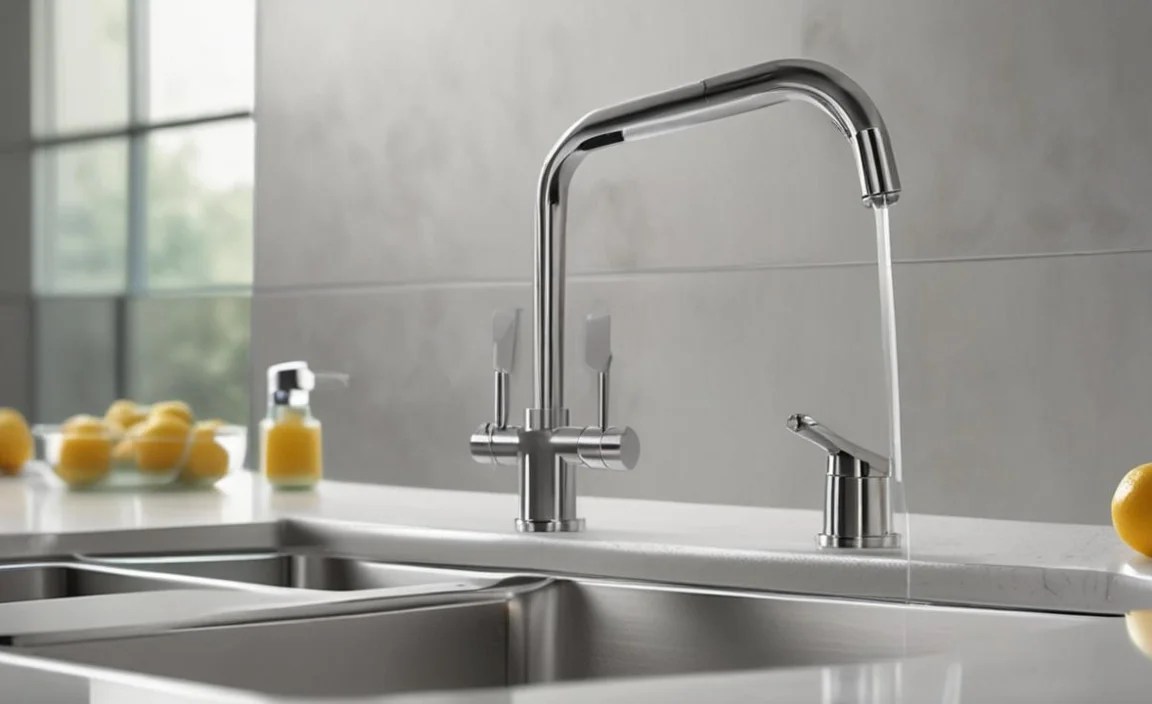
To help you visualize the differences, here’s a handy table comparing the key pros and cons of each faucet system type. This can be a great reference point when you’re trying to make a decision.
| Faucet Type | Key Pros | Key Cons | Typical Lifespan | DIY Repair Difficulty |
|---|---|---|---|---|
| Compression | Affordable, simple, parts readily available, easy repairs. | Frequent washer replacement, can leak, harder to operate. | 10-15 years (with maintenance) | Easy |
| Ball | Single handle control, adjustable tension, variety of styles. | Complex repair, prone to leaks, specific repair kits needed. | 5-10 years | Medium |
| Cartridge | Smooth operation, durable, easy cartridge replacement, leak-resistant. | More expensive parts, need correct cartridge, can get stuck. | 15-20 years | Medium |
| Ceramic Disk | Extremely durable, excellent leak prevention, smooth, minimal maintenance. | Highest initial cost, complex repair if damaged, rare sediment issues. | 20+ years | Hard (rarely needed) |
Factors to Consider When Choosing a Faucet System
Beyond the basic pros and cons, several other factors should guide your choice. Think about what’s most important for your household’s daily life and your own DIY comfort level.
- Budget: As we’ve seen, prices vary significantly. Determine how much you’re willing to spend on the initial purchase and potential future repairs. You can find a wide range of options on sites like The Home Depot or Lowe’s.
- Ease of Use: Do you have young children, elderly family members, or anyone with mobility issues in your home? Single-handle faucets (ball, cartridge, ceramic disk) are generally easier to operate than the two-handle compression style. Look for features like lever handles for maximum accessibility. The Americans with Disabilities Act (ADA) Standards offer guidance on accessible design.
- Durability and Lifespan: If you prefer a “set it and forget it” approach with minimal fuss, ceramic disk or high-quality cartridge faucets are your best bet. If you don’t mind a bit of routine maintenance and want to save money, compression faucets can still be a good choice.
- Maintenance and Repair: How comfortable are you with DIY repairs? Compression faucets are the easiest to fix with basic household tools. Cartridge faucets are also quite manageable for DIYers with the right instructions. Ball and ceramic disk faucets, while generally reliable, can be more complex or expensive to repair if something goes wrong.
- Water Efficiency: Many modern faucets are designed to be water-efficient, meaning they use less water without sacrificing performance. Look for the WaterSense label from the U.S. Environmental Protection Agency (EPA). This applies to all types of faucet systems, but newer designs often incorporate this technology best.
- Style and Finish: Of course, aesthetics matter! Faucets come in a vast array of styles, finishes (chrome, brushed nickel, matte black, oil-rubbed bronze, etc.), and configurations (e.g., single-hole, widespread, pull-down sprayers). Choose one that complements your bathroom or kitchen decor.
DIY Faucet Maintenance: Simple Steps to Extend Lifespan

No matter which faucet system you have, a little regular maintenance can go a long way in preventing problems and keeping your faucet working smoothly. Here are some simple tips:
- Regular Cleaning: Wipe down your faucet regularly with a soft, damp cloth to prevent water spots and mineral buildup. Avoid abrasive cleaners that can scratch finishes.
- Check for Leaks: Periodically inspect around the base of the faucet, the handles, and the spout for any signs of drips or moisture. Early detection makes repairs much easier.
- Ease Handle Operation: If a handle feels stiff, it might be time for some lubrication. For cartridge faucets, a gentle application of plumber’s grease on the O-rings recommended by the manufacturer can help.
- Understand Your Drip: If you have a dripping faucet, identify the type of faucet you have. For compression, it’s likely an old washer. For others, it might be a worn O-ring, cartridge, or a problem with the valve seat.
- Know Your Parts: When undertaking a repair, make sure you have the correct replacement parts. Taking pictures of your faucet or noting the brand and model number can be very helpful when shopping for parts at your local hardware store or online.
When to Call a Professional
While many faucet issues are DIY-friendly, there are times when it’s best to call in a professional plumber. These situations often involve:
- Major Leaks: If you have a significant leak that you can’t identify the source of, or if it’s causing water damage, it’s time for an expert.
- Corroded or Stuck Parts: If parts are heavily corroded or seem impossible to remove without risking damage to the surrounding fixture or plumbing, a professional has the tools and expertise to handle it.
- Low Water Pressure Issues: If you have persistent low water pressure that affects multiple fixtures, it might indicate a larger plumbing problem beyond your faucet.
- Uncertainty: If you’re simply not comfortable with the repair or fear making the problem worse, a professional is a wise investment to ensure the job is done correctly and safely.
Frequently Asked Questions (FAQ) About Faucet Systems
Here are some common questions beginners have about faucet systems:
Q1: How do I know what type of faucet system I have?

A1: Look at the handles! Compression faucets have two separate handles. Ball faucets have a single, dome-shaped handle. Cartridge and ceramic disk faucets usually have single handles that feel very smooth, with cartridge faucets often having a slight resistance, and ceramic disk faucets having a very effortless glide. Older homes are more likely to have compression, while newer ones often feature cartridge or ceramic disk.
Q2: My faucet is dripping. What’s the most likely cause?

A2: For compression faucets, it’s almost always a worn-out rubber washer. For cartridge faucets, it’s usually the cartridge itself. Ball faucets might have worn springs or seals. Ceramic disk faucets rarely drip, but if they do, it could be a problem with the ceramic disks or seals.
Q3: Are single-handle faucets better than two-handle faucets?

A3: They offer different benefits. Single-handle faucets (ball, cartridge, ceramic disk) are generally easier to operate with one hand and offer more precise temperature and flow control. Two-handle faucets (compression) can be very affordable and are often easier for beginners to repair for common issues like drips.
Q4: What is the difference between a cartridge faucet and a ceramic disk faucet?

A4: Both use a single handle and a valve system inside. Cartridge faucets use a movable stem cartridge. Ceramic disk faucets use two extremely durable ceramic disks that rotate against each other. Ceramic disk faucets are generally more durable and last longer but are also more expensive.
Q5: How expensive are faucet repairs?
A5: Simple repairs like replacing a washer on a compression faucet can cost just a few dollars for the part. Replacing a cartridge for a cartridge faucet might cost $15-$50, depending on the brand. Professional plumber costs can range from $100.
