
Struggling with a leaky shower, a weak spray, or a finicky faucet? Don’t let shower issues frustrate you! This guide offers simple, step-by-step solutions to fix common shower problems effortlessly. We’ll walk you through easy repairs, from stopping drips to boosting water pressure, so you can enjoy a perfect shower again without calling a plumber.
Having a shower that’s less than perfect can really start your day off on the wrong foot. A leaky faucet, a head that sprays water everywhere but where you want it, or water that’s not quite hot enough can turn a relaxing shower into a chore. But the good news is, most of these common shower problems have simple fixes that you can handle yourself!
You don’t need to be a master plumber to get your shower back in top shape. This guide is designed to be your go-to resource, breaking down each issue into easy-to-follow steps. We’ll cover everything you need to know, so you can tackle these tasks with confidence. Get ready to transform your shower experience from frustrating to fantastic!
Common Shower Problems and Their Easy Fixes

Let’s dive into the most frequent shower annoyances and how to fix them with confidence. We’ll start with the basics and work our way up. Remember, safety first! Always turn off the water supply before you start any repair.
1. The Dripping Faucet: Silence the Drip, Save Water

A constant drip from your shower faucet isn’t just annoying; it’s a waste of water and money. This is usually caused by a worn-out washer or O-ring inside the faucet handle.
What causes a leaky shower faucet?
The primary culprit is a worn-out internal component, typically a rubber washer or O-ring. These parts degrade over time due to constant contact with water and friction from turning the handle.
Tools You’ll Need:
- Adjustable wrench
- Screwdriver set (Phillips and flathead)
- Plumber’s tape (Teflon tape)
- Replacement washers and O-rings (often sold in kits at hardware stores)
- Rag or old towel
- Small bucket or bowl
Step-by-Step Guide to Fixing a Dripping Faucet:
- Turn Off the Water Supply: Locate the main water shut-off valve for your home – usually in the basement, garage, or near your water meter. Turn it off completely. If you can’t find or access the main valve, look for individual shut-off valves behind the shower handles. Turn these clockwise until tight.
- Drain Remaining Water: Turn on the shower handle to release any water pressure still in the pipes.
- Remove the Faucet Handle: Look for a decorative cap on the handle. Gently pry it off with a flathead screwdriver. You’ll find a screw underneath. Unscrew it and pull the handle straight off. If it’s stuck, a little gentle wiggling or a specialized handle puller can help.
- Access the Stem/Cartridge: You’ll see a stem or cartridge holding the internal parts. Use your adjustable wrench to unscrew and remove any retaining nut or packing nut.
- Replace the Washer and O-ring: Carefully pull out the old washer and O-ring from the stem. Take these to your local hardware store to buy exact replacements. Install the new parts, ensuring they fit snugly.
- Reassemble the Faucet: Screw the stem back into place. Wrap a little plumber’s tape around the threads of the stem for a better seal. Reattach the faucet handle and screw it back on securely. Replace the decorative cap.
- Test for Leaks: Slowly turn the water supply back on. Check for any drips. If the drip persists, you might need to replace the entire cartridge or consult a professional.
2. Weak Shower Pressure: Reclaim Your Spray Power

Is your shower feeling more like a gentle mist than a powerful spray? Low water pressure is a common annoyance that can be fixed with a few simple steps.
Common Causes of Weak Shower Pressure:

- Clogged Showerhead: Mineral deposits (limescale) build up inside the showerhead nozzles.
- Kinked or Damaged Shower Hose (for handheld showers).
- Partially Closed Shut-off Valves under the handles.
- Issues with the Water Supply System: This is less common for a single shower and might affect your whole house.
Tools You’ll Need:

- Adjustable wrench
- Rag or old towel
- Vinegar (white distilled)
- Plastic bag and rubber band (for a quick clean)
- New showerhead or hose (if needed)
Step-by-Step Guide to Boosting Shower Pressure:
- Check the Showerhead Nozzles: This is the most frequent cause. Mineral buildup can clog the tiny holes.
- Option A (Detachable Showerhead): Unscrew the showerhead from the arm using an adjustable wrench. Soak the showerhead in a bowl of white vinegar overnight to dissolve mineral deposits. You can also scrub the nozzles with an old toothbrush. Rinse thoroughly and reattach, using plumber’s tape on the threads for a good seal.
- Option B (Non-Detachable Showerhead): Fill a plastic bag with white vinegar. Place the bag over the showerhead, ensuring the nozzles are submerged in the vinegar. Secure the bag with a rubber band. Leave it for several hours or overnight. Remove the bag, run hot water through the showerhead to flush out any loosened debris.
- Inspect the Shower Hose (if applicable): For handheld shower systems, ensure the hose isn’t kinked. A kink restricts water flow. Straighten it out. If the hose is damaged or old, it might be time for a replacement.
- Verify Shut-Off Valves: As mentioned before, ensure the individual shut-off valves under the shower handles are fully open (turned counter-clockwise).
- Check for Leaks: A leak in the pipework leading to the shower can reduce pressure. Look for signs of water damage around the shower pipes.
- Consider Replacing the Showerhead: If cleaning doesn’t help, your showerhead might be internally clogged or simply inefficient. A new showerhead can often significantly improve pressure and offer a better shower experience. Look for models with good water efficiency ratings, like those with a WaterSense label.
3. Inconsistent Water Temperature: Finding Your Perfect Heat

Too hot, too cold, or fluctuating temperatures can make showering a guessing game. This often points to issues with the shower valve or thermostat.
What causes water temperature problems?
- Faulty Thermostatic Mixing Valve: This valve controls the hot and cold water mix. If it’s miscalibrated or broken, it can’t maintain a stable temperature.
- Mineral Buildup: Similar to showerheads, mineral deposits can affect valve operation.
- Issues with Water Heaters: If your entire house has hot water problems, the issue might be your water heater.
Tools You’ll Need:
- Screwdriver set
- Adjustable wrench
- Replacement cartridge or thermostatic valve (if needed, specific to your faucet brand)
- Plumber’s grease or silicone lubricant
- Rag
Step-by-Step Guide to Stabilizing Water Temperature:
- Check Your Water Heater: First, rule out a problem with your main hot water supply. Check if other faucets in your home are having hot water issues. If so, your water heater might need attention. Ensure it’s set to an appropriate temperature (typically around 120°F or 49°C for safety and efficiency to prevent scalding and reduce energy costs).
- Inspect the Shower Valve Cartridge: Most modern shower valves use a cartridge system. Remove the shower handle and trim plate (similar to fixing a drip). You’ll see the cartridge. Some cartridges have a temperature limit stop that can be adjusted. Look for a small plastic or metal piece that might be set too low or too high. Consult your faucet’s manual to see if an adjustment is possible.
- Clean or Replace the Cartridge: If adjustment isn’t the issue, the cartridge might be clogged with minerals or faulty. Carefully remove the cartridge (you might need to release retaining clips). Clean it gently with vinegar or replace it if it appears damaged or worn out. When replacing, lubricate the new cartridge with plumber’s grease.
- Ensure Hot and Cold Lines are Clear: Make sure there isn’t excessive sediment in the hot or cold water lines leading to the valve, which could affect the mix.
- Test and Adjust: Reassemble the faucet and slowly turn the water back on. Test the temperature. You may need to make small adjustments to the cartridge or limit stop if your faucet allows.
4. Shower Door Problems: Smooth Swings and Seals
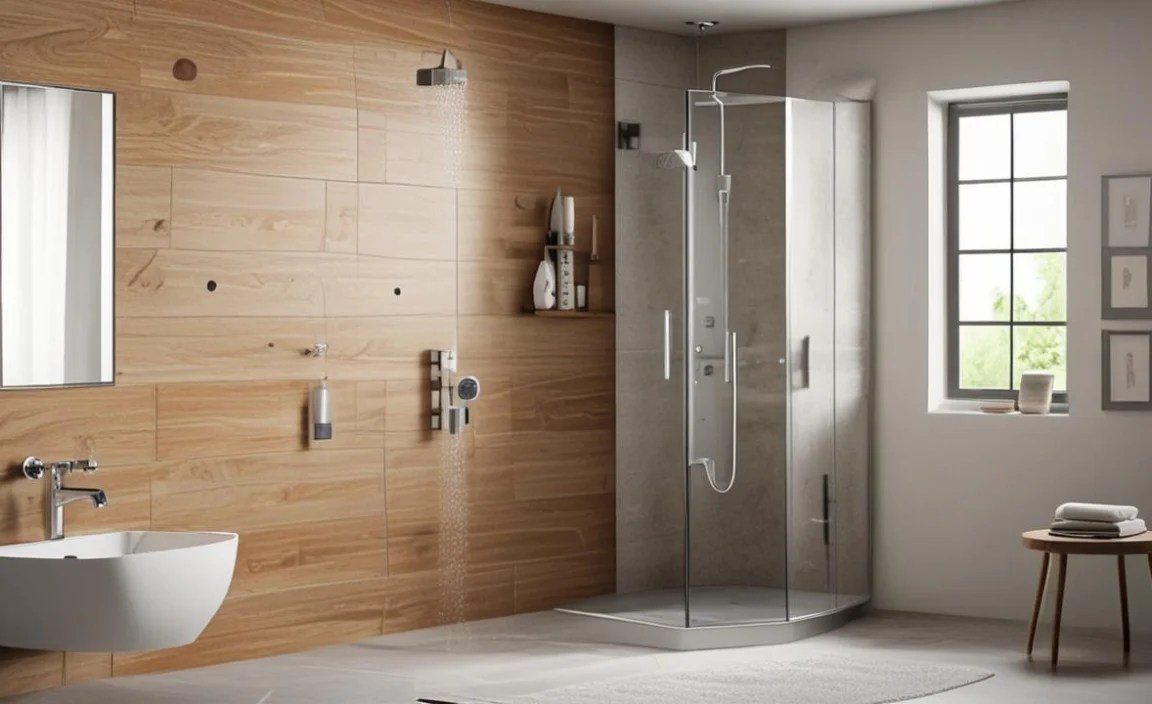
Whether it’s a sticky sliding door or a leaky enclosure, shower door issues are common.
Common Shower Door Issues:
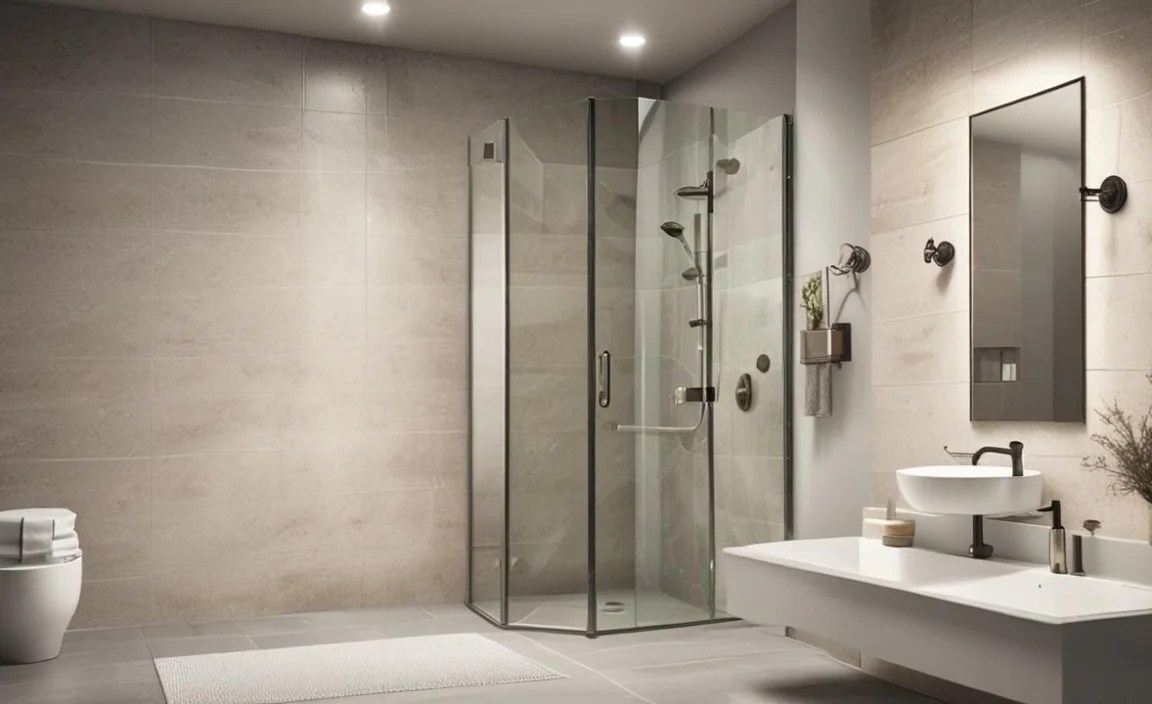
- Sticky Rollers: Dirt, soap scum, and mineral buildup can make sliding doors hard to open and close.
- Leaky Seals: Worn-out or damaged rubber seals.
