
Have you ever noticed the grimy caulk in your bathroom? It can really ruin the look of your clean space. Cleaning bathroom caulk may seem tough, but it’s easier than you think! Did you know that regular cleaning can help prevent mold and mildew? Keeping your caulk in good shape is important for a healthy home.
Imagine stepping into a shiny bathroom where everything sparkles. Wouldn’t that put a smile on your face? Here’s a fun fact: many people overlook bathroom caulk during their cleaning routines. This leaves dirt and grime to build up over time. But don’t worry! We’re here to show you how to clean bathroom caulk quickly and easily.
You don’t need fancy tools or harsh chemicals. All you need are a few simple supplies and some easy steps. Let’s transform your bathroom caulk and make it look like new again!

How To Clean Bathroom Caulk: Tips For A Sparkling Finish
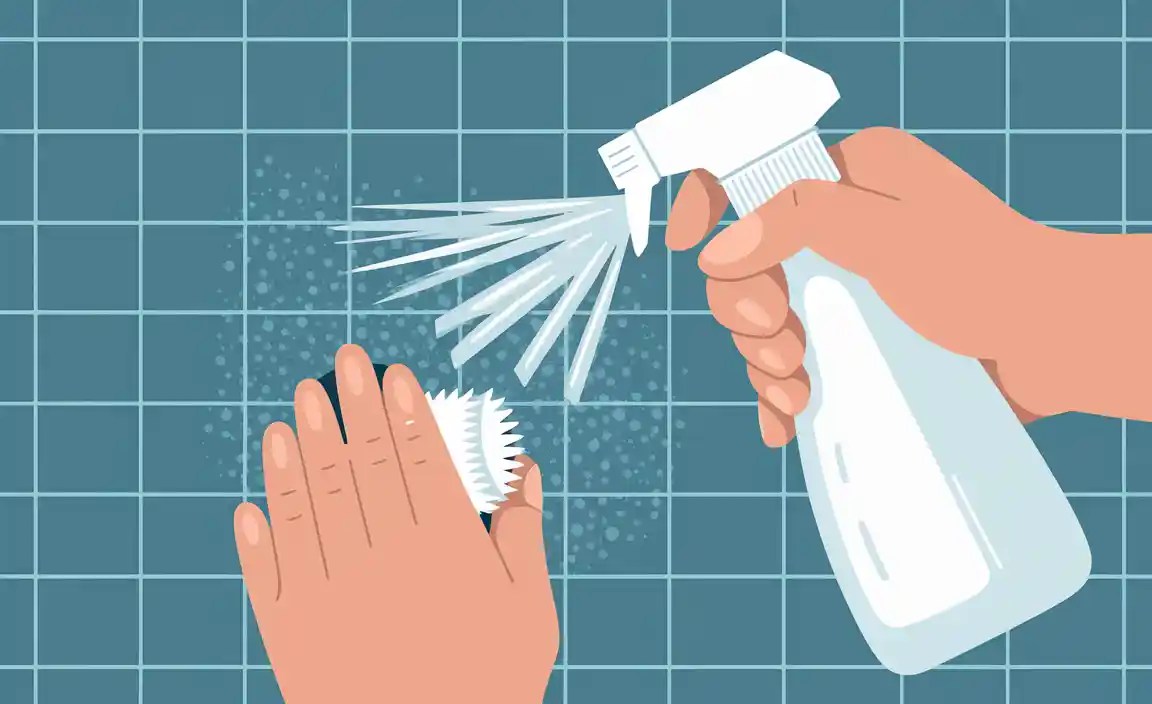
Cleaning bathroom caulk can feel like a chore, but it doesn’t have to be hard. Start by mixing equal parts of white vinegar and water in a spray bottle. Spray the caulk and let it sit for 10 minutes. Scrub with a brush or an old toothbrush. Fun fact: vinegar not only cleans but also disinfects! Rinse well, and you’ll see that gleaming caulk again. Simple steps make a big difference!
Understanding Bathroom Caulk
Definition and purpose of bathroom caulk. Common materials used in caulking. Bathroom caulk is a superhero in the fight against water damage. It seals gaps between surfaces, keeping water where it belongs—inside the shower, not on your bathroom floor! Most caulk is made from materials like silicone, latex, or acrylic, each with special powers. Silicone is like the strong friend; it’s waterproof and lasts a long time. On the other hand, latex is easy to work with, but it’s not as durable. Here’s a quick look:
| Material | Strength | Best Use |
|---|---|---|
| Silicone | Very Strong | Wet Areas |
| Latex | Moderate | Dry Areas |
| Acrylic | Good | Flexible Use |
Choosing the right caulk can save you from big bathroom troubles! Remember, a little caulk can go a long way, like a tiny superhero that saves the day.
Reasons for Cleaning Caulk
Health risks associated with mold and mildew. Aesthetic reasons: maintaining a clean bathroom appearance.
Keeping your bathroom caulk clean is more than just looks; it’s about health, too! Mold and mildew can make you sneeze and cough. Yikes! No one wants a guest bathroom that smells like a wet dog. Also, clean caulk makes your bathroom shine! Who doesn’t love a sparkling shower? Maintaining that fresh look can even impress friends or that special someone. Remember, nobody needs to see a caulk line that looks like an abstract painting!
| Health Risks | Aesthetic Reasons |
|---|---|
| Mold and mildew can cause allergies. | Clean caulk enhances the bathroom’s look. |
| Breathing problems may arise. | It impresses guests and family. |
Tools and Materials Needed
List of cleaning supplies (cleaners, sponges, brushes). Safety equipment (gloves, masks, goggles). To clean bathroom caulk, gather your tools and materials first. You will need:
- Cleaners: Vinegar, baking soda, or a store-bought mold remover.
- Sponges and Brushes: A scrub sponge and a toothbrush work well.
- Safety Equipment: Wear gloves, a mask, and goggles to keep safe.
With these supplies, you’re ready to tackle that dirty caulk!
What cleaning supplies do I need?
You’ll need cleaners, sponges, and brushes. Don’t forget gloves, masks, and goggles for safety!
Step-by-Step Cleaning Process
Preparing the area: removing items and protecting surfaces. Applying a cleaning solution: types and application methods. Start by clearing the bathroom counters and any surfaces near the caulk. This makes it easier to clean and avoids spills. Next, lay down a cloth or cover surfaces you want to protect. For cleaning, choose a solution like white vinegar or a store-bought cleaner. Apply it directly on the caulk. Let it sit for a few minutes before scrubbing. Use a scrub brush or an old toothbrush to scrub away dirt and mildew.
What are some effective cleaning solutions for bathroom caulk?

Some good options include:
- White vinegar: Great for removing mold.
- Baking soda paste: Mix with water for scrubbing power.
- Bleach solution: Effective for tough stains but use with care.
Techniques for Stubborn Stains
Addressing mold and mildew growth. Using alternative methods (bleach, vinegar, baking soda).
Stubborn stains like mold and mildew can make bathroom caulk look dirty. To tackle these, use some simple techniques. Here are a few effective methods:
- Bleach: Mix bleach with water. Apply it to the stained area and let it sit for 10-15 minutes. Rinse well.
- Vinegar: Spray white vinegar on the caulk. Vinegar is great for killing mold.
- Baking Soda: Make a paste with baking soda and water. Apply it, scrub gently, and rinse.
These methods work well to brighten your bathroom caulk!
How can I remove mold from bathroom caulk?
Use bleach or vinegar to wipe away the mold. Apply, wait, then rinse to ensure cleanliness.
Preventative Maintenance for Caulk
Tips to avoid mold growth. Recommended cleaning frequency. To keep caulk clean and mold-free, try these simple tips. First, wipe surfaces after every shower. This reduces moisture buildup that mold loves. Second, check for leaks regularly. Even small leaks can cause trouble. Cleaning frequency should be every month. This helps keep dirt and grime away. Don’t forget, good ventilation also helps! Open windows or use fans while bathing.
How often should I clean bathroom caulk?
It’s best to clean bathroom caulk once a month. Regular care stops mold before it starts.
Tips to Avoid Mold Growth:
- Dry caulk with a cloth after use.
- Use fans or windows to air out the bathroom.
- Choose mold-resistant caulk if possible.
When to Replace Caulk
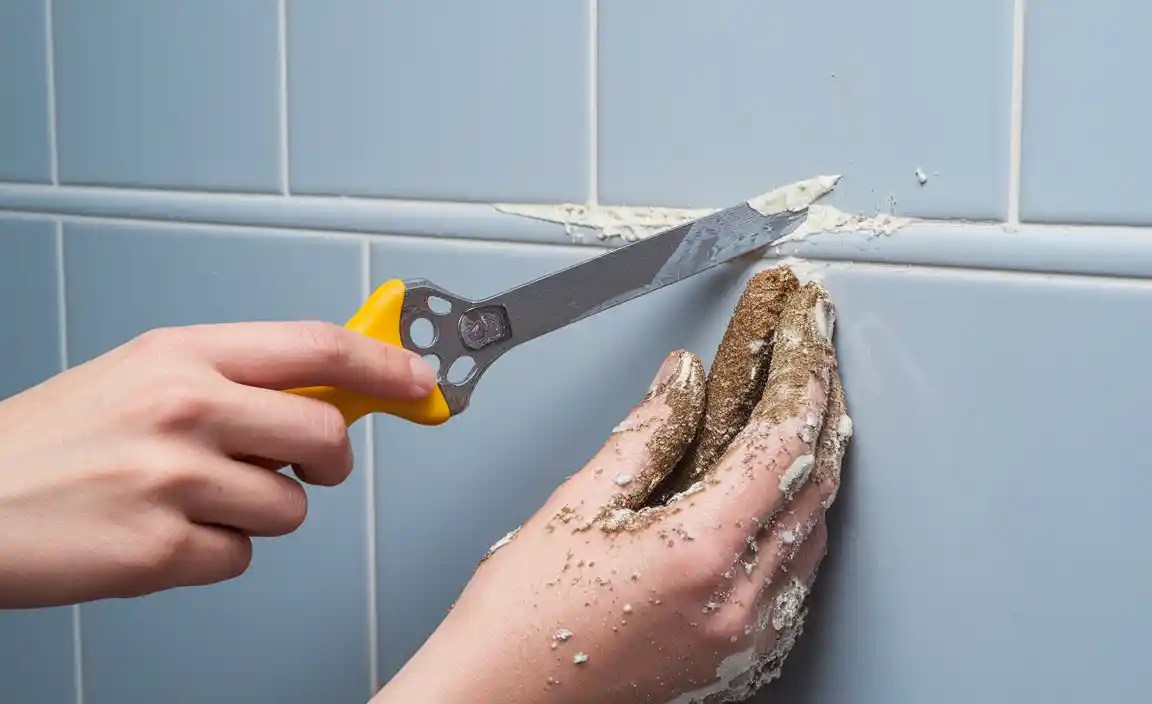
Signs that caulk needs replacement. Stepbystep guide to removing old caulk and applying new caulk. Your bathroom caulk may need replacing if it shows signs of mold, peeling, or cracking. If water leaks through, that’s a definite red flag! It’s like your caulk is saying, “Help, I can’t hold this together anymore.” If it looks older than your favorite video game, replace it! To replace it, follow these easy steps:
| Step | Action |
|---|---|
| 1 | Cut away the old caulk with a razor blade. |
| 2 | Clean the area with soap and water, then dry it. |
| 3 | Apply new caulk smoothly in the gap. |
| 4 | Let it dry. Don’t touch it, or you might end up in a sticky situation! |
Replacing caulk keeps your bathroom neat and dry. Plus, it’s a fun DIY project, like playing craft time with your best tools!
Frequently Asked Questions
Common concerns and solutions related to caulk cleaning. Tips for best results and avoiding mistakes. Cleaning bathroom caulk can be tricky, but you’re not alone! Many people wonder how to tackle this task effectively. A common question is, “How do I remove mold from caulk?” The answer is simple: use vinegar or bleach. They work wonders!
Another frequent concern is the smell of cleaners. You can avoid strong odors by using natural options like baking soda and lemon juice. It’s like a fresh-scented science experiment!
To get the best results, ensure the area is dry before you start. And remember, patience is key! Rushing can lead to mistakes, like leaving behind stubborn stains or using too much product.
| Common Concerns | Solutions |
|---|---|
| How to remove mold? | Use vinegar or bleach! |
| What about strong odors? | Try baking soda and lemon juice. |
| How to prevent mistakes? | Be patient and let surfaces dry. |
With these tips, your caulk will shine like a diamond!
Conclusion
In conclusion, cleaning bathroom caulk is easy with the right steps. Use vinegar or baking soda for stains and mold. Scrub with a brush for best results. After cleaning, consider applying new caulk for a fresh look. Try these tips today, and you’ll keep your bathroom looking great! For more advice, check out other cleaning guides.
FAQs
What Are The Best Cleaning Solutions For Removing Mold And Mildew From Bathroom Caulk?
To remove mold and mildew from bathroom caulk, you can use a mixture of vinegar and water. Just mix one part vinegar with one part water in a spray bottle. Spray it on the caulk and let it sit for a while before scrubbing. You can also use bleach mixed with water, but be careful and use it in a well-ventilated area. Always wear gloves to protect your hands!
How Can I Tell If My Bathroom Caulk Needs To Be Cleaned Or Replaced?
You can tell if your bathroom caulk needs to be cleaned or replaced by looking at it carefully. If you see mold, discoloration, or cracks, it might need to go. If it feels soft or peels away, that means it’s time to replace it. You should also check if water is leaking through the gaps. Cleaning is good for small dirt, but damaged caulk needs to be replaced.
Are There Specific Tools Or Brushes That Are Recommended For Cleaning Caulk In Hard-To-Reach Areas?
Yes, there are tools that can help! You can use a small toothbrush to scrub the caulk. A putty knife is great for scraping it out. Sometimes, a soft cloth or a sponge can also work well. You can even use a cotton swab to reach tiny spaces!
What Are Some Preventive Measures I Can Take To Keep My Bathroom Caulk Clean And Mold-Free?
To keep your bathroom caulk clean and mold-free, make sure to dry the area after you shower. You can use a squeegee or a towel to wipe down the walls and tub. Open a window or turn on a fan to help air circulate. Clean the caulk with a mixture of vinegar and water once in a while. This helps to stop mold before it starts!
Can I Use Bleach To Clean Bathroom Caulk, And If So, What Precautions Should I Take?
Yes, you can use bleach to clean bathroom caulk. First, wear gloves to protect your hands. Make sure the room is well-ventilated, which means you need fresh air. Don’t mix bleach with other cleaners, as that can be dangerous. Always rinse the caulk with water after cleaning.
Resource:
-
How vinegar fights mold naturally: https://www.healthline.com/health/how-to-get-rid-of-mold-with-vinegar
-
DIY bathroom cleaning tips with baking soda: https://www.goodhousekeeping.com/home/cleaning/tips/a24885/baking-soda-cleaning-tips/
-
Best ways to improve bathroom ventilation: https://www.familyhandyman.com/project/bathroom-ventilation-tips/
-
When to replace bathroom caulk for safety: https://www.bobvila.com/articles/how-to-remove-caulk/
