
For beginners, understanding sink basics means knowing sink types, materials, installation needs, and common troubleshooting. With this article, you’ll gain the confidence to choose, maintain, and even address minor issues with your home sinks safely and effectively. Get ready to demystify your sink!
Let’s be honest, sinks are something we use every single day, but how much do we actually know about them? When a sink starts dripping, smells a bit funky, or needs a simple upgrade, it can feel like a big, intimidating project. For many, the technical terms and the thought of tackling DIY sink tasks can be downright scary. But what if I told you that understanding your sink is easier than you think? It’s all about breaking down the information into bite-sized, manageable pieces. This guide is designed specifically for you – the beginner who wants to feel empowered, not overwhelmed. We’ll cover everything from what makes a sink tick to how to keep it running smoothly, all in plain English.
We’ll dive into the different kinds of sinks you’ll find in homes, explore the materials they’re made from and what that means for you, and even touch on what you might need if you’re thinking about a new installation or a simple repair. By the end of this, you’ll have a much clearer picture and the confidence to handle many common sink-related questions. So, let’s get started on demystifying the humble, yet essential, sink!
Understanding Your Sinks: The Essential Guide for Beginners

As Bryan Lee, I’ve seen firsthand how a little knowledge can go a long way in home maintenance. Sinks are no different! They are vital components of our kitchens and bathrooms, and understanding them is the first step to keeping your home running smoothly. This guide is designed to equip you with the foundational knowledge you need, making you feel more comfortable and capable.
What Exactly Is a Sink?
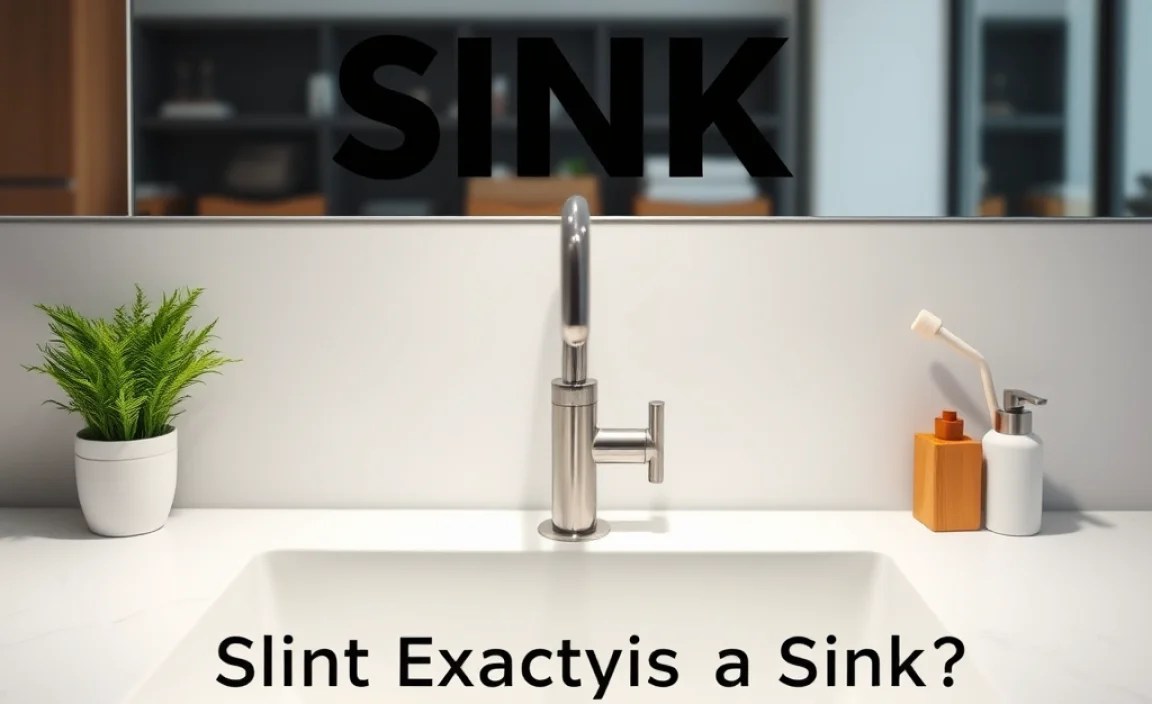
At its most basic, a sink is a basin or bowl used for holding water. It’s a crucial fixture in any home, serving multiple purposes: washing hands, dishes, food, and even just general cleaning. But beyond this simple definition, sinks have different configurations, materials, and installation methods, each with its own set of characteristics.
Common Sink Types You’ll Encounter

When you’re a beginner, the variety of sinks can seem a bit much. However, most sinks fall into a few main categories based on how they are installed and their appearance. Knowing these will help you identify what you have or what you might want.
Undermount Sinks
These sinks are installed beneath the countertop. The edge of the sink is completely hidden, giving a sleek, minimalist look. This also makes countertop cleanup a breeze, as you can just wipe crumbs and water straight into the sink.
Drop-in (Top-Mount) Sinks
This is perhaps the most common type of sink. They are installed from above, with the rim of the sink resting on top of the countertop. They are generally easier to install and often more budget-friendly than undermount sinks. You might see a lip or edge around the sink.
Farmhouse (Apron-Front) Sinks
These are a style of sink, often large and deep, with one wall of the sink exposed at the front, like an apron. They are typically installed in a way that the front of the sink is visible and accessible. They offer a distinct aesthetic, often found in country or traditional kitchens.
Integrated Sinks
These sinks are made from the same material as the countertop, creating a seamless look with no visible seams or joints between the sink basin and the counter surface. This is popular in modern bathrooms and kitchens.
Wall-Mounted Sinks
Primarily found in smaller bathrooms or powder rooms, these sinks are attached directly to the wall, with no vanity or pedestal underneath. This is a space-saving solution and can make a small room feel larger.
Sink Materials: What They’re Made Of and Why It Matters

The material your sink is made from impacts its durability, appearance, how easy it is to clean, and its price. Here’s a look at the most common sink materials and their pros and cons for beginners.
| Material | Pros | Cons | Beginner Considerations |
|---|---|---|---|
| Stainless Steel | Durable, heat-resistant, relatively affordable, easy to clean, hygienic. | Can scratch, can be noisy (though sound-dampening pads help), visible water spots if not dried. | Excellent all-rounder. Scratches are usually cosmetic and don’t affect function. Easy to maintain with basic cleaners. |
| Porcelain/Ceramic | Classic look, easy to clean, durable if not chipped, wide range of colors and styles. | Can chip or crack if heavy objects are dropped, can be heavy, tends to stain if not cleaned promptly. | Beautiful and easy to wipe down. Be mindful of very heavy cookware. Stains usually lift with baking soda paste. |
| Composite (Granite, Quartz) | Very durable, resistant to scratches and stains, available in many colors and textures, can be seamless. | Can be expensive, heavier than stainless steel, can be damaged by extreme heat or harsh chemicals. | Low maintenance for daily use. Very resilient against common kitchen tasks. Always check manufacturer’s cleaning guide. |
| Natural Stone (Granite, Marble) | Unique, luxurious appearance, very durable, heat-resistant. | Expensive, porous (requires sealing), can stain, can be damaged by acids (e.g., lemon juice, vinegar). | Requires specific cleaning and sealing to prevent stains and etching. Might be too high-maintenance for a first-time DIYer unless you’re committed to the care. |
| Cast Iron (Enamel Coated) | Very durable, classic look, good heat resistance. | Extremely heavy, enamel can chip (exposing the cast iron which can rust), can be pricey. | Sturdy and long-lasting. Be careful not to drop heavy items. Chips need immediate attention to prevent rust. |
Installation and Plumbing Basics for Beginners

Even if you don’t plan on installing a sink yourself right away, understanding the basics of how they connect to your plumbing is helpful. This knowledge empowers you when discussing repairs or upgrades with professionals, or even when you decide to take on a simple replacement.
What’s Underneath? Essential Plumbing Components
Your sink isn’t just a bowl; it’s connected to your home’s water supply and drainage system. Here are the key parts you’ll usually find:
- Faucet: This is how you control the hot and cold water flow.
- Drain Assembly: This includes the drain opening in the sink, a stopper or strainer, and the pipe that carries water away.
- P-Trap: This U-shaped pipe under your sink is crucial. It holds a small amount of water, creating a seal that prevents sewer gases from entering your home. This is a very common place for clogs to start.
- Water Supply Lines: These flexible or rigid hoses connect your faucet to the hot and cold water pipes in the wall.
- Shut-off Valves: You’ll find these located on the hot and cold water lines leading to the faucet. These are vital for shutting off water to the sink for repairs or maintenance. Always try to locate and test these before starting any work!
Choosing the Right Sink for Your Space
When you’re ready to select a new sink, consider these factors:
- Size: Measure your existing cutout or the available space carefully.
- Style: Does it fit the aesthetic of your kitchen or bathroom?
- Material: Which material best suits your lifestyle and budget?
- Configuration: Single bowl, double bowl, with or without a drainboard?
- Faucet Compatibility: How many faucet holes does your sink have, and what type of faucet do you want?
Simple Sink Maintenance Tips for Longevity
Regular, simple maintenance can save you a lot of trouble down the line and keep your sink looking and functioning its best. No complex tools or skills required – just a little attention!
Daily Cleaning Habits
- Wipe down after each use: Especially in the kitchen, this prevents food particles from drying and sticking, and discourages stains.
- Rinse thoroughly: Make sure all soap residue and debris are washed down the drain.
- Dry the sink (optional but great!): For stainless steel, drying prevents water spots. For other materials, it reduces the chance of stains. A microfiber cloth works wonders.
Weekly Deep Clean
- Use a non-abrasive cleaner: For most sinks, a mild dish soap or a spray cleaner specifically designed for your sink material is perfect.
- Scrub gently: Use a soft sponge or cloth. For tougher grime, a nylon brush can be effective.
- Clean the faucet and handles: These get touched a lot and can harbor germs. A vinegar solution can help with mineral buildup on faucets.
- Address the drain: Pouring a kettle of boiling water down the drain a few times a week can help keep grease from building up.
For a more detailed look at cleaning different sink materials, check out resources from the EPA’s WaterSense program, which often has helpful tips on water-saving and related fixture maintenance.
Common Sink Problems and How to Handle Them (Beginner Edition)
Even with great maintenance, sinks can develop minor issues. Here are some common problems and simple solutions that don’t require a plumber.
1. Slow Draining
This is often the first sign of a clog forming in the drain pipe or the P-trap. Over time, grease, soap scum, hair, and food particles build up.
DIY Solutions:
- Boiling Water: Pour a kettle of boiling water directly down the drain. Do this a couple of times. This works well for grease clogs.
- Baking Soda and Vinegar: Pour 1/2 cup of baking soda down the drain, followed by 1/2 cup of white vinegar. Let it fizz for about 30 minutes, then flush with hot water.
- Plunger: For a sink plunger (different from a toilet plunger, though sometimes adaptable), ensure there’s enough water in the sink to cover the rubber cup. Create a seal around the drain and plunge vigorously. If you have a double sink, block the other drain with a wet rag.
When to Call a Pro: If none of these methods work, the clog might be deeper in your pipes, requiring professional tools.
2. Leaky Faucet
A dripping faucet is not just annoying; it wastes water and money. The most common culprits are worn-out washers, O-rings, or cartridges inside the faucet.
Beginner Steps (for common faucet types):
- Turn Off Water: Locate the shut-off valves under the sink and turn them off completely. If you can’t find them or they don’t work, you’ll need to shut off the main water supply to your house.
- Disassemble the Faucet: This varies by faucet type (single-handle, double-handle, etc.). You’ll typically need to remove a decorative cap, then a screw to access the handle. Then, you can work on removing the internal components.
- Identify and Replace Worn Parts: Take the old parts to a hardware store to find exact replacements. Common replaceable parts include O-rings, washers, and cartridges.
- Reassemble: Put the faucet back together following the reverse steps.
- Turn Water Back On: Slowly turn the shut-off valves back on and check for leaks.
External Resource: For detailed faucet repair guides tailored to specific faucet types, resources like those often found on This Old House or similar reputable DIY sites can provide visual step-by-step instructions.
Beginner Caveat: If you’re unsure about disassembling your faucet, or if it’s an older or more complex model, it’s best to call a plumber. Sometimes, a quick fix is more complicated than it appears.
3. Smelly Sink Drains
A bad odor coming from your drain is usually due to gunk and bacteria build-up in the P-trap or the garbage disposal (if you have one).
DIY Solutions:
- Boiling Water: As mentioned for slow drains, a hot water flush can help clear out build-up.
- Baking Soda and Vinegar: This combination is excellent for deodorizing and cleaning.
- Lemon Peels (for garbage disposal): If you have a garbage disposal, running a few citrus peels through it can freshen it up.
- Inspect the P-Trap: If the smell persists, you might need to manually clean the P-trap. This involves placing a bucket underneath, unscrewing the trap, cleaning out any visible debris, and reassembling. Ensure the water seal is re-established.
4. Scratches and Stains
Most materials can get scratched or stained over time, especially in busy kitchens.
DIY Solutions:
- For Stainless Steel Scratches: Light scratches can often be buffed out with a specialized stainless steel polish and a soft cloth, always rubbing in the direction of the grain.
- For Porcelain/Ceramic Stains: A paste made of baking soda and water can often lift stains. For tougher stains, a mild bleach solution can be used, but always test in an inconspicuous spot first and rinse very thoroughly.
- For Composite Sinks: Follow the manufacturer’s recommendations. Often, a mild dish soap and a non-abrasive sponge are sufficient. Avoid harsh chemicals if possible.
What Tools Might a Beginner Need for Basic Sink Tasks?
You don’t need a professional toolkit to handle most basic sink maintenance. Here are a few essentials that can be incredibly useful:
- Adjustable Wrench: Handy for tightening or loosening various nuts and bolts.
- Pipe Wrench: Useful for gripping and turning pipes, especially if you’re dealing with the P-trap.
- Plunger: A sink plunger is specifically designed for sink drains.
- Screwdrivers: A set with various sizes, including Phillips and flathead.
- Bucket: Essential for catching water when working under the sink.
- Gloves: Protect your hands from grime and cleaning chemicals.
- Old Towels or Rags: For cleaning up spills and drying.
- Safety Glasses: Always recommended when working with plumbing or cleaning agents.
For more advanced tasks like replacing a faucet or sink, you might need a basin wrench or a plumber’s putty, but start with these basics!
Sink Accessories: Enhancing Functionality
Beyond the sink itself, there are several accessories that can make your life easier and your sink more functional.
- Sink Strainer: Catches food debris in the drain, preventing clogs.
- Sink Mat/Grid: Protects the bottom of your sink (especially stainless steel or porcelain) from scratches and chips.
- Dish Racks: Whether integrated or freestanding, they help with organized dish drying.
- Soap Dispensers: Built-in dispensers can look sleek and convenient.
- Garbage Disposals: For kitchens, these grind up food waste for easier disposal.
Frequently Asked Questions about Sinks for Beginners
Q1: What’s the easiest type of sink for a beginner to identify and maintain?
A1: Drop-in (or top-mount) stainless steel sinks are very common and generally easy to identify. They are also quite forgiving in terms of maintenance; a good scrub with dish soap and a non-abrasive sponge usually does the trick.
Q2: How often should I clean my sink drain?
A2: For everyday use, a thorough rinse after each use is key. Weekly, consider using hot water or a baking soda/vinegar treatment to prevent clogs and odors. If you notice slow draining, address it immediately.
Q3: My stainless steel sink has a few scratches. Can I fix them?
A3: Small surface scratches on stainless steel can often be buffed out with specialized stainless steel polish or a fine-grit abrasive pad (used with caution and in the direction of the grain).
