
Understanding the layout of your faucet is crucial for effective repairs, replacement, and maintaining functionality. Choosing the right faucet layout balances aesthetics, usability, and plumbing compatibility, ensuring a smooth and efficient experience in your kitchen or bathroom. This guide breaks down common layouts, their advantages, and disadvantages to help you make informed decisions.
Ever find yourself staring at your faucet, wondering why it leaks, how to fix it, or even just how to pick a new one? It can feel a bit confusing, can’t it? But don’t worry, understanding your faucet’s layout is simpler than it sounds, and it’s the key to tackling any faucet issue with confidence. It’s like knowing the blueprint of your home – it makes everything easier!
This guide will walk you through the common faucet layouts. We’ll look at what makes them great and where they might fall short. By the end, you’ll be able to identify your faucet type and know exactly what to consider when it’s time for an upgrade or a quick fix. Ready to gain some faucet know-how?
The Layout Of Faucet: Your Essential Guide

As the hardworking centerpiece of our kitchens and bathrooms, faucets are more than just a way to get water. They are essential tools that impact our daily routines. Choosing and understanding the layout of your faucet is a fundamental step in both home improvement and DIY maintenance. Knowing the different types of faucet layouts and their associated pros and cons can save you time, money, and a lot of frustration.
This guide is designed for anyone who wants to demystify faucet installations, repairs, or replacements. We’ll break down the most common faucet layouts, exploring their benefits and drawbacks in simple terms. Whether you’re a seasoned DIYer or just starting, you’ll get clear, actionable advice to help you navigate the world of faucets with ease and confidence.
Why Faucet Layout Matters
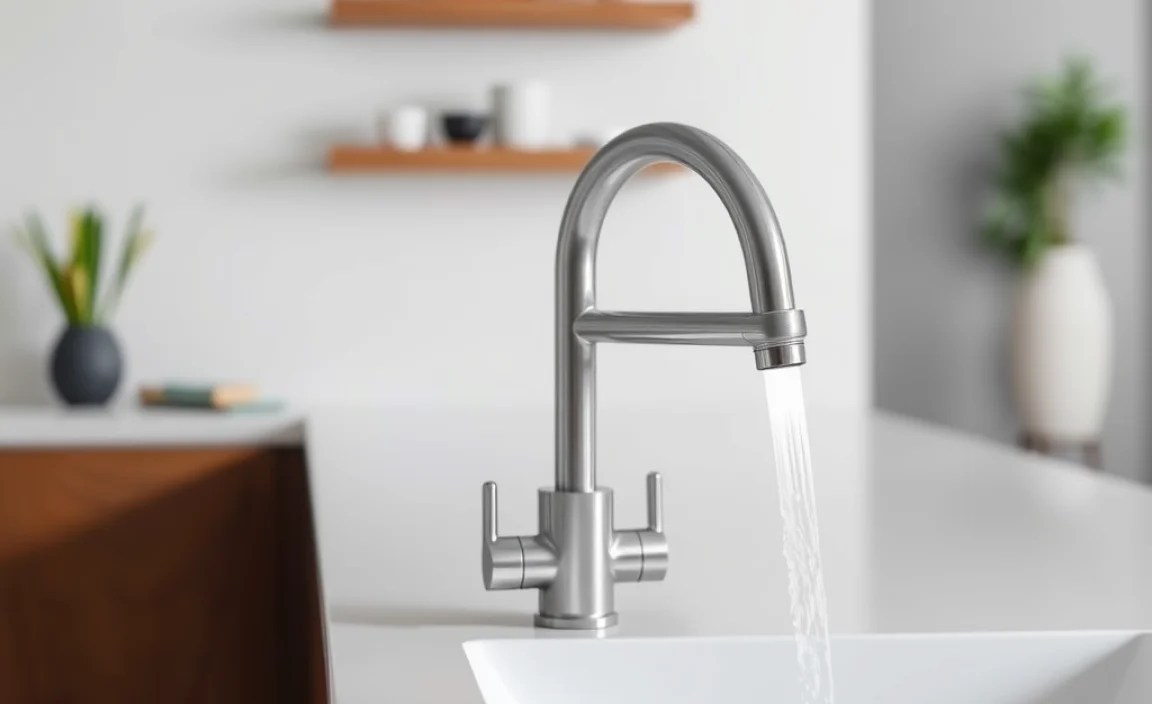
The “layout” of a faucet generally refers to how its components are arranged and how it connects to your plumbing. This includes the number of handles, their placement relative to the spout, and how the faucet itself is mounted to the sink or countertop. The right layout isn’t just about looks; it’s about functionality, ergonomics, and compatibility with your existing setup.
Think about it: a faucet that’s awkward to use, difficult to clean around, or incompatible with your sink can be a daily annoyance. Conversely, a well-chosen faucet layout can make tasks like washing dishes or hands much more pleasant and efficient. It’s good to know that even minor adjustments to understand your faucet’s layout can make a big difference.
Common Faucet Layouts: Pros & Cons

There are several popular faucet layouts, each with its own set of advantages and disadvantages. Understanding these will help you identify what you have and what might work best for your needs.
1. Single-Handle Faucets
Single-handle faucets are incredibly popular due to their modern look and ease of use. As the name suggests, they have one lever or knob that controls both water temperature and flow. You typically move the handle up for more water, down for less, left for hot, and right for cold.
Pros of Single-Handle Faucets:
- Ease of Use: Ideal for everyone, especially children, the elderly, or those with limited mobility. You can often operate them with just one hand, even your wrist or elbow if your hands are dirty.
- Simple Operation: Adjusting temperature and flow is intuitive and quick.
- Modern Aesthetics: They often have a sleek, minimalist design that complements contemporary kitchen and bathroom styles.
- Easier Cleaning: Fewer parts and a streamlined design mean quicker and simpler cleaning around the faucet base.
- Space Saving: They generally require less deck space on the sink or countertop compared to two-handle models.
Cons of Single-Handle Faucets:
- Precise Temperature Control Can Be Tricky: Finding the perfect temperature mix can sometimes be a little finicky, especially for users who prefer very specific temperature settings. Small movements can lead to significant changes.
- Potential for Accidental Adjustments: If the handle is positioned in a high-traffic area, it might be bumped, accidentally changing the water temperature or flow.
- Cartridge Issues: Most single-handle faucets use a cartridge system. If this cartridge fails, the entire faucet might need replacement or a specific, sometimes hard-to-find, replacement part.
- Less Traditional Look: For those who prefer a more classic or vintage aesthetic, the minimalist design might not fit as well.
2. Double-Handle Faucets
The classic choice, double-handle faucets feature separate handles for hot and cold water. This design has been around for a long time and is known for its traditional look and precise control.
Pros of Double-Handle Faucets:
- Precise Temperature and Flow Control: You have complete control over both the hot and cold water streams independently, making it easier to achieve a very specific temperature mix.
- Classic and Traditional Aesthetics: They offer a timeless look that pairs beautifully with vintage, farmhouse, or traditional decor styles.
- Easier Repairs for Some Issues: If one handle leaks, you might only need to replace the washer or O-ring in that specific handle, which can be a simpler repair for some DIYers.
- Visual Temperature Indication: The separate handles clearly indicate which is hot and which is cold, reducing the chance of accidentally using the wrong temperature.
Cons of Double-Handle Faucets:
- Requires Two Hands to Operate: Adjusting both temperature and flow simultaneously requires two hands, which can be inconvenient if your hands are full or dirty.
- Can Be Slower to Adjust: Finding the right blend of hot and cold water can take a little longer compared to a single-handle faucet.
- More Parts to Maintain: With two handles and potentially separate valve stems or cartridges, there are more components that could eventually wear out or require maintenance.
- Takes Up More Space: The two handles and spout generally require a larger footprint on the sink or countertop.
3. Wall-Mount Faucets
Wall-mount faucets are designed to be installed directly onto the wall behind the sink or bathtub. This layout frees up counter or sink space and offers a distinct visual appeal.
Pros of Wall-Mount Faucets:
- Saves Counter Space: This is a major advantage, especially in smaller kitchens or bathrooms where counter space is at a premium.
- Unique and Modern Aesthetic: They create a clean, minimalist look and can be a statement piece in a modern design.
- Easier to Clean Around: With the faucet mounted on the wall, there are no hard-to-reach nooks and crannies around the base on the counter or sink deck.
- Flexibility in Placement: You have more freedom to position the faucet exactly where you need it relative to the sink basin.
Cons of Wall-Mount Faucets:
- More Complex Installation: This is the biggest drawback. Installation requires running water supply lines through the wall and behind the walls, which can be a significant plumbing job. It’s often best left to professionals. Visit the OSHA standards on electrical and plumbing for safety considerations during renovations.
- Potential for Leaks Behind Walls: Any leaks can be hidden behind the wall, making them harder to detect and potentially causing significant water damage if not addressed quickly.
- Limited Style Options: While growing in popularity, the variety of styles and finishes might be more limited compared to deck-mount faucets.
- Repair Access Can Be Difficult: If a valve or cartridge inside the wall needs repair, it can involve cutting into drywall, making repairs more involved and costly.
4. Pull-Down and Pull-Out Faucets
These are modern variations of single-handle faucets designed for enhanced functionality, particularly in the kitchen. The spout head can be pulled out towards you on a hose for easier cleaning and filling pots.
Pros of Pull-Down/Pull-Out Faucets:
- Exceptional Usability for Kitchen Tasks: Makes rinsing dishes, cleaning the sink, and filling large pots much easier.
- Versatile Sprayer Functions: Often come with multiple spray settings (stream, spray, pause) for different tasks.
- Modern and Functional Design: They offer a blend of sleek style and practical features that many homeowners appreciate.
- Easy to Operate: Still operate with a single handle for temperature and flow control.
Cons of Pull-Down/Pull-Out Faucets:
- Hose Durability: The flexible hose is a potential point of failure. Over time, it can kink, wear out, or develop leaks, especially if it’s frequently pulled at an angle or has tight bends.
- Weight and Retraction Issues: The spout head has a weight attached to retract the hose. Sometimes these weights can malfunction, or the hose might not retract smoothly.
- More Complex Internal Components: The hose and retraction mechanism add complexity, meaning more parts that could potentially break.
- Can Be More Expensive: Due to their advanced features, these faucets often come with a higher price tag.
Faucet Layouts by Number of Holes

The number of holes in your sink or countertop is a critical factor in determining which faucet layout you can install. This is a common constraint when replacing a faucet, as you’ll likely want to match the existing hole configuration to avoid drilling new holes or needing an adapter plate.
Here’s a breakdown of common hole configurations and the faucet types that typically fit:
Single-Hole Faucets
These faucets require only one hole in the sink or countertop. They usually feature a single handle that controls both water temperature and flow. Some single-hole faucets might include an optional decorative base plate (escutcheon) to cover larger existing holes.
- Pros: Minimalist look, space-saving, easy to install if you have a single hole.
- Cons: Limited style options, might require an adapter plate for sinks with more holes.
- Typical Use: Modern bathrooms and kitchens.
Centerset Faucets (4-Inch Spread)
These have all the components (spout, hot handle, cold handle) mounted on a single base plate, designed for sinks with three holes spaced 4 inches apart. The handles are typically to the left and right of the spout.
- Pros: Easy to install/replace on compatible sinks, classic look, good for smaller sinks.
- Cons: Limited flexibility in handle and spout placement, less contemporary style.
- Typical Use: Smaller bathroom vanities.
Widespread Faucets (8-Inch Spread or More)
Widespread faucets are separate units for the spout and each handle, allowing for a custom installation with more space between them. They are designed for sinks with three holes spaced 8 inches or more apart. This offers the most flexibility in placement.
- Pros: Highly customizable installation, elegant and luxurious appearance, allows for optimal ergonomic placement.
- Cons: Most complex installation (especially if dealing with varied hole spacing), requires more counter space, can be more expensive.
- Typical Use: Larger bathrooms and master en-suites.
4-Hole Faucets
These typically consist of a widespread faucet (spout and two handles) plus a separate side spray or soap dispenser. This configuration is less common but offers even more functionality.
- Pros: Includes extra features like a sprayer or dispenser, provides a full-featured look and function.
- Cons: Requires more sink holes, can clutter the countertop if not well-organized, installation can be more involved.
- Typical Use: Larger kitchens where a side sprayer is desired.
Table: Faucet Layouts at a Glance

Here’s a quick comparison to help you visualize the differences:
| Faucet Layout Type | Number of Handles | Common Spacing (if applicable) | Key Pros | Key Cons |
|---|---|---|---|---|
| Single-Handle | 1 | N/A (single hole) | Easy to use, space-saving, modern | Can be tricky to find precise temp, potential for accidental bumps |
| Double-Handle | 2 | N/A (single unit, often needs 3 holes) | Precise temp control, classic look, easier individual repairs | Requires two hands, slower adjustment, more parts |
| Wall-Mount | 1 or 2 | N/A (installed on wall) | Saves counter space, unique look, easy cleaning around faucet | Complex installation, potential hidden leaks, limited choices |
| Pull-Down/Pull-Out | 1 | N/A (single hole) | Excellent for kitchen tasks, versatile spray functions | Hose durability concerns, retraction issues, more complex internals |
| Centerset | 2 | 4-inch | Easy install on 3-hole sinks, compact feel | Limited placement options, less modern |
| Widespread | 2 | 8-inch+ | Customizable, elegant, ergonomic | Complex install, needs more space, can be pricey |
Installation & Replacement Considerations
When it comes to installing or replacing a faucet, the layout is paramount. Here are some key points to consider:
1. Matching Faucet to Sink/Countertop Holes
This is the most critical step. Most sinks and countertops come pre-drilled with a specific number and spacing of holes. You’ll need to measure these carefully.
- Single Hole: You can install a single-handle faucet here. If you want a double-handle or widespread faucet, you’ll need an adapter plate (often called a deck plate or escutcheon) to cover the extra holes.
- 3 Holes (4-inch spread): This is typically for a centerset faucet. You can sometimes use a single-handle faucet with a large deck plate.
- 3 Holes (8-inch spread or more): This is designed for widespread faucets. You can also use a single-handle faucet with a very large deck plate.
- 4+ Holes: These accommodate faucets with side sprayers, soap dispensers, or other accessories.
If you’re unsure about your sink’s configuration, check the manufacturer’s specifications or simply count the holes. For guidance on plumbing standards, the International Association of Plumbing and Mechanical Officials (IAPMO) offers valuable resources on plumbing product certifications and standards.
2. Plumbing Connections
Most modern faucets use flexible PEX or braided stainless steel supply lines that connect to shut-off valves under the sink. However, older homes might have rigid pipe connections. Ensure your new faucet’s connection type is compatible, or that you have the necessary adapters.
Always turn off the water supply at the shut-off valves before starting any work. If you don’t have shut-off valves under the sink, you’ll need to turn off the main water supply to your house.
3. Tools You Might Need
Having the right tools can make the job much smoother. For a typical faucet replacement, you might need:
- Adjustable wrenches (two recommended: one to hold, one to turn)
- Basin wrench (essential for reaching nuts in tight spaces behind the sink)
- Screwdriver set (Phillips and flathead)
- Plumber’s tape (Teflon tape)
- Plumber’s putty or silicone sealant (depending on faucet instructions)
- Bucket and towels (for catching residual water)
- Safety glasses
4. Professional Installation
If you’re uncomfortable with any part of the process, especially if it involves drilling new holes or working with complex plumbing, don’t hesitate to call a licensed plumber. For wall-mount faucets, professional installation is almost always recommended due to the required in-wall work.
Maintenance Tips Based on Layout
Different faucet layouts can have slightly different maintenance needs.
- Single-Handle: The main component to watch is the cartridge. If you experience drips or stiffness, the cartridge might need replacing.
- Double-Handle: Leaks usually point to worn-out washers or O-rings within the handle assembly (often called seats and springs or valve stems). These are generally straightforward to replace.
- Pull-Down/Pull-Out: Keep an eye on the hose and the retraction mechanism. Sometimes debris can obstruct the hose, or the weight needs readjusting.
